
Antique Rug Wall Hanging
When you search for an antique rug wall hanging, you are stepping into a tradition of nomadic and tribal textile artistry spanning the nineteenth and early twentieth centuries.
Antique Rug Wall Hanging
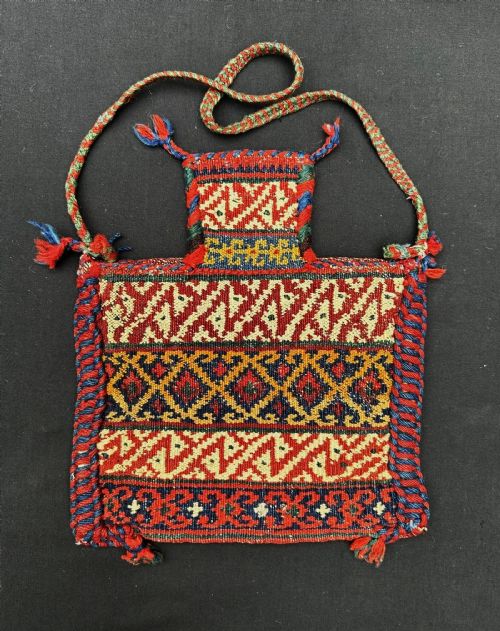
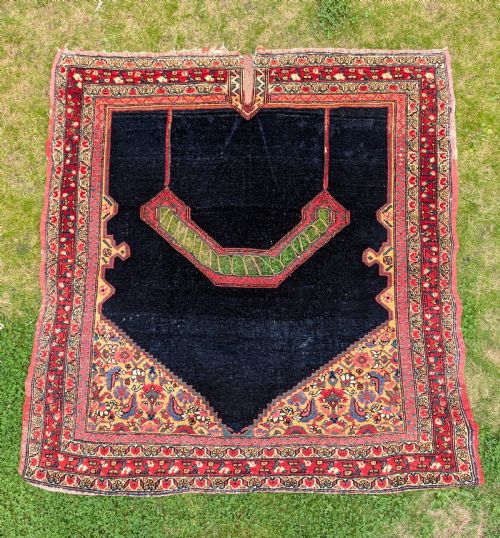
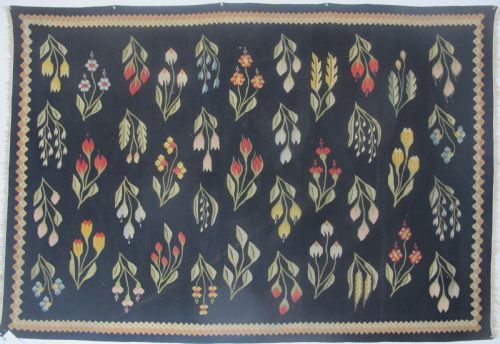
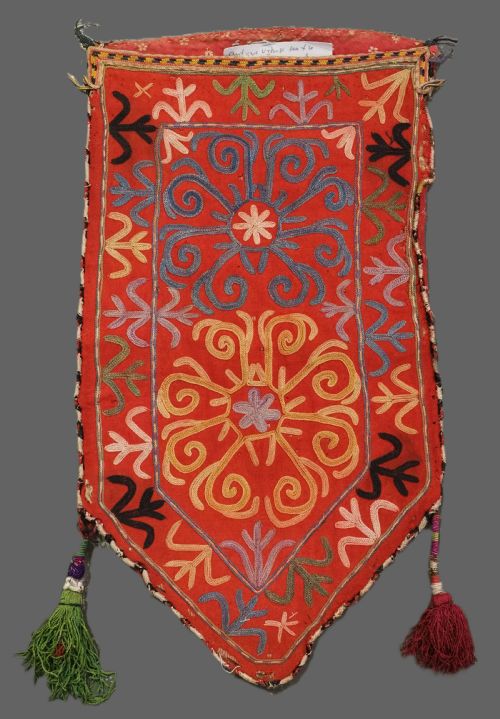
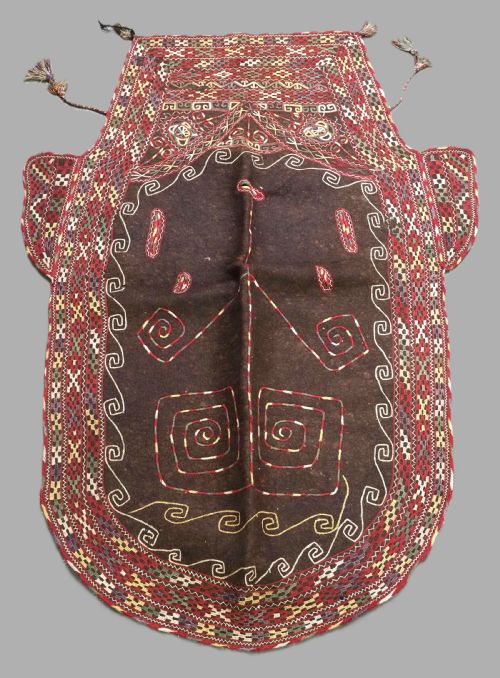
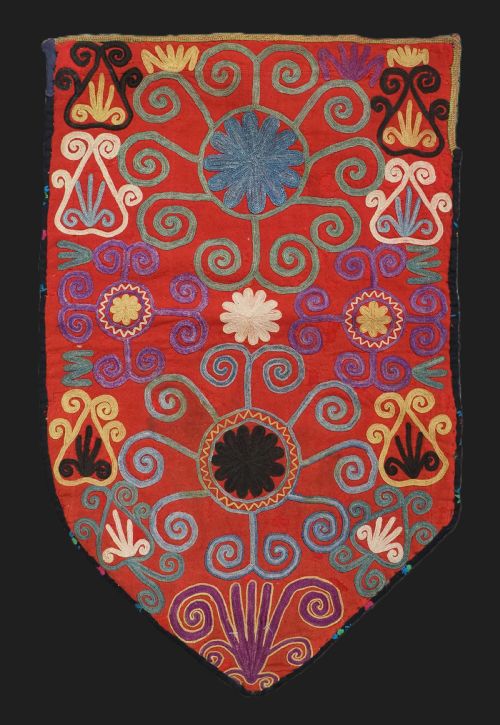
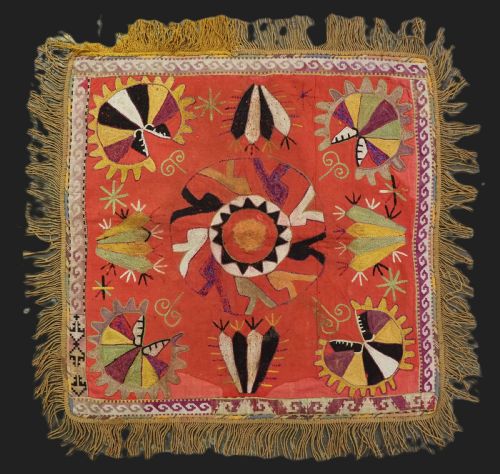
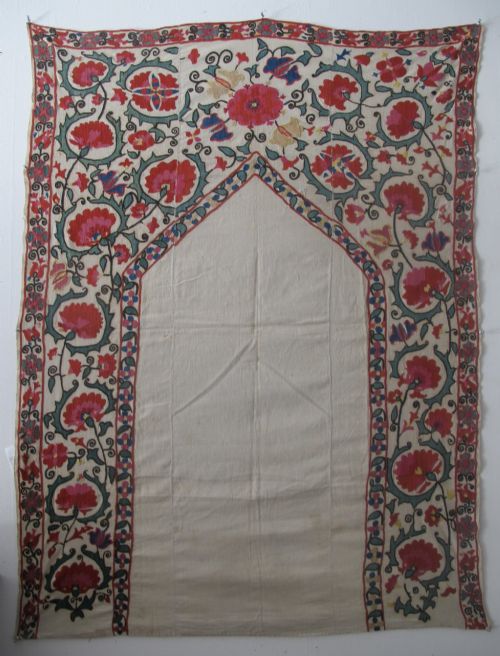
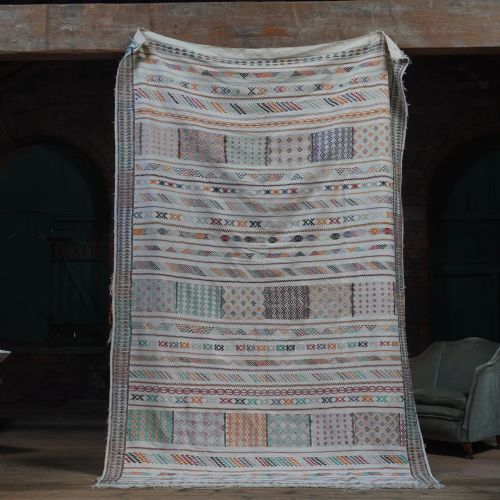
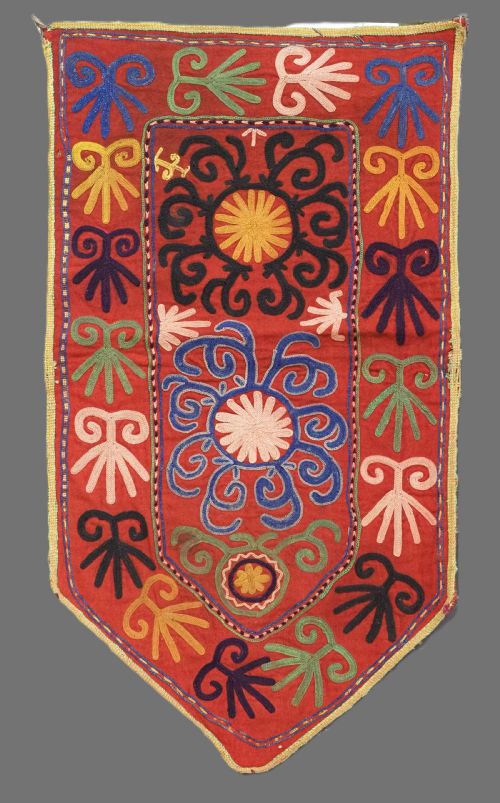
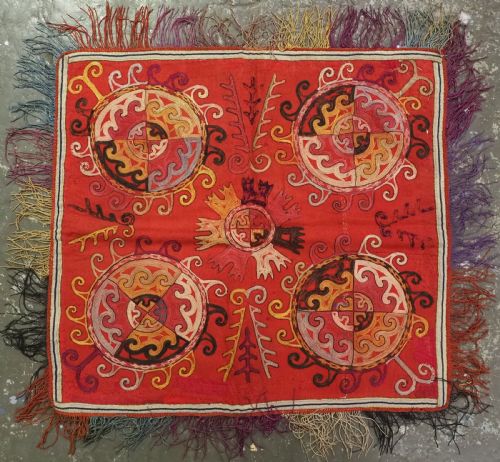
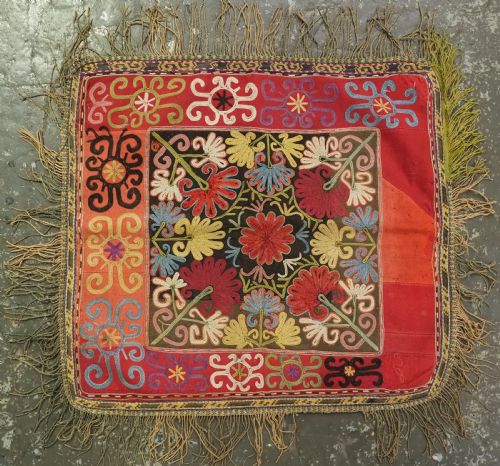
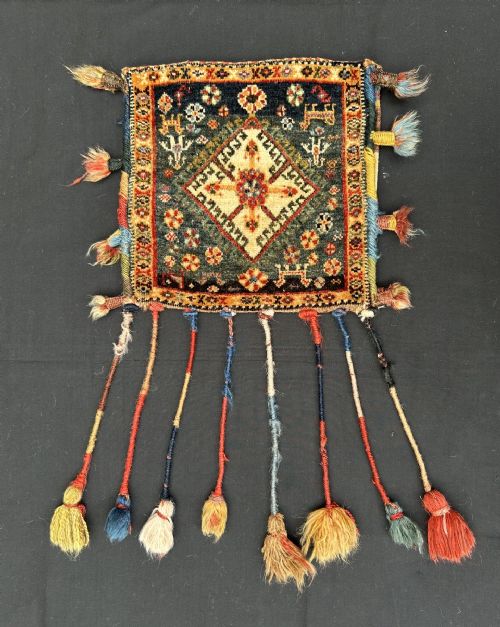
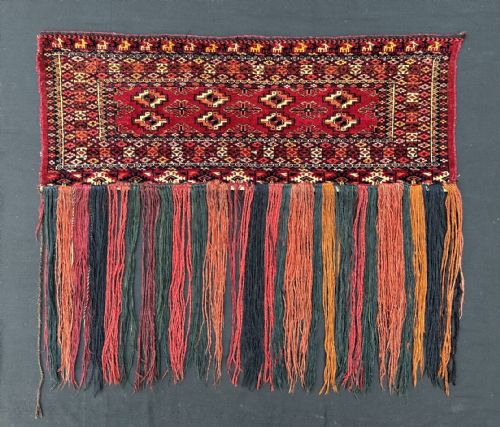
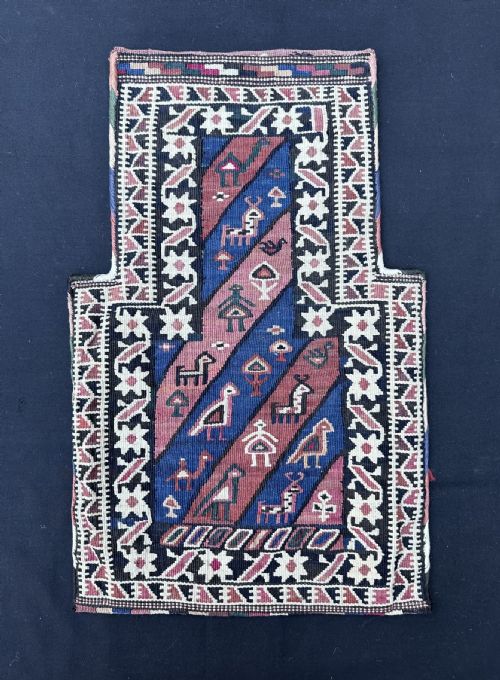
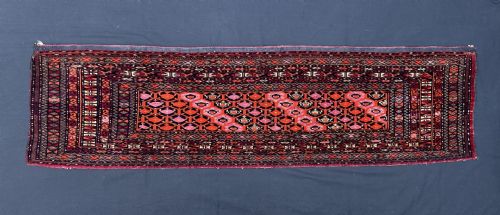
The pieces listed under an antique rug wall hanging encompass a diverse range of functional tribal items repurposed for display, including dowry embroideries, saddle covers, horse blankets, and storage bags originating from Central Asia and Persia.
Buyers most frequently encounter Central Asian Suzanis and Lakai tribe ilgiches alongside Persian tribal bagfaces and saddle covers dating from the 1850s through the 1920s.
These textiles reflect the domestic and ceremonial lives of nomadic groups such as the Yomut, Ersari, and Uzbek tribes, whose portable belongings doubled as decorative household furnishings.
Materials and Construction
Maker communities relied predominantly on hand-spun wool, cotton, and silk foundations, often embellished with intricate silk thread embroidery or felted wool applications.
Natural dyes provide the foundational palette for these textiles, supplemented in specific regional pieces by decorative elements such as glass beads.
Techniques range from flatweave and tapestry structures to dense needlework, executed by nomadic and village weavers working within established regional traditions.
Antique Rug Wall Hanging Retail Price Guide 2026
Typical asking prices for rug wall hanging among the pieces listed under this phrase on Sellingantiques today, from the lower quarter to the upper quarter. They describe what is for sale here now, not the wider market.
Listings feature pieces dated from the 1850s through the 1920s, utilising hand-spun wool, silk thread, and natural dyes.
Evaluating Quality
The distinction between standard examples and superior pieces rests on the precision of the needlework, the complexity of the design, and the vibrancy of the natural dyes.
Completeness of original borders, tassels, and structural integrity significantly elevate an example, as many nomadic pieces endured heavy utilitarian use before entering the collector market.
The Antique Rug Wall Hanging Glossary
- Suzani
- An embroidered wall hanging from Central Asia, typically worked in silk on a cotton foundation with floral or architectural motifs. These textiles served as traditional dowry items.
- Ilgich
- A specific form of Uzbek dowry embroidery created for wall hanging display. They feature distinct geometric patterns associated with Lakai tribal groups.
- Asmalyk
- A pentagonal trapping produced by Turkmen tribes, traditionally hung on the flanks of a bridal camel during wedding processions. They now function primarily as decorative wall textiles.
- Bagface
- The decorative front panel of a utilitarian nomadic bag, removed and preserved as a flat textile. These display concentrated regional patterns in miniature format.
Antique Rug Wall Hanging: Frequently Asked Questions
How were these wall hangings originally used?
Many of these textiles started life as functional nomadic objects, including grain bags, horse blankets, camel trappings, and dowry embroideries created for domestic life or ceremonies.
Over time, collectors recognised their artistic merit and repurposed them as decorative wall hangings to showcase the complex tribal patterns and hand-spun materials.
How do I care for an antique textile?
Keep your textile away from direct sunlight to protect the natural dyes from fading over time. Mount the piece using a breathable cotton sleeve or professional conservation stitching rather than hanging it by direct pins.
Where do these tribal pieces originate?
The geographic origins span Central Asia, including Uzbekistan and Turkmenistan, alongside regions of Persia inhabited by nomadic confederacies such as the Qashqai and Afshar.
Each region developed distinct motifs, colour palettes, and stitching techniques that identify the specific tribal group responsible for the work.
How can I tell the age of a textile?
Age is determined by examining the material composition, such as the presence of hand-spun wool and authentic natural dyes typical of the nineteenth and early twentieth centuries.
Structural wear patterns and regional weave characteristics also help place an object within periods like the 1850s or 1900s.