
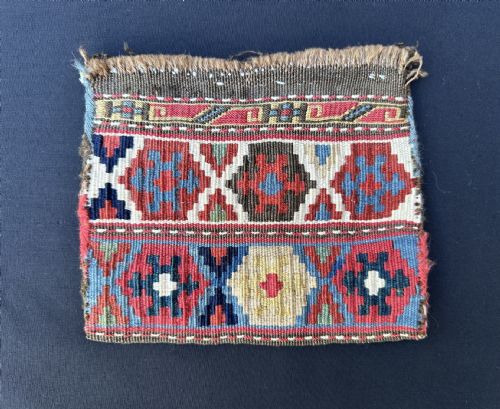


Antique Caucasian Textile
An antique caucasian textile brings tribal craftsmanship and geometric wool artistry directly into modern interiors.
Antique Caucasian Textile
When searching for an antique caucasian textile, collectors encounter woven expressions of nomadic and village life originating from the Caucasus and surrounding regions. The listings on this page consist predominantly of functional utility items, including saddle bags, storage compartments, runner rugs, and individual panels created by tribal groups.
The material forms range from small vanity bags and complete mafrash storage containers to larger floor carpets and mounted flatweaves. Shahsavan nomads and Kurdish tribes account for many of the specific tribal attributions present in these woven artefacts.
Pieces span from the middle of the nineteenth century through the early decades of the twentieth century. Buyers will frequently find bag faces and kilim panels that have been adapted into cushions or smaller wall hangings for contemporary display.
How they were made
Weavers utilised hand-spun wool and cotton foundations, incorporating natural and vegetable dyes to achieve distinct colour palettes across the tribal pieces. Soumak technique appears frequently alongside flatweave kilim structures and pile-woven surfaces.
Nomadic makers constructed storage bags and horse covers to withstand rigorous daily utility, employing durable wool and tight knotting or wrapping methods. Certain items integrate silk elements alongside the primary wool materials to create texture contrasts.
Antique Caucasian Textile Retail Price Guide 2026
Typical asking prices for caucasian textile among the pieces listed under this phrase on Sellingantiques today, from the lower quarter to the upper quarter. They describe what is for sale here now, not the wider market.
Listings feature items dated from the nineteenth century up to 1920, incorporating wool, cotton, silk, and wood components.
What varies in quality
The integrity of the structural weave and the preservation of the original natural dyes define the standard of an antique caucasian textile. Pieces retaining complete pairs, original backs, or undisturbed structural edges command higher regard among collectors.
Design clarity and the complexity of tribal motifs, such as birds, dragons, or geometric field patterns, separate standard utility examples from superior artistic works. The precision of the hand-spun wool preparation and the vibrancy of the vegetable dye palette influence overall visual impact.
The Antique Caucasian Textile Glossary
- Soumak
- A brocade-like flatweaving technique that creates a durable surface with raised patterns resembling braids on the face and loose threads on the reverse. This method appears on many storage bags and panels.
- Mafrash
- A large rectangular storage container or chest panel used by nomads for bedding and household goods. These pieces are often disassembled and converted into smaller flatweaves or cushions.
- Khorjin
- A traditional double saddle bag used for transport on horses or camels during nomadic migrations. Complete pairs remain prized by collectors of tribal weaving.
- Jajim
- A flatwoven textile traditionally used as a cover or blanket, characterised by colourful warp stripes. Examples are sometimes mounted for display.
- Kilim
- A tapestry-woven carpet or rug produced without a pile. These pieces rely on tightly packed horizontal wefts passing over vertical warps to form geometric patterns.
Antique Caucasian Textile: Frequently Asked Questions
What is a mafrash panel?
A mafrash panel formed part of a large rectangular storage container used by nomads to transport bedding and household possessions during seasonal migrations.
Many surviving panels are now found individually or made into small kilims and cushions for domestic display.
How were tribal bags used?
Nomadic communities utilised these woven containers as portable wardrobes and storage chests inside tents or loaded them onto horses and camels for travel.
Saddle bags carried personal items and provisions, while larger containers held heavy woollens and carpets.
How do I care for an antique textile?
Protect wool textiles from direct sunlight to prevent natural dye fading and gently vacuum with a mesh screen covering the nozzle to remove dust.
Professional specialist cleaning is recommended for antique pieces rather than home washing.
Can these bags be displayed flat?
Bag faces and panels work well mounted on walls or placed on low-traffic surfaces where foot movement will not cause abrasion.
Padding a mounted textile helps distribute the weight evenly across the wool and cotton foundation.