





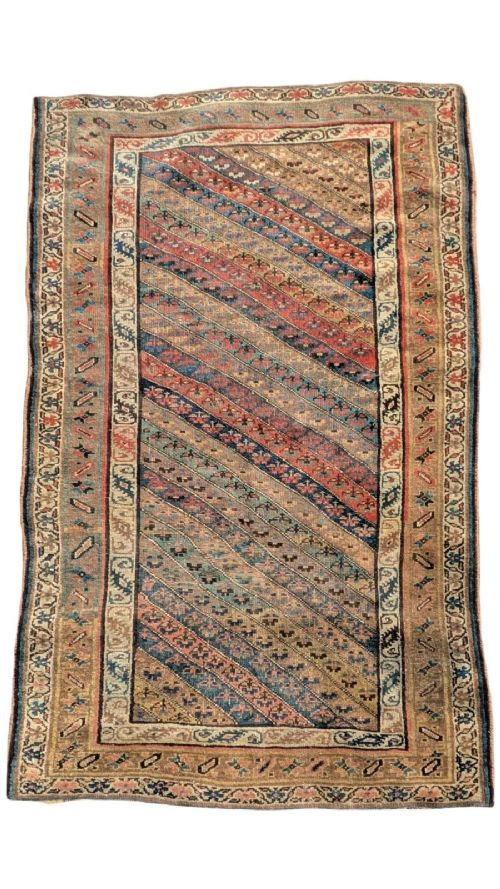
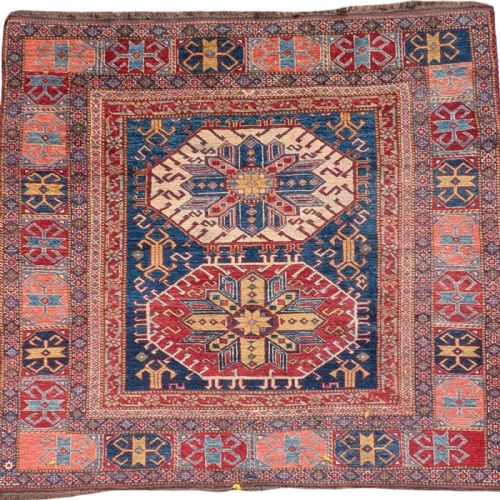
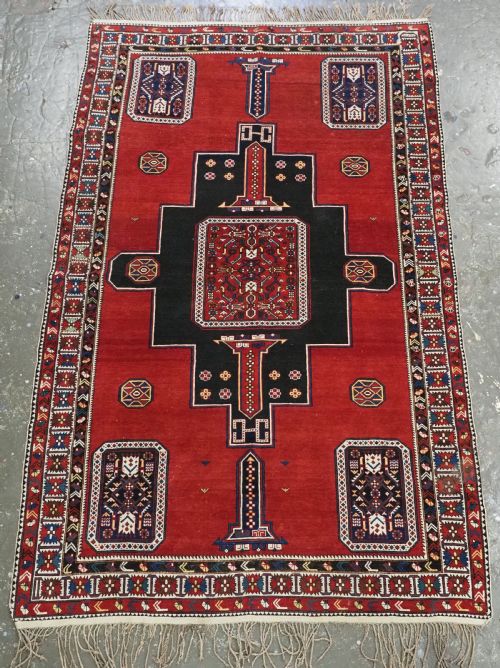
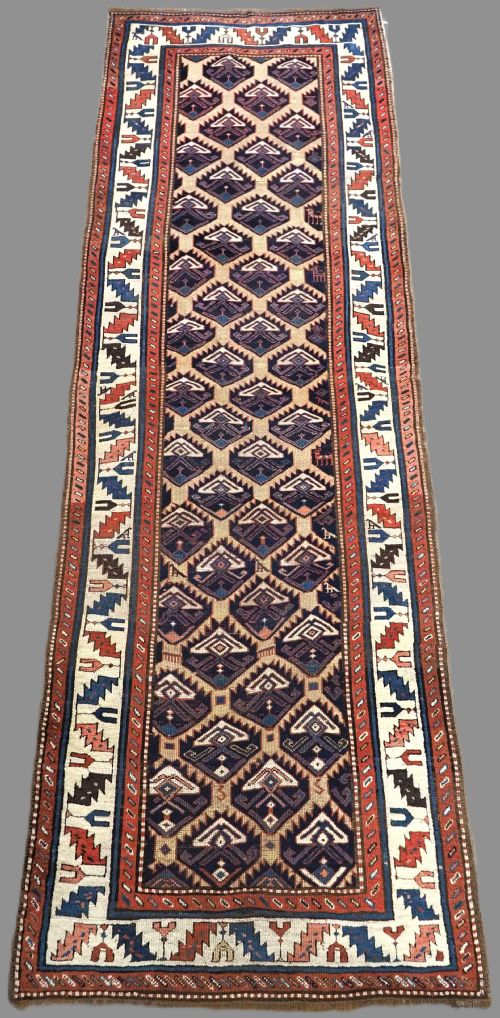
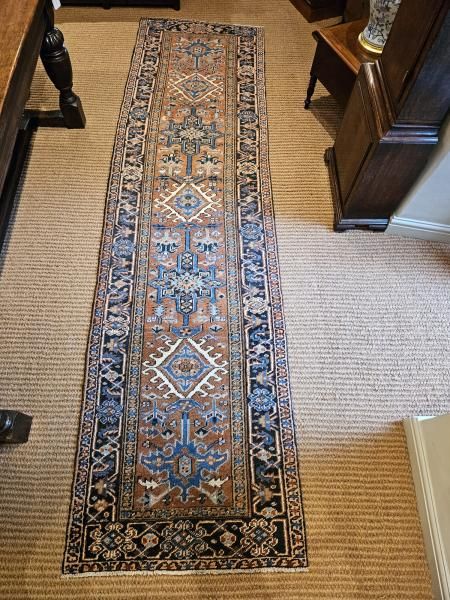
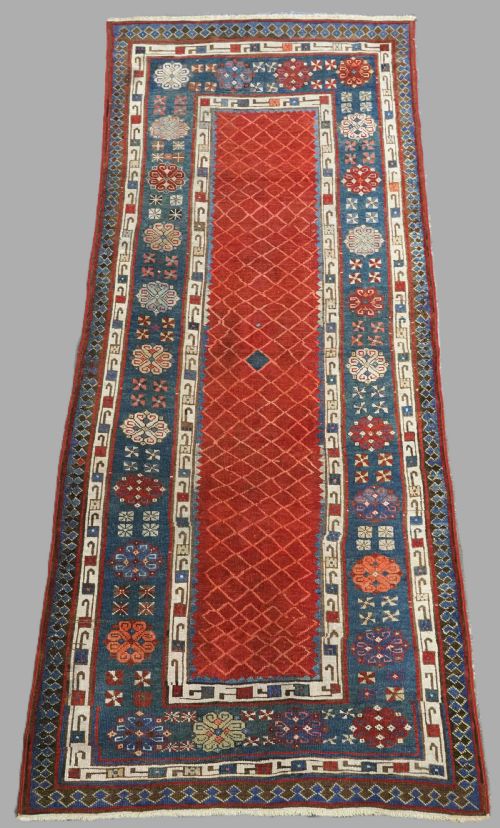
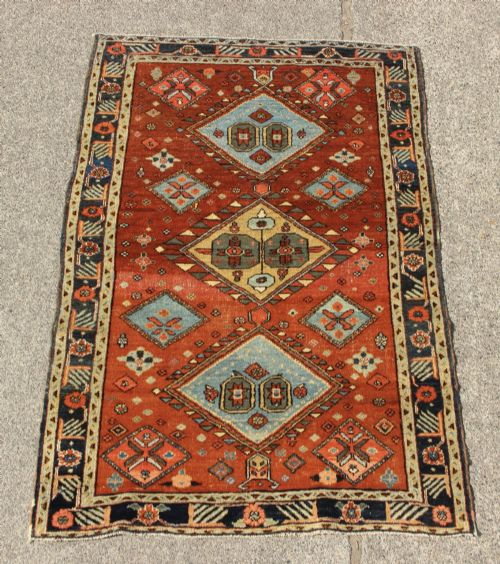
Geometric Caucasian Carpet
A geometric caucasian carpet brings bold tribal design and deep wool pile into a room.
Geometric Caucasian Carpet
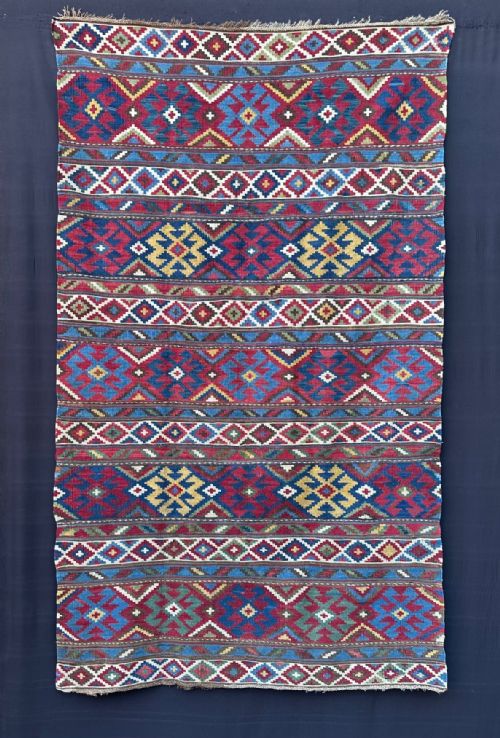
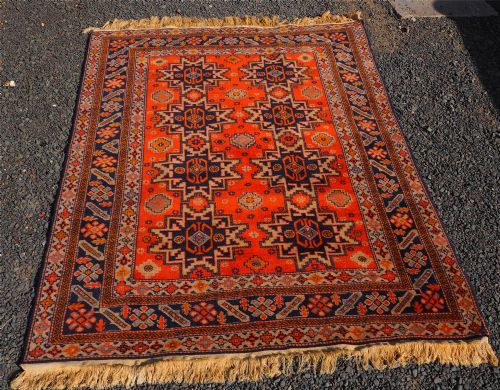
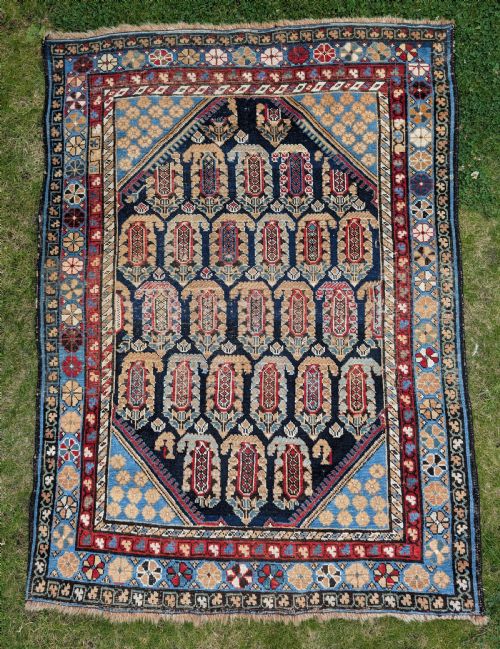
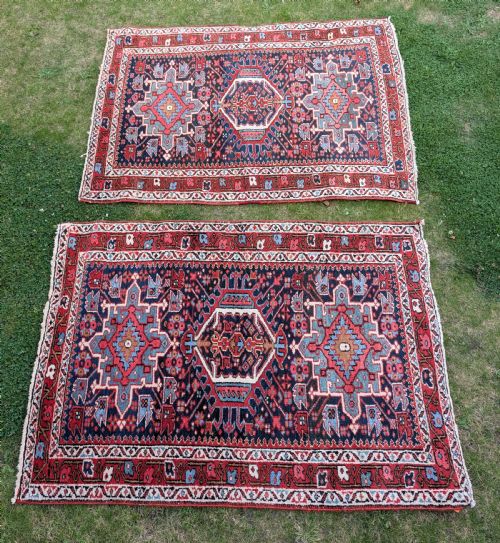
A geometric caucasian carpet belongs to a rich tradition of village and tribal weaving from the Caucasus region. These pieces date across the nineteenth century, including examples from around 1870, 1880, 1890, and 1900. When searching for a geometric caucasian carpet, buyers encounter varied regional formats ranging from square rugs to long runners and area rugs.
The aesthetic centres on striking angular motifs rather than floral curves. Regional designations visible in the inventory include Kazak, Chelaberd, Shirvan Baku, Moghan Kazak, Karabagh region Kazak, and Chi-Chi. Each type brings distinct structural characteristics rooted in the eastern and broader Caucasus areas.
How they were made
Every piece recorded in the inventory uses wool as the primary material. Weavers knotted the wool by hand onto traditional foundations to create durable floor coverings designed for practical daily use.
The construction methods rely on regional tribal traditions passed down through generations. These techniques produce dense piles and firm structures that withstand centuries of foot traffic.
Geometric Caucasian Carpet Retail Price Guide 2026
Typical asking prices for geometric caucasian carpet among the pieces listed under this phrase on Sellingantiques today, from the lower quarter to the upper quarter. They describe what is for sale here now, not the wider market.
The inventory spans the nineteenth century, with specific dates recorded for 1870, 1880, 1890, and 1900.
What varies in quality
Quality differences emerge in the precision of the tribal motifs and the handling of the wool pile. Finer weaves display sharper geometric lines and tighter knotting across the field.
The subtlety and depth of the wool colours distinguish finer examples from simpler production. Softer, well-balanced palettes lift certain pieces above standard utility grades.
The Geometric Caucasian Carpet Glossary
- Kazak
- A category of rugs traditionally woven in the western Caucasus known for bold geometric designs and bright primary colours.
- Pile
- The upright yarn loop surface of the carpet formed by the knotted wool. This layer provides the tactile texture and warmth underfoot.
- Medallion
- A central ornamental motif set within the field of the rug. Triple medallion formats feature three distinct geometric centrepieces.
- Runner
- A long and narrow format of carpet designed for corridors, hallways, or narrow spaces. These pieces adapt well to transitional areas in a home.
Geometric Caucasian Carpet: Frequently Asked Questions
Where were these carpets made?
These carpets originate from the Caucasus region, spanning areas such as the East Caucasus, Azerbaijan, and specific tribal districts like Karabagh and Shirvan.
Local weavers produced these textiles using traditional methods and regional wool sources specific to their communities.
How do I place one in a room?
Geometric caucasian carpets suit rooms that benefit from strong tribal patterns and structured layouts. Their distinct formats adapt well to sitting rooms, studies, and hallways.
Pair them with simple furnishings to let the geometric design work as a focal point on the floor.
What materials are used?
The recorded pieces utilise wool entirely for their construction. This natural fibre forms both the pile and the underlying foundation structure.
Traditional washing and dyeing processes give the wool its characteristic handle and surface texture.
How are different types distinguished?
Distinctions rely on specific regional names such as Chelaberd, Chi-Chi, and Moghan Kazak. Each designation points to particular design canons and structural habits.
Examining the arrangement of medallions and border patterns helps separate one regional style from another.