

Caucasian Runner Rug
These caucasian runner rug examples bring geometric tribal patterns and rich natural dyes directly onto the floor.
Caucasian Runner Rug
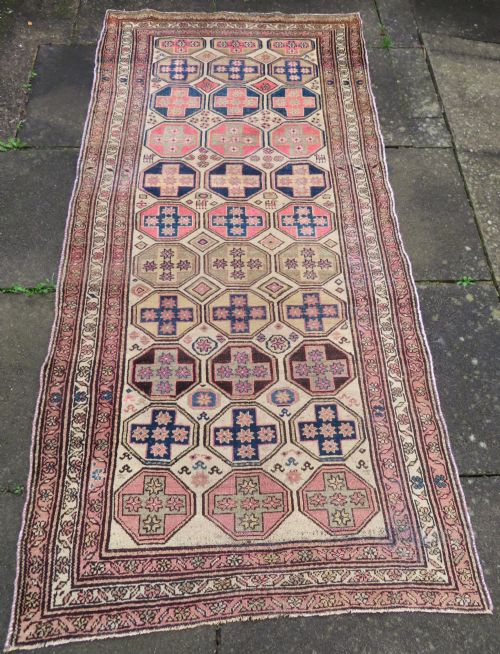
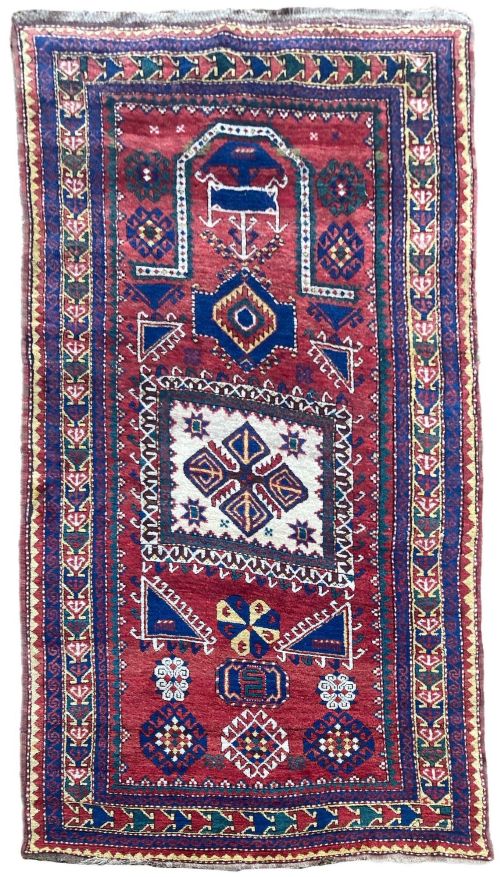
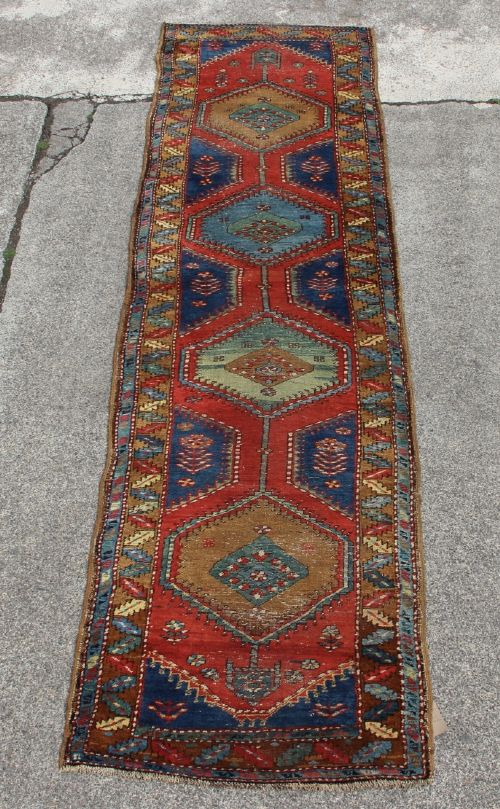
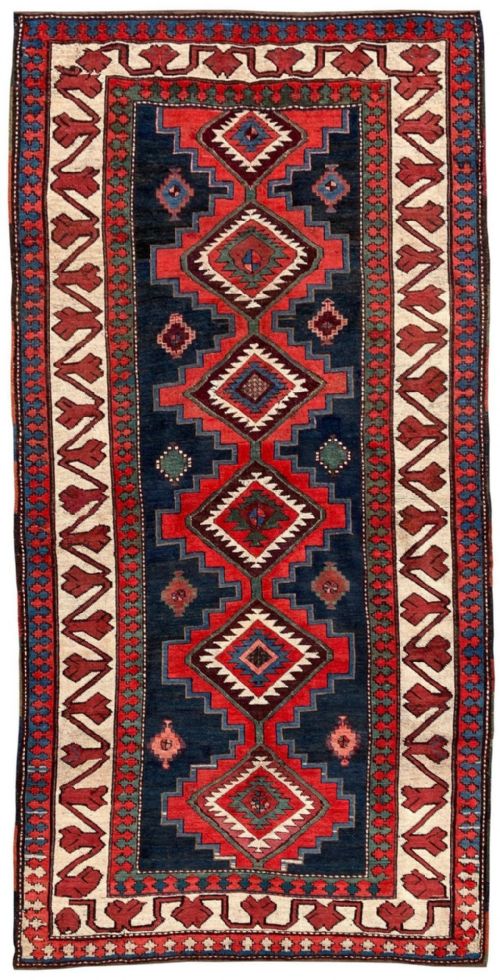
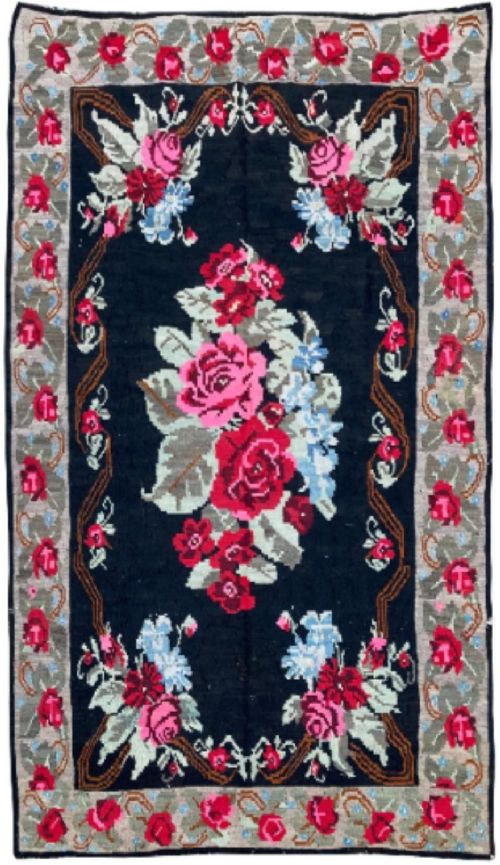
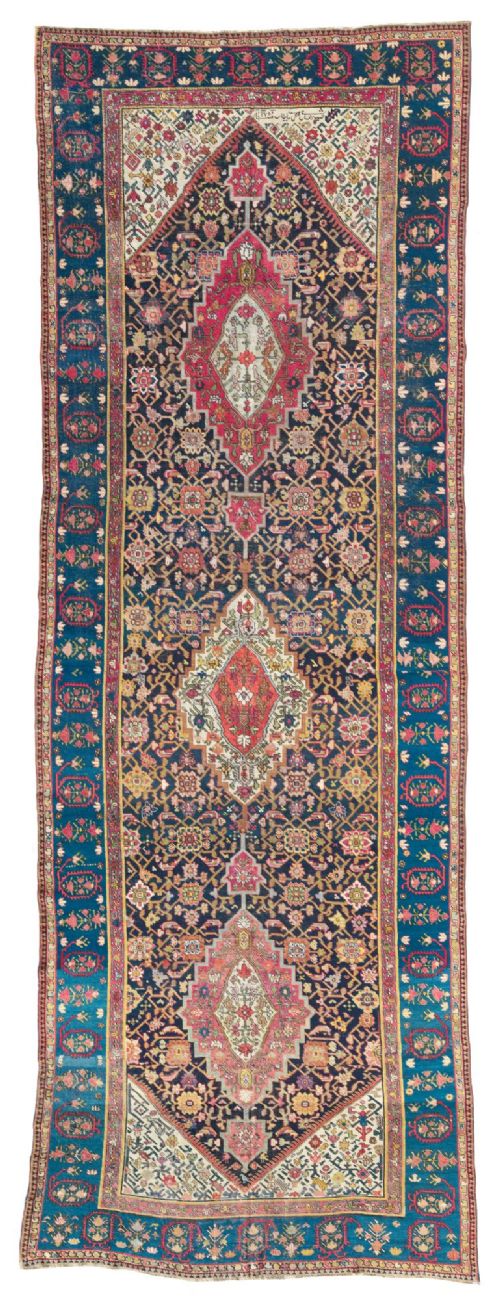
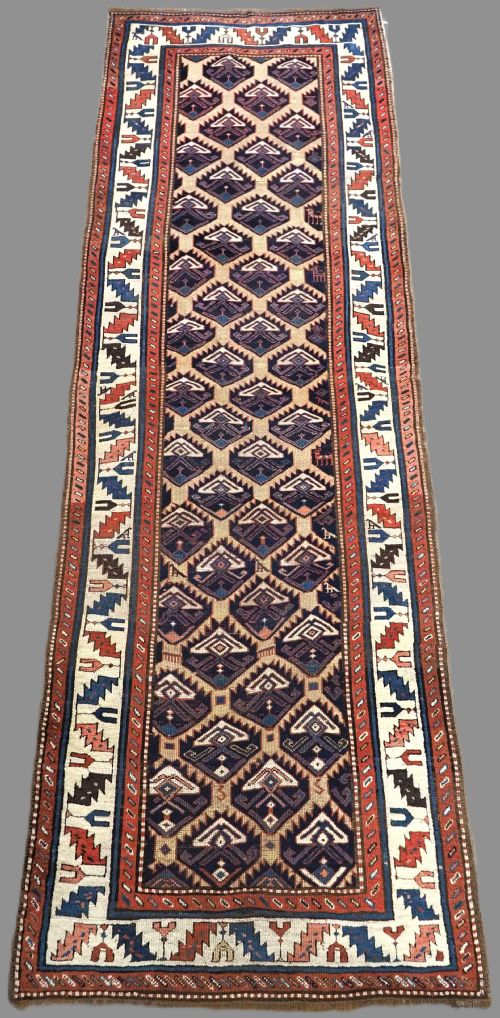
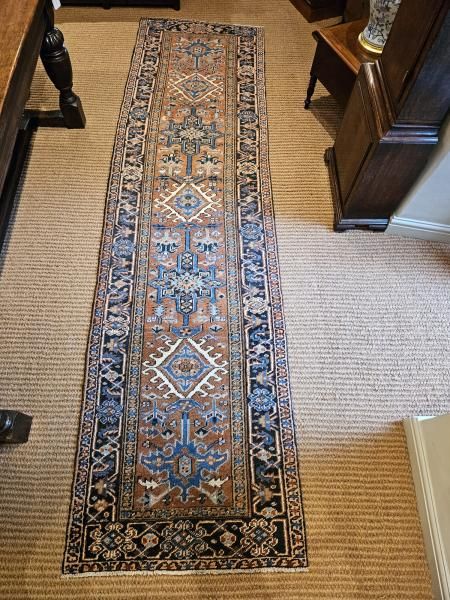
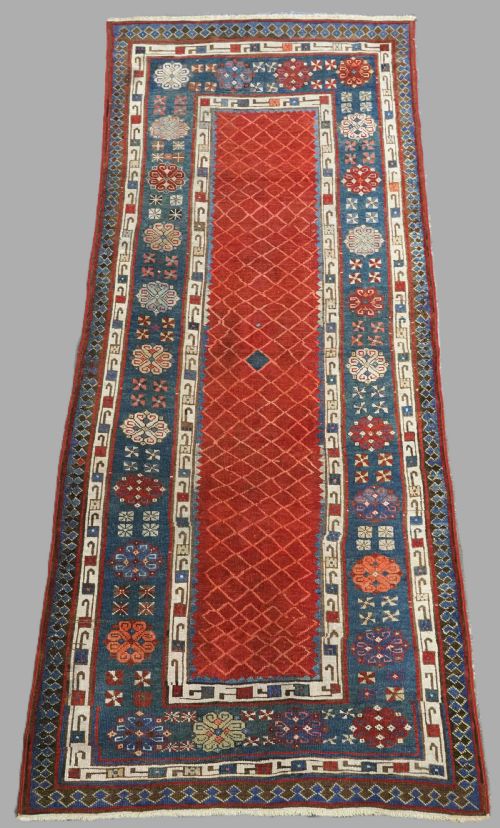
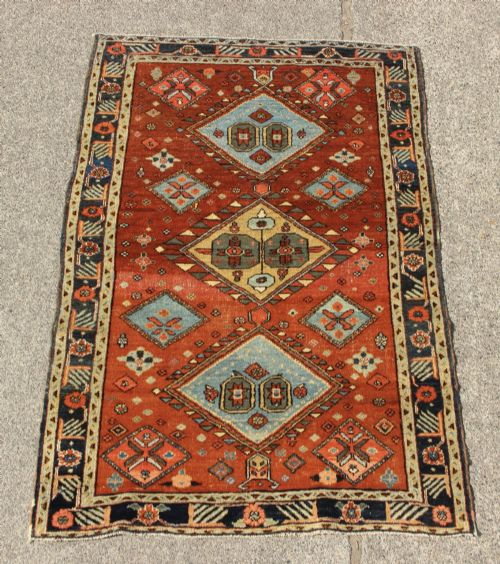
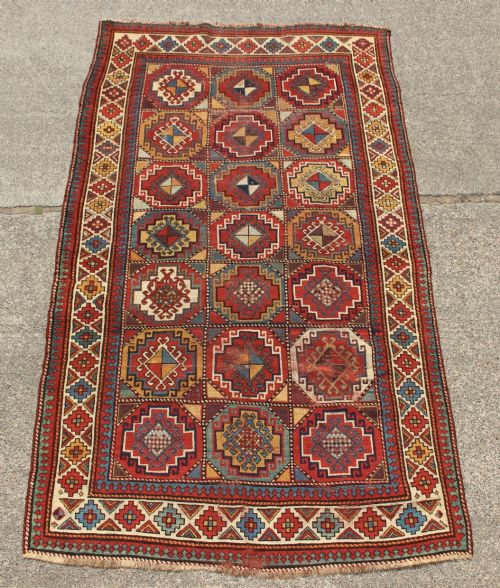
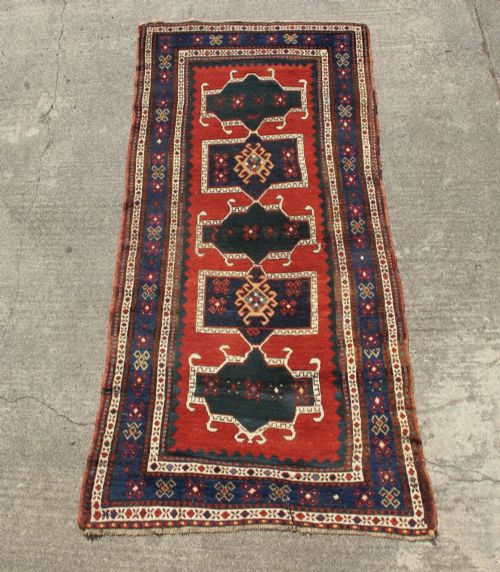
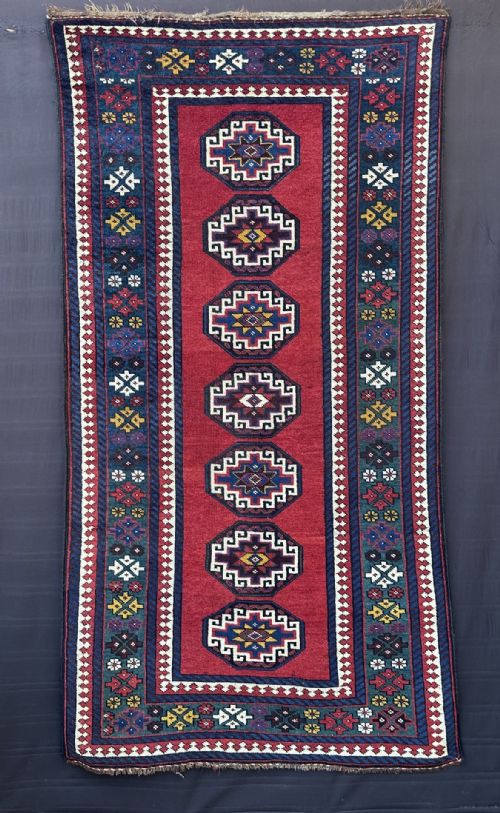
A caucasian runner rug is a long, narrow tribal floor covering originating from the Caucasus region. These pieces take the form of runner rugs and long rugs designed for hallways and corridors. Buyers encounter regional types such as Karabagh, Kazak, Gendje, Shashavan, Dagestan, and Shirvan.
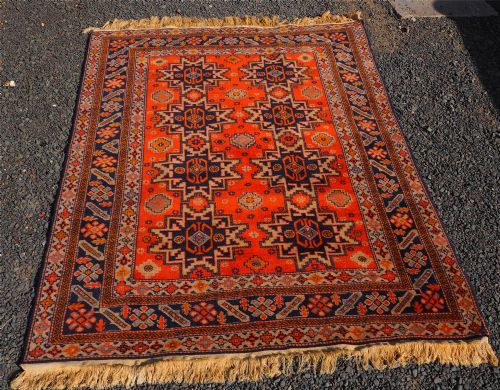
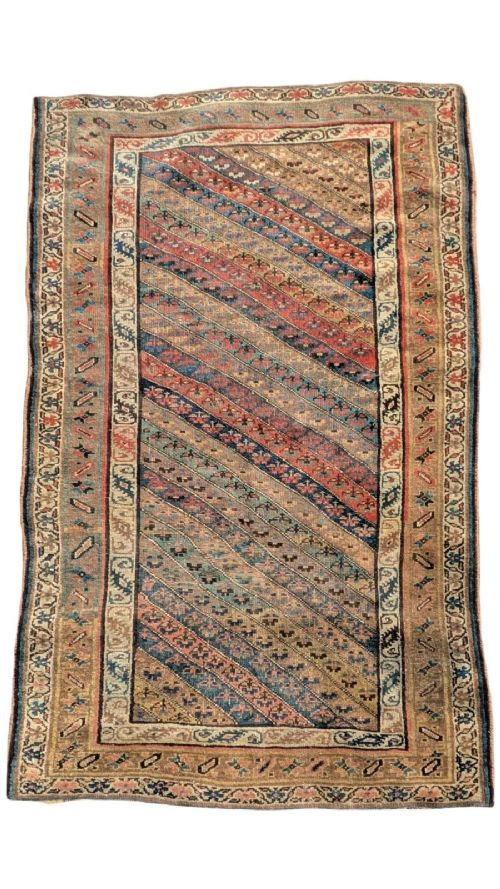
The designs feature distinctive motifs including Lezghi stars, boteh patterns, hooked medallions, and diagonal arrangements. Production spans from the mid-nineteenth century through to the early twentieth century. These tribal nomad pieces represent traditional weaving traditions from specific Caucasian districts.
How they were made
Weavers construct each caucasian runner rug using wool, frequently incorporating hand-spun wool for the pile and foundations. The makers apply natural dyes to colour the fibres, yielding the distinct palettes seen across these regional pieces. Individual workshops and nomadic tribes utilise local materials native to the Caucasus.
The structural technique relies on traditional hand-knotting methods passed through generations of tribal weavers. These dense wool foundations provide durability suited for high-traffic corridors and long rooms. The combination of hand-spun materials and natural colourants defines the physical structure of each rug.
Caucasian Runner Rug Retail Price Guide 2026
Typical asking prices for caucasian runner rug among the pieces listed under this phrase on Sellingantiques today, from the lower quarter to the upper quarter. They describe what is for sale here now, not the wider market.
Certain runners contain tiny geometric animal and human figures hidden among the grand star medallions, dropped in by weavers who apparently could not resist telling a story.
What varies in quality
Quality in a caucasian runner rug emerges from the clarity of the regional design and the depth of the natural dyes. Pieces featuring well-defined motifs like Lezghi stars or intricate boteh patterns display superior design execution. The crispness of the geometric drawing separates standard examples from the finest regional specimens.
The handling of hand-spun wool and the vibrancy of the colour palette determine the visual presence of the rug. Strong regional attribution and intact proportions contribute to the standing of individual long rugs and runners. Superior examples maintain balance between the central field and the surrounding borders.
The Caucasian Runner Rug Glossary
- Boteh
- A stylised almond or paisley motif representing a floral spray or cypress tree, frequently repeated across Caucasian fields. This ancient symbol appears extensively in Karabagh and Gendje region weavings.
- Kazak
- A term applied to rugs woven by various tribal groups in the western Caucasus, known for bold geometric designs and primary colours. These pieces display strong medallion formats and heavy wool construction.
- Kelleh
- A large format carpet or long runner proportioned for extended rooms rather than narrow hallways. This specific room-size format accommodates expansive all-over repeating patterns.
- Lezghi Star
- An eight-pointed geometric star motif associated with the Lezgin people of the eastern Caucasus. This emblem anchors the composition in specific Dagestan and Caucasian pieces.
- Medallion
- A central ornamental design element anchored in the middle of the rug field. These geometric focal points structure the tribal layouts characteristic of Caucasian weaving.
Caucasian Runner Rug: Frequently Asked Questions
Where were these runners made?
These runners originate from the Caucasus region, encompassing areas historically associated with Karabagh, Kazak, Gendje, Shashavan, Dagestan, and Shirvan weavers. Each district developed distinct tribal weaving characteristics.
Local nomadic and village groups produced these long formats for domestic use and regional trade using materials sourced directly from their surroundings.
What designs appear on them?
The compositions incorporate geometric motifs including Lezghi stars, hooked medallions, diagonal boteh patterns, and star designs. These patterns reflect the cultural heritage of the specific Caucasian tribes.
Weavers arranged these symbols in strict vertical formats suited to narrow hallways, long corridors, and extended rooms.
How do I identify regional types?
Identification relies on recognising specific combinations of wool quality, natural dye palettes, and structural medallion or star motifs. Karabagh, Kazak, and Shirvan pieces each exhibit distinct structural traits.
Comparing the border arrangements and secondary filler ornaments helps separate Gendje examples from Dagestan or Shashavan production.
How should I care for a runner?
Maintain these wool rugs by using a suitable underlay to prevent sliding and reduce friction in high-traffic hallways. Regular gentle vacuuming without a rotating power brush protects the hand-spun pile.
Professional cleaning tailored for antique natural-dye textiles preserves the integrity of the wool and the stability of the foundation.