
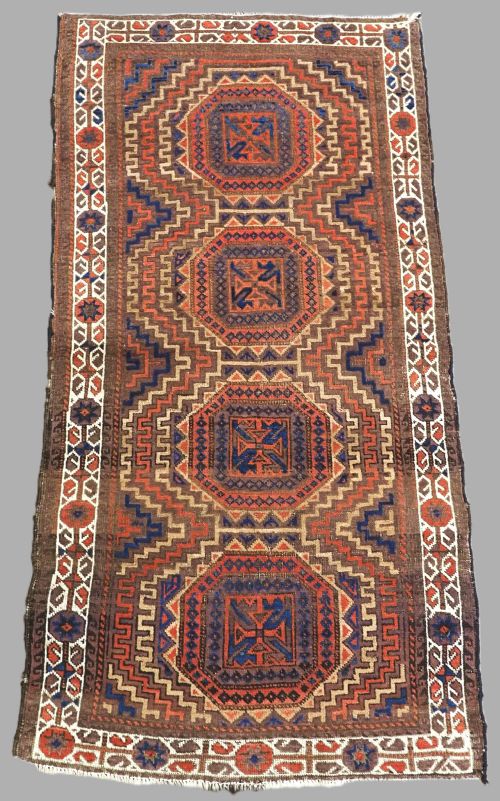
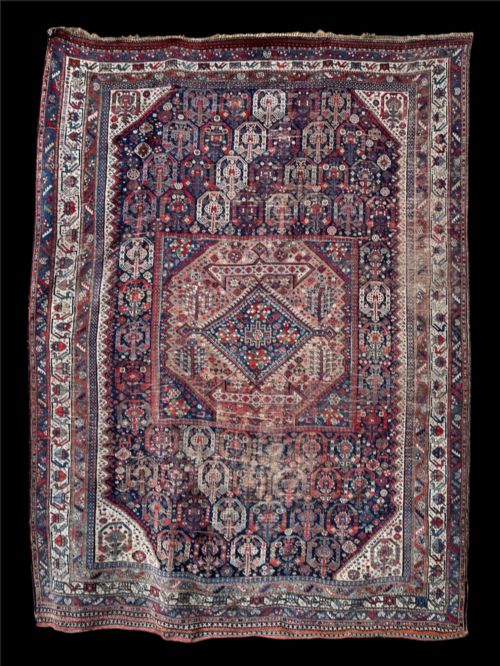
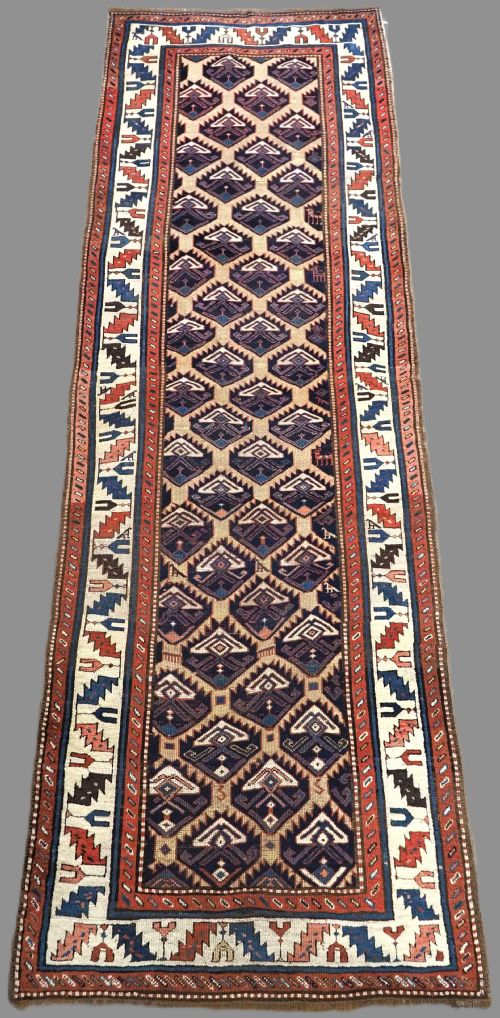
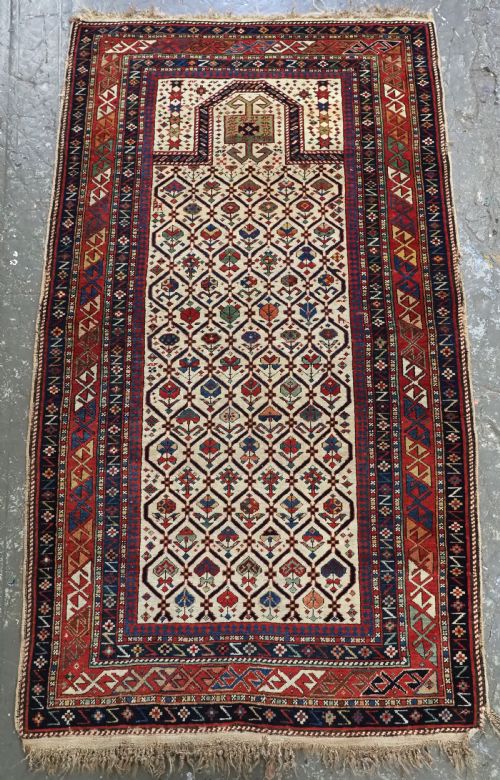
19th Century Tribal Rug
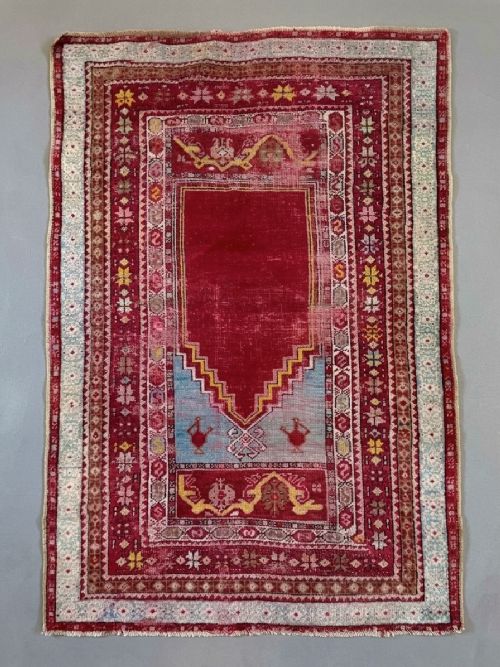
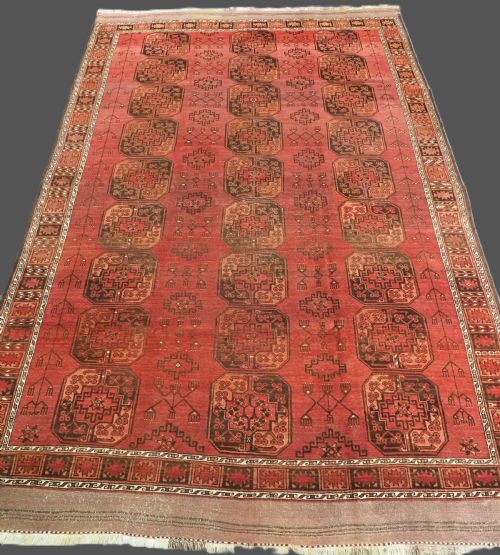
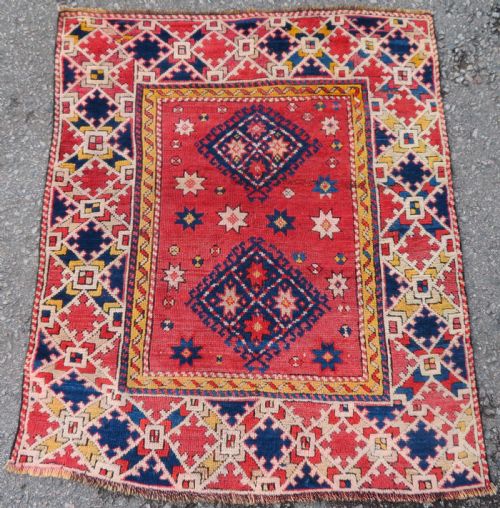
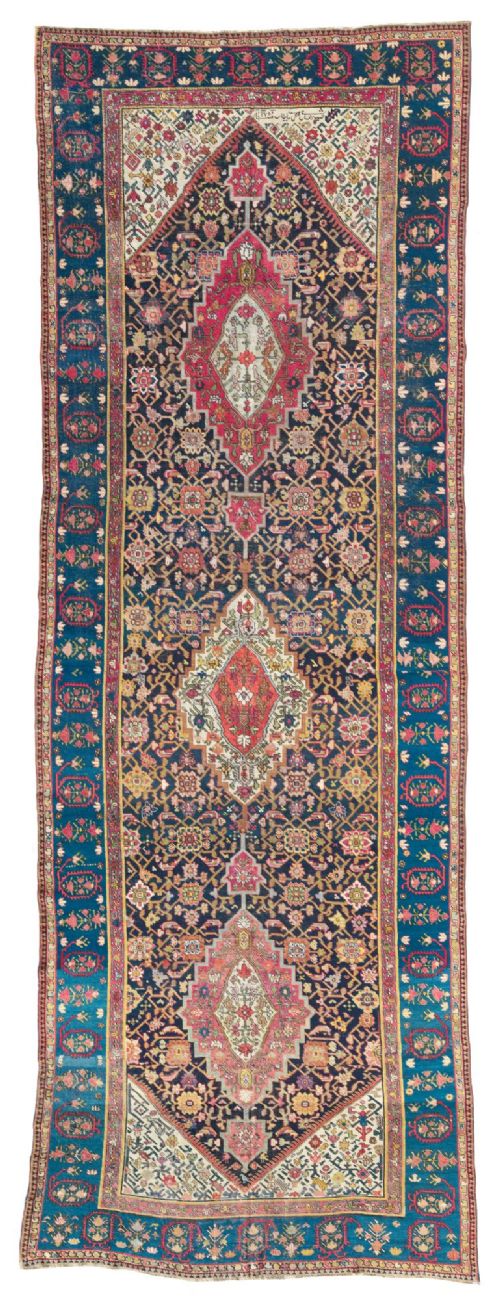
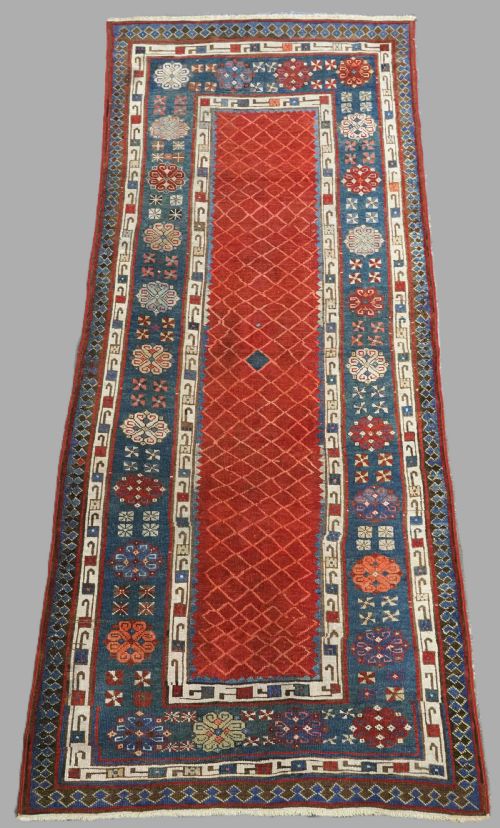
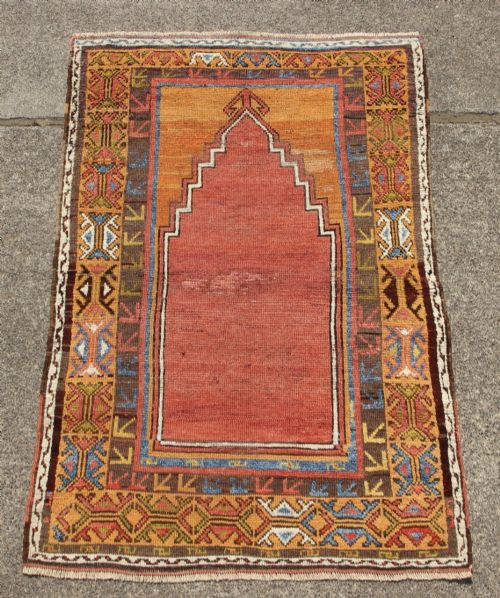
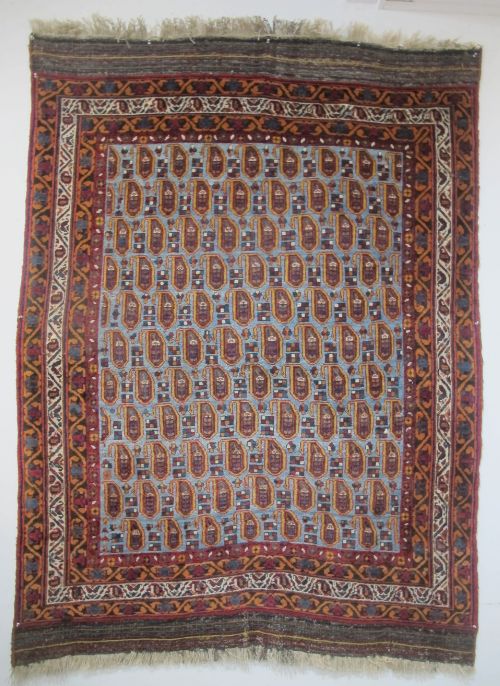
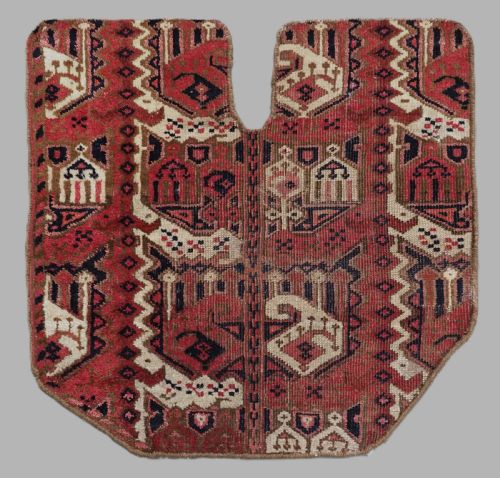
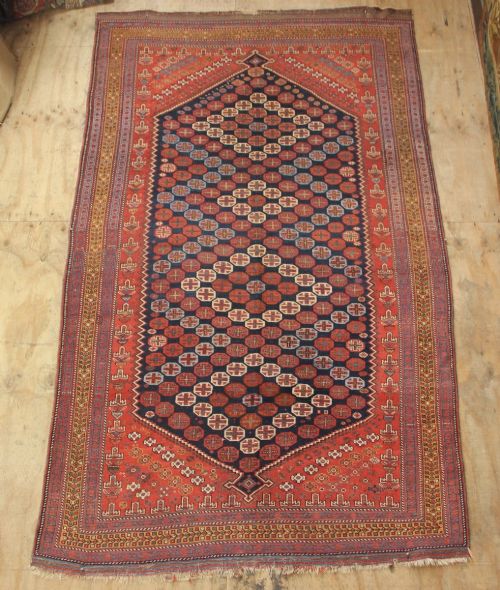
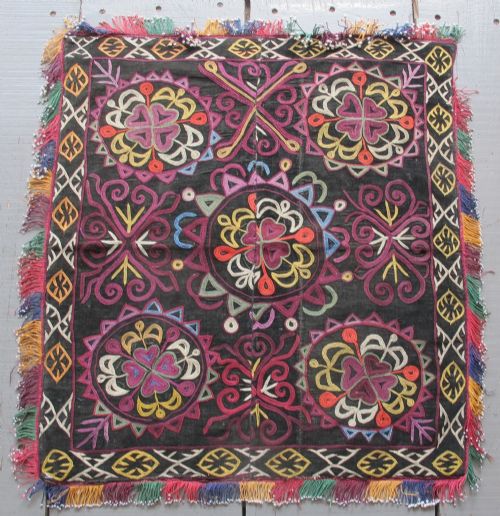
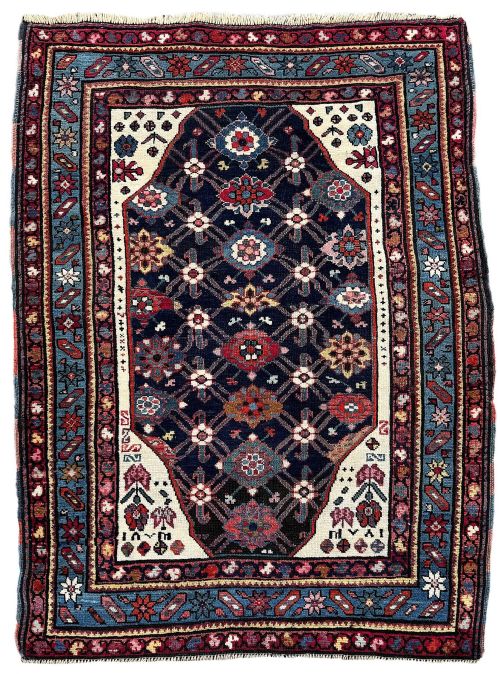
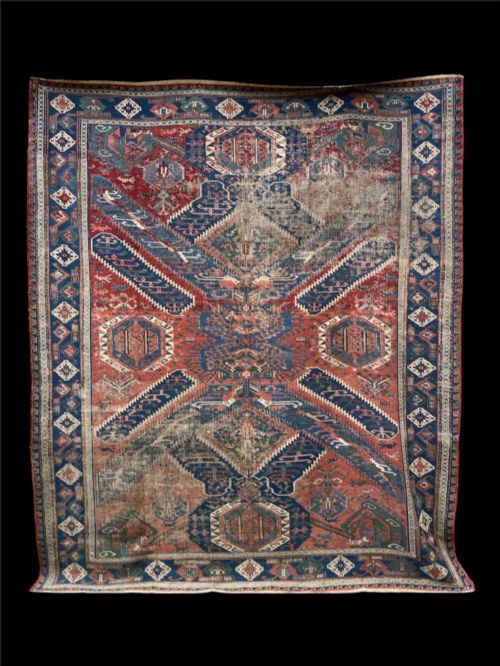
These pieces are a 19th century tribal rug, woven by nomadic and village makers across the Caucasus, Persia, and Central Asia.
19th Century Tribal Rug
A 19th century tribal rug originates from nomadic confederacies and village weaving traditions in regions such as the Caucasus, Persia, Anatolia, and Central Asia. Collectors encounter regional formats ranging from large main carpets and runner rugs down to smaller utilitarian bags and animal covers.
The designs draw upon centuries of tribal iconography, including geometric guls, lattice patterns, prayer mihrabs, and stylized animal motifs specific to groups like the Turkmen, Afshar, Qashqai, and various Caucasian weavers.
Materials and construction
These textiles rely primarily on hand-spun wool for the pile and foundations, occasionally supplemented by cotton foundations or silk and glass bead details in specific Central Asian embroideries.
Weavers utilised natural dyes to achieve deep palettes of reds, blues, and ivory, binding the wool fibres into durable hand-knotted pile or flatwoven structures.
19th Century Tribal Rug Retail Price Guide 2026
Typical asking prices for 19th century tribal rug among the pieces listed under this phrase on Sellingantiques today, from the lower quarter to the upper quarter. They describe what is for sale here now, not the wider market.
Several survival textiles retain spirited rows of small animal motifs woven directly into the field by makers observing their surrounding fauna.
Assessing quality in nomadic textiles
Quality rests upon the precision of the drawing and the saturation of the natural dyes, where skilled hands produce crisp geometric edges and harmonious colour shifts.
The density and handle of the weave dictate the tactile character of the piece, separating standard utility items from finely knotted tribal masterpieces.
The 19th Century Tribal Rug Glossary
- Gul
- A repeating octagonal or medallion motif used extensively by Turkmen and other Central Asian tribes to denote lineage or clan affiliation. These primary design elements anchor the central field of many carpets.
- Torba
- A small wall-hanging bag or storage sack woven by nomadic groups for domestic use inside a yurt or tent. They often display intricate subsidiary gul designs and expert knotting.
- Sumak
- A flatweaving technique where decorative pattern threads are wrapped around the warp threads before passing to the next, creating a durable structure with a ribbed face on the front.
- Suzani
- A large, decorative embroidered textile from Central Asia, traditionally worked in silk thread on a cotton or linen ground by village and nomadic women as part of a dowry.
19th Century Tribal Rug: Frequently Asked Questions
How were these rugs used originally?
Nomadic weavers produced these textiles for daily utilitarian functions inside tents and dwellings, utilising them as floor coverings, sleeping mats, doorway hangings, and storage bags for household possessions.
Over time, many of these functional items transitioned into domestic furnishings as settled communities and Western collectors sought out their distinct regional artistry.
How do I distinguish regional tribal styles?
Regional attribution relies on identifying specific structural traits, palette choices, and repeat motifs such as the octagonal guls of Turkmen groups or the hooked medallions characteristic of Caucasian Kazak and Karabagh weaving.
Familiarity with the distinct wool quality and knotting density of areas like South-West Persia or Anatolia further aids in separating one tribal workshop from another.
Can I use an antique rug on the floor?
Many of these sturdy wool textiles withstand regular foot traffic when paired with a quality conservation underlay that prevents slipping and reduces fibre friction.
Thinner utilitarian bags, fragile embroideries, and delicate saddle covers are better suited for wall display or low-traffic areas to preserve their structural integrity.
What does natural dye mean for these pieces?
Natural dye refers to colourants derived from plant, insect, and mineral sources prior to the widespread commercial introduction of synthetic aniline dyes in the late nineteenth century.
These organic pigments age with a characteristic softness and variation known as abrash, creating subtle tonal shifts across the surface of the wool.