
Antique Nomadic Textile
When you search for an antique nomadic textile, you enter a world of woven bags, horse covers, and tribal trappings made by pastoral groups.
Antique Nomadic Textile
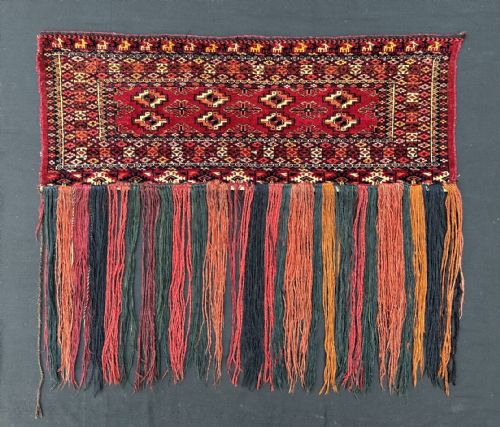
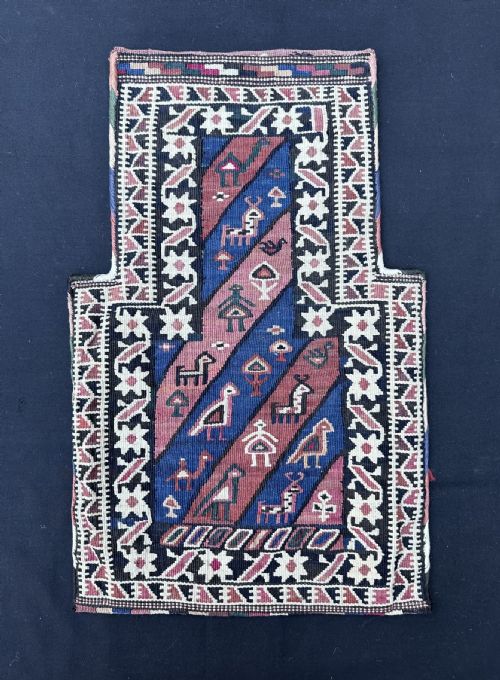
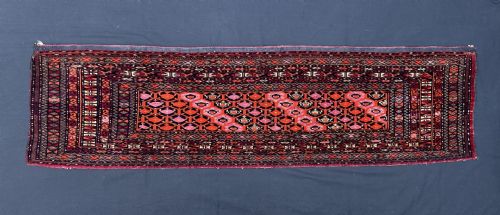
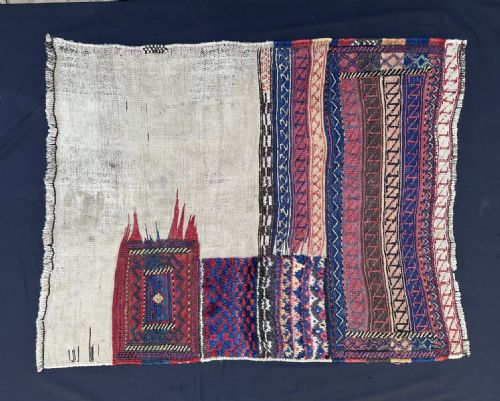
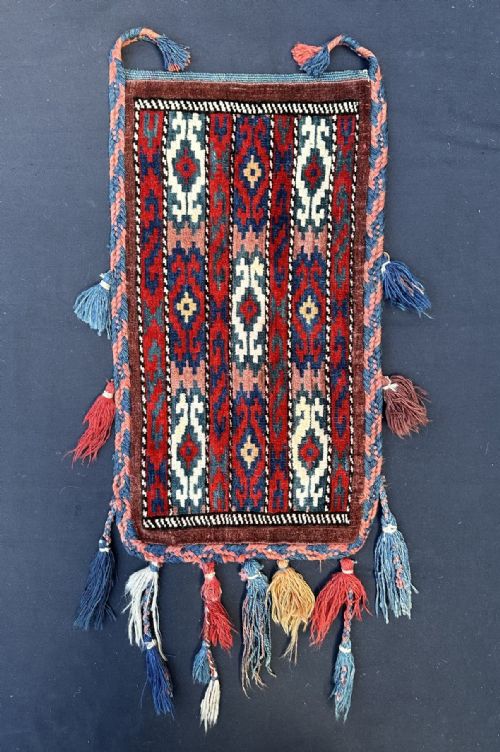
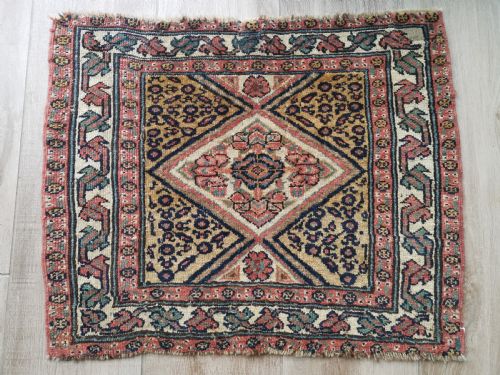
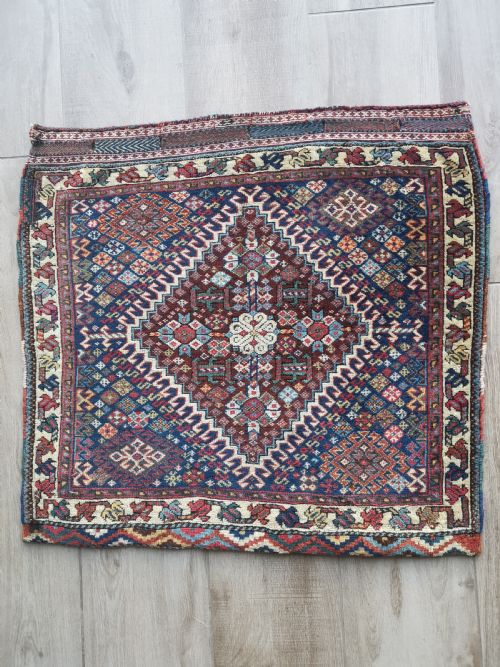
The material record spans the nineteenth and early twentieth centuries, featuring pieces attributed to tribal confederacies like the Qashqa'i, Yomut, Ersari, and Uzbek Lakai. These items reflect the mobile lifestyles of their makers, who integrated practical storage needs with distinct regional artistry.
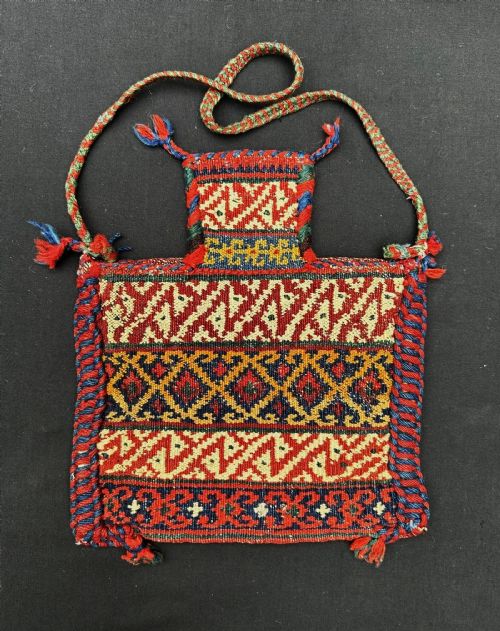
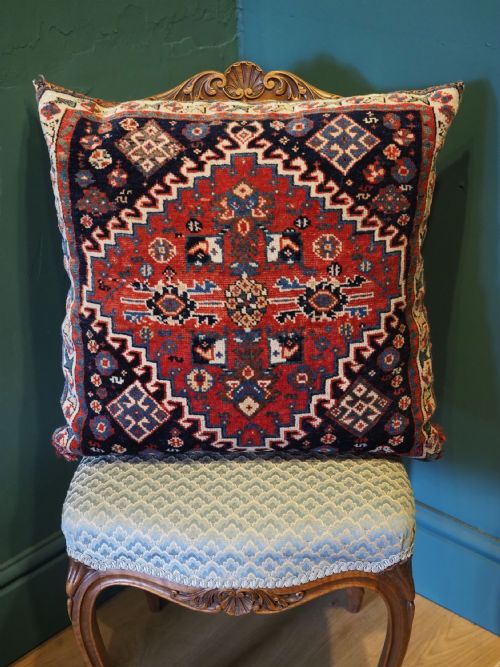
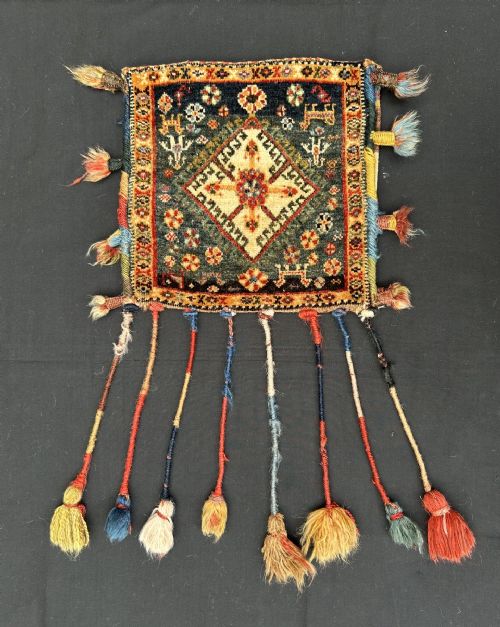
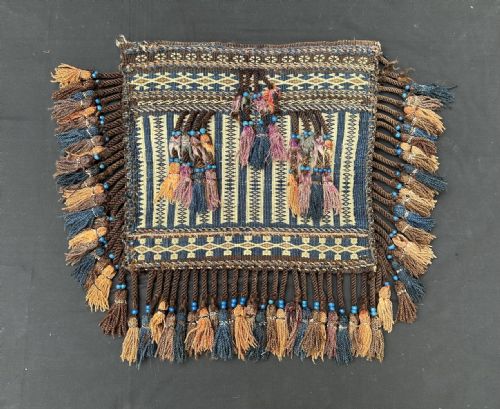
Forms range from small vanity bags and pipe pouches to large tent band covers and animal trappings. Each piece carries structural patterns specific to the weaving group that produced it.
Materials and construction
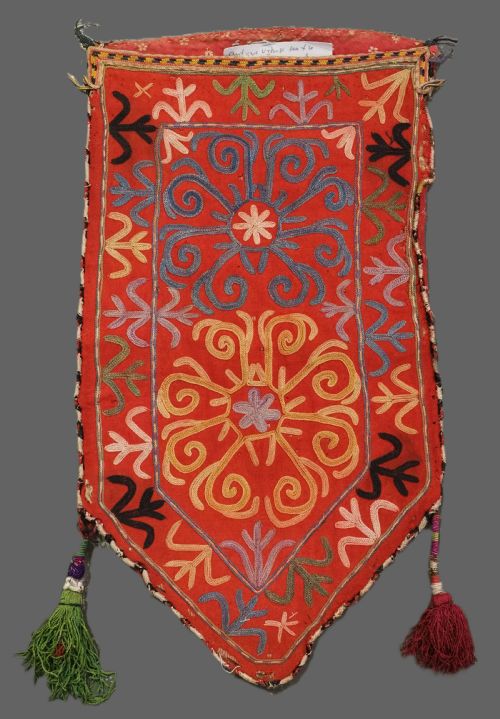
Makers relied primarily on hand-spun wool and cotton, utilising natural dyes to colour the yarns before weaving or embroidery. Certain ceremonial pieces incorporate felted wool or structural silk thread highlights.
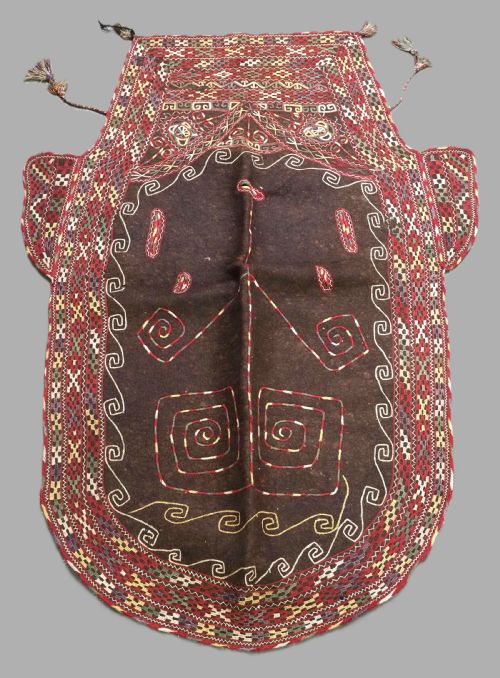
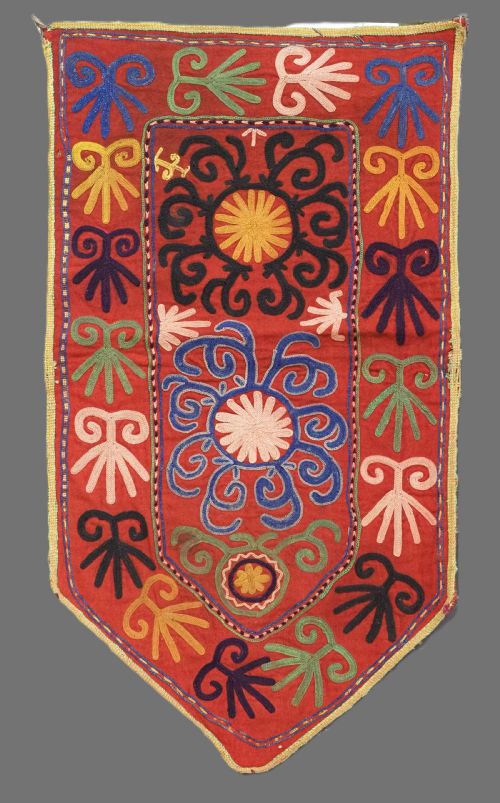
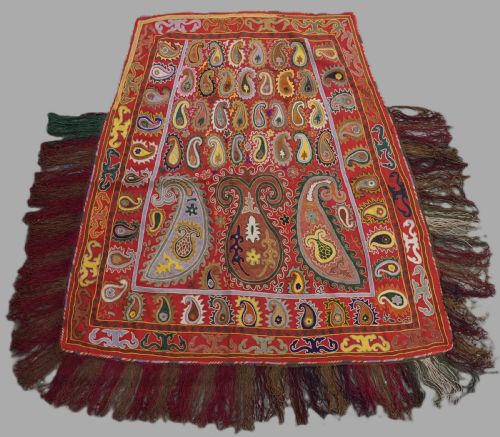
Construction methods combine flatweaving, pile knotting, and dense embroidery on felt or woven backings. The structural integrity depends on tightly packed wool foundations designed to withstand the rigours of pastoral migration.
Antique Nomadic Textile Retail Price Guide 2026
Typical asking prices for nomadic textile among the pieces listed under this phrase on Sellingantiques today, from the lower quarter to the upper quarter. They describe what is for sale here now, not the wider market.
Object forms include salt bags, vanity bags, horse blankets, and storage sacks originating from Persian, Turkmen, and Uzbek makers.
Markers of distinction
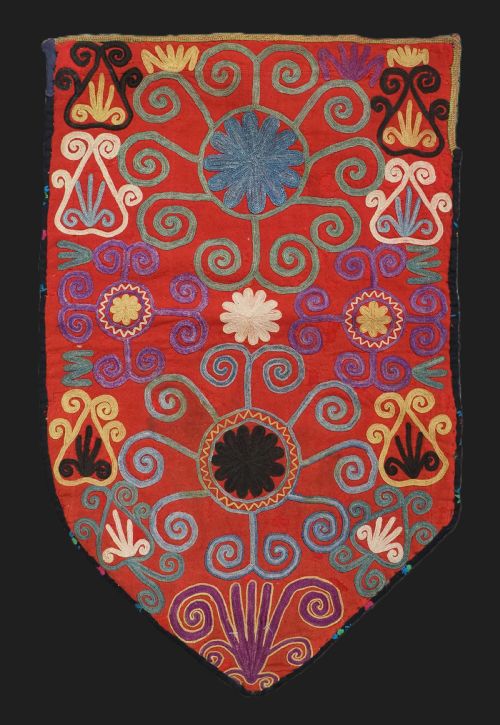
Quality rests on the density of the weave, the clarity of the natural dye palette, and the precision of tribal motifs. Pieces displaying crisp symmetry and varied iconography stand apart from simpler utilitarian examples.
The survival of original elements such as tassels, closures, and complete border systems elevates a textile's integrity. Intricate embroidery work, particularly on felt horse covers and storage bags, signals advanced handwork within the tribal tradition.
The Antique Nomadic Textile Glossary
- Asmalyk
- A ceremonial pentagonal camel trapping produced by Turkmen tribes, traditionally hung on the flanks of a bride's wedding camel.
- Chuval
- A large Turkmen storage bag used inside the yurt for household possessions, featuring a patterned face and plain flatwoven back.
- Jollar
- A Turkmen tent bag or trapping, typically wider than it is tall, used for storage or as a doorway decoration.
- Sofreh
- A flatwoven spread or cloth used for kneading bread or serving meals within nomadic communities.
- Tacheh
- A square storage bag or container produced by Lori-Bakhtiari and related tribal groups in western Persia.
Antique Nomadic Textile: Frequently Asked Questions
What is an antique nomadic textile?
An antique nomadic textile is a functional woven or embroidered object created by pastoral tribes in regions such as Persia, Central Asia, and Afghanistan during the nineteenth and early twentieth centuries. These pieces were made for daily camp life, transport, and ceremonial use.
Items include horse blankets, storage sacks, saddle bags, and animal trappings rather than conventional floor rugs. Each object bears the specific decorative vocabulary of the tribe that made it.
How were these textiles used?
Nomadic groups utilised these textiles for packing household goods, transporting belongings on animals, and decorating mounts during ceremonies. Bags held salt, tobacco, pipes, or personal items inside portable dwellings.
Larger covers and trappings adorned horses and camels during weddings and tribal gatherings. The construction directly served the practical demands of a mobile existence.
How do I care for a textile?
Protect wool and cotton textiles from direct sunlight to prevent natural dye fading, and keep them in dry environments away from dampness. Gentle vacuuming through a mesh screen helps remove surface dust without disturbing the fibres.
Avoid hanging heavy bags by isolated loops or weak attachment points to prevent structural strain. Professional textile conservators should handle any deep cleaning requirements.