



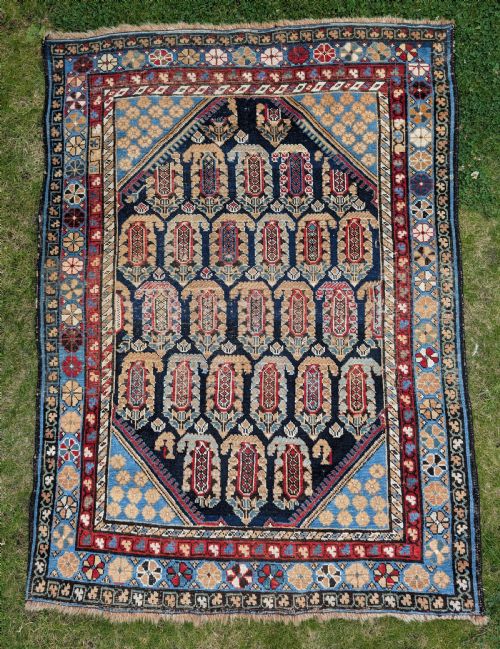
Vintage Tribal Area Rug
When you search for a vintage tribal area rug, you are looking at hand-woven floor coverings that bring genuine regional character and history into a room.
Vintage Tribal Area Rug
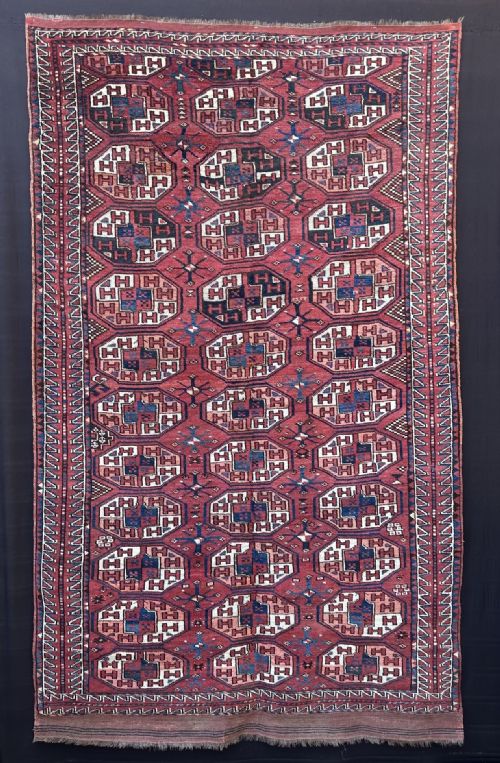
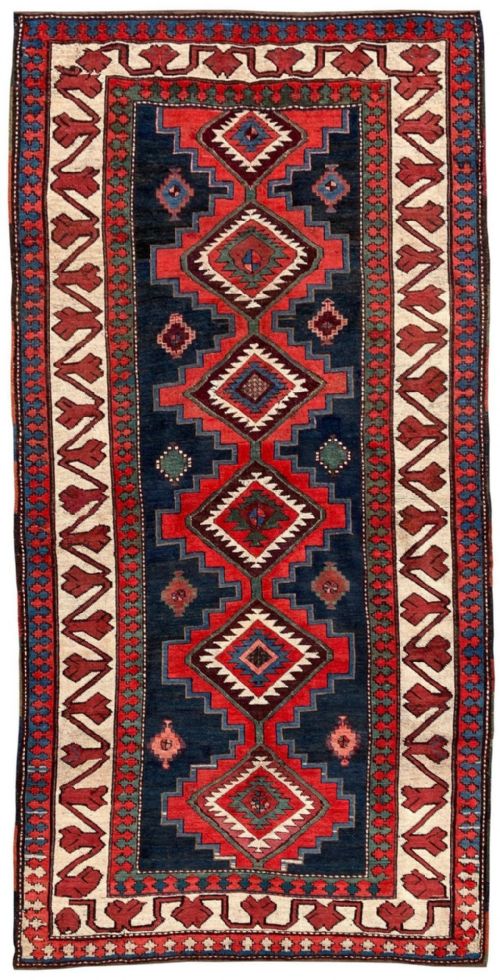
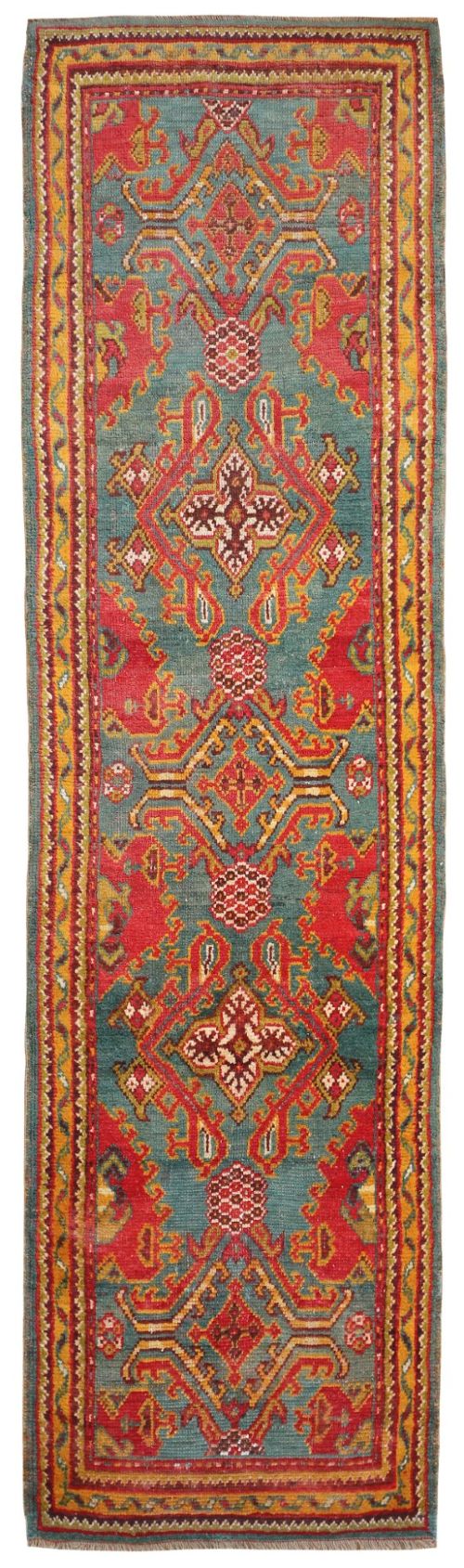
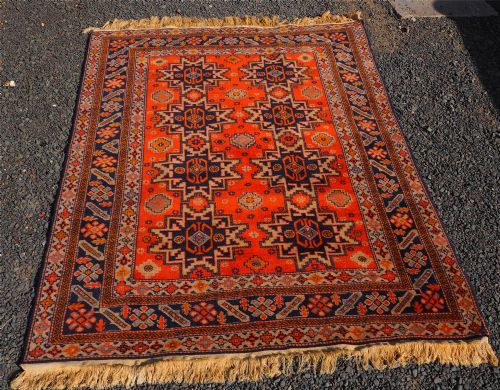
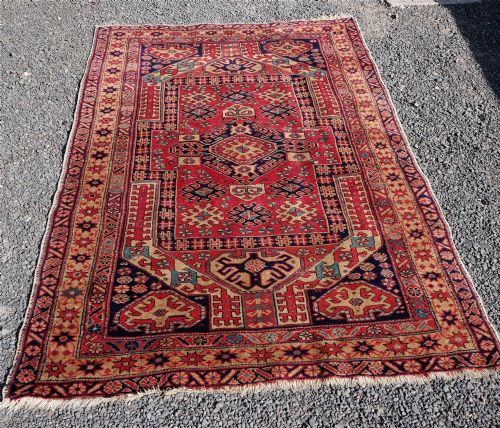
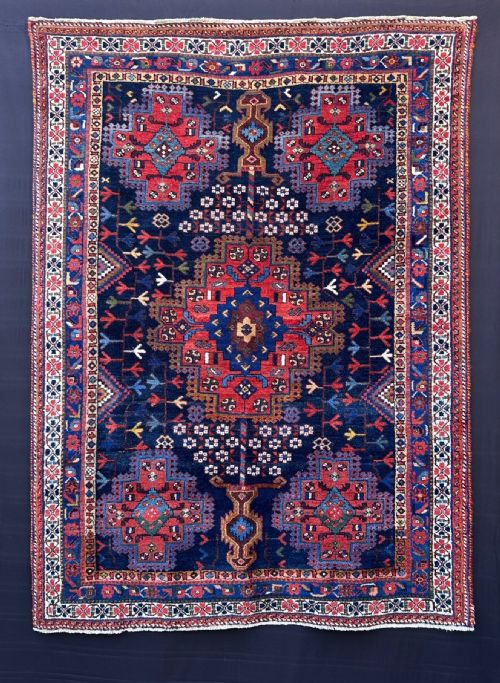
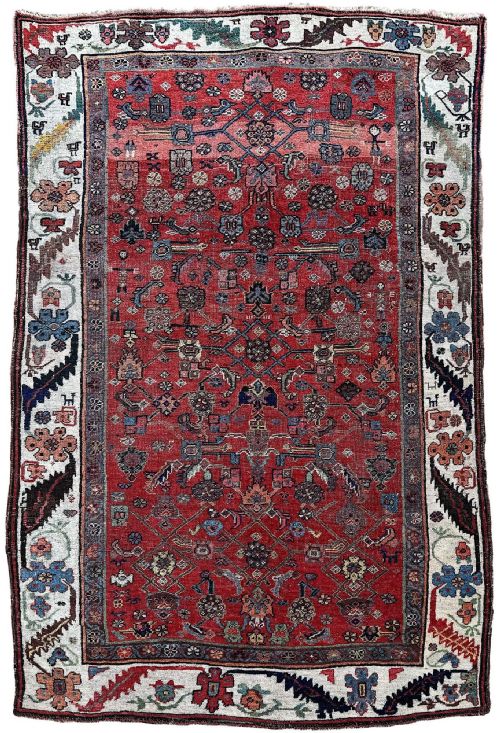
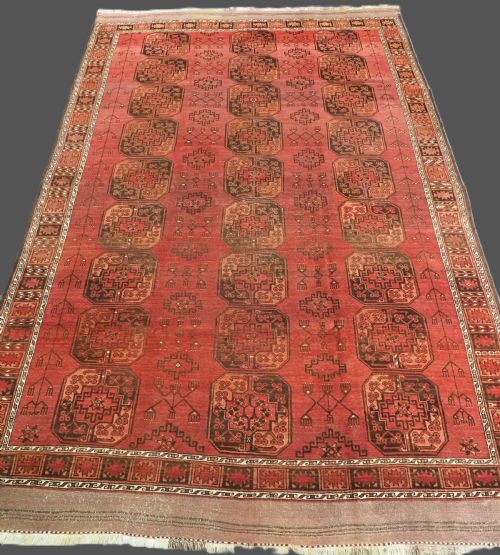
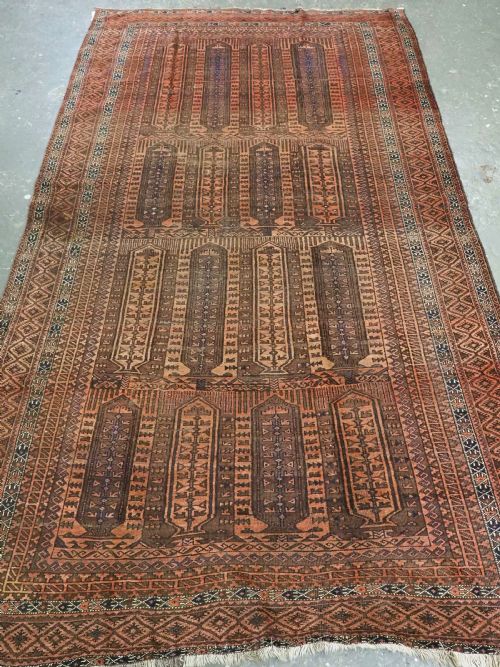
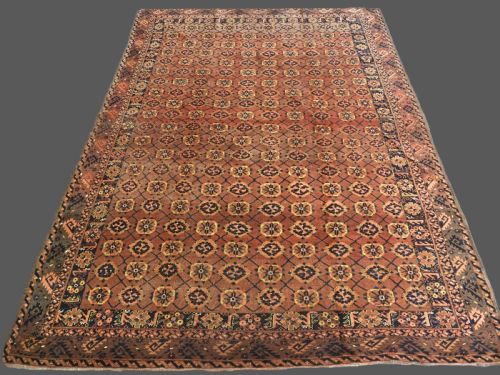
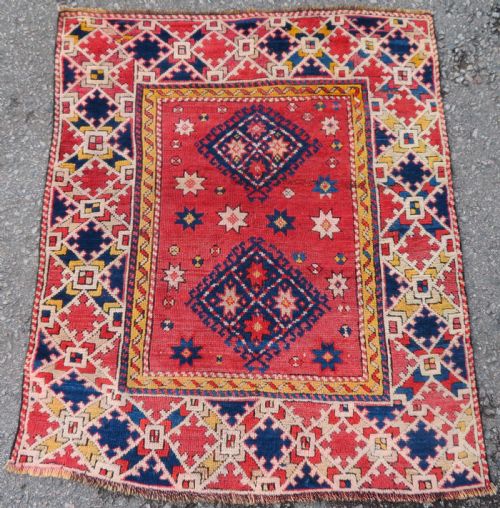
A vintage tribal area rug encompasses hand-woven carpets, runners, and kilims produced by village and nomadic weavers across Persia, the Caucasus, Anatolia, Turkmenistan, and Afghanistan. When you search for a vintage tribal area rug, you encounter pieces originating from distinct groups such as the Bakhtiar, Afshar, Kazak, Baluch, and Turkmen tribes.
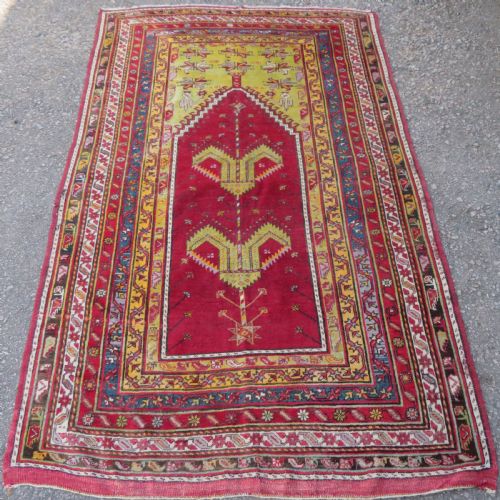
These textiles range in date from the nineteenth century through the early decades of the twentieth century, including pieces made around 1800, 1850, 1890, 1900, 1910, 1920, and 1930. The forms vary from hearth-sized small squares and prayer rugs to large main carpets and long runners suitable for hallways.
The aesthetic relies on traditional motifs, geometric patterns, and regional designs like the Kalam Donneh, pencil box, and cruciform medallions. These floor coverings served practical purposes in village and nomadic settings before entering the collector market.
How they were made
The construction of these floor coverings relies primarily on wool and cotton foundation materials combined with hand-spun wool for the pile. Weavers utilised natural dyes to achieve the warm reds, mellow colours, and varied palettes recorded in the pieces.
Specialised materials such as camel wool and camel hair appear in specific regional productions, adding distinct texture and natural colour variation to the fields. Each carpet is hand-woven using traditional village techniques passed down through generations.
Vintage Tribal Area Rug Retail Price Guide 2026
Typical asking prices for vintage tribal area rug among the pieces listed under this phrase on Sellingantiques today, from the lower quarter to the upper quarter. They describe what is for sale here now, not the wider market.
Some runners are recorded simply as hearth sized, ready to warm up the coldest stone fireplace in the house.
What varies in quality
The standard of a piece depends on the fineness of the knotting, the handling of the wool, and the depth of the natural dyes. Superior examples display tighter structural integrity and greater precision in executing traditional geometric or floral lattice designs.
The integrity of the original condition and the subtlety of the colour palette also separate standard village weaving from exceptional collector pieces. Pieces retaining their original borders, finishes, and uncompromised pile represent the higher end of the range.
The Vintage Tribal Area Rug Glossary
- Pile
- The upright yarn loops or cut ends that form the soft surface of a carpet. It provides the texture and protects the foundational weave underneath.
- Warp
- The stationary vertical threads stretched on the loom before weaving begins. The horizontal weft threads pass through these to form the structural grid.
- Weft
- The horizontal threads passed across the warp threads to secure the knots in place. Together, warp and weft create the stable foundation of the textile.
- Natural Dyes
- Colourants derived from plant, insect, or mineral sources rather than synthetic chemicals. They tend to age gracefully and develop a rich patina over time.
Vintage Tribal Area Rug: Frequently Asked Questions
What is a tribal rug?
A tribal rug is a textile woven by nomadic or village populations for domestic use or local trade, rather than in urban city workshops. These pieces typically feature characteristic regional motifs, geometric patterns, and traditional village designs.
They reflect the cultural heritage and lifestyle of the specific group or region where they were produced, utilising materials like hand-spun wool and natural dyes.
How do I date an old rug?
Dating an old rug involves examining the materials, dye types, construction methods, and design characteristics. Natural dyes and hand-spun wool generally point towards nineteenth-century or early twentieth-century production.
Stylistic markers, such as specific regional medallion layouts or structural traits like wool foundations, help narrow down the period of manufacture to decades like the 1890s or 1920s.
Where were these rugs made?
These textiles were produced across diverse regions including Persia, the Caucasus, Anatolia, Turkmenistan, and Afghanistan. Specific weaving groups such as the Afshar, Bakhtiar, Kazak, and Turkmen created rugs within their local communities.
Production took place in distinct areas like the Kerman province, the Kuba region, or specific tribal encampments and villages across Central Asia and the Near East.
How do I care for a vintage rug?
Caring for a vintage rug involves gentle maintenance such as regular light vacuuming without a rotating power brush. Keeping the textile out of direct, harsh sunlight helps protect the natural dyes from fading.
Professional cleaning tailored for antique wool textiles ensures that hand-spun fibres and natural colorants are preserved safely over the years of use.