







Antique Wool Runner Rug
An antique wool runner rug brings enduring texture and geometry to narrow corridors and long spaces.
Antique Wool Runner Rug
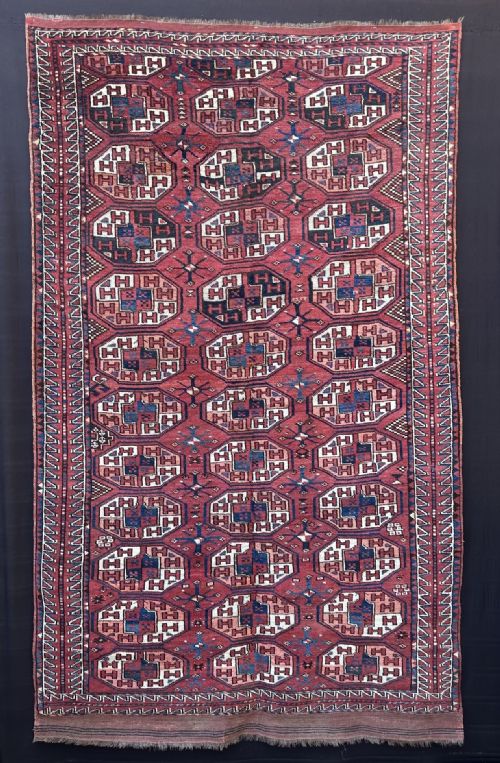
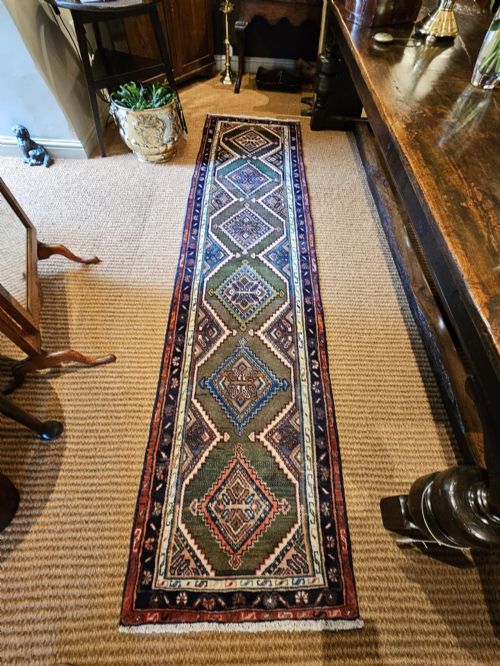
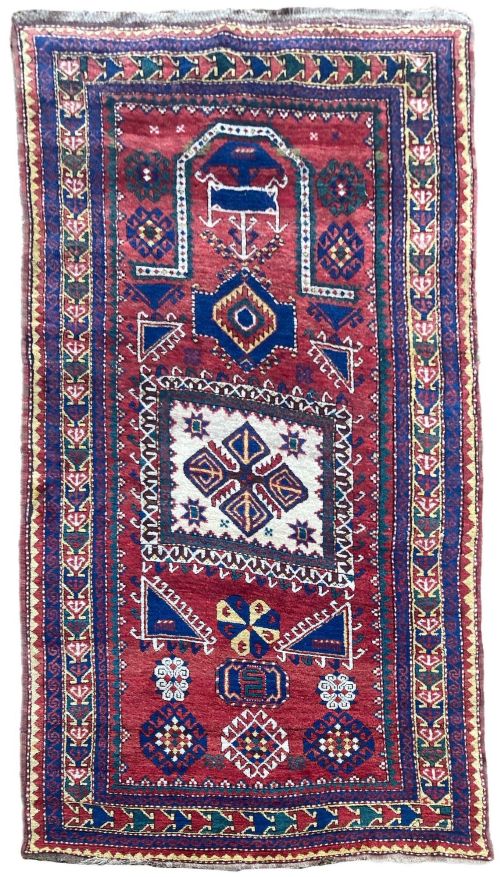
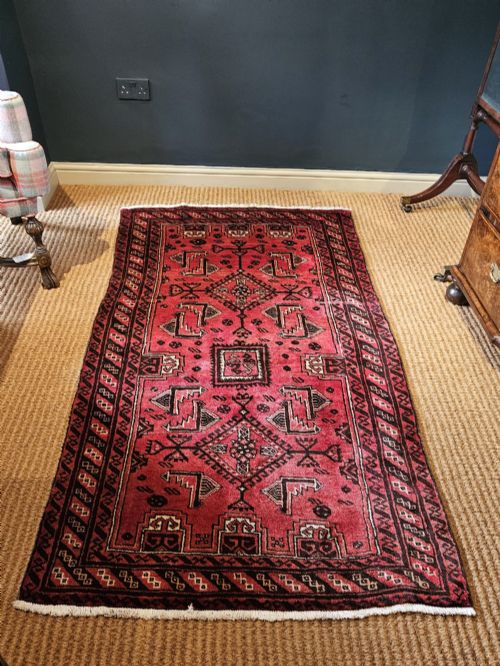
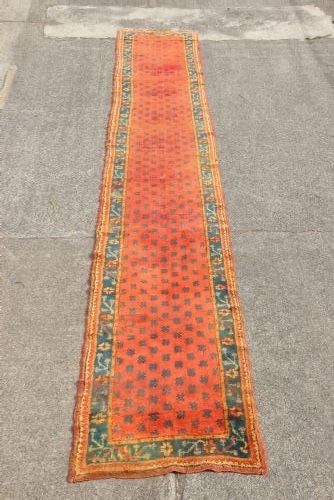
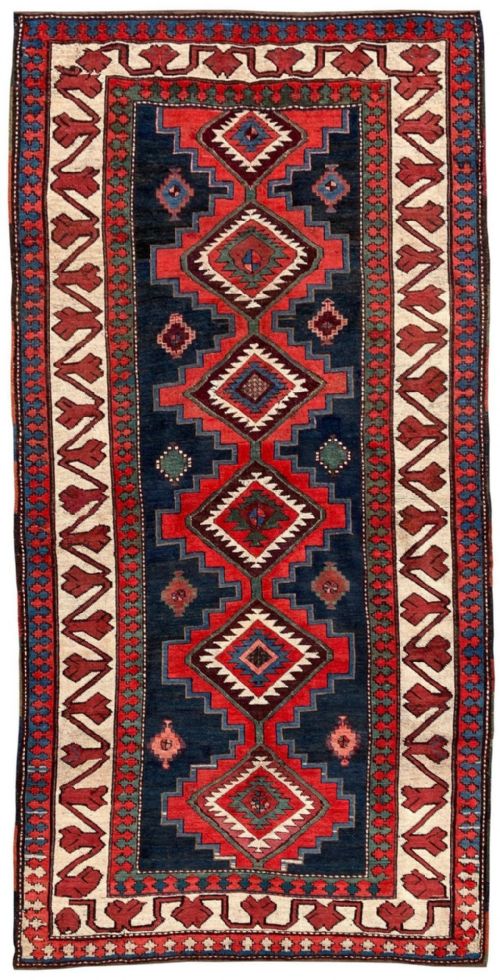
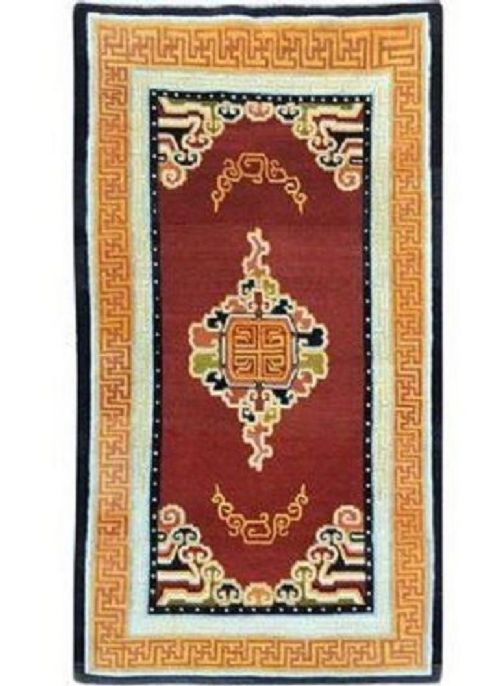
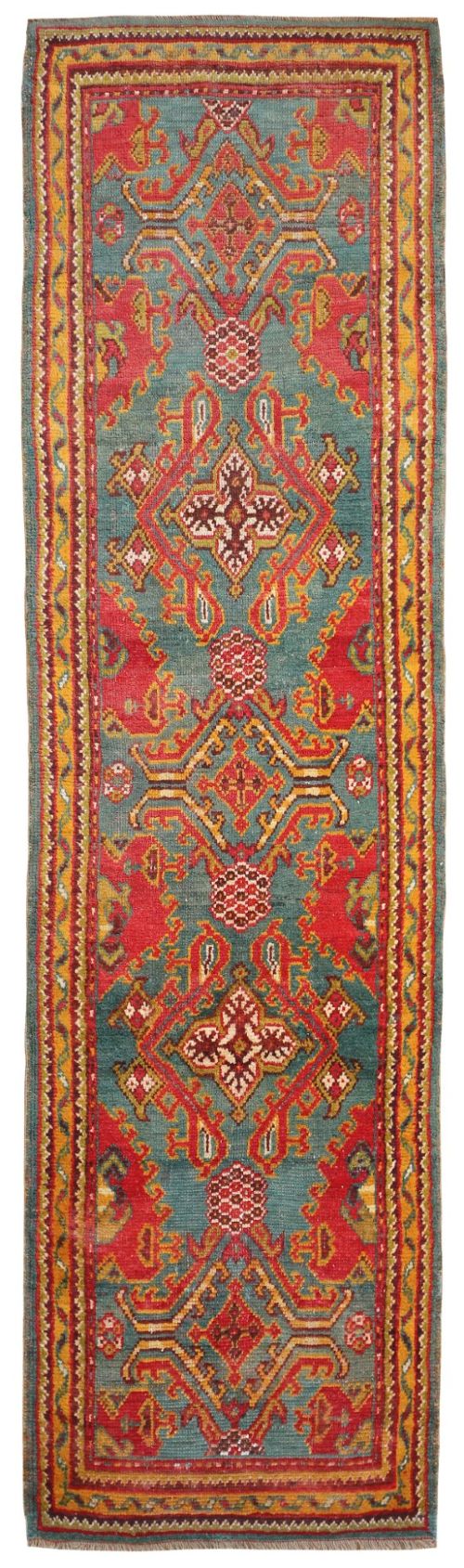
An antique wool runner rug is a long, narrow floor covering designed for hallways, corridors, and transitional spaces within a home. When you search for an antique wool runner rug, you encounter pieces that originate from Caucasian, Persian, Central Asian, and Kurdish weaving traditions. These textiles serve both a practical purpose in high-traffic zones and an aesthetic one by introducing rich colour and tribal patterns to architectural dead space.
The pieces available here span the late nineteenth century, including specific regional styles such as Kazak, Khamseh, Shirvan, Karabagh, Dagestan, and Turkmen. You find both flat-woven kilims and piled carpets featuring banded designs, hooked medallions, and tribal motifs. Each item reflects the distinct cultural aesthetics and knotting techniques of the makers who produced them over a century ago.
How they were made
These textiles rely entirely on natural wool for both the pile and the foundational structure. Weavers spun the wool by hand, creating durable threads capable of withstanding generations of foot traffic in busy domestic settings.
Production methods encompass both pile knotting and flat-weaving techniques such as kilim construction. Artisans applied traditional dyeing methods to colour the wool, resulting in the soft palettes and deep hues visible in banded and medallion designs.
Antique Wool Runner Rug Retail Price Guide 2026
Typical asking prices for wool runner rug among the pieces listed under this phrase on Sellingantiques today, from the lower quarter to the upper quarter. They describe what is for sale here now, not the wider market.
Some nineteenth-century weavers hid tiny asymmetrical tribal symbols in plain sight among the geometric bands.
What varies in quality
Quality in these textiles rests upon the density and precision of the weave. Finer weaves allow for sharper geometric definition in hooked medallions and complex banded patterns, showing greater control by the weaver over the loom.
The integrity of the wool and the longevity of the natural dyes also set examples apart. Superior pieces maintain structural strength and balanced proportions across their length despite heavy historical use.
The Antique Wool Runner Rug Glossary
- Runner
- A long, narrow carpet format specifically proportioned for hallways, staircases, and corridors. This shape directs movement and warms narrow wooden floors.
- Kilim
- A flat-woven carpet produced without a pile by tightly interweaving warp and weft strands. This technique creates a smooth, durable surface with crisp geometric patterns.
- Banded design
- A layout characterised by horizontal stripes or bands running across the width of the rug. These bands frequently contain repeating geometric motifs.
- Pile
- The upright yarn loops or cut ends that form the soft surface of a carpet. It provides cushioning and protects the structural foundation underneath.
Antique Wool Runner Rug: Frequently Asked Questions
Where should I place an antique wool runner rug?
These narrow formats suit hallways, landings, entryways, and corridors where standard rectangular rugs do not fit. They add warmth and visual interest to transitional spaces.
Ensure you use a suitable underlay to keep the textile secure on smooth wooden or tiled floors.
How do I clean an antique wool runner rug?
Regular gentle vacuuming without a rotating brush roll removes loose dust and grit from the wool pile. Avoid shaking or beating the textile, as this stresses the old foundation.
Professional specialist cleaning is necessary when deeper washing is required to protect the natural dyes and historical materials.
Are these runner rugs made from pure wool?
The pieces listed utilise wool for their construction, providing the natural resilience characteristic of tribal and village weaving traditions. This material handles daily foot traffic while retaining its texture.
Wool also accepts natural dyes deeply, contributing to the rich appearance seen across nineteenth-century examples.
How do I identify a Caucasian rug?
Caucasian pieces often feature bold geometric motifs, striking primary colours, and sharp lines rooted in regional tribal traditions. Look for distinct structures like hooked medallions and structured borders.
These characteristics separate them from the more curved floral patterns found in other weaving regions.