




Vintage Caucasian Rug
A vintage caucasian rug brings geometric discipline and rich secondary colour into a room through tribal hand-knotting.
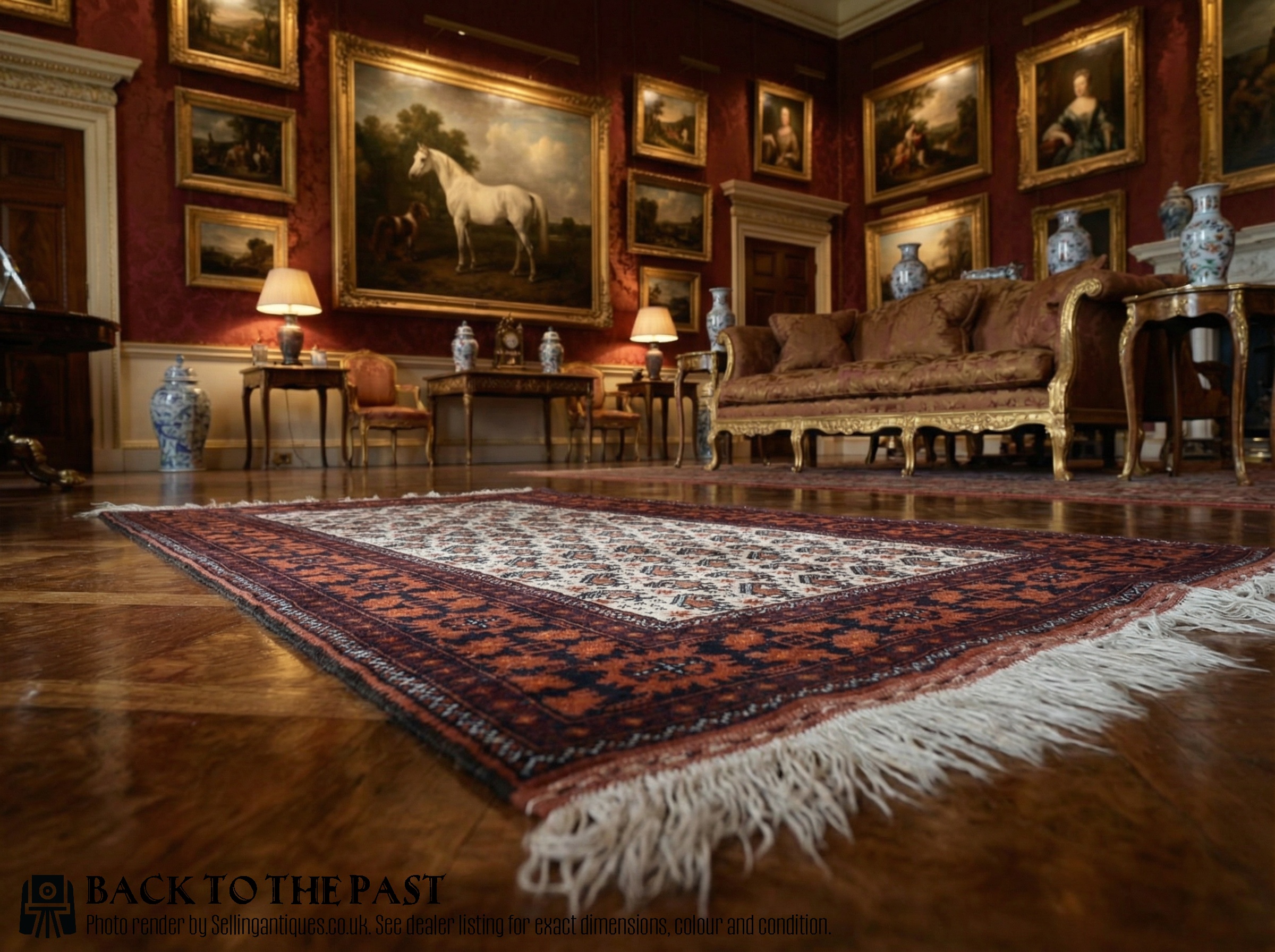
Vintage Caucasian Rug
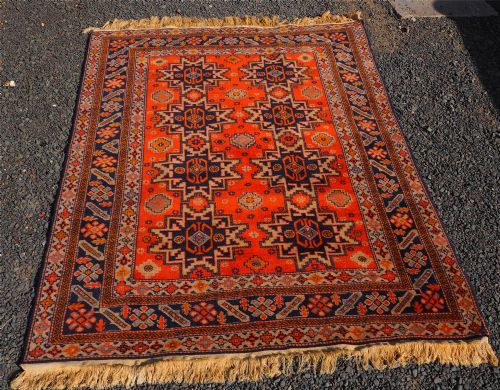
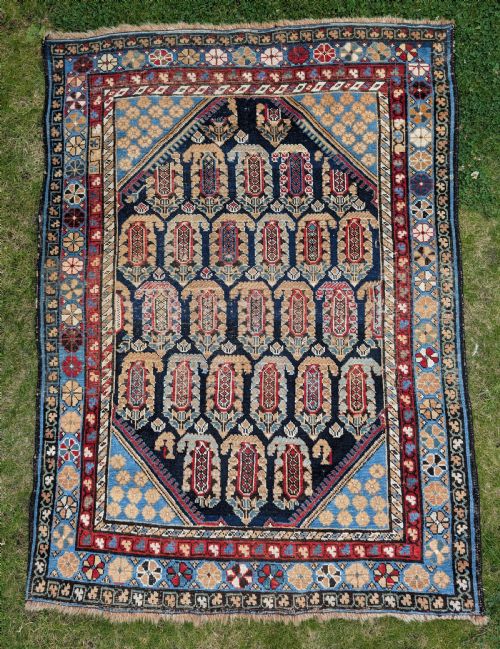
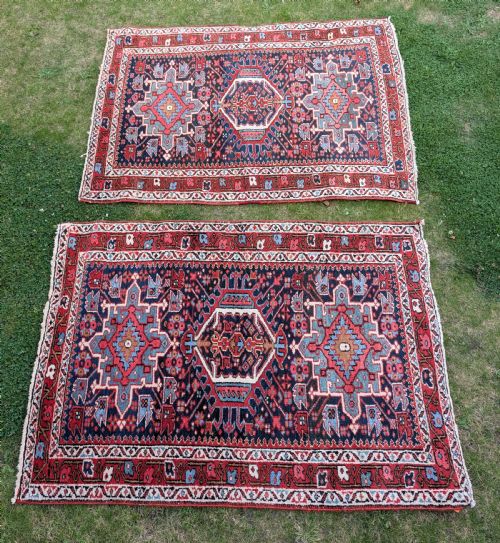
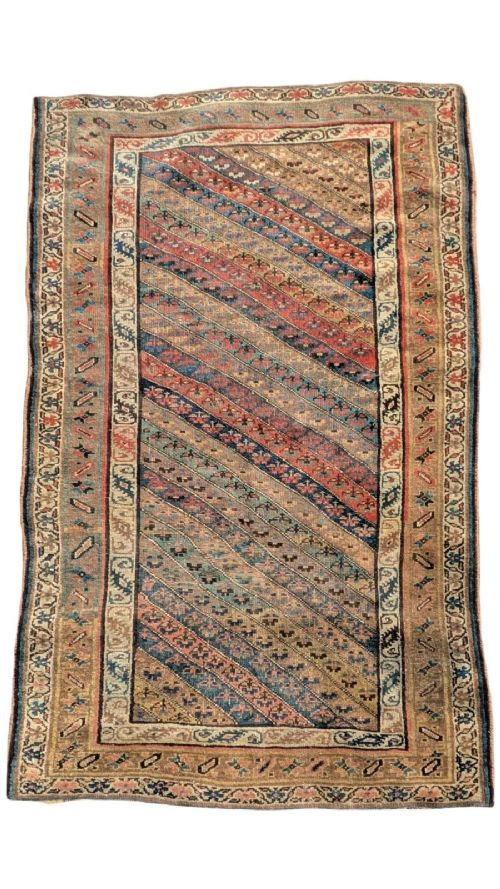
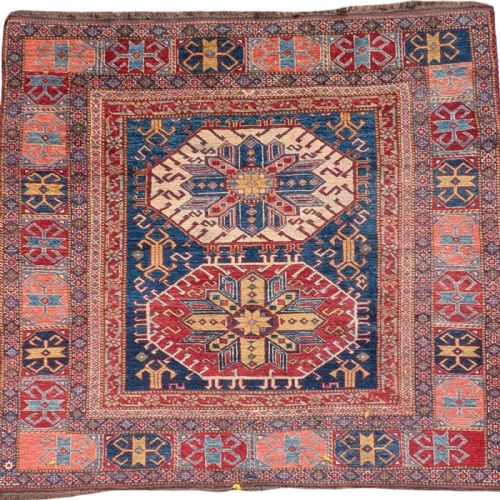
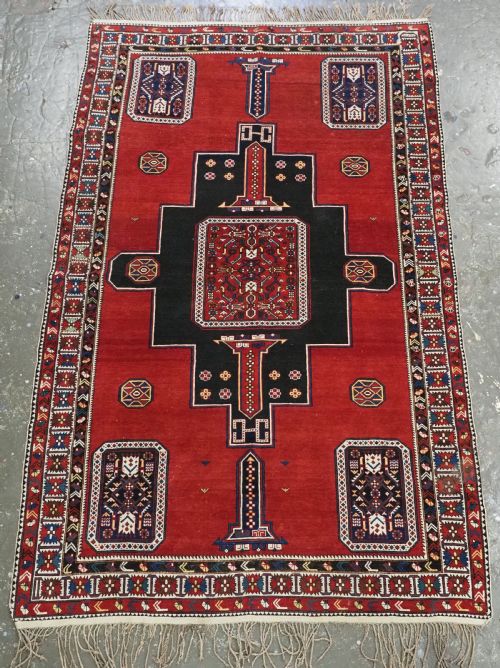
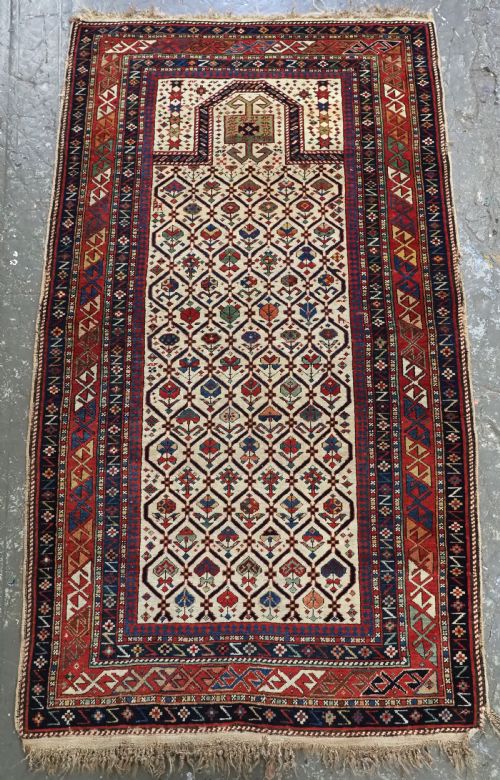
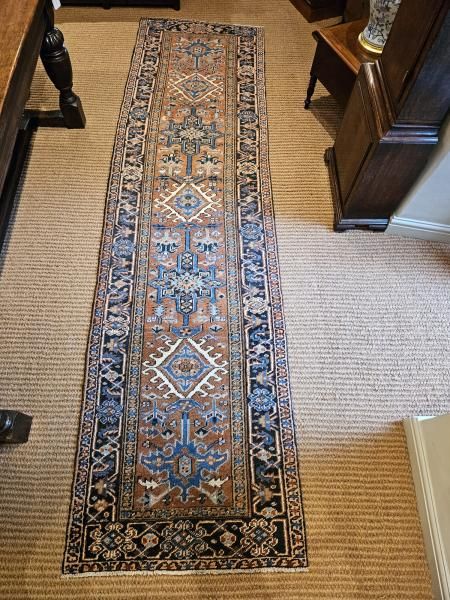
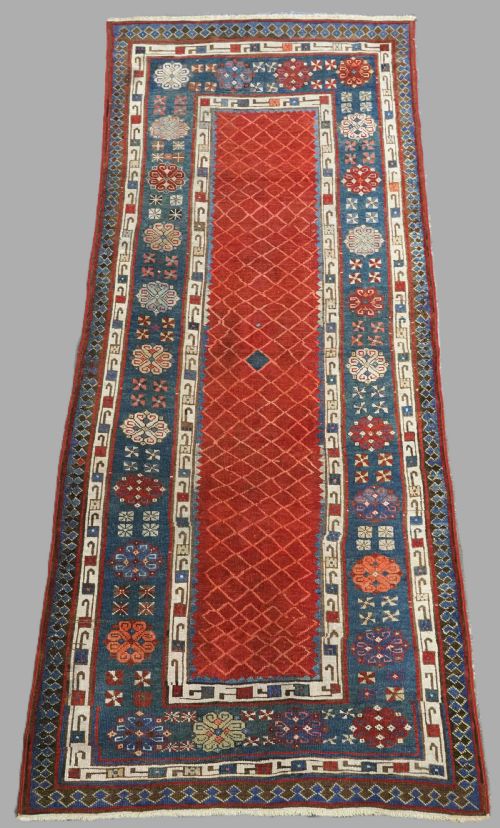
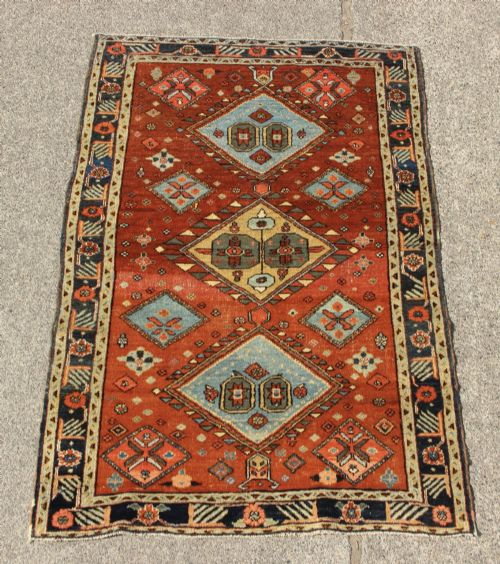
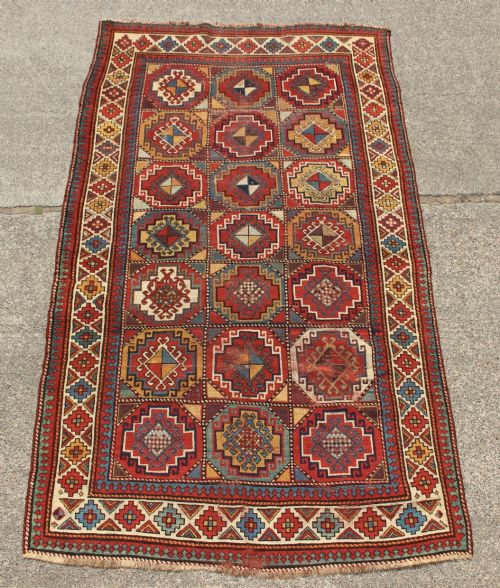
A vintage caucasian rug represents hand-knotted tribal textile production originating from the Caucasus region, spanning periods from the mid-nineteenth century to the early twentieth century. These floor coverings and long runners appear in forms such as Kazak, Daghestan, Shirvan, Karabagh, and Kuba, reflecting distinct regional weaving traditions.
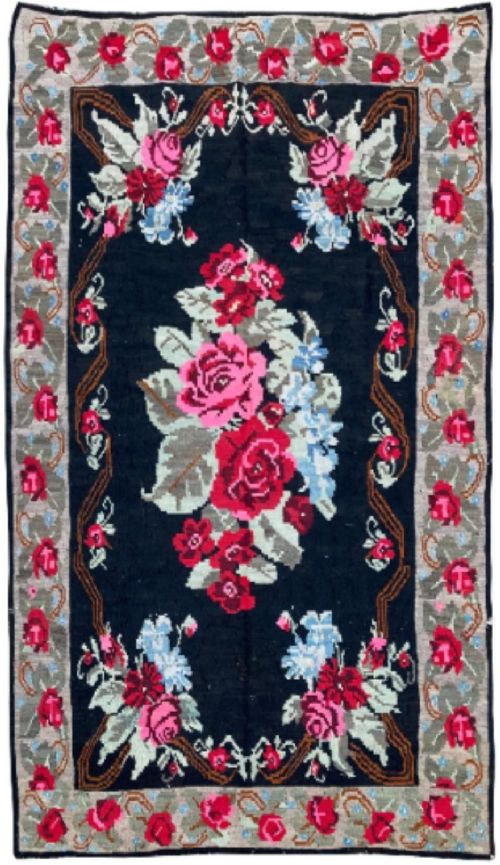
The buyer encounters scatter rugs, prayer rugs with niche designs, flatwoven kilims, and narrow hallway runners. Designs feature geometric medallions, cruciform motifs, animal figures, and floral lattices executed by nomadic or village weavers.
How they were made
Makers utilised hand-spun wool for the pile and structure, often combined with cotton foundations in later pieces. Natural dyes provided the saturated reds, blues, and yellows that define the visual weight of these textiles.
Weavers employed upright looms to knot wool yarn tightly around warps, finishing edges with overcast selvedges and securing ends with flatwoven fringes or braided tails.
Vintage Caucasian Rug Retail Price Guide 2026
Typical asking prices for vintage caucasian rug among the pieces listed under this phrase on Sellingantiques today, from the lower quarter to the upper quarter. They describe what is for sale here now, not the wider market.
Nomadic weavers frequently tucked tiny animal motifs and stray human figures into border corners as personal signatures.
What varies in quality
The crispness of drawing within geometric medallions and the complexity of tribal motifs determine the visual strength of an individual weaving. Finer knot density allows sharper delineation of intricate lattice patterns and animal figures.
Depth and harmony of colour depend on the purity of natural dyes and the consistency of hand-spinning in the wool. Intact original selvedges and balanced proportions distinguish superior examples from heavily altered specimens.
The Vintage Caucasian Rug Glossary
- Kazak
- A type of rug woven in the southern Caucasus known for bold geometric designs and saturated primary colours. These pieces typically display large medallions and heavy wool pile.
- Daghestan
- A northern Caucasian weaving style characterised by precise geometric lattice work and intricate floral or animal motifs. The palette tends towards cooler tones.
- Sumak
- A flatweaving technique that wraps supplementary weft threads around the warp to create a durable structure resembling embroidery. This method produces sturdy carpets without a traditional cut pile.
- Prayer Rug
- A textile featuring a distinct architectural mihrab or niche design intended to indicate direction during devotion. These formats often display specific regional borders and symbolic motifs.
- Kilim
- A tapestry-woven flat rug made without a pile by tightly interweaving warp and weft strands. These pieces offer lightweight versatility and flat geometric surfaces.
Vintage Caucasian Rug: Frequently Asked Questions
Where were these rugs made?
These textiles originate from the mountainous Caucasus region situated between the Black Sea and the Caspian Sea. Individual valleys and village centres developed distinct weaving dialects.
Specific towns and districts such as Kazak, Shirvan, Kuba, and Daghestan lent their names to specific design groups and structural methods.
How do I identify a Kazak rug?
A Kazak rug is recognised by its bold, large-scale geometric medallions, octagons, and animal figures rendered in deep reds, blues, and ivory. The pile is generally thick and the wool possesses a lustrous handle.
These pieces display an energetic asymmetry and robust proportions that set them apart from finer urban Persian workshops.
How do I care for an old wool rug?
Protect antique wool textiles by vacuuming gently without a rotating brush roll to prevent pulling the hand-spun pile. Rotating the placement periodically ensures even exposure to foot traffic and light.
Professional specialist cleaning is recommended to maintain natural dye stability and fibre integrity over decades of use.
What is a Sumak weave?
A Sumak weave is a flat-faced technique where coloured weft threads wrap horizontally across vertical warps. This produces a textured surface with exposed floats on the reverse side.
The resulting textile offers exceptional durability and crisp graphic definition without utilising a traditional cut pile.