




Caucasian Diamond Medallion Rug
A caucasian diamond medallion rug brings bold geometric motifs and rich wool texture straight to the floor.
Caucasian Diamond Medallion Rug
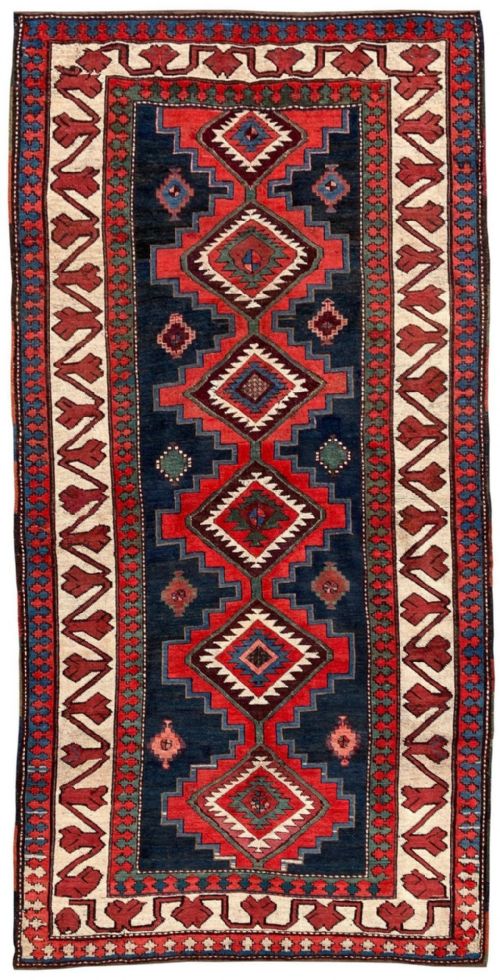
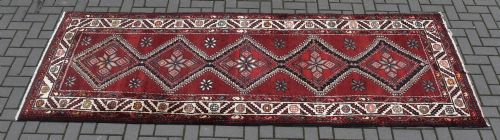
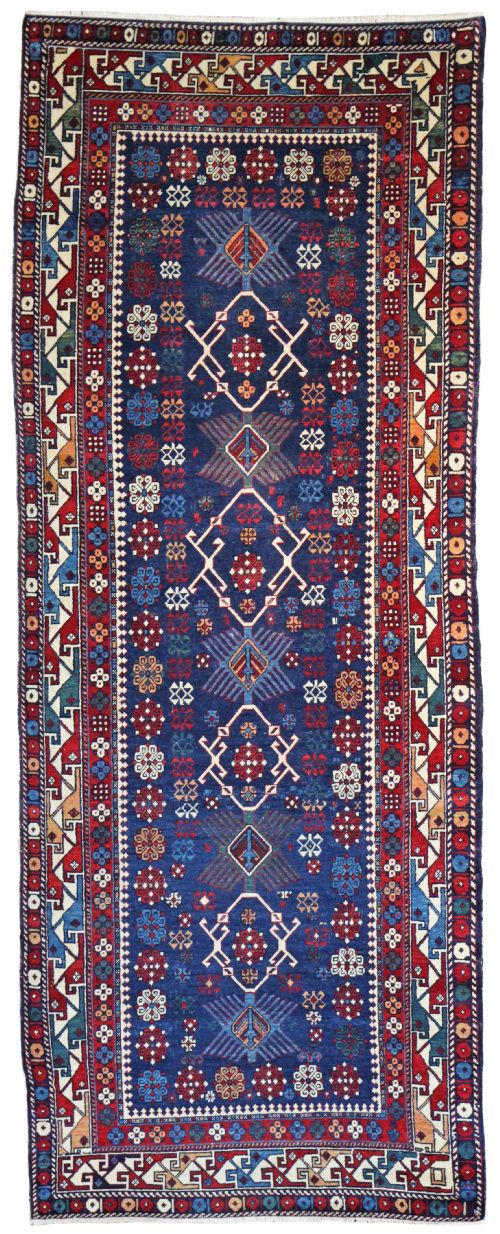
A caucasian diamond medallion rug groups together tribal and village weaving traditions from the Caucasus and neighbouring regions like Persia, spanning dates from the late nineteenth century to the early twentieth century. These pieces encompass formats ranging from standard scatter rugs to elongated runners designed for hallways, reflecting diverse tribal identities.
Buyers encountering this selection will most frequently find traditional wool pile rugs and runners featuring geometric layouts. The inventory includes specific regional types such as Kazak, Shirvan, Karabagh, Jaf, Sarab, and Erivan pieces alongside broader Kurdish village and tribal productions.
Materials and construction
These pieces are built using handwoven wool pile knotted onto sturdy cotton foundations, reflecting traditional regional techniques. The employment of durable wool ensures the dense, resilient surface expected from these historic village and tribal workshops.
Weavers utilised local materials to construct these runner rugs and carpets, resulting in strong physical structures that withstand heavy foot traffic. The combination of handwoven wool and foundational support defines the physical making of every piece in this range.
Listings span production dates from eighteen seventy to nineteen thirty, built from wool and cotton materials across runner and rug formats.
Assessing quality
The standard of a weaving is judged by the crispness of its geometric drawing and the handled weight of the wool. Tightly packed knots and saturated dye work elevate an example far above simpler village output.
Structural integrity of the foundation and evenness of the pile division distinguish finer pieces. Strong border execution and balanced proportions separate better village and tribal examples from ordinary production.
The Caucasian Diamond Medallion Rug Glossary
- Kazak
- A designated style of rug originating from the Caucasus, known for bold geometric medallions and bright primary colours. These pieces demonstrate strong tribal character.
- Runner
- A long, narrow carpet format traditionally utilised in hallways and corridors. This shape highlights repeating central motifs.
- Sarab
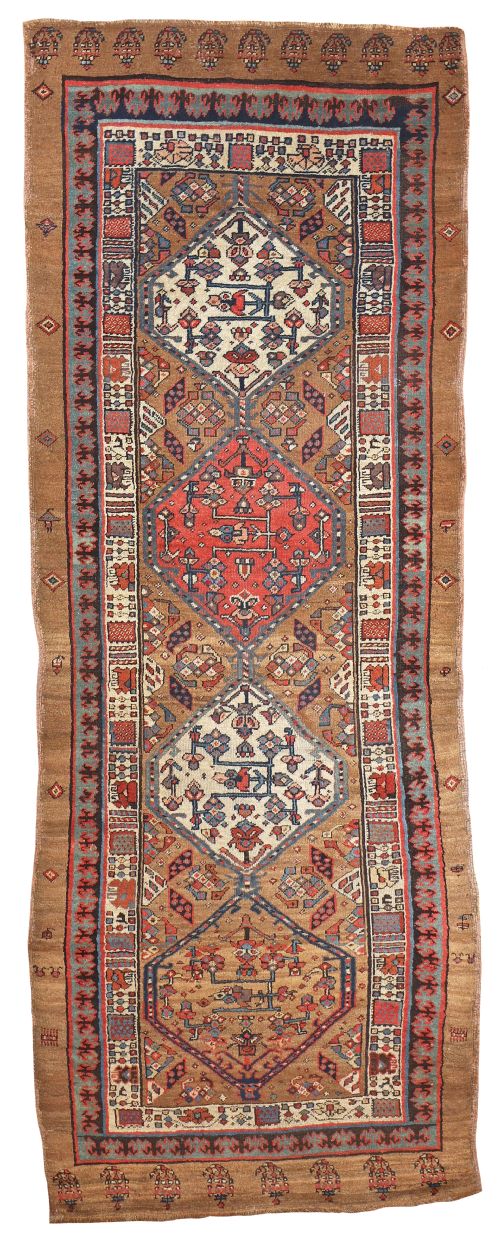
- A village production region in Persia famous for camel hair grounds and geometric runner formats. Sarab pieces often display camel hair tones.
- Pile
- The upright yarn surface of a rug formed by knotted wool fibres. Pile depth influences the tactile feel underfoot.
- Medallion
- A central ornamental design motif placed in the field of a rug. The diamond medallion forms the focal point of these geometric compositions.
Caucasian Diamond Medallion Rug: Frequently Asked Questions
What is a caucasian diamond medallion rug?
A caucasian diamond medallion rug is a handwoven wool textile featuring central geometric diamond motifs arranged along the field. These pieces originate from nineteenth and early twentieth century tribal and village workshops.
They reflect the traditional design grammar of weavers across the Caucasus and related Persian village districts. Each rug combines structural utility with distinct regional patterns.
How were these rugs used originally?
These textiles served practical functions on the floors of village homes, nomad tents, and formal interiors. Runners specifically lined hallways and long corridors to insulate stone or wood flooring.
Heavier carpets provided warmth and colour to living spaces while denoting the status or tribal affiliation of the maker. Their dense wool pile was engineered for daily domestic wear.
How do I live with an antique rug?
Living with an antique wool rug involves placing a breathable underlay beneath it to prevent slip and reduce friction against the floor. Regular gentle vacuuming without a rotating brush roll keeps the pile clean and free of abrasive grit.
Keep these textiles away from prolonged direct sunlight to protect the natural dyes from fading unevenly. Rotating the piece periodically ensures even wear across high-traffic zones.
How are different regional types told apart?
Regional types are distinguished by their specific colour palettes, border structures, and geometric drawing styles. Kazak pieces often show large primary medallions, while Sarab runners frequently use camel hair tones and repeated Herati or geometric field patterns.
Examining the weave density and foundation materials also helps attribute a rug to specific groups such as Kurdish, Jaf, or Shirvan makers. Each district maintained distinct design vocabularies passed down through generations.