
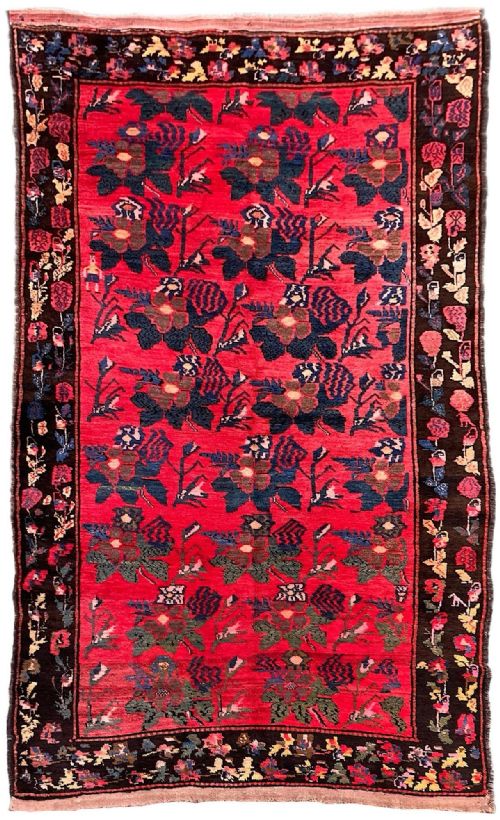


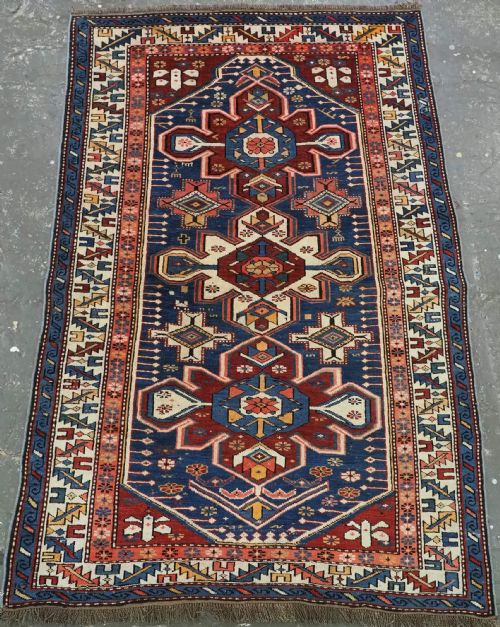


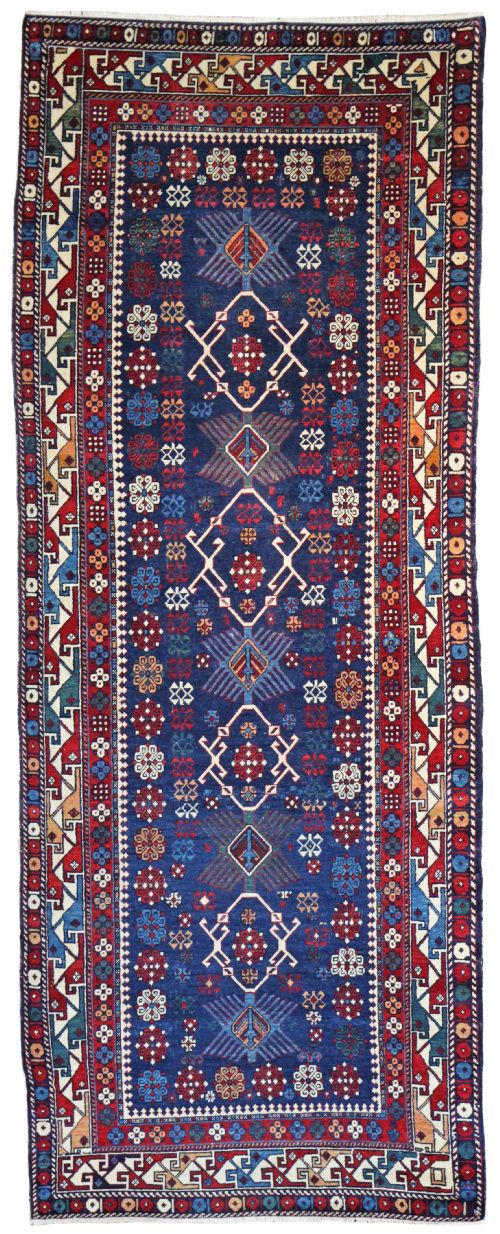


Antique Armenian Rug
An antique armenian rug brings dense tribal geometry and saturated wool pile into a room, offering rich Caucasian colour.
Antique Armenian Rug
An antique armenian rug sits within the broader weaving traditions of the Caucasus, sharing motifs with Karabagh and Erivan work. These floor coverings range from runner rugs to square area formats featuring tribal medallions and geometric symbols.
The pieces on this page span several decades from the late nineteenth century to the early twentieth century. You will encounter Erivan runners, Karabagh kilims, and Kazak carpets bearing characteristic regional layouts.
How they were made
Every piece listed in the evidence uses wool for its pile and structural foundation. Weavers knotted or wove these textiles by hand on vertical looms using traditional regional techniques.
Dyes derived from natural sources provide the saturated ground colours, including scarce yellow fields and warm soft tones. The construction relies on durable wool yarns designed to withstand generations of floor use.
Antique Armenian Rug Retail Price Guide 2026
Typical asking prices for armenian rug among the pieces listed under this phrase on Sellingantiques today, from the lower quarter to the upper quarter. They describe what is for sale here now, not the wider market.
The site listings feature wool rugs and carpets spanning production dates from 1870 through to 1930.
What varies in quality
The distinction between standard examples and finer pieces lies in the precision of the knotting and the complexity of the design layout. Finer rugs display crisp geometric outlines in medallions, cloudbands, or key-hole motifs.
Colour saturation and the survival of a scarce ground hue also determine desirability. Pieces retaining rich, uncompromised wool pile stand apart from those with heavy wear.
The Antique Armenian Rug Glossary
- Karabagh
- A regional weaving centre in the Caucasus known for distinct medallion designs and kilim flatweaves. Karabagh pieces often incorporate floral or cloudband elements.
- Erivan
- A specific origin area within Armenia associated with runner formats and room-sized carpets. Erivan rugs frequently utilise warm soft tones and striking ground colours.
- Kazak
- A style of Caucasian rug characterised by bold geometric medallions and tribal iconography. Kazak pieces are woven with thick wool pile.
- Kilim
- A flatweave textile made without a pile by tightly interweaving warp and weft threads. Kilim constructions yield a lighter, reversible floor covering.
- Medallion
- A central ornamental motif set into the field of a rug. Medallion designs structure the geometry of Caucasian carpets.
Antique Armenian Rug: Frequently Asked Questions
Where were these rugs made?
The pieces originate from the Caucasus region, specifically encompassing areas such as Karabagh and Erivan in Armenia. Local workshops and tribal weavers produced them using traditional regional designs.
Production dates recorded in the evidence cluster around the late nineteenth and early twentieth centuries, reflecting established local weaving traditions.
What materials are used?
The evidence records wool as the sole material for these rugs and carpets. Wool forms both the soft pile and the underlying structural foundation of each piece.
Natural dyes applied to these wool yarns create the saturated ground colours and distinct regional palettes seen across the inventory.
How do I identify a Karabagh rug?
Karabagh rugs display specific regional layouts, often featuring large medallions, cloudband motifs, or kilim flatweave constructions. Their design vocabulary connects them directly to the Karabagh area.
Looking at the listed titles helps isolate these specific Karabagh patterns from neighbouring Caucasian styles like Kazak or Erivan work.
How do I live with an antique rug?
Place these wool rugs in areas with moderate foot traffic to preserve the integrity of the hand-knotted pile. Using a suitable underlay prevents slip and reduces friction against hard flooring.
Keep the textiles away from direct, harsh sunlight to protect the natural dyes from fading over time.