




Red Caucasian Carpet
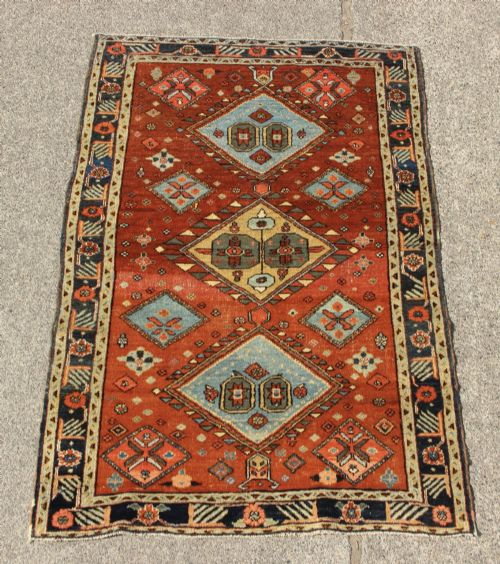
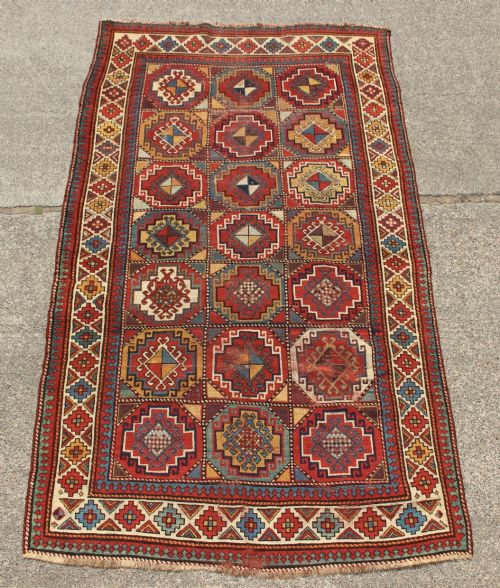
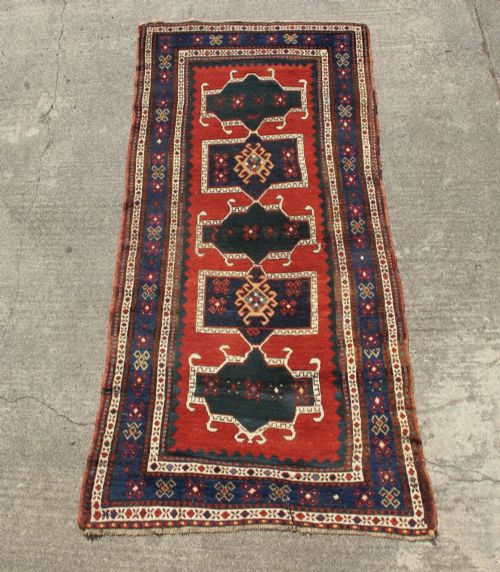
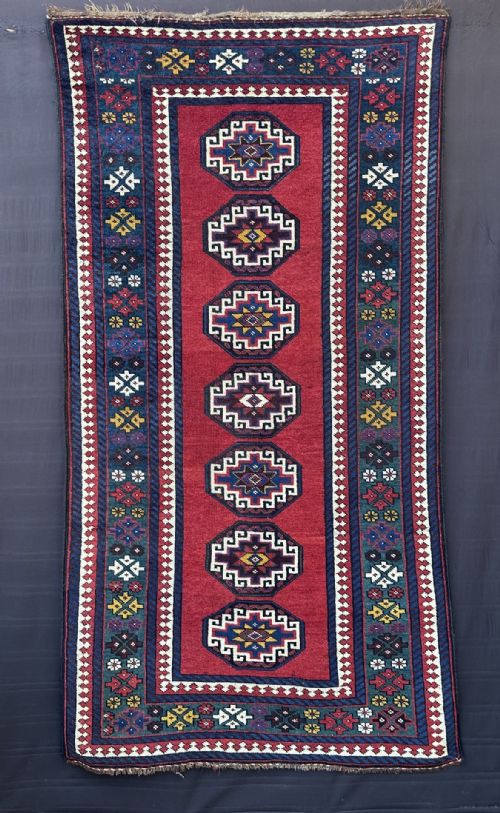
A red caucasian carpet brings structured tribal geometry and deep saturated tones into a room.
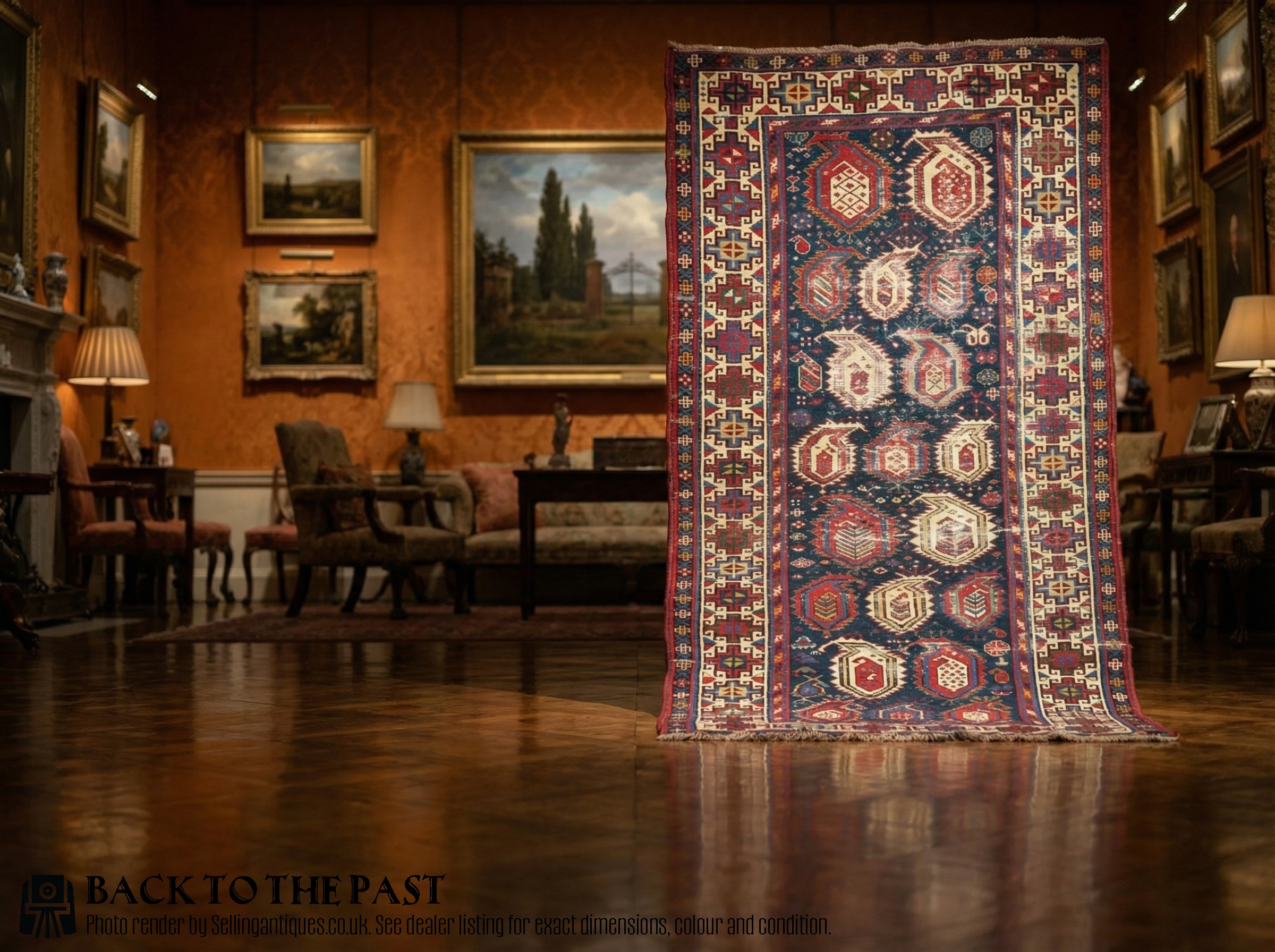
Red Caucasian Carpet
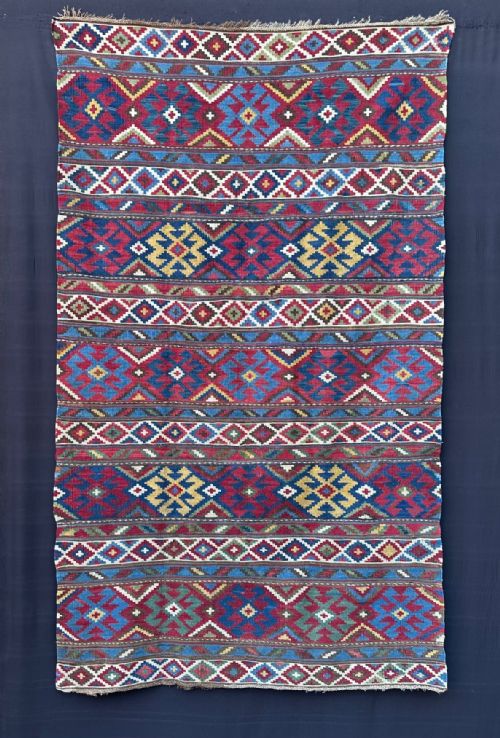
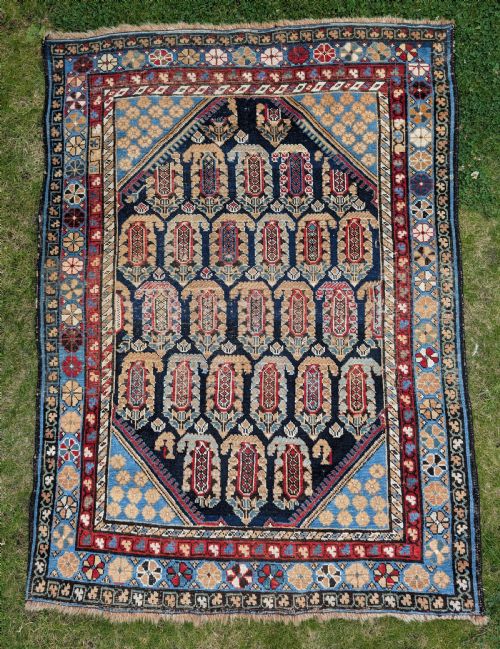
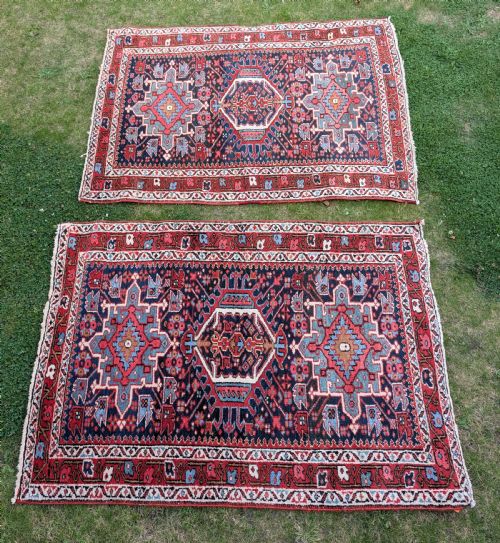
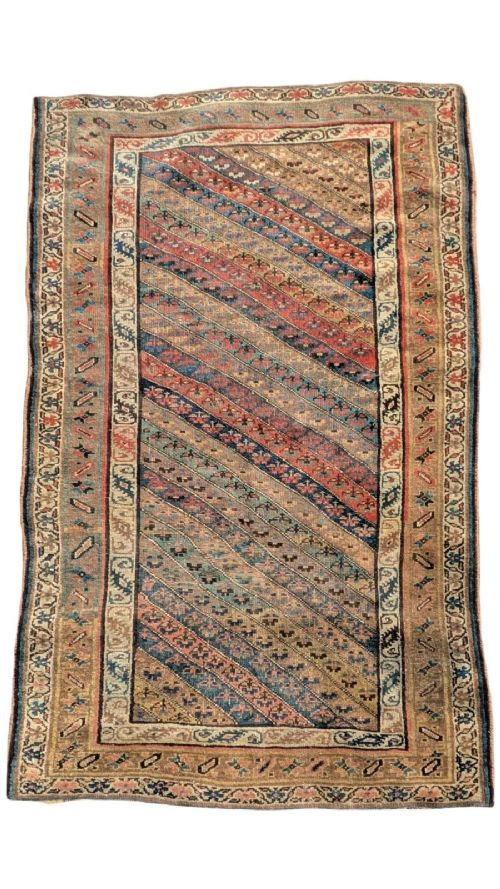
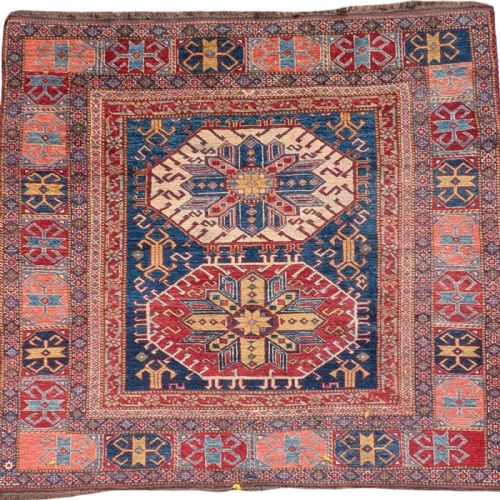
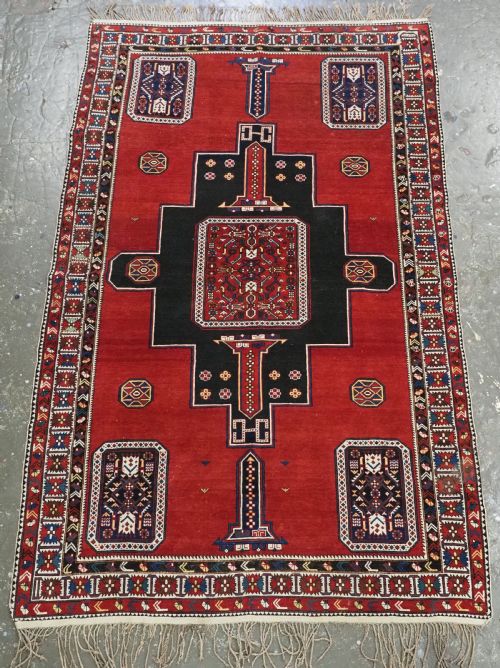
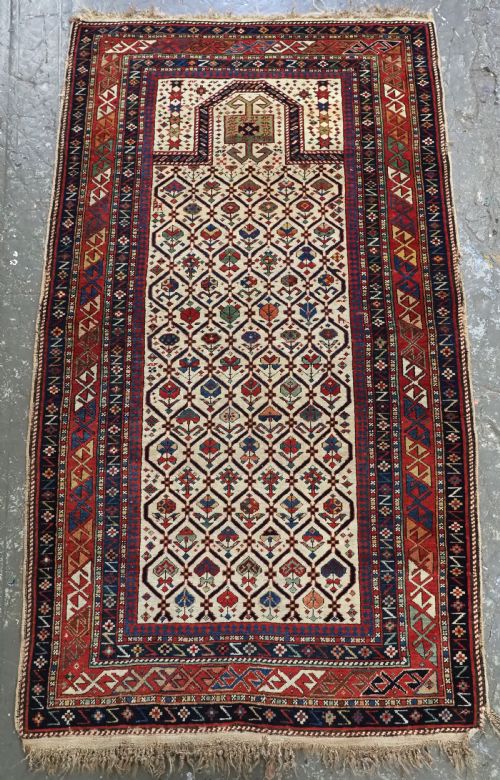
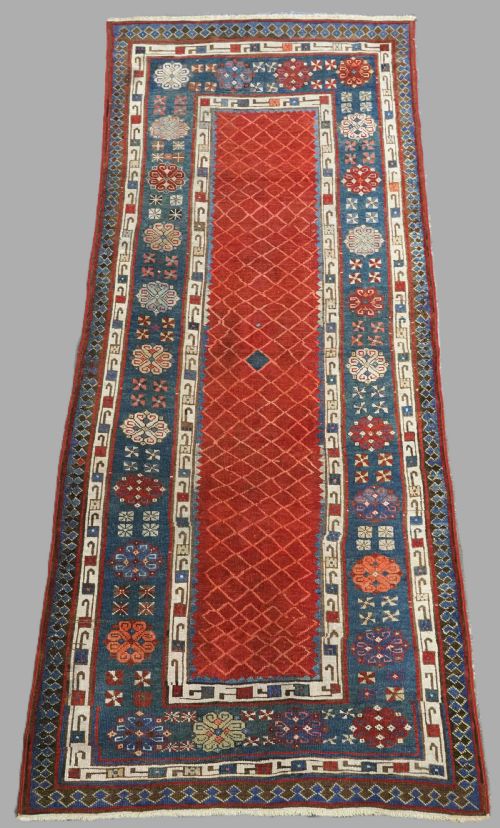
When you search for a red caucasian carpet, you encounter hand-knotted room-size pieces, runners, and prayer rugs originating from the Caucasus region during the late nineteenth and early twentieth centuries. These textile traditions encompass specific regional groupings including Kazak, Shirvan, Kuba, and Daghestan styles.
The format varies from compact prayer rugs to extended long runners and large carpets, frequently displaying geometric medallions, lattice patterns, and animal motifs. Most examples emerge from village workshops and nomadic weaving traditions across the mountainous landscape.
Regional aesthetics dictate the composition, shifting from the bold rectilinear blocks of Kazak weaves to the fine detail of Daghestan lattices and the rich coloration of Karabagh carpets. Buyers select these works for their robust tribal character and historic integrity.
Materials and construction
These carpets rely on wool foundations and pile, combined with cotton used selectively in specific regional structures. The natural fibres provide substantial weight and durability to the weave.
Weavers utilised natural dyes to achieve deep reds, indigos, and golds that develop a softened patina over decades of light and wear. Hand-knotting techniques secure the pile firmly to the warp and weft threads.
Red Caucasian Carpet Retail Price Guide 2026
Typical asking prices for red caucasian carpet among the pieces listed under this phrase on Sellingantiques today, from the lower quarter to the upper quarter. They describe what is for sale here now, not the wider market.
Current listings span production dates from the mid-nineteenth century through the 1930s, utilising wool, cotton, and natural dyes.
Judging quality and execution
The integrity of the wool and the saturation of the natural dyes determine the visual impact of an individual piece. Finer knots permit crisper geometric definition within medallions and borders.
Proportion and balance across the field distinguish standard village output from superior examples. Secondary changes such as edge repairs or pile height reduction alter the original character of the carpet.
The Red Caucasian Carpet Glossary
- Kazak
- A designated style of rug originating from the western Caucasus, known for bold geometric medallions and saturated primary colours. These pieces typically display spacious designs with minimal crowding.
- Prayer rug
- A small format textile featuring a distinctive architectural niche or mihrab design at one end. Historically utilised for individual devotional practice.
- Runner
- An elongated narrow carpet format designed for hallways, corridors, or narrow spaces. They repeat geometric motifs along a linear axis.
- Sumak
- A flat-weave technique where coloured wool wrap threads create a thick structure without a cut pile. This method produces crisp geometric outlines and a firm handle.
- Medallion
- A central ornamental motif positioned in the middle of the carpet field. It serves as the primary focal point of the composition.
Red Caucasian Carpet: Frequently Asked Questions
How do I clean a antique carpet?
Surface dust can be removed gently with a low-suction vacuum used without a beater bar. Professional textile conservators should handle deeper washing.
Water and harsh detergents damage natural dyes and wool fibres. Regular rotation helps ensure even wear across the floor.
Where were these woven?
Weavers produced these textiles across the Caucasus region, encompassing areas that now bridge parts of Eastern Europe, Western Asia, and regional provinces.
Nomadic tribes and settled village communities each contributed distinct regional motifs and knotting structures to the local tradition.
Are these suitable for heavy traffic?
Wool and cotton construction provides natural resilience for everyday domestic environments. Placing a quality underlay beneath the textile prevents sliding and cushions the pile.
Runners and carpets handle hallway and living room placement well when protected from excessive moisture and direct sunlight.
What defines a prayer niche?
The prayer niche, or mihrab, forms an pointed arch shape at one end of the rug. This architectural element directs orientation during personal devotion.
Surrounding motifs often incorporate floral lattices or protective symbols within the field beneath the arch.