




Hand Woven Corridor Runner
A hand woven corridor runner brings distinct character to a long hallway, offering durable wool construction and traditional tribal patterns.
Hand Woven Corridor Runner
A hand woven corridor runner provides practical floor coverage for narrow spaces like hallways and landings. These long, narrow carpets originate from various tribal and village traditions across regions such as Persia and the Caucasus.
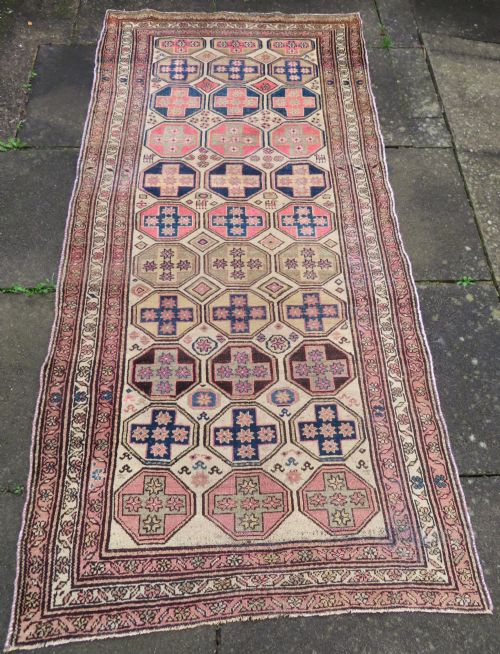
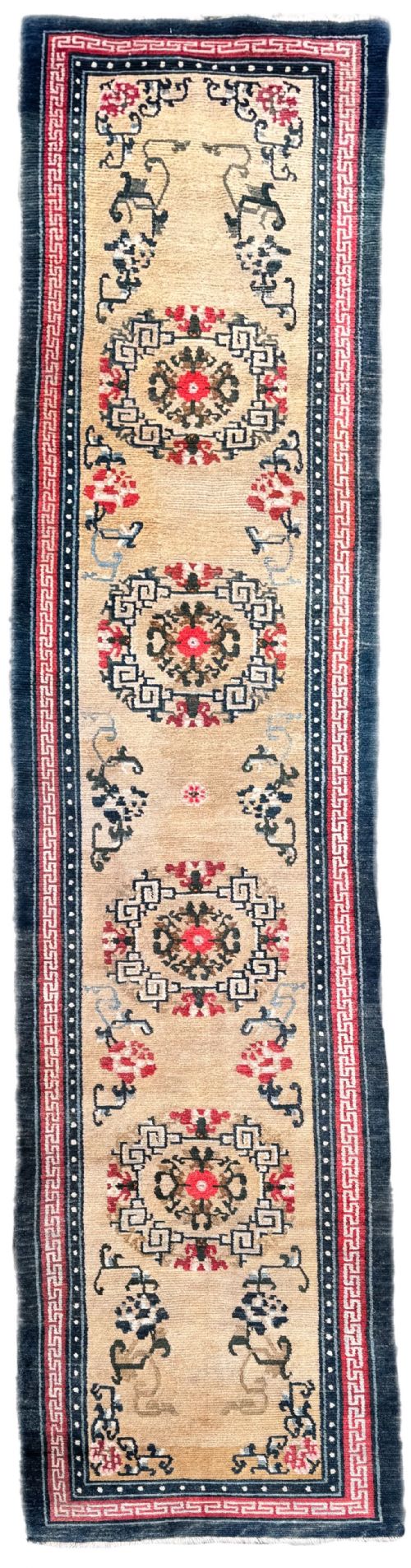
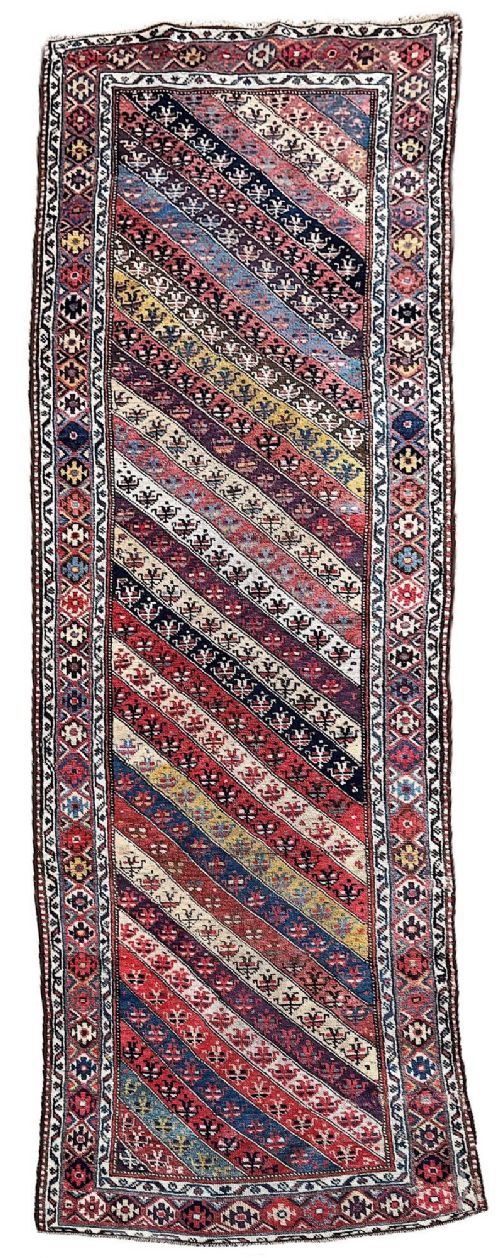
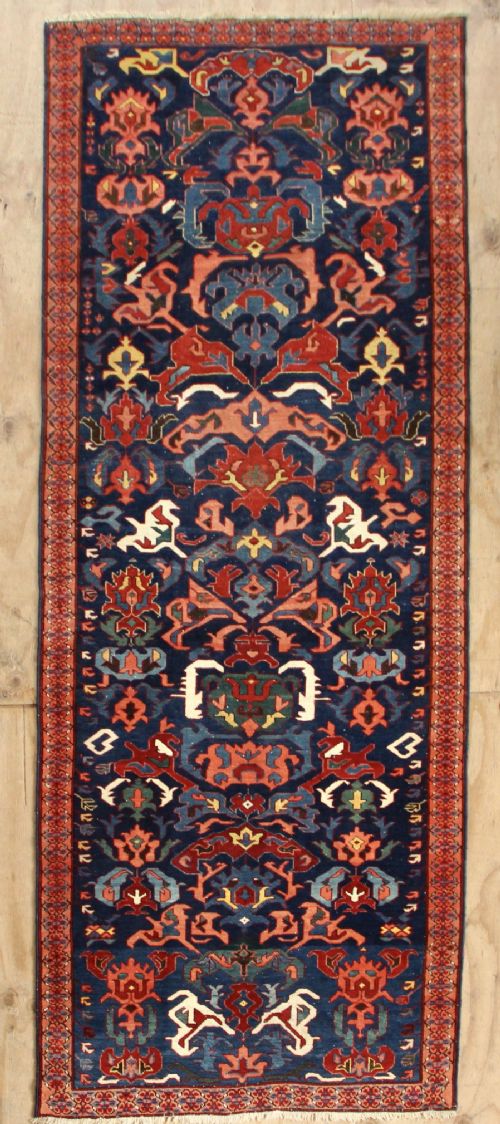
Buyers will encounter pieces dating from the nineteenth century through to the early twentieth century, spanning periods like 1880, 1900, and 1920. Styles range from Kurdish tribal designs and Heriz patterns to Caucasian and Ushak weaving traditions.
The format is specifically suited for high-traffic corridors, combining length with narrow widths. Each piece reflects the regional motifs and weaving practices of its particular origin.
How they were made
These textiles are constructed using wool, cotton, and hand-spun wool for the pile and foundation. Traditional hand-knotting techniques create dense, hard-wearing surfaces designed to endure heavy foot traffic in domestic corridors.
Natural materials and hand-spun yarns provide the foundation for regional designs, incorporating vegetable dyes and traditional geometric or all-over shrub motifs. The physical structure relies on sturdy cotton warps and wool wefts characteristic of village and nomadic workshops.
Some runners stretch to over seven metres in length, designed for exceptionally grand corridors.
What varies in quality
Quality depends upon the fineness of the knotting and the density of the wool pile. Tighter construction yields greater durability and clearer definition in complex geometric or medallion designs.
The integrity of the wool, the consistency of the hand-spinning, and the preservation of original borders distinguish standard village pieces from finer tribal examples. Proportions also vary, with exceptionally long and narrow formats demonstrating specialised weaving skill.
The Hand Woven Corridor Runner Glossary
- Runner
- A long, narrow carpet designed specifically for hallways, corridors, and stairs. These pieces measure significantly longer than they are wide.
- Kelleh
- A large format rug or carpet, often intermediate in proportion between a standard rug and a long runner. This term frequently applies to nineteenth-century tribal weaving.
- Warp
- The vertical threads stretched tightly on the loom that form the structural foundation of the textile. Weft threads are interlaced across these warps.
- Pile
- The vertical or diagonal loops of yarn that form the usable surface of the carpet. This layer is sheared to a uniform height after knotting.
Hand Woven Corridor Runner: Frequently Asked Questions
Where should I place a corridor runner?
These long textiles suit narrow architectural spaces such as hallways, entryways, and gallery landings.
Their elongated proportions protect high-traffic floorboards while adding traditional visual weight to otherwise empty passages.
How do I care for antique wool runners?
Regular gentle vacuuming without a rotating brush roll prevents dust accumulation within the wool pile.
Professional cleaning suited for antique textiles preserves the natural lanolin in the hand-spun wool and protects the foundation.
What defines Kurdish tribal rugs?
Kurdish pieces typically feature robust wool construction with distinctive geometric patterns, latch hook medallions, or all-over shrub motifs.
These village textiles originate from nineteenth and early twentieth-century weaving communities known for durable structures.
How can I identify the period?
Dating relies on material analysis, including the presence of hand-spun wool and natural dye palettes typical of the nineteenth and early twentieth centuries.
Structural characteristics, regional design motifs, and weave density further distinguish pieces from periods such as 1880 or 1900.