



Antique Karabagh Rug
An antique karabagh rug brings rich Caucasian geometry and surprisingly soft floral palettes into a room, offering genuine historical depth for everyday use.
Antique Karabagh Rug
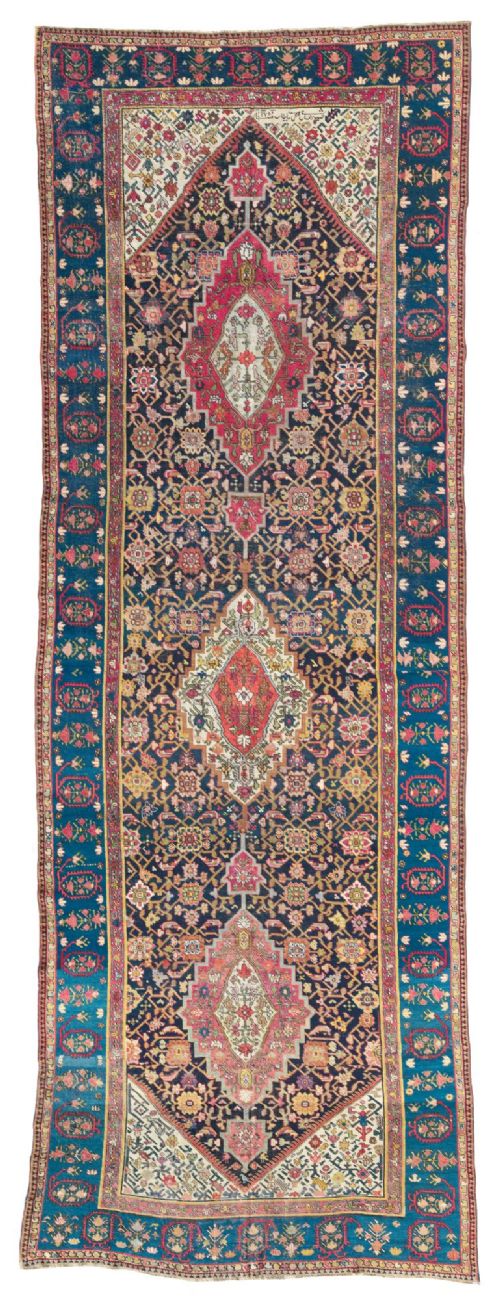
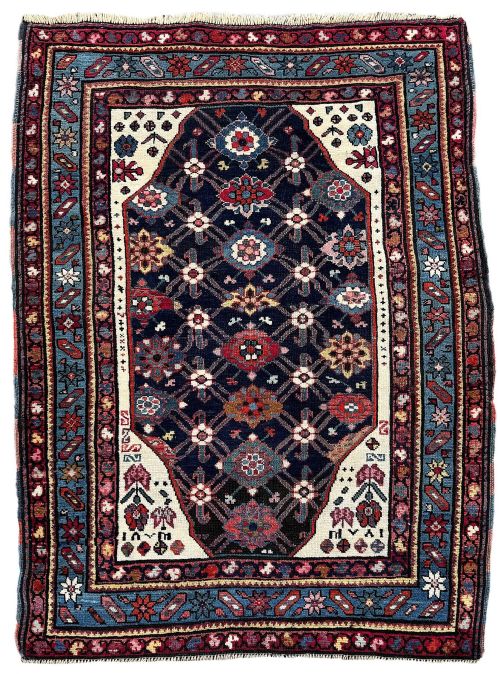
An antique karabagh rug originates from the South-Central and Southern Caucasus, bridging traditional tribal weaving with unexpected design influences. These floor coverings appear in various formats, including runner rugs, area rugs, and specific prayer or altar formats.
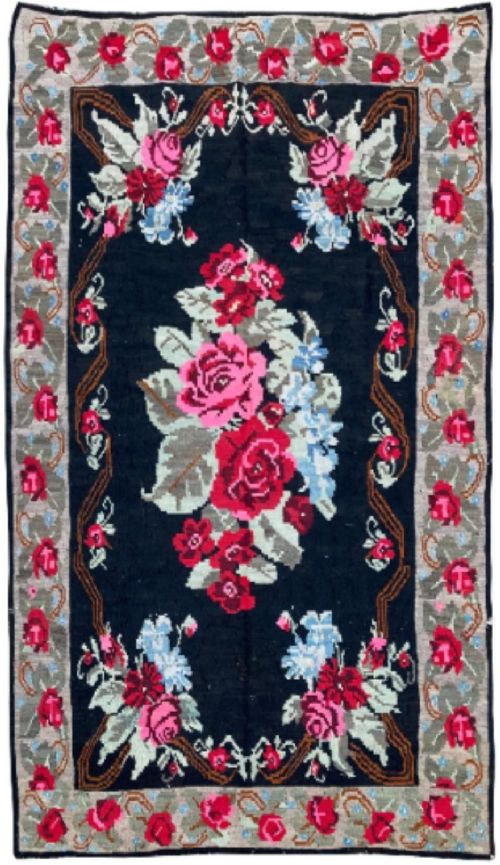
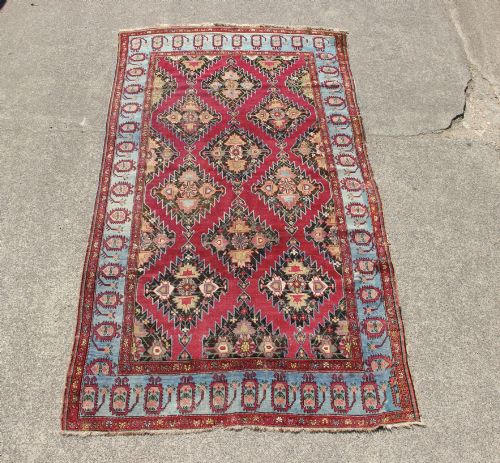
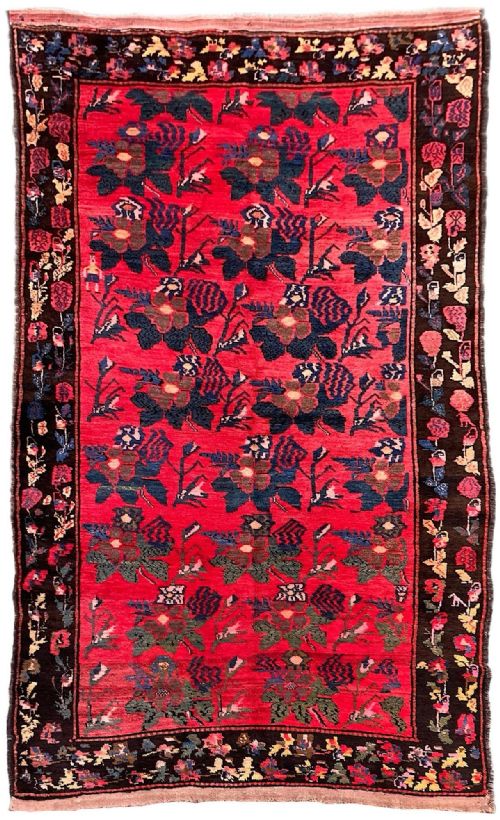
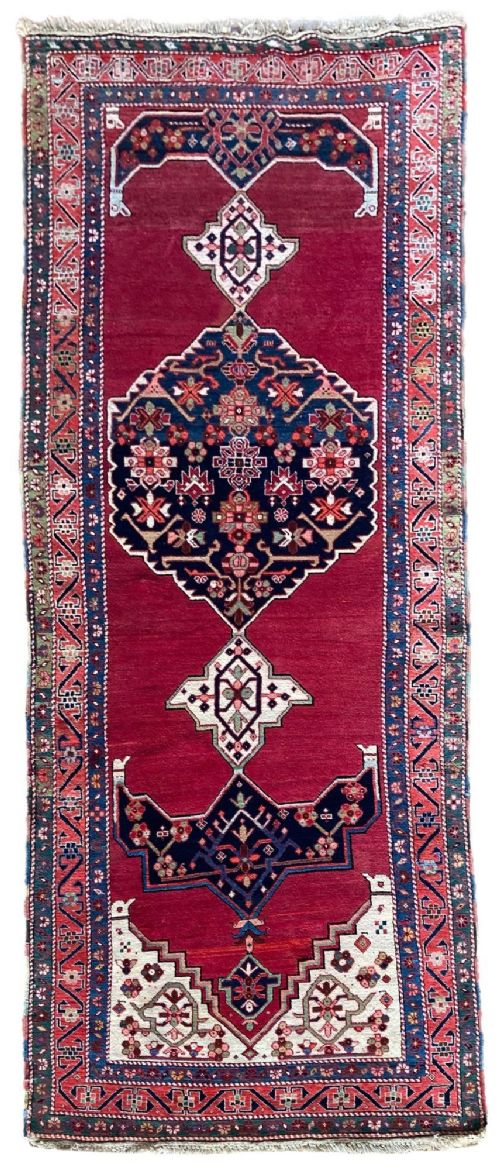
The pieces on this page span several decades from the late nineteenth century into the early twentieth century. Buyers encounter everything from disciplined geometric medallions to French-inspired rose patterns and diagonal boteh motifs.
Village and regional workshops produced these textiles using robust methods suited to domestic footfall. Their diverse formats allow them to anchor seating areas or line long hallways with equal ease.
How they were made
Weavers relied entirely on wool for the pile, warp, and weft of these floor coverings. This natural material provided the structural integrity needed for daily use while taking dye with deep saturation.
Dyes yielded distinctive regional colour palettes ranging from bold contrasts to softer floral tones. Hand-knotting techniques bound the wool firmly to the foundational threads, creating a dense and resilient textile.
Antique Karabagh Rug Retail Price Guide 2026
Typical asking prices for karabagh rug among the pieces listed under this phrase on Sellingantiques today, from the lower quarter to the upper quarter. They describe what is for sale here now, not the wider market.
Wool serves as the sole recorded material across every single rug and runner listed.
What varies in quality
Quality rests in the clarity of the design and the richness of the wool. Finer examples display precise execution of complex motifs, whether handling a geometric cloudband or a naturalistic rose.
The vitality of the dye palette distinguishes stronger pieces from simpler ones. Weaving density and the preservation of the original pile structure complete the hierarchy of these textiles.
The Antique Karabagh Rug Glossary
- Boteh
- A stylised almond or pear-shaped motif of Persian origin that often appears in rows across these carpets. It represents a floral cluster or a sacred flame.
- Cloudband
- A curving, ribbon-like motif derived from Chinese art that winds through Caucasian border designs and field patterns. Weavers adapted these shapes into distinct geometric repetitions.
- Prayer rug
- A specialised format featuring a distinct niche or mihrab design at one end to indicate the direction of prayer. These carpets often served personal devotional purposes.
- Runner
- A long, narrow format designed specifically for corridors, hallways, and narrow spaces. They preserve continuous regional patterns across an extended rectangular field.
Antique Karabagh Rug: Frequently Asked Questions
How do I clean an antique karabagh rug?
Professional gentle dusting and specialised textile washing remain the safest methods for maintenance. Avoid aggressive chemical treatments that damage historical wool fibres.
Regular light vacuuming without a rotating brush bar prevents dirt accumulation in the pile. Keep the textile out of direct, continuous sunlight to protect the natural dyes.
Where were these rugs made?
These pieces originated in the Karabagh region situated within the South-Eastern and South-Central Caucasus. Local villages and regional weaving centres produced them.
Production spanned diverse communities influenced by both Persian aesthetics and indigenous Caucasian traditions. This cross-cultural location created their signature blend of geometries and florals.
What designs appear on these rugs?
Designs range from geometric Caucasian medallions and cloudbands to French-inspired naturalistic roses. Pictorial elements and human figures also appear on specific regional examples.
Diagonal boteh arrangements and triple medallion formats recur across nineteenth and twentieth-century pieces. Each layout reflects the varied cultural exchanges within the mountainous region.
Are these rugs suitable for hallways?
Many examples take the form of long rugs and runner formats specifically suited for corridors. Their sturdy wool construction withstands moderate walking traffic.
Placing a quality underlay beneath the textile prevents slipping and cushions the fibres against hard floors. This simple addition extends the working life of the historical weave.