

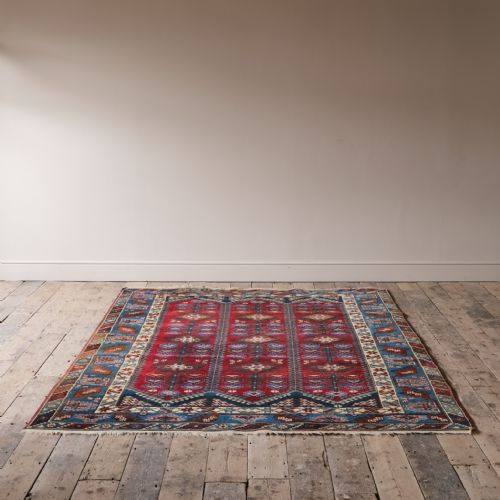
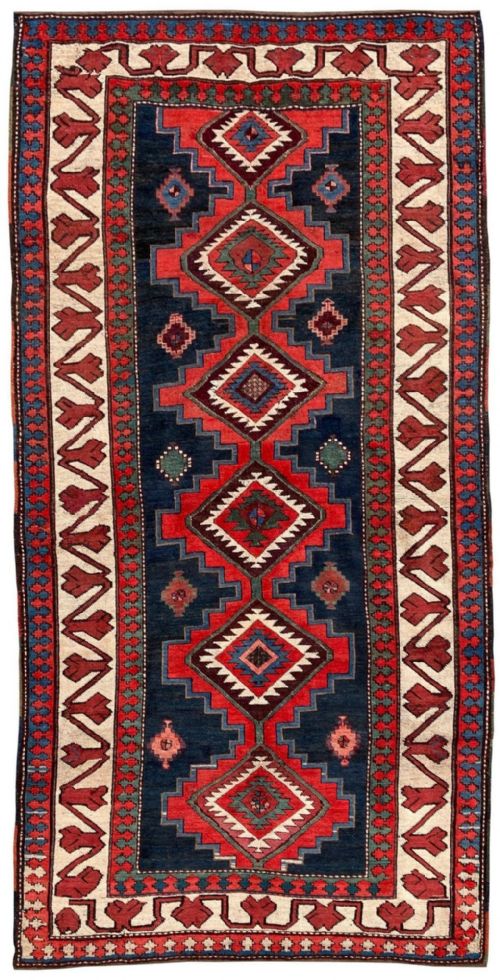
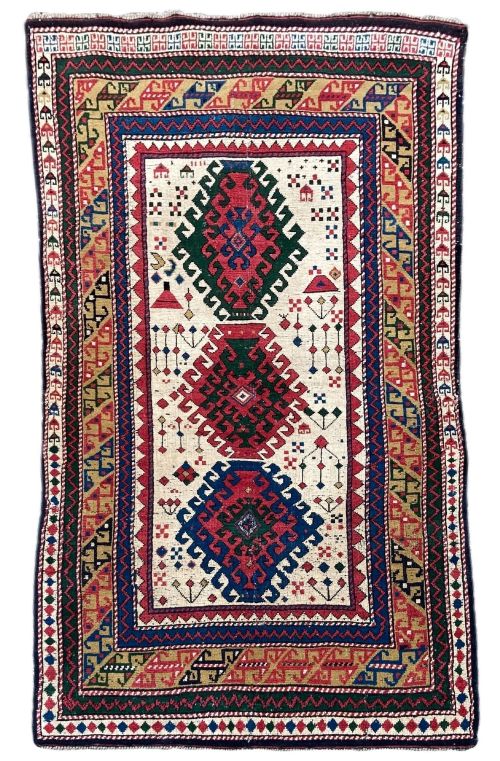
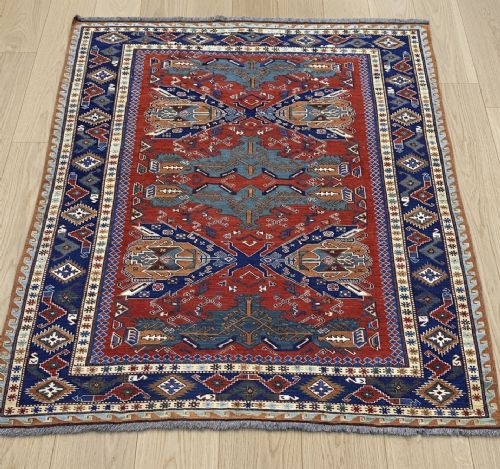
Caucasian Area Rug
When buying a caucasian area rug, you secure a piece of tribal heritage woven with geometric motifs and regional character.
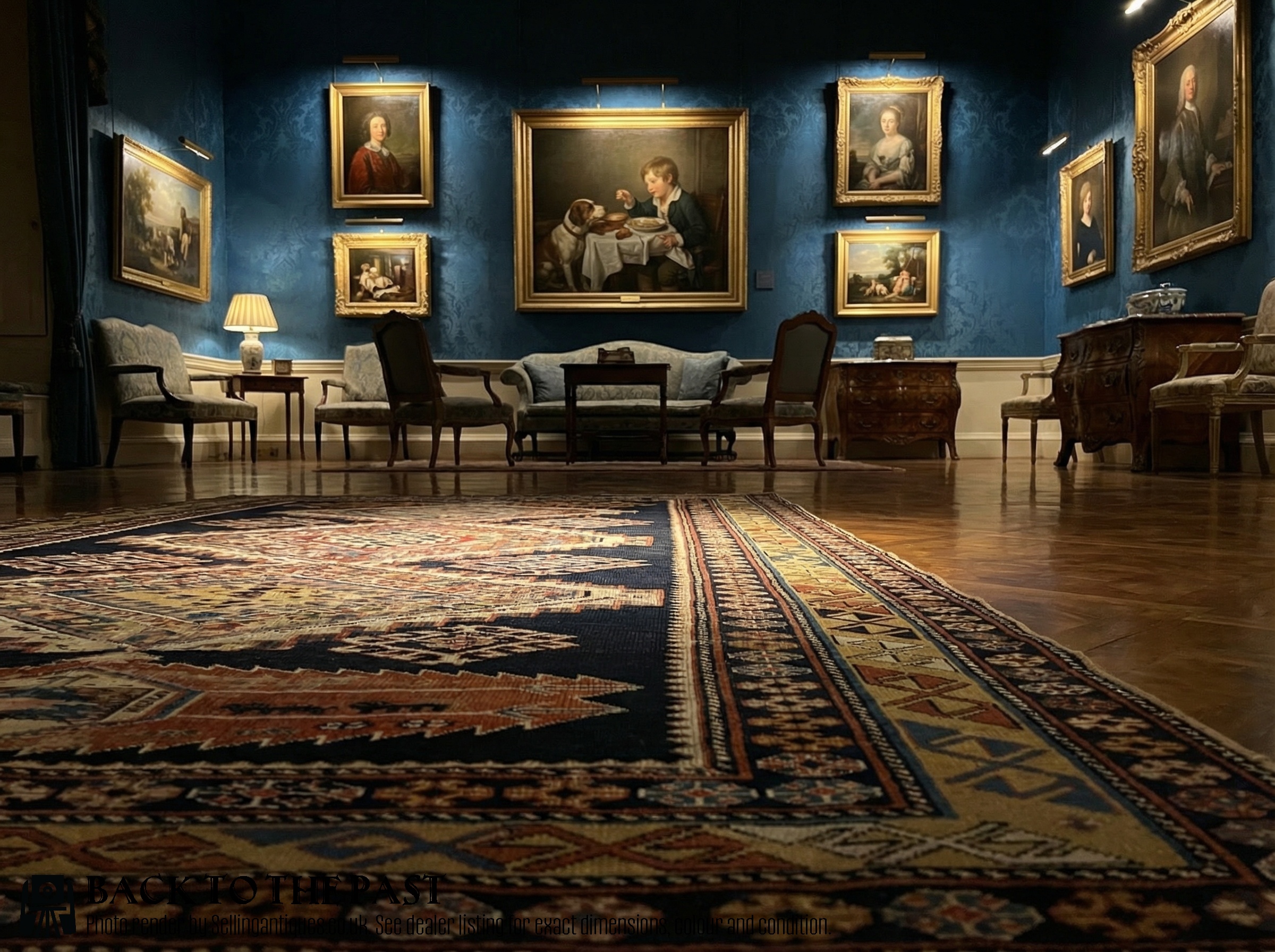
Caucasian Area Rug
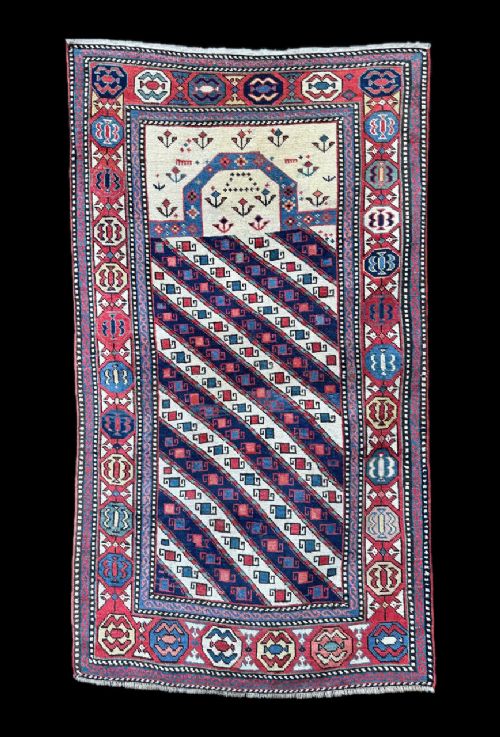
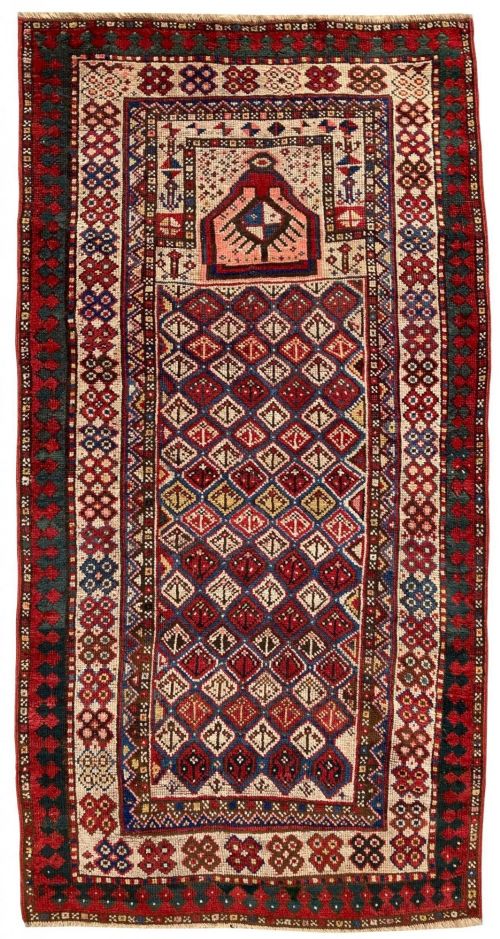
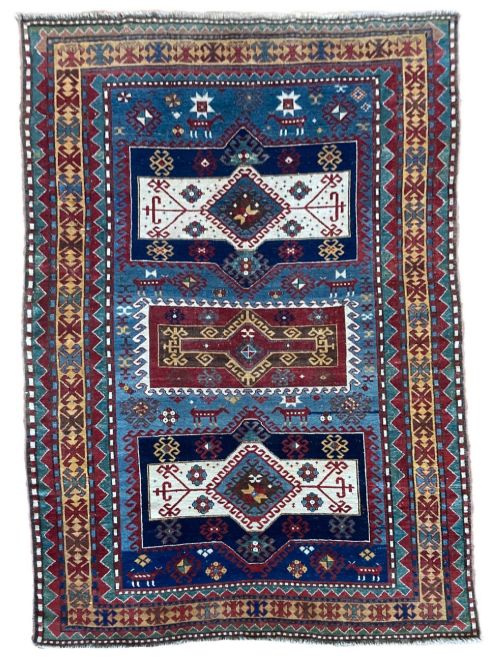
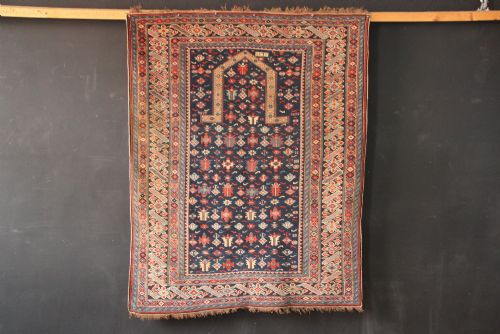
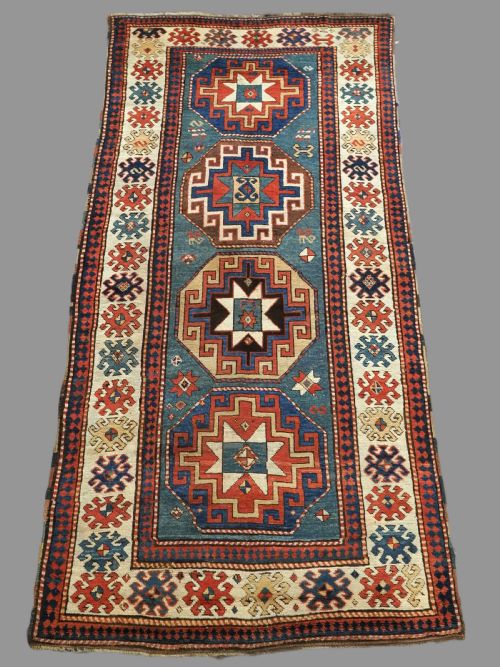
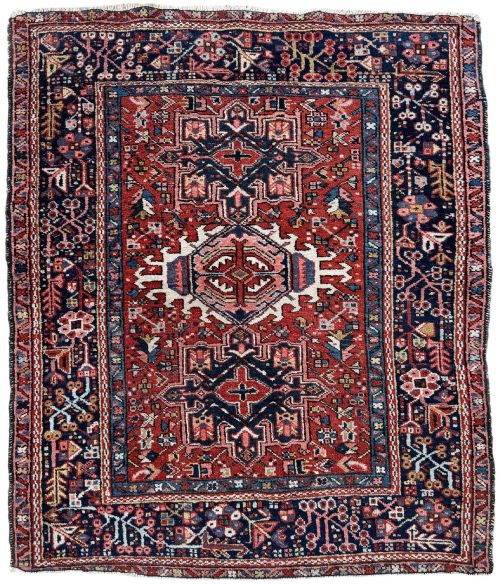
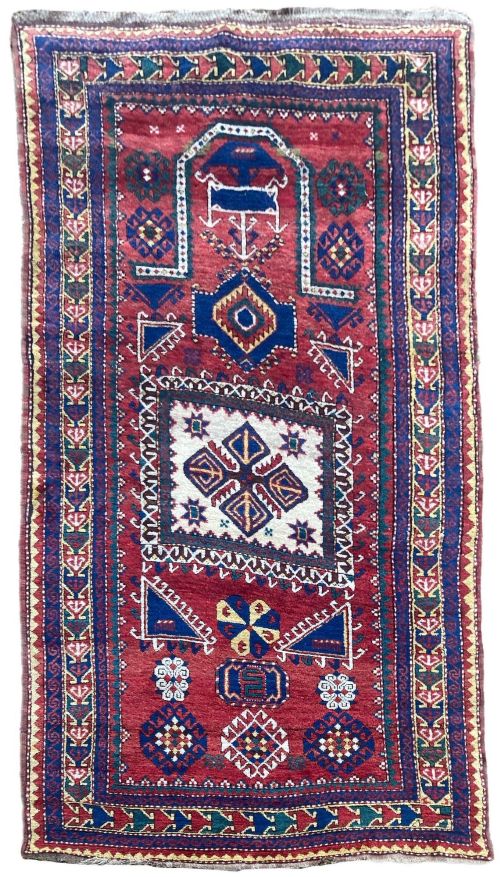
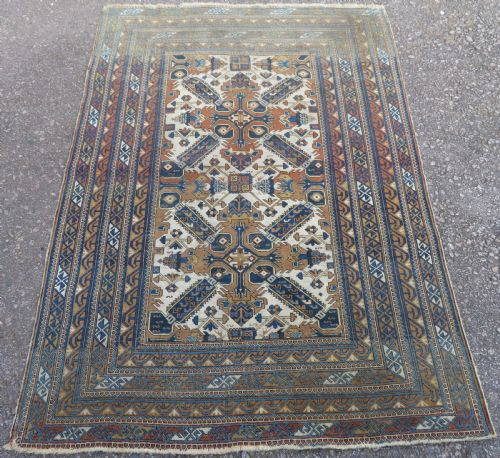
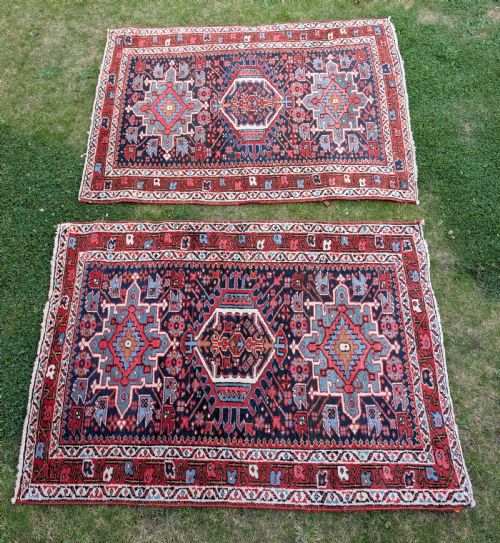
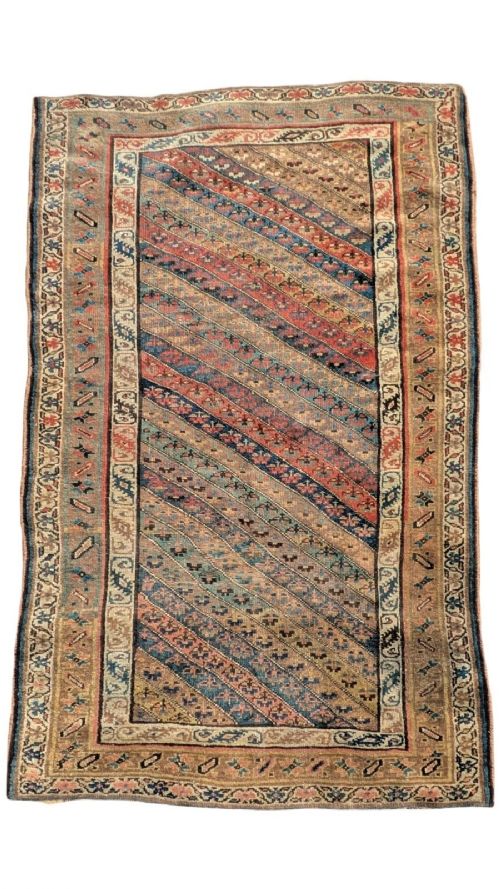
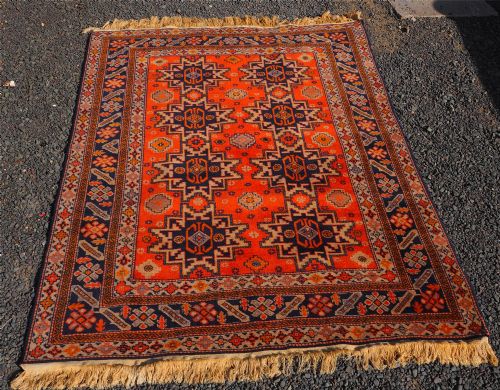
A caucasian area rug represents the traditional weaving arts of the Caucasus region, spanning the nineteenth and early twentieth centuries. These floor coverings encompass distinct regional styles such as Kazak, Shirvan, Karabagh, and Kuba. Pieces range from compact prayer rugs to larger carpets and elongated runners, often displaying tribal or nomadic influences.
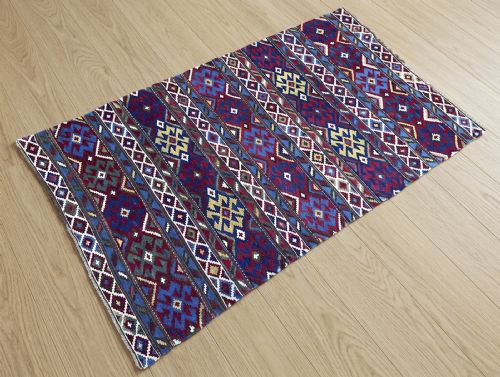
The aesthetic leans heavily on geometric patterns, medallions, animal motifs, and intricate border systems rather than flowing florals. Collectors encounter kilims alongside pile-woven carpets produced by Kurdish, tribal, and regional weavers. Production dates stretch from the mid nineteenth century into the 1930s, capturing a period of traditional village craft before industrialisation took hold.
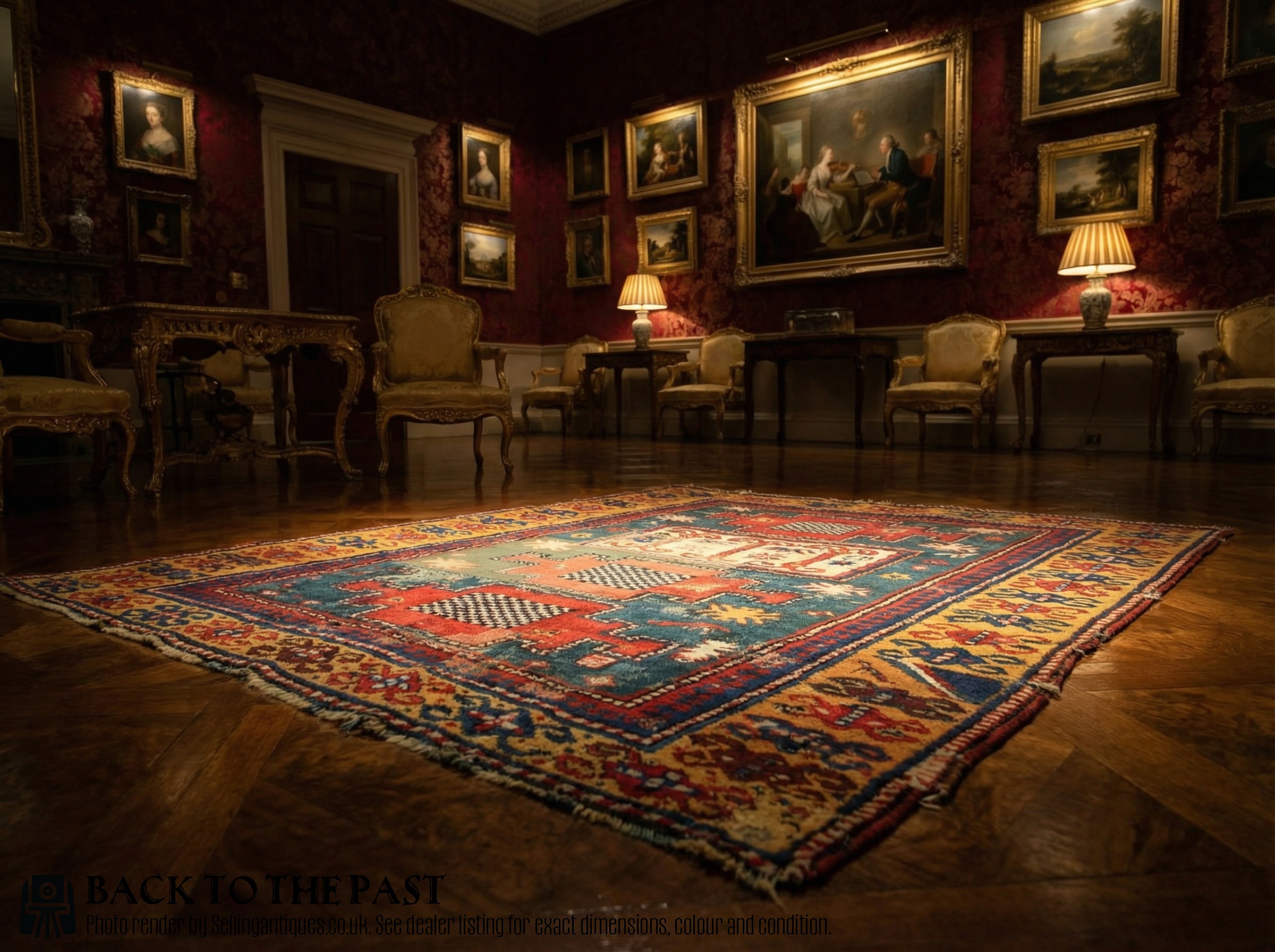
How they were made
Weavers constructed these textiles using hand-spun wool for the pile, frequently paired with cotton foundations for structural stability. The yarn was dyed using natural colour sources, yielding rich tones that mellow gracefully over decades of light and use. Hand-knotting techniques ensured dense, durable piles capable of withstanding heavy foot traffic.
Village workshops and nomadic camps relied on upright looms, tying symmetrical or asymmetrical knots depending on local custom. The reliance on natural dyes created subtle variations in shade across the field, a characteristic trait of genuine regional production.
Caucasian Area Rug Retail Price Guide 2026
Typical asking prices for caucasian area rug among the pieces listed under this phrase on Sellingantiques today, from the lower quarter to the upper quarter. They describe what is for sale here now, not the wider market.
Listings feature pieces spanning the nineteenth century through to the 1930s, utilising hand-spun wool, cotton, and natural dyes.
What varies in quality
Quality rests upon the fineness of the knotting, the complexity of the design layout, and the integrity of the wool. Tighter structures allow intricate geometric medallions and star motifs to maintain sharp definition. The depth and saturation of the natural dyes further elevate a piece, distinguishing standard village work from master examples.
Preservation of original borders and balanced proportions play a major role in establishing the calibre of an antique carpet. Weaving symmetry and the clarity of regional iconography separate utilitarian floor coverings from highly collectible tribal art.
The Caucasian Area Rug Glossary
- Kazak
- A type of rug produced in the western Caucasus, known for bold geometric medallions and primary colour palettes. These examples often feature large scale designs with animal or star motifs.
- Kilim
- A flat-woven carpet or rug made without a pile, produced by tightly interlacing warp and weft threads. This technique creates a lightweight textile suitable for both floor use and hanging.
- Prayer rug
- A small format textile featuring a mihrab or niche design at one end, traditionally used for individual prayer. The layout points the worshipper toward Mecca.
- Kelleh
- A long, narrow format carpet traditionally used in Middle Eastern and Caucasian interiors. These pieces typically occupy extended spaces like hallways or large chamber floors.
Caucasian Area Rug: Frequently Asked Questions
How do I identify a kazak rug?
Kazak rugs originate from the western Caucasus and are distinguished by bold geometric medallions, stark primary colours, and thick wool piles. Their designs frequently incorporate rectilinear forms, stars, and stylised animal motifs.
These pieces contrast with the finer, more intricate floral lattices found in eastern regional weaving like Shirvan or Daghestan.
Where were these rugs made?
The pieces originate from the Caucasus region, situated between the Black Sea and the Caspian Sea, encompassing modern day Armenia, Azerbaijan, and Georgia. Specific towns, valleys, and nomadic groups each developed distinct design vocabularies.
Local tribes utilised regional materials and traditional dyeing techniques passed down through generations.
How do I care for an antique rug?
Protect the textile by placing it in a low-traffic area out of direct sunlight to prevent natural dye fading. Regular gentle vacuuming without a beater bar removes trapped dust without damaging the hand-spun wool pile.
Professional cleaning tailored for antique textiles ensures the cotton foundations and wool fibres remain preserved.
What is the difference between a rug and a kilim?
A standard rug utilises a knotted pile surface where yarn is tied to the warp threads and sheared to create a soft texture. A kilim is flat-woven entirely through the interweaving of warp and weft threads without any raised pile.
This structural difference gives kilims a thinner profile and distinct geometric slits where colour blocks meet.