



19th Century Kazak Carpet
A 19th century kazak carpet brings geometric tribal motifs and saturated colour straight from the Caucasus into a modern interior.
19th Century Kazak Carpet
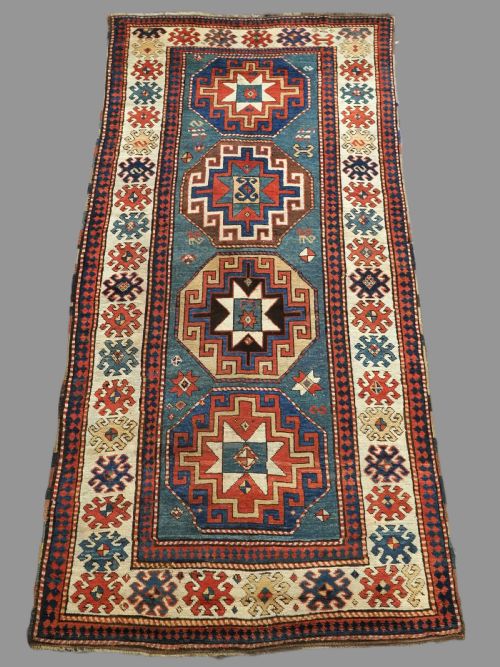
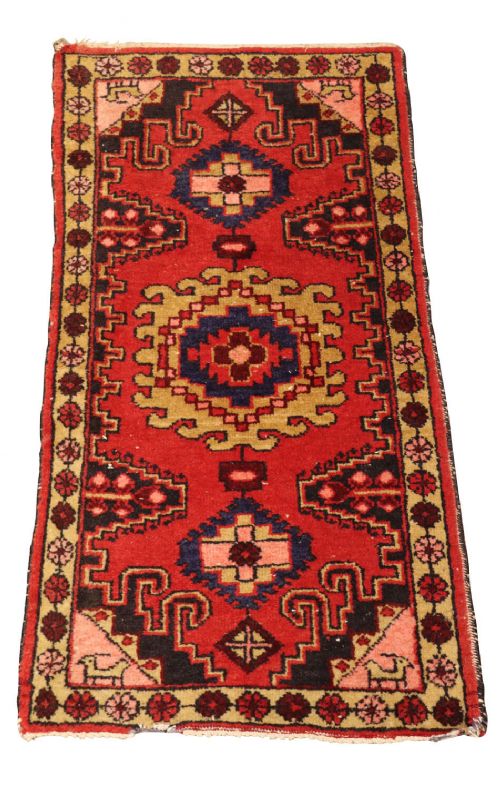
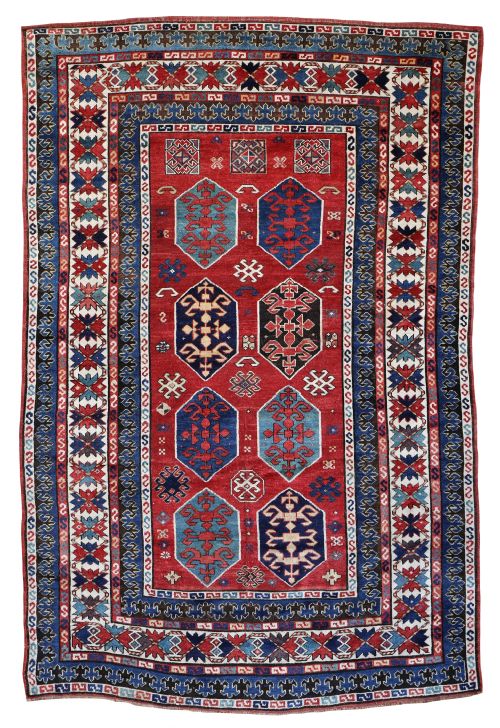
When you search for a 19th century kazak carpet, you encounter woven textiles originating from the Caucasus region during the 1800s and the turn of the twentieth century. These pieces encompass various formats such as standard rugs, square formats, prayer rugs, and long runners.
The specimens on this page display distinct regional sub-types including Bordjalou, Gendje, Karachov, Moghan, Sewan, Chelaberd, and Fachralo. Village and tribal weavers produced these floor coverings using bold medallions, animal motifs, and geometric lattices rather than delicate court designs.
What varies in quality
Quality in these tribal carpets depends upon the crispness of the geometric drawing and the saturation of the wool pile. Examples with unusual ground colours, such as scarce yellow or blue fields, exhibit higher visual distinction.
The complexity of the design, whether featuring animal motifs, key hole patterns, or multiple medallions, separates standard village production from superior weaving. The integrity of the hand-knotted structure and wool quality maintains the overall presence of the rug.
19th Century Kazak Carpet Retail Price Guide 2026
Typical asking prices for 19th century kazak carpet among the pieces listed under this phrase on Sellingantiques today, from the lower quarter to the upper quarter. They describe what is for sale here now, not the wider market.
One weaver meticulously recorded the date 1288 into the wool, preserving a specific moment from 1871 in the weave.
The 19th Century Kazak Carpet Glossary
- Prayer rug
- A textile featuring a niche or arch design intended for devotional use. These pieces often display specific mihrab arches at one end.
- Medallion
- A central geometric motif or cluster of shapes anchored in the field of the rug. Kazak designs frequently employ single, triple, or hooked medallion layouts.
- Runner
- A long, narrow carpet format suited for hallways and corridors. Many examples incorporate repeating diagonal stripes or lattice patterns.
- Latch hook
- A stepped geometric outline ornamenting the edges of medallions and borders. This motif is characteristic of Caucasian tribal weaving.
- Gul
- A repeating octagonal or polygonal medallion motif found across Central Asian and Caucasian carpets. The memling gul is a specific stepped variant.
19th Century Kazak Carpet: Frequently Asked Questions
Where were 19th century kazak carpets made?
These rugs originated in the Caucasus region, spanning areas influenced by diverse village and tribal weaving traditions.
Local workshops and nomadic groups produced them using traditional hand-knotted techniques passed down through generations.
How do I identify a kazak carpet?
Look for bold geometric medallions, latch hook motifs, and a heavy wool pile with saturated primary colours.
Specific sub-types often display characteristic elements like key hole designs, diagonal stripes, or animal figures.
How should I live with an antique rug?
Place the textile in low-traffic or moderate-traffic zones to preserve the hand-spun wool pile over decades of daily enjoyment.
Use a quality underlay to prevent slipping and support the foundation fibres against hard flooring.
What is a prayer rug design?
A prayer rug incorporates a distinct architectural niche or arch at one end, representing a mihrab.
Weavers created these formats for specific devotional practices, frequently pairing the niche with central medallions.