



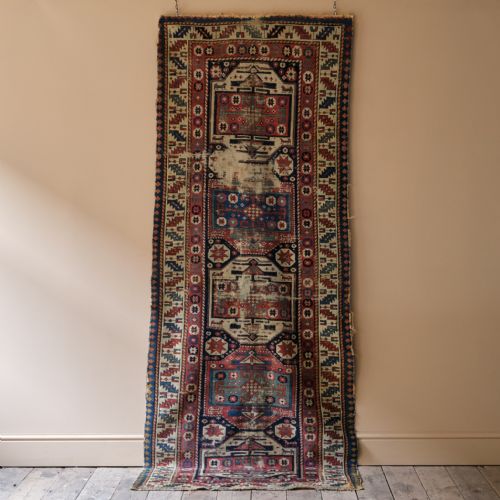
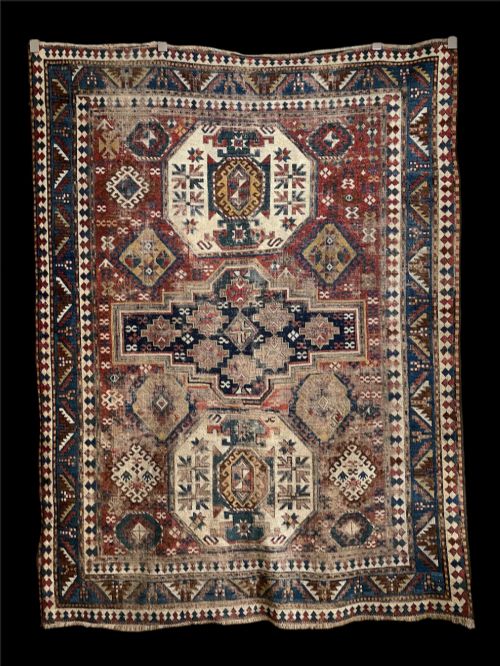


Nineteenth Century Tribal Rug
A nineteenth century tribal rug brings centuries of nomadic design, rich wool, and natural dyes directly into modern interiors.
Nineteenth Century Tribal Rug
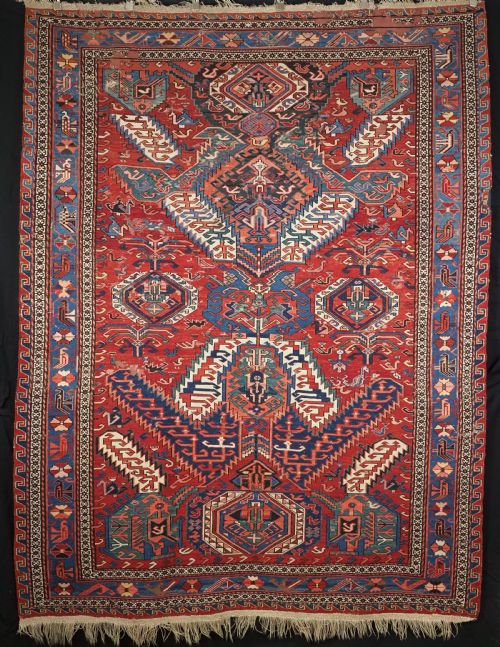
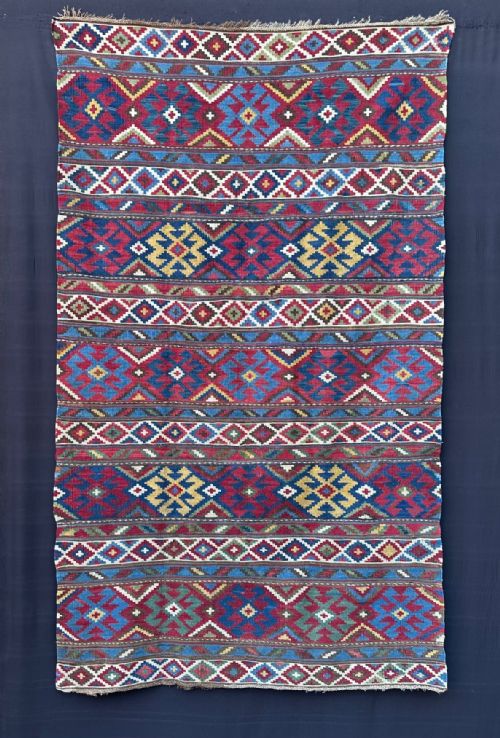
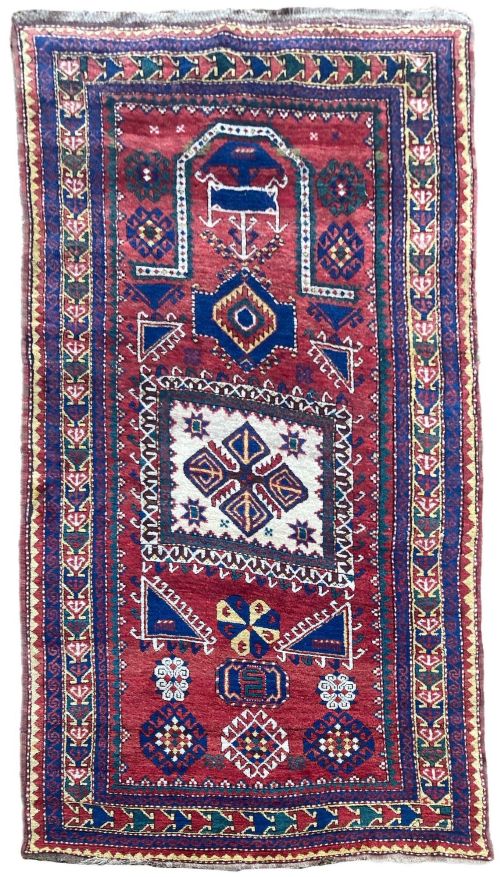
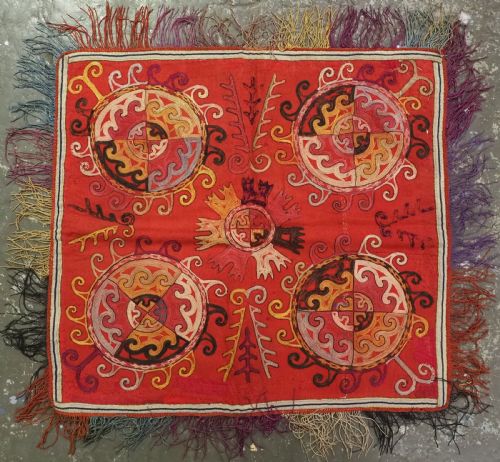
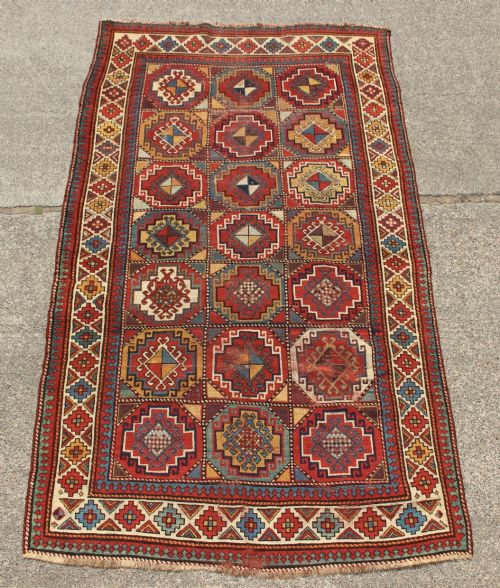
A nineteenth century tribal rug encompasses woven pieces produced by nomadic and village groups across the Caucasus, Central Asia, and Anatolia. These textiles range from small prayer rugs and torba faces to large carpets woven for everyday utility or ceremonial dowries.
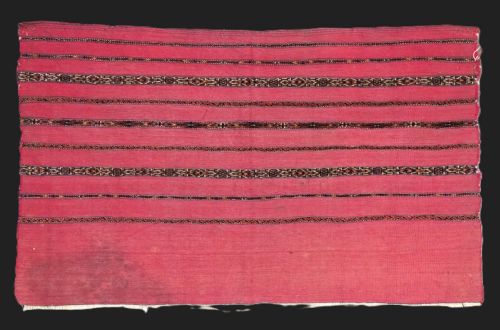
The most common examples on this page hail from Turkmen tribes, including Tekke and Ersari groups, alongside Caucasian Kazak and Shirvan village pieces. Buyers encounter various formats, from corridor runners and saddlebags to wall-hanging ilgich embroideries.
These floor coverings and textiles reflect the distinct tribal identities and regional weaving traditions of their makers. Geometric medallions, repeating guls, and prayer mihrabs dominate the visual language of these historic rugs.
Evaluating quality and execution
The fineness of the weave and the tightness of the knotting separate everyday utility pieces from finer tribal commissions. Higher knot densities permitted crisper geometric drawing and more intricate secondary motifs within the field.
Colour saturation and the vibrancy of the natural dyes play a decisive role in the overall success of the piece. Examples retaining complete original borders, backs, and uncompromised pile structure command greater interest from collectors.
Nineteenth Century Tribal Rug Retail Price Guide 2026
Typical asking prices for nineteenth century tribal rug among the pieces listed under this phrase on Sellingantiques today, from the lower quarter to the upper quarter. They describe what is for sale here now, not the wider market.
The inventory records numerous Turkmen sub-groups, including Tekke, Ersari, and Yomut weavers alongside Shirvan and Kazak village rugs.
The Nineteenth Century Tribal Rug Glossary
- Chuval
- A large storage bag face produced by Turkmen tribes for use inside a yurt. These square panels typically feature repeating rows of guls.
- Gul
- A primary medallion or octagonal stamp found frequently in Turkmen and Central Asian carpet design. Each tribal group utilised distinct gul patterns to signal lineage.
- Soumak
- A flatweave technique where supplementary WEFT threads wrap around the warp yarns to create a textured, durable surface. This method frequently appears in Caucasian rugs and saddlebags.
- Torba
- A smaller storage bag face or hanging sack produced across Central Asia. They often mirror the design elements of larger main carpets.
- Mihrab
- A niche design representing the direction of prayer, central to Islamic prayer rugs from Anatolia and the Caucasus. This arched motif guides the user during daily devotions.
Nineteenth Century Tribal Rug: Frequently Asked Questions
How do I clean an old tribal rug?
Historic wool rugs require gentle surface cleaning and professional textile conservation rather than immersion washing. Regular light vacuuming without a beater bar removes trapped dust without damaging the delicate hand-spun pile.
Harsh chemical detergents strip natural dyes from nineteenth-century wool. Consult a specialist familiar with antique Oriental carpets before attempting any liquid treatment.
Can I use these rugs on the floor?
Many nineteenth-century tribal rugs and runners function well on floors in areas with moderate foot traffic. Using a quality breathable underlay prevents slipping and cushions the historic wool foundation against hard surfaces.
Finer wall-hanging embroideries or delicate torba faces benefit from display out of direct walking paths. Placing them away from intense sunlight preserves the natural dyes.
What is the difference between Kazak and Heriz rugs?
Kazak rugs originate from the Caucasus and display bold, geometric medallions rendered in saturated primary colours. Their robust wool and striking asymmetry reflect a village weaving tradition.
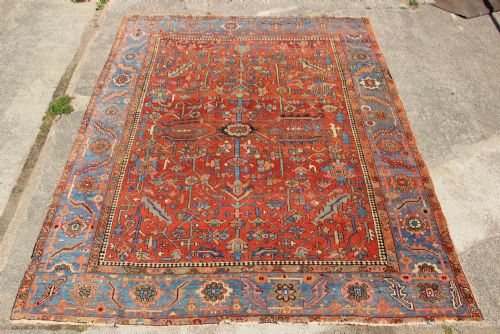
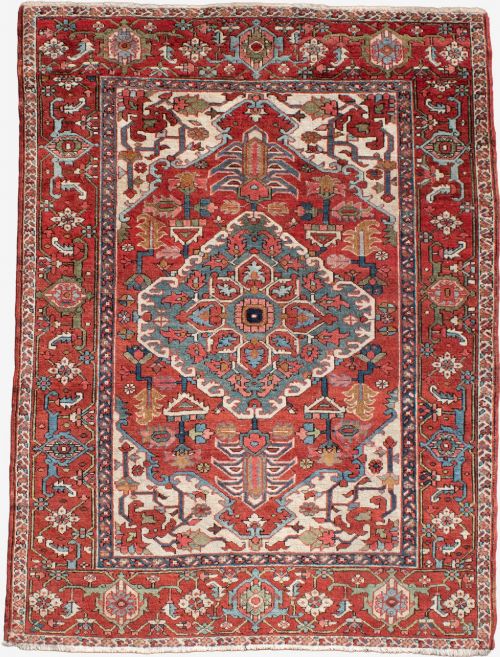
Heriz carpets come from Persian workshops and typically feature larger formats with prominent geometric centre medallions. They combine village sturdiness with balanced, architectural room-scale designs.
How can I tell my rug is nineteenth century?
Dating relies on identifying natural dye palettes, hand-spun wool characteristics, and traditional tribal structures. Structural analysis of the warp and weft provides further clues to regional origin and era.
Wear patterns, wool oxidisation, and authentic edge finishes separate nineteenth-century weaving from later commercial reproductions. Comparing known tribal guls and formats anchors the piece within a specific decade.