



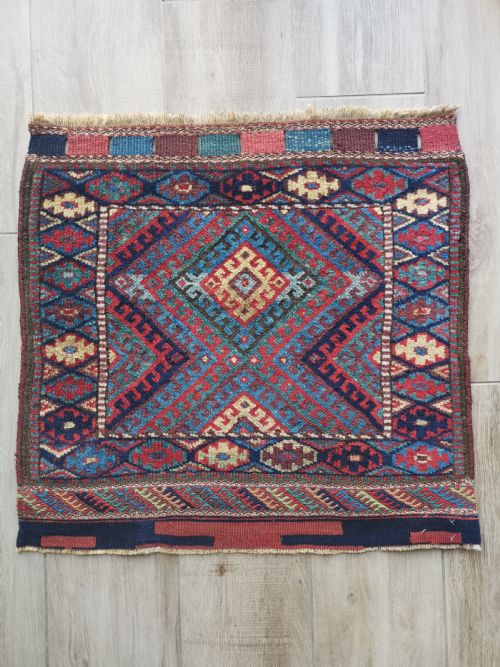
Persian Tribal Wall Hanging
A persian tribal wall hanging brings tactile warmth and nomad history into a room through woven wool and natural dyes.
Persian Tribal Wall Hanging
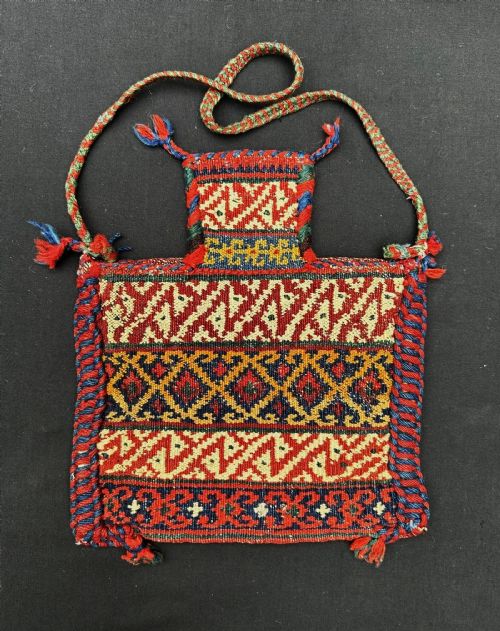
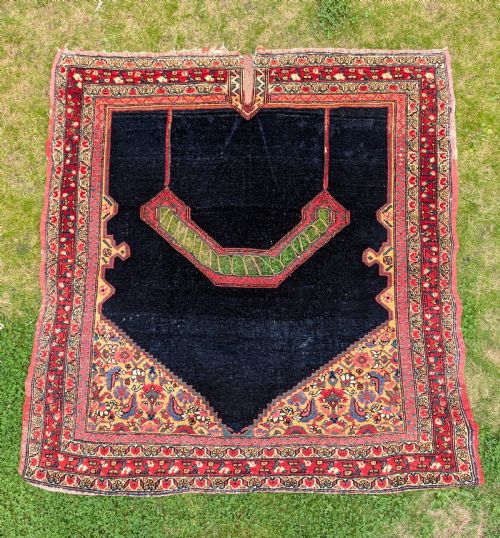
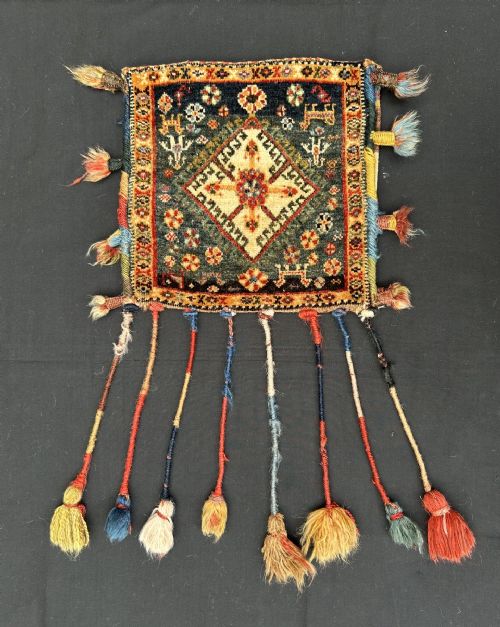
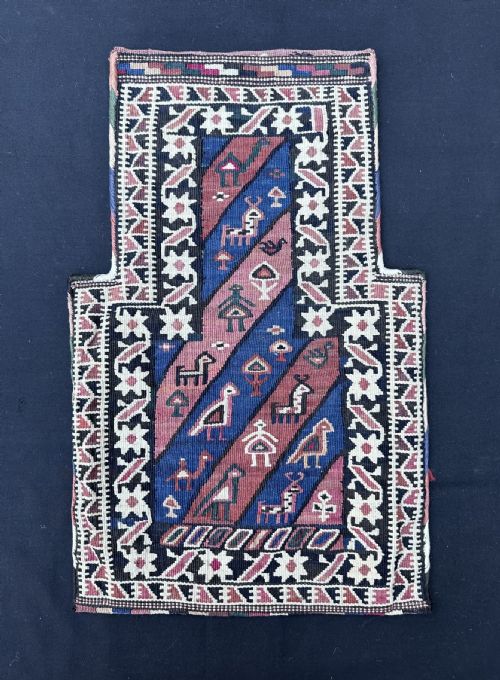
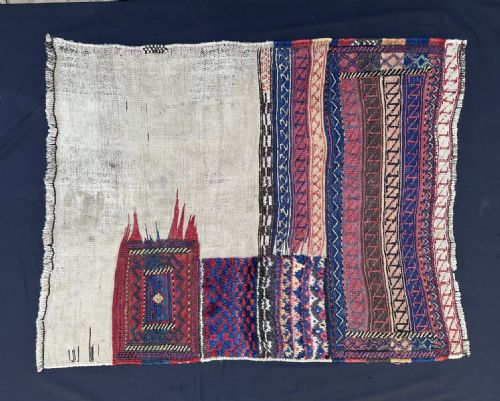
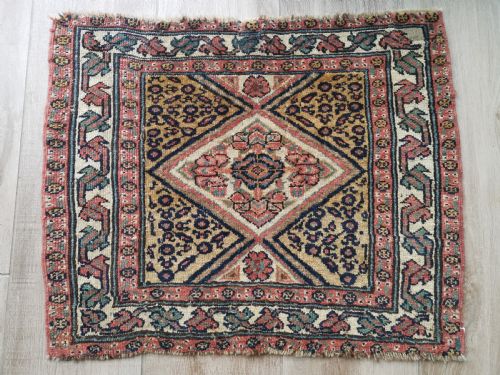
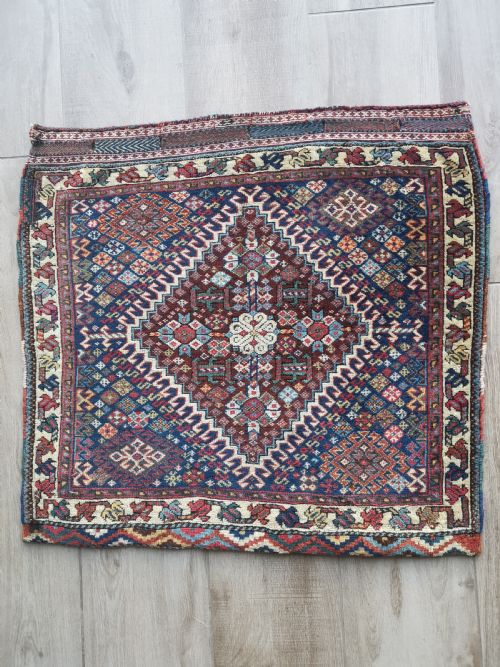
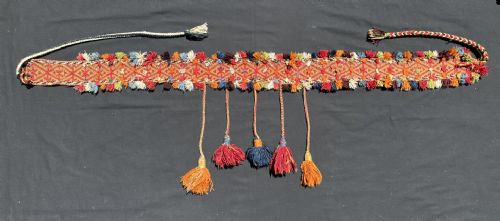
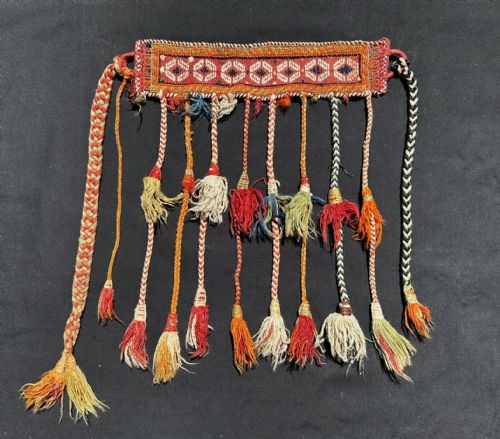
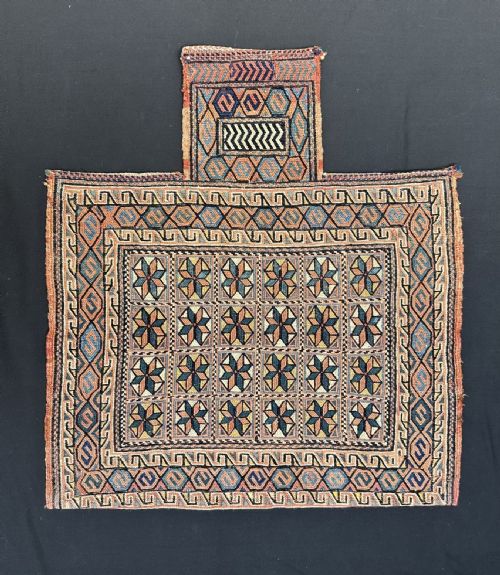
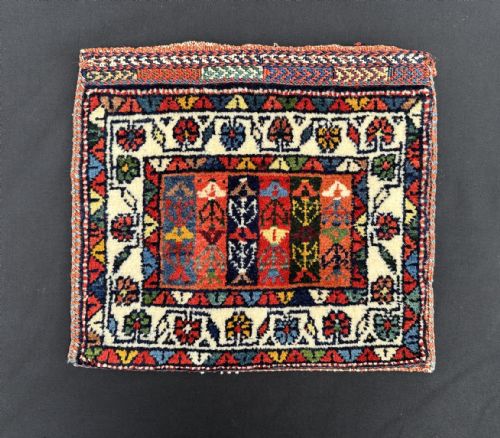
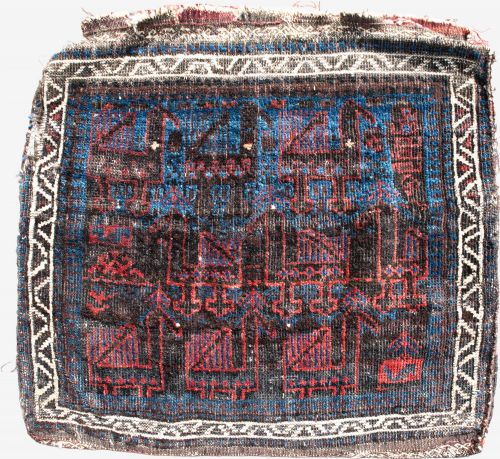
The aesthetic centres on geometric motifs, animal trappings, and symbolic patterns created by specific regional confederacies. Buyers choose these textiles to introduce earthy palettes and textured storytelling to interior spaces.
Assessing Quality and Execution
Quality rests in the fineness of the weave, the clarity of the geometric design, and the vibrancy imparted by natural dyes. Tightly packed knots and precise structural integrity distinguish superior nomadic weaving.
The handling of traditional iconography by specific tribal sub-groups demonstrates individual weaver skill rather than mass production uniformity.
Persian Tribal Wall Hanging Retail Price Guide 2026
Typical asking prices for persian tribal wall hanging among the pieces listed under this phrase on Sellingantiques today, from the lower quarter to the upper quarter. They describe what is for sale here now, not the wider market.
Listings span periods from the mid-nineteenth century up to 1920, featuring wool, cotton, goat hair, and cowrie shells.
The Persian Tribal Wall Hanging Glossary
- Sofreh
- A flatwoven cloth used for dining or kneading bread, often featuring striking tribal medallions.
- Khorjin
- A traditional pair of saddlebags used for transport by nomadic tribes, frequently divided into collectible bagfaces.
- Sumac
- A supplementary weft-wrapping technique that creates a durable, textured surface without a pile.
- Chanteh
- A small vanity or personal bag woven by nomads for carrying small possessions.
- Jajim
- A brightly striped flatwoven textile utilised for bedding or utilitarian wrapping.
Persian Tribal Wall Hanging: Frequently Asked Questions
How do I hang a textile safely?
Mounting requires a fabric sleeve stitched carefully to the reverse top edge, supported by a padded wooden baton or conservation-grade rod. This distributes the weight evenly across the wool fibres without piercing the original weave.
Avoid using direct pins or nails that can cause tearing or localized stress over time. Keep the hanging away from prolonged direct sunlight to protect the natural dyes from fading.
Which tribes made these pieces?
The pieces originate from various nomadic and semi-nomadic groups across regions such as Fars, Kerman, and Khorassan. Prominent makers include the Qashqai confederacy, Afshar nomads, Shahsavan groups, and Baluch tribes.
Each group utilised distinct colour combinations, structural techniques, and symbolic motifs passed down through generations.
Are these items authentic antiques?
The listings comprise items originating primarily from the nineteenth and early twentieth centuries, spanning periods from the 1850s through to the 1920s. They were produced for actual nomadic daily life and domestic use rather than the modern export market.
Materials like hand-spun wool, natural dyes, and traditional tribal structures confirm their period manufacture.
How should I clean my textile?
Gentle surface cleaning involves light suction through a mesh screen using a vacuum cleaner on a low setting. Professional textile conservators should handle any deeper cleaning needs to prevent dye bleeding or wool shrinkage.
Water and standard household detergents can permanently damage antique natural dyes and brittle fibres.