




Antique Oriental Bag Face
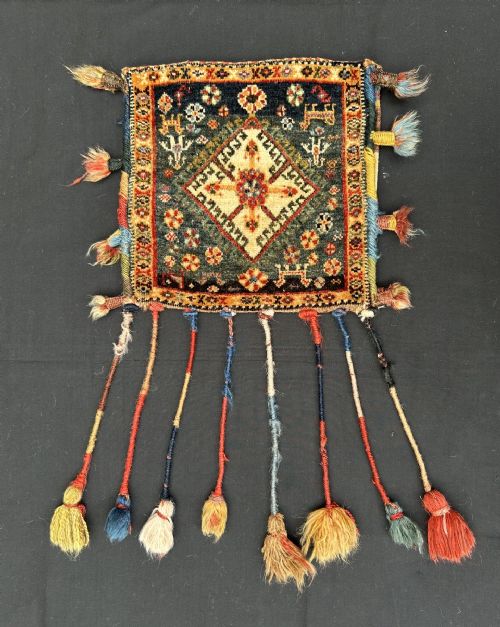
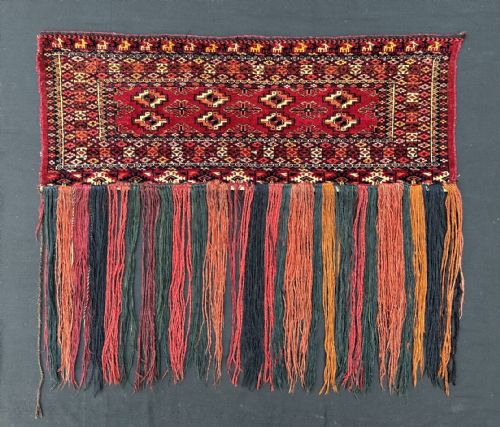
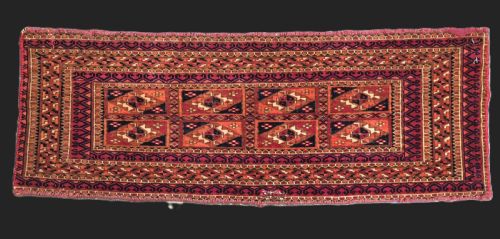
When you collect an antique oriental bag face, you hold a nomadic textile fragment that once served as a functional storage pouch or saddlebag.
Antique Oriental Bag Face
An antique oriental bag face is the front portion of a woven tribal container, separated from its original back panel or preserved intact with hanging loops and wool reverses.
These pieces originate from nomadic and village weavers across Central Asia, Persia, and the Caucasus, including Turkmen tribes, Qashqa'i confederacies, and Kurdish groups.
The selections on this page span the mid-nineteenth century through the early twentieth century, taking forms such as torbas, chuvals, kap faces, and small vanity or spindle bags.
Materials and construction methods
Weavers constructed these pieces using hand-spun wool for the pile and foundation, occasionally incorporating cotton or silk highlights and securing structures with flatweave backs or finishes.
Makers dyed their yarns utilising natural and vegetable sources, producing rich tones that ground the repeating geometric motifs and tribal guls.
Antique Oriental Bag Face Retail Price Guide 2026
Typical asking prices for oriental bag face among the pieces listed under this phrase on Sellingantiques today, from the lower quarter to the upper quarter. They describe what is for sale here now, not the wider market.
Some bag faces still retain faint traces of camel dust tucked deep in the lower knots.
Factors determining the calibre of a piece
The refinement of a piece rests upon the density of the knotting and the crispness of the drawing within the primary guls and secondary ornaments.
Purity and depth of natural dye saturation distinguish superior examples, alongside the integrity of the wool handle and the precision of the tribal border arrangements.
Tekke Turkmen·Yomut Tribes·Ersari Turkmen·Saryk Turkmen
The Antique Oriental Bag Face Glossary
- Torba
- A small Turkmen storage bag, typically wider than it is tall, used for household possessions within a yurt.
- Chuval
- A large Turkmen tent-storage bag designed for bedding and clothing, often displaying multiple major guls across the face.
- Gul
- A repeating primary medallion or octagonal motif characteristic of Turkmen and Central Asian tribal weaving traditions.
- Khorjin
- A traditional double-sided saddlebag used by nomadic groups for transport on animals, frequently found separated into individual bag faces.
- Sumac
- A warp-wrapping flatweave technique that produces a durable, textured surface without a pile, common in Caucasian and Persian tribal work.
Antique Oriental Bag Face: Frequently Asked Questions
What were antique bag faces used for?
Nomadic families utilised these woven compartments inside tents and on pack animals to store household goods, blankets, and personal items.
Over decades, many functional sacks were divided into individual panels by collectors who prized the front decorative designs for display.
How do I hang a bag face on the wall?
Many examples retain original loops or require a custom sleeve attached along the upper edge for mounting on a rod or display board.
Conservation-grade velcro stitched to a cotton backing provides a secure method for supporting heavier wool pile textiles without causing structural damage.
How can I tell different Turkmen tribes apart?
Weavers from groups such as the Tekke, Yomut, Saryk, and Ersari employed distinct structural proportions, secondary ornaments, and variations of the octagonal gul.
Palette choices and minor border details also offer clear indicators of the specific regional workshop or nomadic camp.
Are these pieces made with natural dyes?
The pieces from this era rely on traditional plant and insect-derived colorants that yield deep indigos, madders, and yellows.
These natural compounds age gracefully, developing subtle tonal shifts across the wool pile over generations of exposure and handling.