
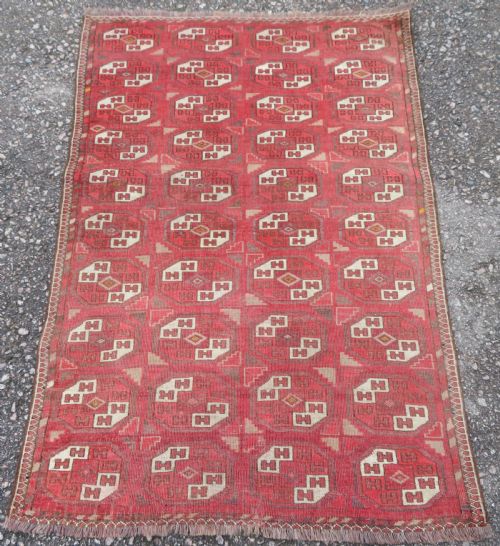
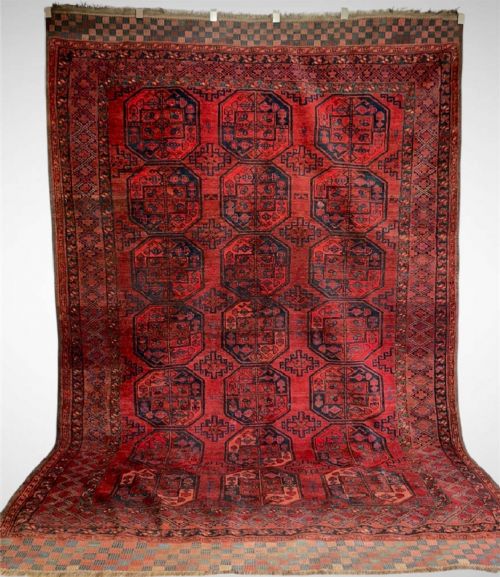


Antique Ersari Rug
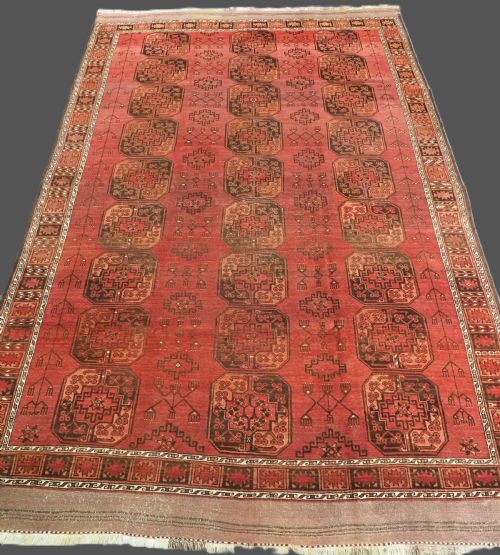
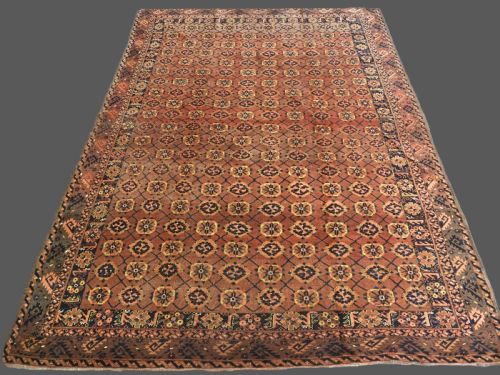
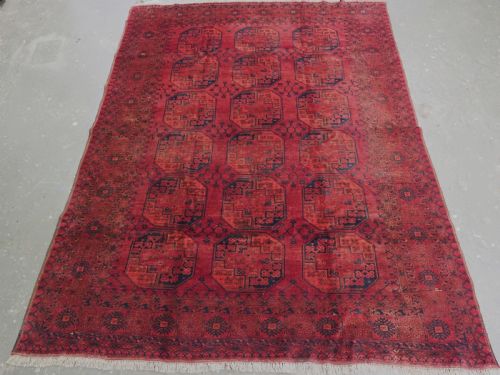
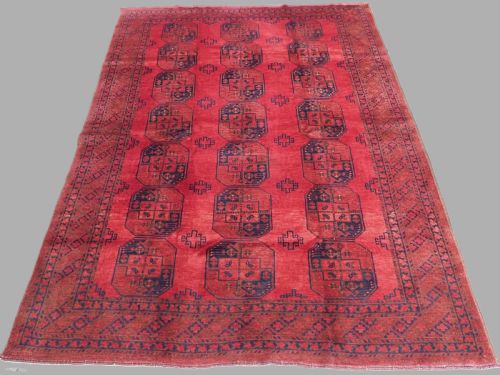
When you search for an antique ersari rug, you are looking at tribal weaving from Central Asia defined by rich natural dyes and bold guls.
Antique Ersari Rug
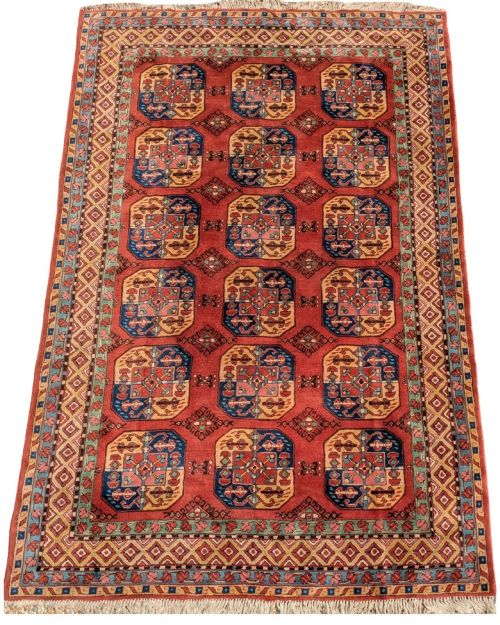
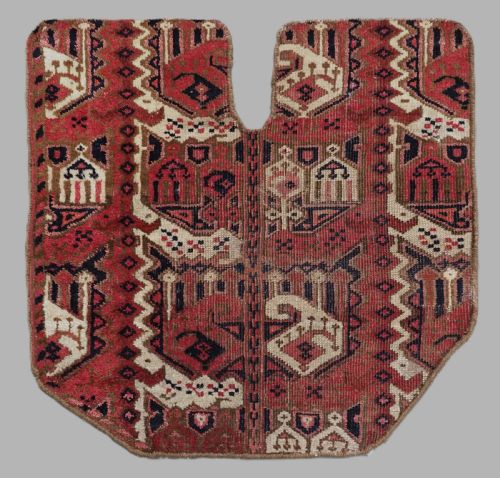
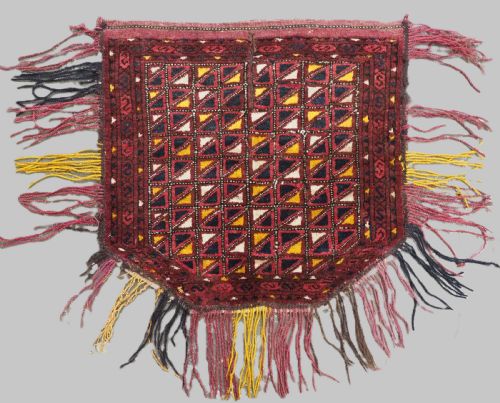
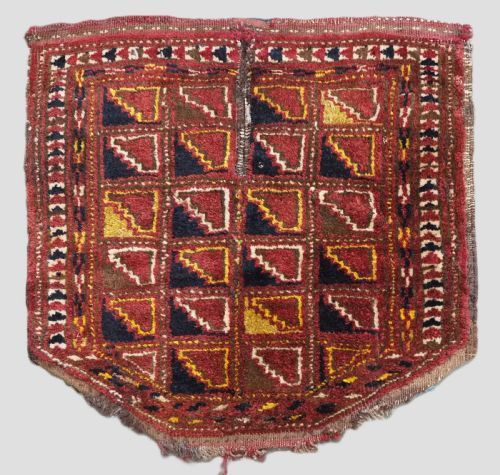
An antique ersari rug represents the tribal textile traditions of the Ersari Turkmen people, originating from Central Asia and northern Afghanistan. These pieces range from large main carpets and kelleh formats down to smaller utilitarian forms such as chuval faces, torbas, and saddle covers.
You will most frequently encounter rugs dating from the late nineteenth century up to the early twentieth century, spanning periods around eighteen sixty to nineteen ten. These textiles served vital domestic and nomadic functions within the yurt, functioning as floor coverings, door hangings, and storage bags.
The aesthetic is rooted in tribal design, featuring repeating guls, star in octagon motifs, and distinctive elem panels at the ends. Examples encompass both village productions and specialised dowry rugs, offering a direct tangible link to nineteenth century Central Asian tribal life.
Materials and Construction
The construction relies fundamentally on wool, utilising hand-spun wool that yields soft textures and hard-wearing qualities suitable for nomadic daily use. Weavers employed natural dyes to achieve a palette characterised by warm, earthy tones and deep hues.
The technical execution involves traditional hand-knotting techniques passed down through generations of tribal weavers in the Amu Darya region. This fibrous structure accounts for the survival of these carpets and trappings across more than a century of use.
Antique Ersari Rug Retail Price Guide 2026
Typical asking prices for ersari rug among the pieces listed under this phrase on Sellingantiques today, from the lower quarter to the upper quarter. They describe what is for sale here now, not the wider market.
The documented object forms range from large main carpets and kelleh formats to small trappings, chuval faces, torbas, and saddle covers.
Assessing Quality and Merit
Quality in these textiles rests upon the handle of the wool and the depth achieved through natural dyeing methods. Pieces exhibiting soft, lustrous wool paired with vibrant or deeply harmonious earth colours stand apart from standard examples.
Design clarity and format unusualness also elevate certain pieces, such as those displaying specific gul counts, intricate star motifs, or scarce prayer rug and ensi layouts. The integrity of the weave and the preservation of the original borders and elem panels further determine the standing of an individual textile.
The Antique Ersari Rug Glossary
- Gul
- A primary medallion motif repeated across Turkmen carpets. It often indicates the specific tribal subgrouping of the weavers.
- Chuval
- A large tent bag used for storage inside the yurt. These are frequently collected today as small face rugs after the back panel has been removed.
- Torba
- A smaller wall-hanging bag produced by tribal weavers. They display finely scaled secondary gul patterns and detailed borders.
- Eshmek
- A decorative lower panel or skirt found at the ends of main carpets and chuvals. These areas often contain distinct secondary ornamentation.
- Kelleh
- A long, narrow format carpet traditionally placed along the side of a large room. They require considerable length and disciplined repeating geometry.
- Ensi
- A cross-shaped carpet used specifically as a tent door hanging. The design layout typically mimics the division of a yurt entrance.
Antique Ersari Rug: Frequently Asked Questions
What is an ersari rug?
An antique ersari rug is a hand-knotted textile made by the Ersari Turkmen tribes of Central Asia and northern Afghanistan. They are traditionally recognised by their distinctive guls, wool construction, and earthy natural colour palettes.
These pieces were woven for practical nomadic and village life, functioning as floor coverings or storage trappings within the traditional yurt. Today they are prized by collectors for their rich history and decorative presence.
How do I care for an antique rug?
Living with these textiles requires gentle maintenance, primarily consisting of careful vacuuming without a beater bar and keeping them out of direct sunlight. Professional cleaning tailored to antique wool and natural dyes should be utilised when necessary.
Placing a suitable underlay beneath the textile prevents slipping and reduces fibre wear against hard floors. Allowing the rug to breathe and rotating it periodically ensures even exposure and longevity.
How can I tell the age of a rug?
Dating relies on examining the wool quality, the chemical composition of the natural dyes, and the structural characteristics of the weave. Pieces from the mid to late nineteenth century often display softer handle wool and specific regional design traits.
Comparing structural formats, such as knot depression and edge finishing, helps distinguish nineteenth century productions from later twentieth century village weaving. Archive comparisons provide further benchmarks for establishing probable decades of origin.
Where were these rugs made?
These textiles were produced by nomadic and settled tribal groups residing along the Middle Amu Darya basin and northern Afghanistan. Specific attribution often points towards regional villages and tribal encampments in those territories.
The geography of the region influenced the materials available, leading to the distinctive hand-spun wool and natural dye palettes characteristic of nineteenth century production. Local weaving traditions dictated the specific patterns and formats created.