

Red Turkmen Carpet
When you search for a red turkmen carpet, you enter a tradition of Central Asian tribal weaving defined by rich madder tones and precise geometric motifs.
Red Turkmen Carpet
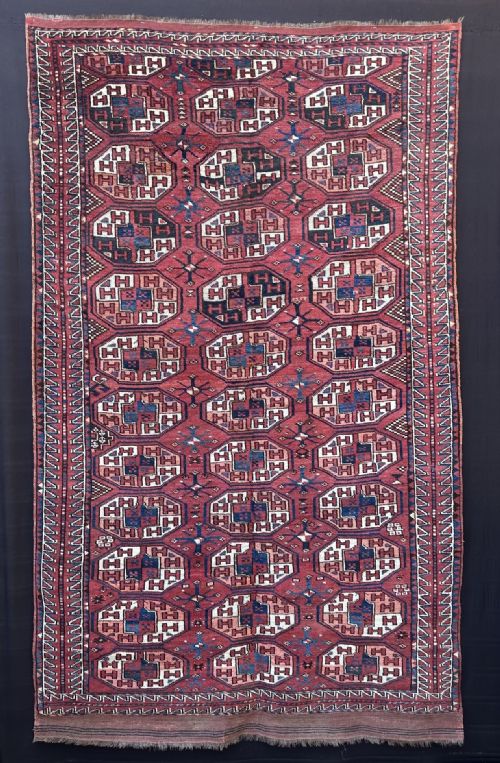
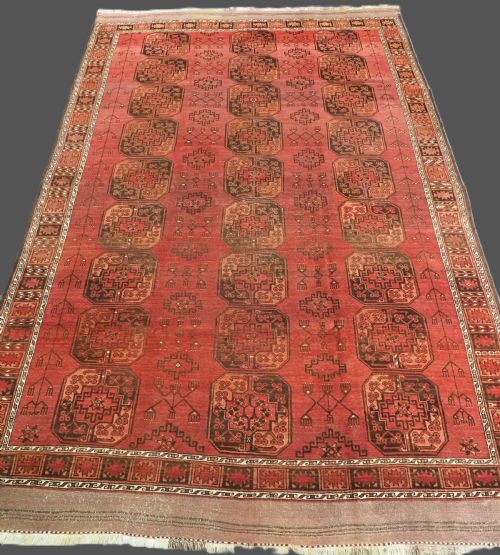
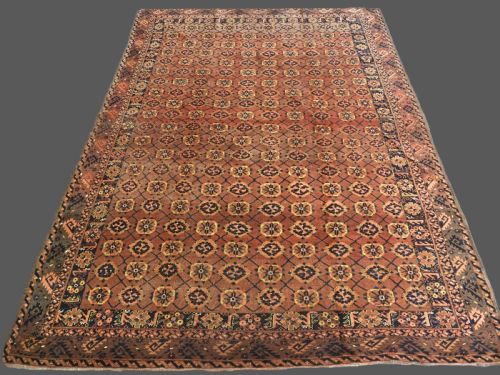
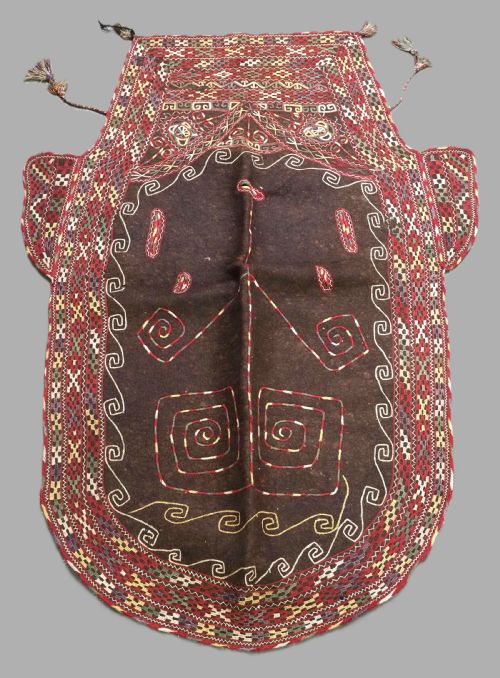
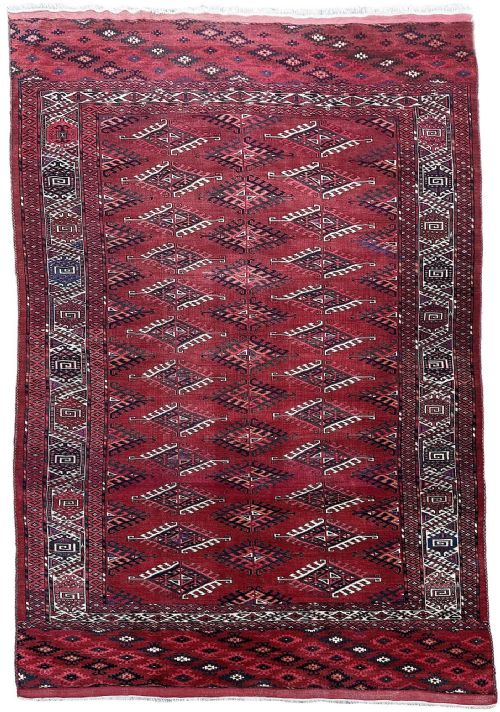
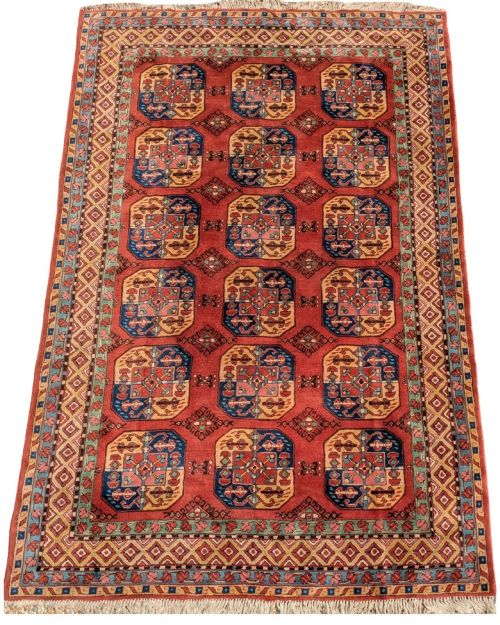
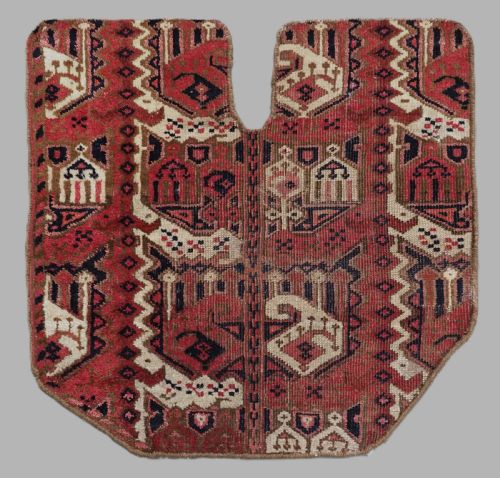
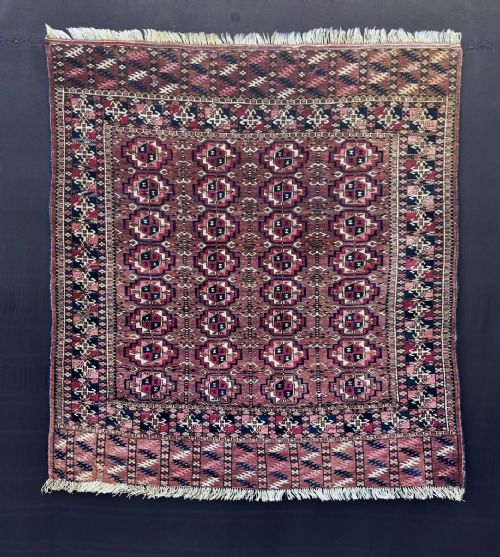
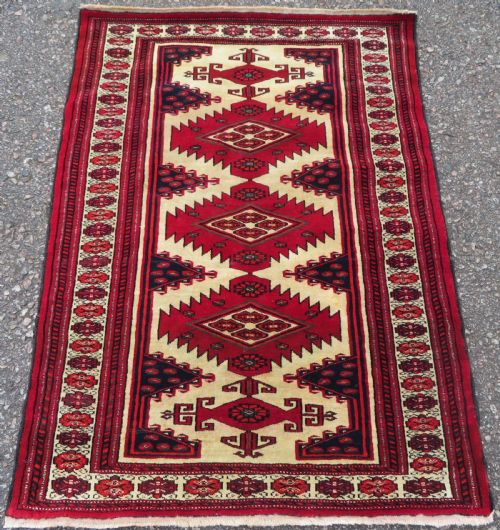
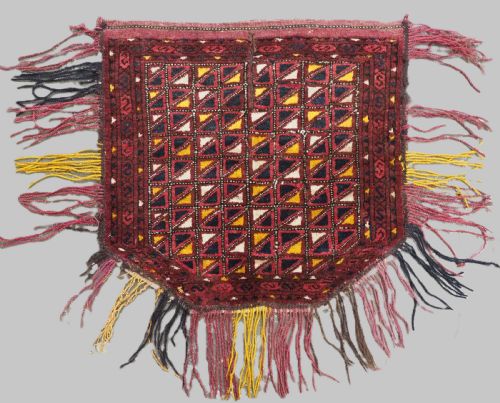
A red turkmen carpet encompasses large floor carpets, tent door rugs, main carpets, and smaller functional items like saddle covers and cushion faces created by nomadic and village groups. These pieces originate from regions across Central Asia and span the nineteenth and early twentieth centuries, reflecting the heritage of specific tribal confederations.
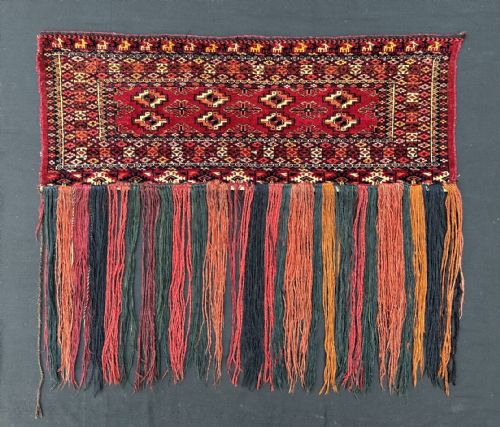
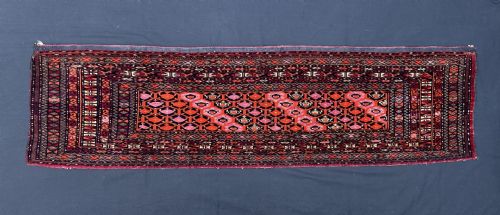
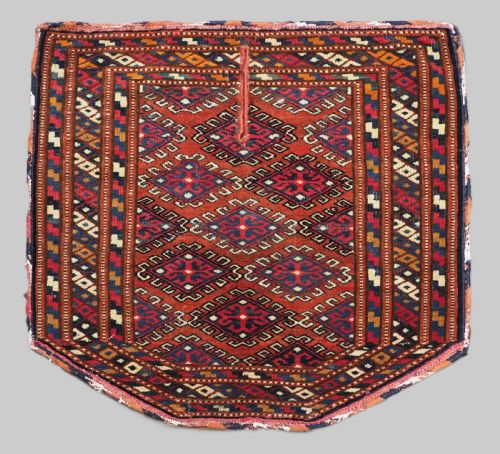
The objects on this page range from expansive main carpets to smaller utilitarian bags such as torbas, chuvals, and kapunuks. Each form served a distinct purpose within nomadic domestic life, from interior tent decoration to the transport of household goods.
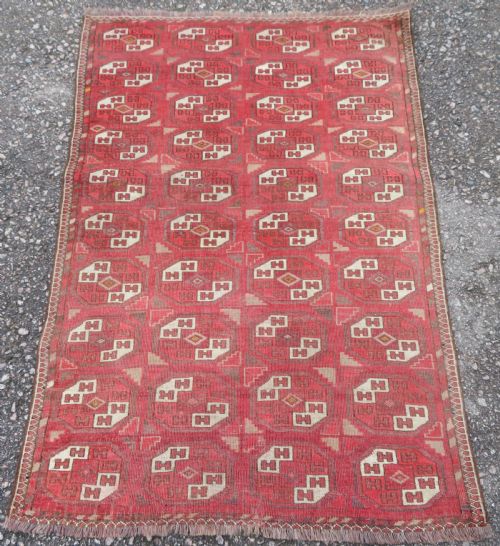
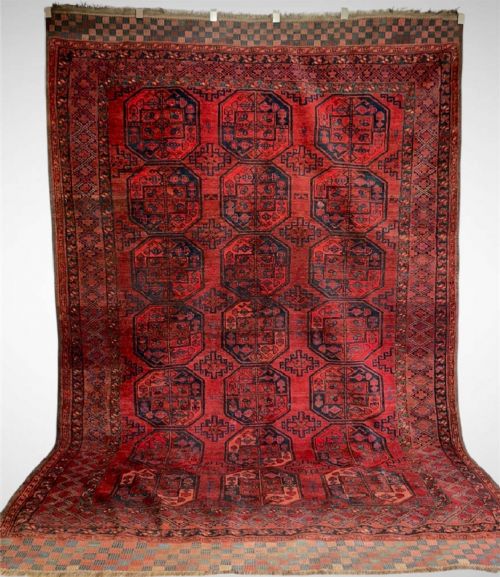
Tribal weavers utilised structured layouts dominated by repeating secondary motifs and primary guls. Examples span diverse formats including long rugs, wedding rugs, and ceremonial horse blankets.
Evaluating Quality and Detail
Quality in a red turkmen carpet rests upon the density and precision of the weave. Finer knotting and careful execution of complex gul designs separate standard utilitarian work from exceptional tribal examples.
The integrity of the natural dyes and the survival of original elements such as flatweave backs, tassels, and selvedges influence the standing of an individual piece.
Red Turkmen Carpet Retail Price Guide 2026
Typical asking prices for red turkmen carpet among the pieces listed under this phrase on Sellingantiques today, from the lower quarter to the upper quarter. They describe what is for sale here now, not the wider market.
Listings span multiple decades from the mid-nineteenth century through the early twentieth century, utilising hand-spun wool and natural dyes.
Tekke Tribe·Ersari Tribe·Yomut Tribe·Saryk Tribe·Kizyl Ayak Tribe
The Red Turkmen Carpet Glossary
- Gul
- A primary medallion or repeating octagonal motif characteristic of Central Asian tribal rugs. These emblems often identify the specific tribe or clan that produced the textile.
- Torba
- A small storage bag or trapping used inside a nomadic tent. These rectangular pieces frequently feature elaborate face designs.
- Chuval
- A large tent bag used for household storage by nomadic families. They display detailed guls similar to those found on main carpets.
- Engsi
- A specialised rug hung over the entrance doorway inside a felt tent or yurt. They typically feature a quartered design layout.
- Asmalyk
- A pentagonal trapping mounted on the flanks of a camel during wedding processions. These ceremonial objects display distinctive tribal iconography.
Red Turkmen Carpet: Frequently Asked Questions
How were these carpets used in daily life?
Nomadic groups utilised these textiles for both domestic comfort and practical storage within their portable dwellings. Floor coverings provided insulation against the ground, while various sized bags held household possessions.
Specialised pieces also served ceremonial functions during weddings and community gatherings, marking important milestones for the tribe.
What do the different gul designs mean?
The repeating octagonal motifs known as guls functioned as tribal insignia and clan markers. Specific patterns allowed members to identify the origin and heritage of a particular textile at a glance.
Over generations, individual weavers adapted these traditional geometries while maintaining the core visual vocabulary of their specific confederation.
How do I care for an antique textile?
Protect these pieces by keeping them out of direct sunlight to preserve the natural dyes. Gentle vacuuming without a beater bar helps remove dust from the wool pile.
Professional textile conservators should handle any major cleaning or structural stabilization to maintain the integrity of the hand-spun fibres.
How can I distinguish between different tribal styles?
Tribal attributions rely on the specific structure of the primary guls, the secondary ornaments, and the choice of palette. For instance, Tekke and Ersari pieces exhibit distinct structural patterns and border arrangements.
Examining the weave density and the handling of the wool also provides clues to whether a piece originates from Yomut, Saryk, or other regional traditions.