






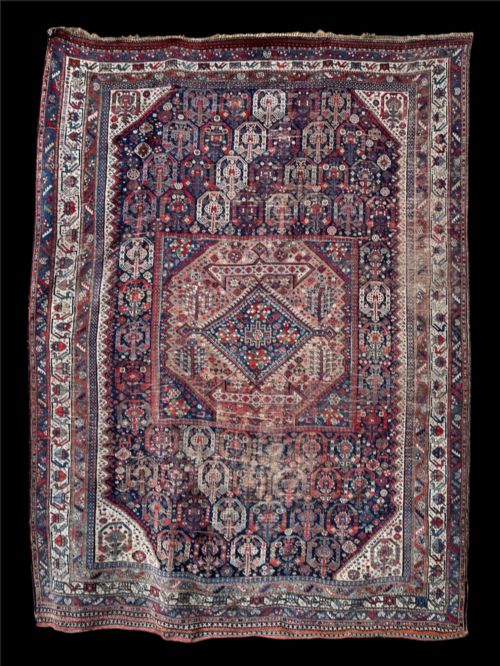
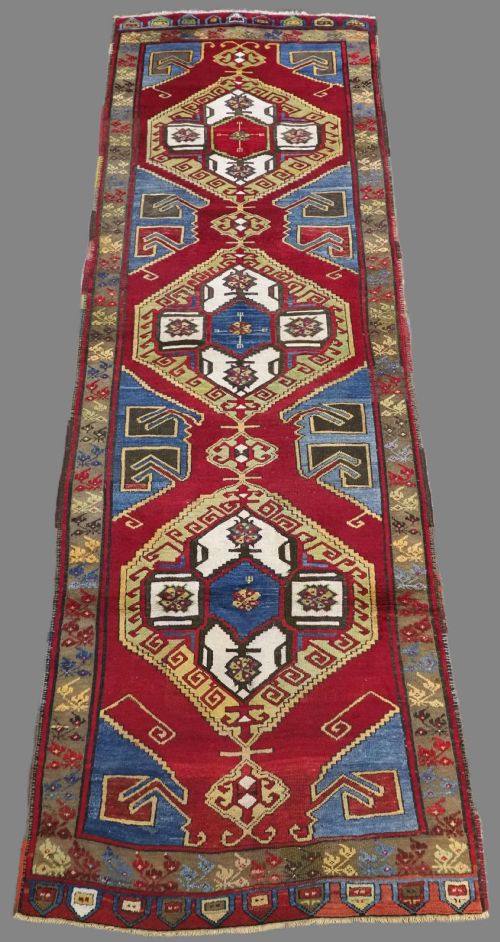
Antique Wool Floor Runner
An antique wool floor runner brings warmth and distinct pattern to corridors, drawing the eye along historic hallways.
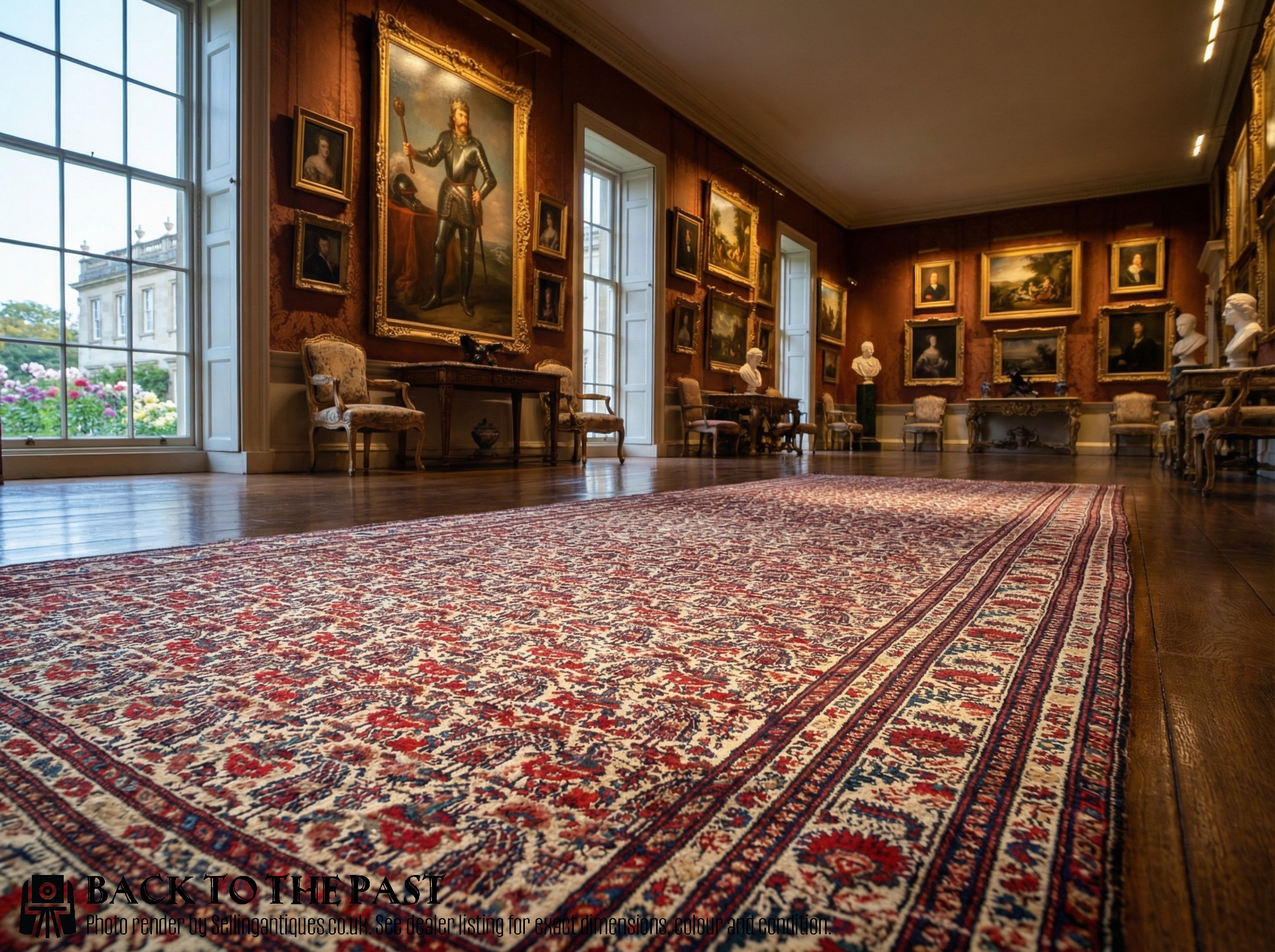
Antique Wool Floor Runner
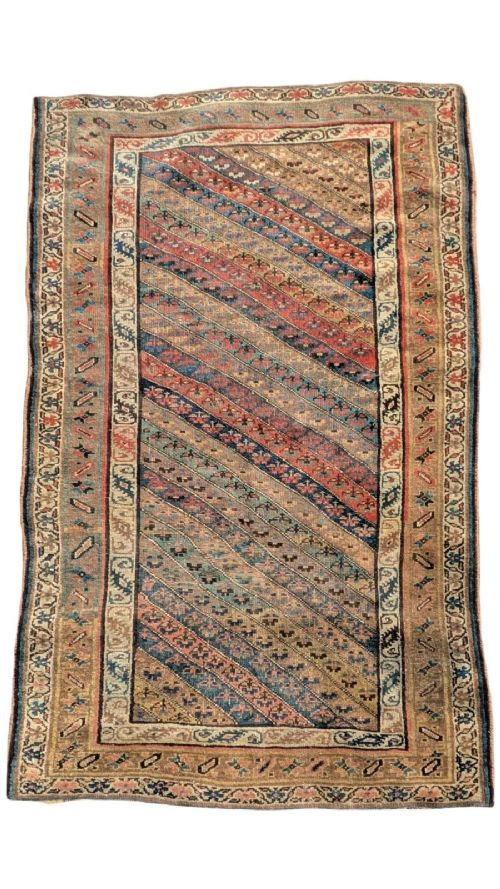
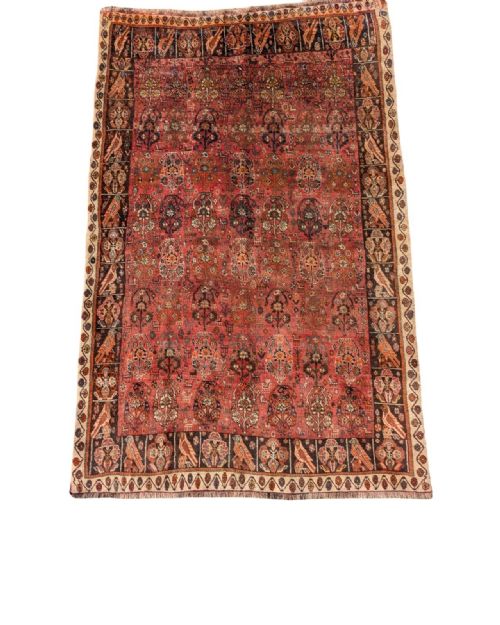
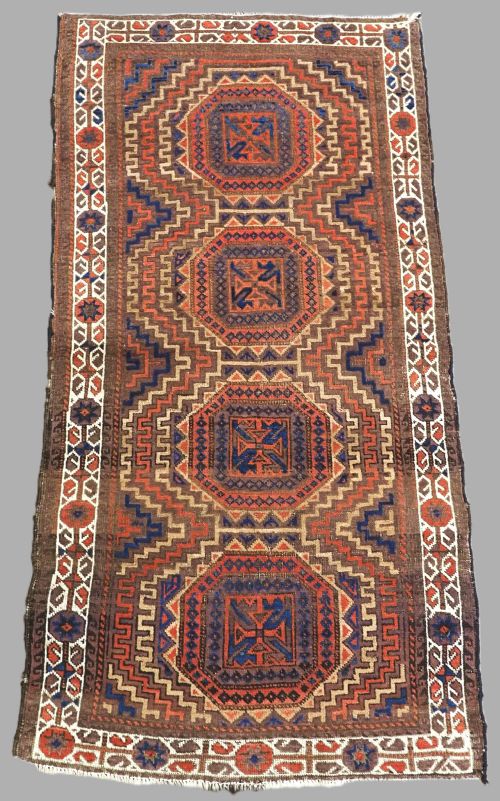
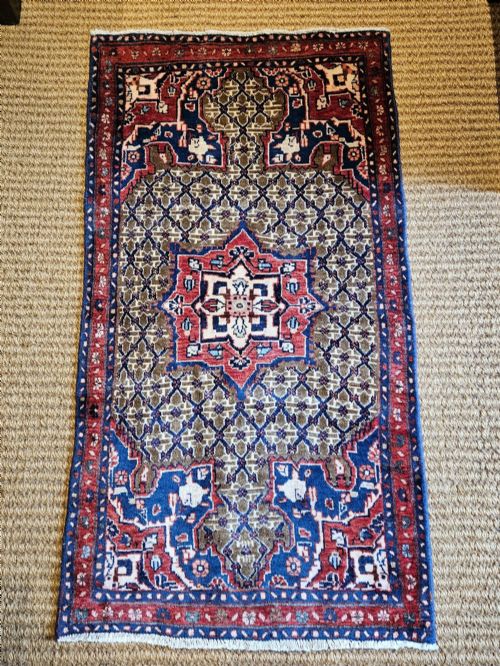
An antique wool floor runner spans forms originating from Persian tribal weavers, Caucasian workshops and Turkish looms. These textiles arrive in long formats suited to hallways and narrow spaces, bridging domestic utility and historic craft.
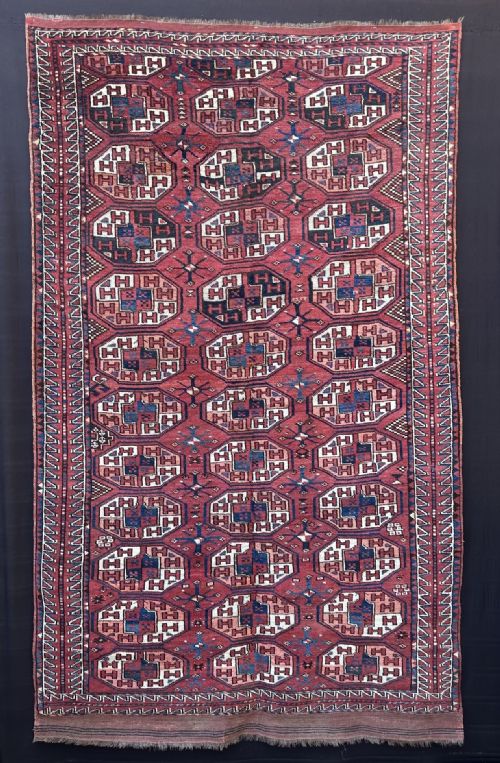
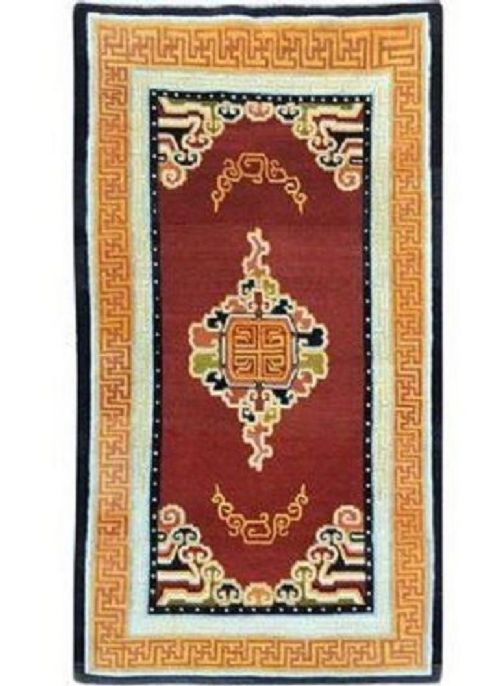
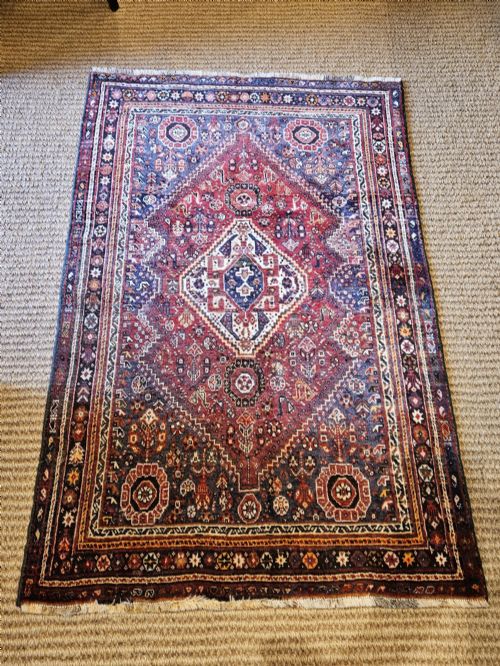
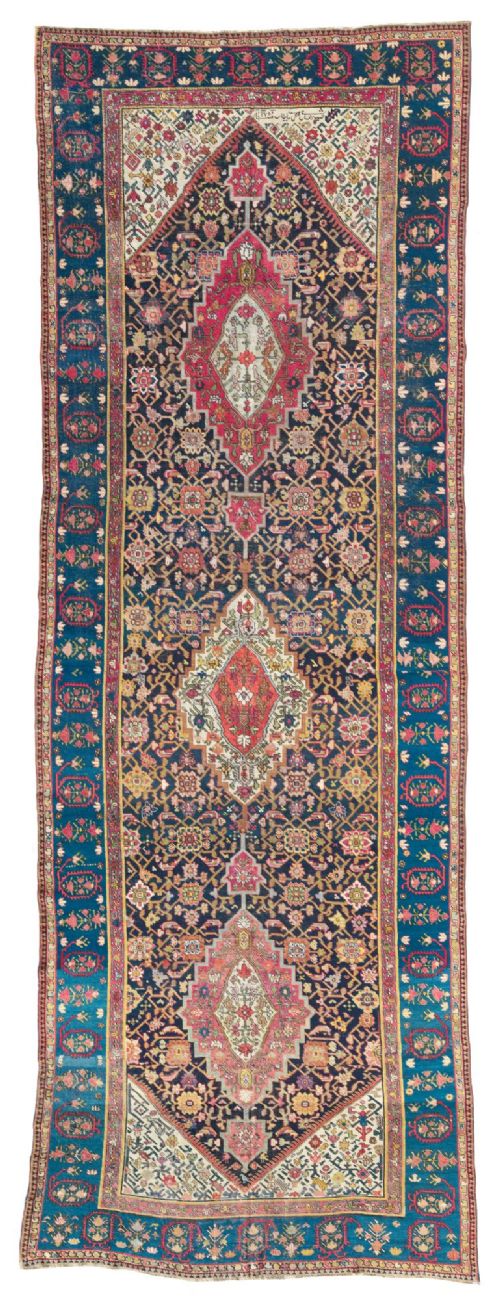
The selections on this page bridge eras from the mid-nineteenth century through the 1930s. Buyers encounter traditional Persian designs alongside nomadic Caucasian and Turkmen pieces, each offering distinct geometric or floral motifs.
Makers ranged from village weavers working on upright looms to nomadic tribes carrying traditions across regions. Their output prioritised durability underfoot combined with rich regional iconography.
Materials and Construction
Wool serves as the primary structural and surface material, often paired with cotton foundations for stability in longer formats. Hand-spun wool yarns absorb natural dyes unevenly, creating subtle variations in tone across the surface.
Weavers knotted these pieces by hand onto warp and weft foundations, securing the pile with dense rows of knots. This traditional method results in a flexible textile that withstands heavy foot traffic while maintaining structural integrity.
Antique Wool Floor Runner Retail Price Guide 2026
Typical asking prices for wool floor runner among the pieces listed under this phrase on Sellingantiques today, from the lower quarter to the upper quarter. They describe what is for sale here now, not the wider market.
Listings span eight distinct decades of production, ranging from eighteen-fifty to nineteen-thirty.
Standards of Execution
Knot density and structural tightness dictate the longevity and definition of the design. Higher quality execution preserves sharp geometric lines or clear floral curves, whereas looser construction yields softer motifs over time.
The integrity of the wool pile and the depth of natural dye saturation distinguish superior examples. Consistent pile height and stable foundation yarns indicate careful historic maintenance and skilled original manufacture.
Kizyl Ayak Tribe·Baharlu Tribal·Fachralo Prayer Rug
The Antique Wool Floor Runner Glossary
- Kelleh
- A large format carpet or long runner traditionally proportioned for specific room layouts. It provides extended rectangular coverage compared to standard scatter sizes.
- Gul
- A medallion motif repeated across tribal carpets, particularly associated with Turkmen and Baluch weaving traditions. Each shape holds specific regional significance.
- Prayer rug
- A small format textile featuring a mihrab arch design indicating the direction of prayer. These pieces often hang on walls or serve designated floor spaces.
- Warp
- The vertical threads stretched upon a loom before weaving begins. Foundation stability depends entirely on the material strength of these underlying cords.
- Weft
- The horizontal threads passed through the warp to secure the knots in place. This grid forms the durable skeleton beneath the wool pile.
Antique Wool Floor Runner: Frequently Asked Questions
Where should I place a long runner?
These narrow textiles fit naturally in hallways, corridors and entryways where foot traffic benefits from floor protection. Their elongated proportions guide movement through domestic spaces.
Position them away from direct moisture to preserve the natural wool fibres over decades of daily use.
How do I care for historic wool?
Regular gentle vacuuming without a rotating brush roll prevents dust accumulation within the pile. Professional cleaning maintains the natural lanolin content in the wool.
Keep the textile out of harsh direct sunlight to protect natural dye pigments from fading.
Are these pieces suitable for heavy traffic?
Traditional hand-knotted construction creates a dense textile designed for endurance. Wool fibres possess natural resilience against daily compression and wear.
Pairing the textile with a breathable underlay prevents slipping and cushions the foundation against hard flooring.
How can I tell tribal styles apart?
Caucasian and Turkmen pieces rely heavily on geometric polygons, stars and repeating guls. Persian and Turkish workshops tend toward curved floral vines and central medallions.
Examining the border patterns and colour palettes reveals the specific regional heritage of each weave.