



Red Afghan Rug
A red afghan rug brings rich wool warmth and tribal design into a room, spanning styles from Ersari to Turkmen.
Red Afghan Rug
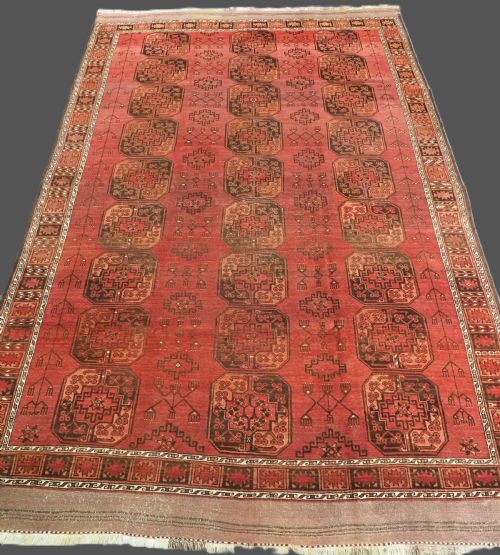
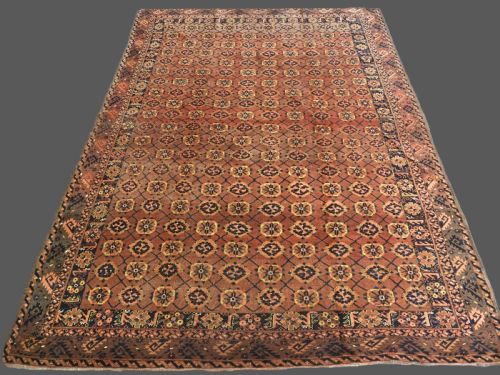
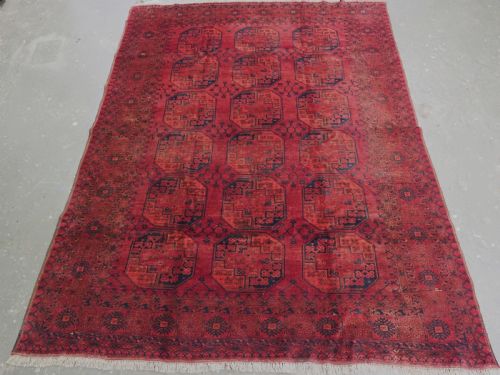
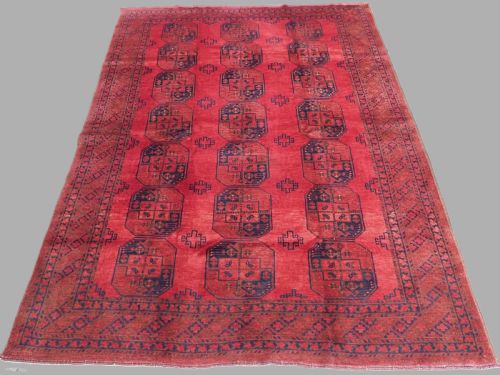
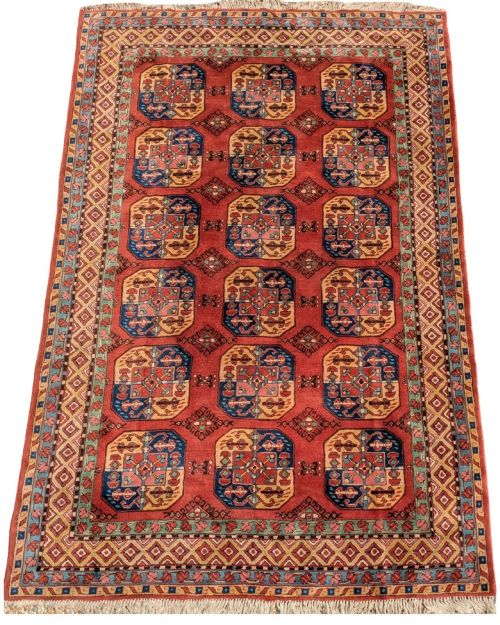
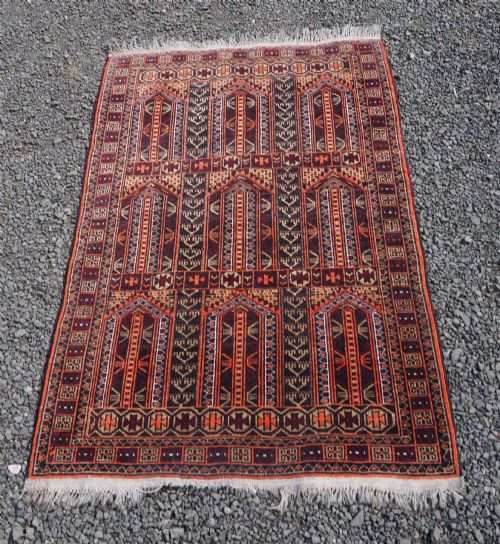
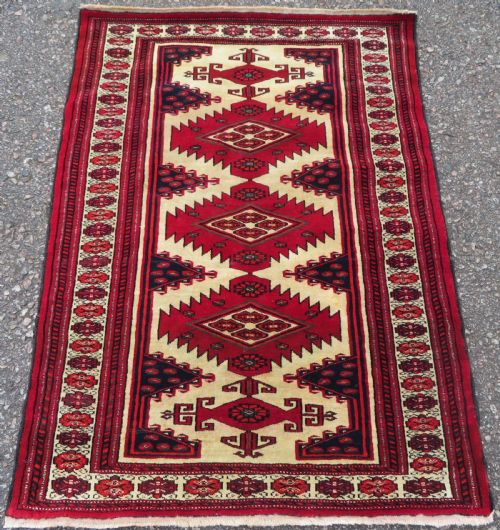
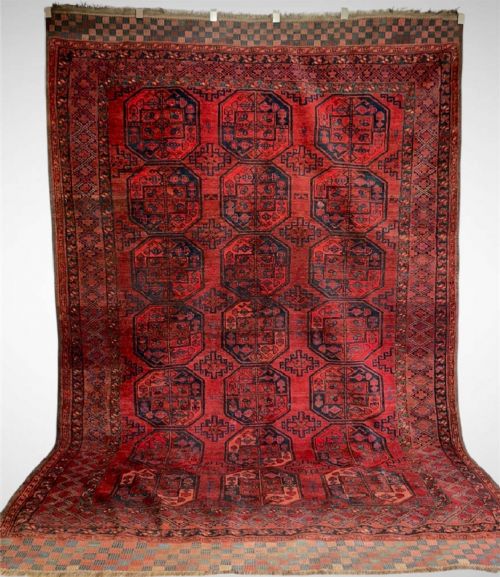
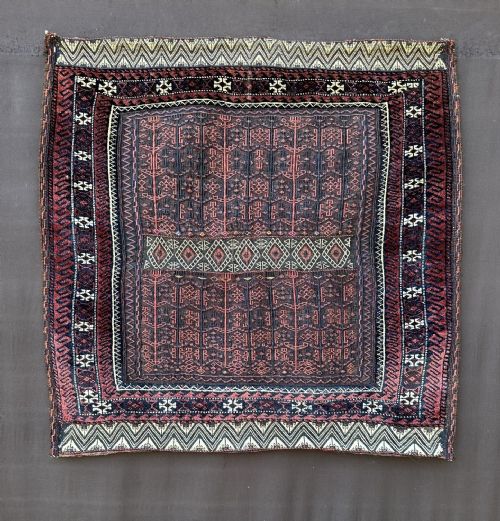
A red afghan rug sits firmly in the tradition of tribal floor coverings, with pieces crossing categories from compact village rugs to large carpets. The options span styles such as Turkmen Tribal, Afghan Ersari, and traditional village designs featuring characteristic gul patterns.
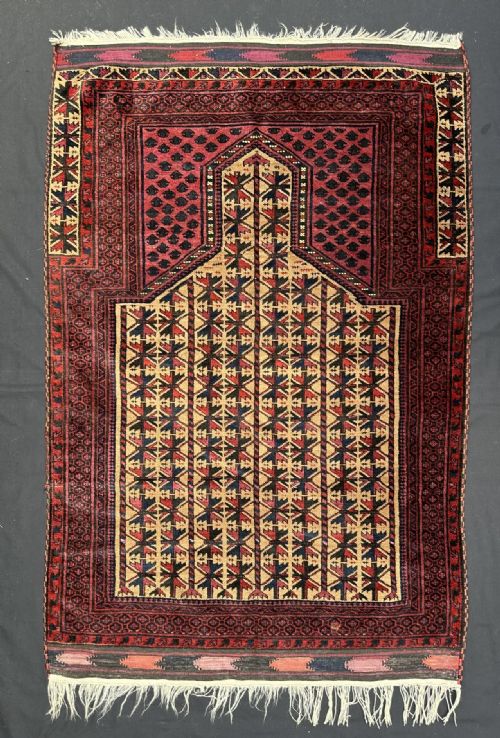
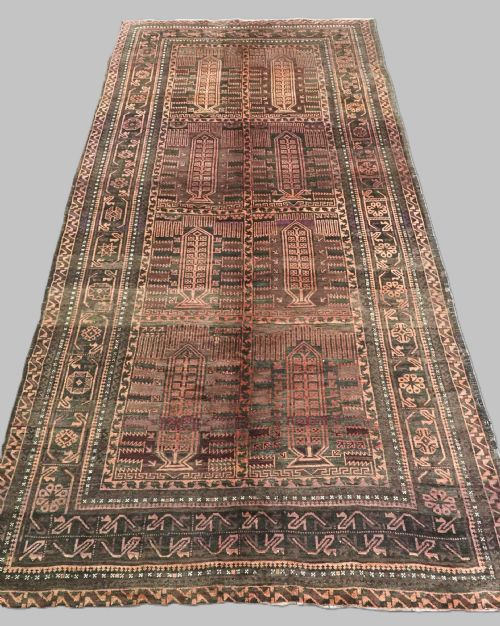
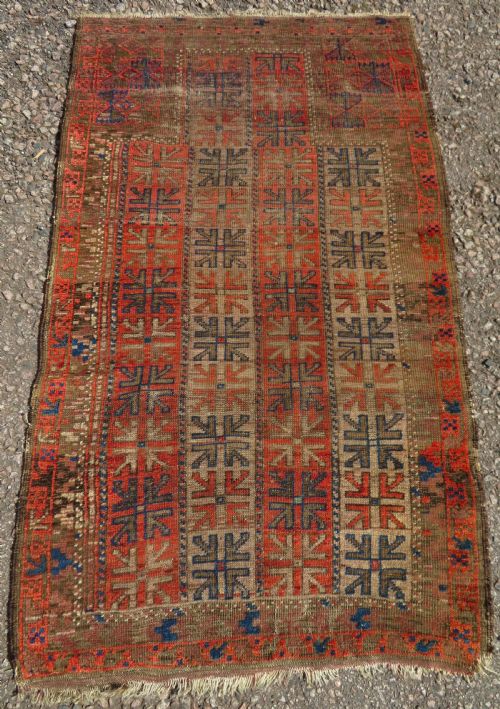
Most examples found here date from the early decades of the twentieth century, specifically around 1900 to 1920, including specific prayer formats like the Kizil Ayak mosque prayer rug with double niches and seh-mihrab layouts.
Buyers encounter everything from expansive main carpets down to intimate area rugs and prayer formats. The overarching aesthetic relies on distinct red tones ranging from plum and soft rose to deep warm hues.
How they were made
Every piece in this category is constructed from wool, chosen for its heavy-duty and hard-wearing qualities on the floor. Artisans wove these carpets using traditional tribal techniques suited to village production.
The materials deliver durability alongside varied pile textures, supporting long-term utility in domestic spaces. Natural variations in the red dye output produce distinct shades from soft rose to deep warm colour.
Red Afghan Rug Retail Price Guide 2026
Typical asking prices for red afghan rug among the pieces listed under this phrase on Sellingantiques today, from the lower quarter to the upper quarter. They describe what is for sale here now, not the wider market.
Design styles span Turkmen Tribal, Afghan Ersari, and traditional village carpet configurations.
What varies in quality
Quality rests on the precision of the traditional tribal design, the depth and nuance of the red colouration, and the density of the wool weave. Superior examples show crisp execution of gul motifs and balanced proportions across the field.
Wear characteristics separate standard utility rugs from finer pieces, where heavy-duty construction meets exceptional preservation of the pile and wool integrity. Format complexity, such as double niche prayer layouts, also distinguishes specific pieces.
The Red Afghan Rug Glossary
- Ersari
- A Turkmen tribal grouping known for distinctive main carpets and village carpets woven with traditional motifs.
- Gul
- A medallion or repeating primary design element found across traditional tribal rugs and carpets.
- Prayer Rug
- A smaller format rug featuring a mihrab or niche design, historically utilised for individual devotion.
- Kizil Ayak
- A specific Turkmen sub-group whose rugs often display distinct prayer formats and mosque designs.
Red Afghan Rug: Frequently Asked Questions
How old are these rugs typically?
The pieces recorded here predominantly date from the early twentieth century, specifically between 1900 and 1920.
This era encompasses traditional village production and tribal weaving traditions from Afghanistan.
What materials are used in construction?
Every rug listed in this category is made from wool, selected for resilience and durability.
The natural fibre supports the heavy-duty and hard-wearing nature of these traditional floor coverings.
What is a prayer rug format?
Prayer rugs feature a distinct architectural niche or mihrab design at one or both ends of the rug.
Examples in this group include single and double niche layouts as well as seh-mihrab variations.
What colours dominate these designs?
The palette centres on various shades of red, spanning warm red, plum red, soft rose, and deep red.
These red tones frequently combine with traditional tribal patterns and gul motifs.