

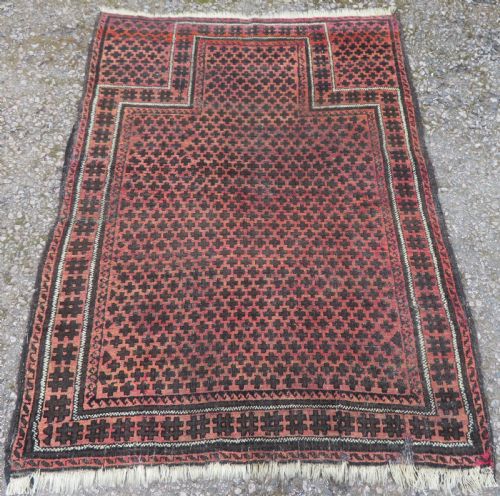


Hand Knotted Prayer Mat
When you search for a hand knotted prayer mat, you enter a world of woven devotion defined by niche arches and regional symbols.
Hand Knotted Prayer Mat
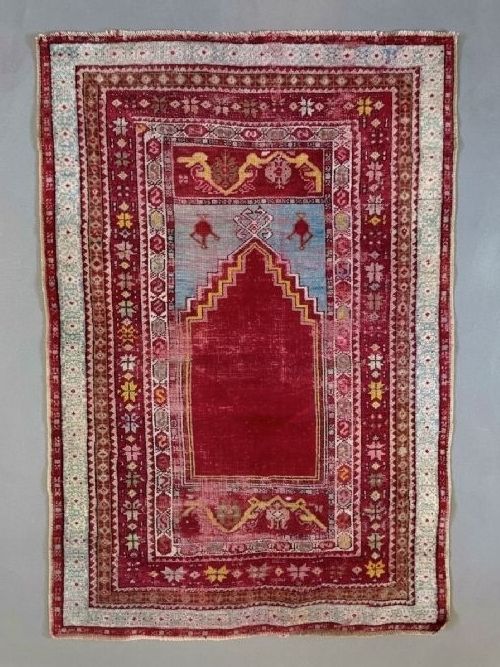
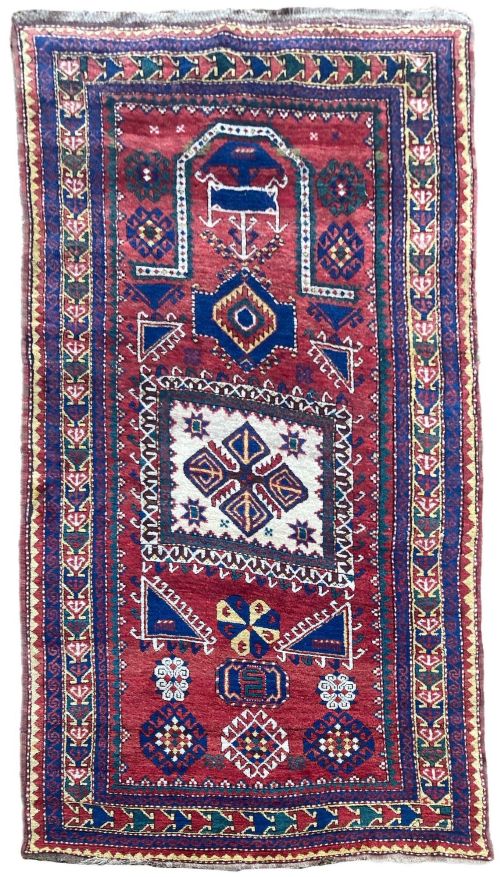
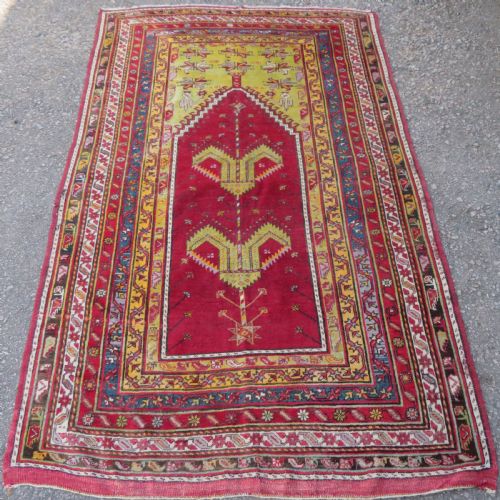
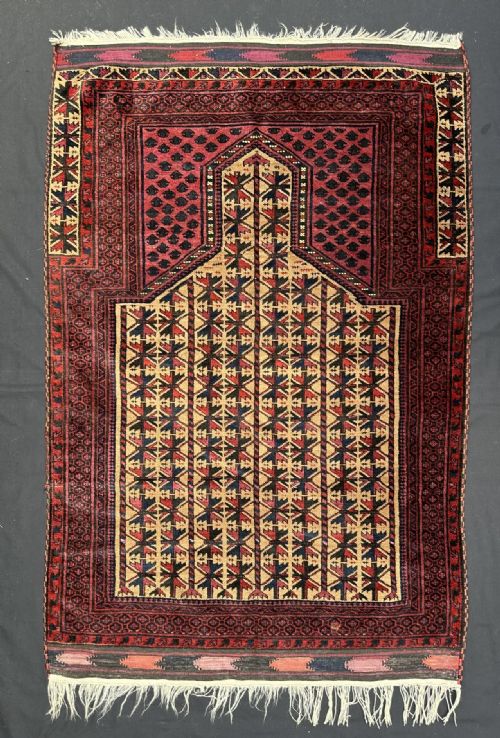
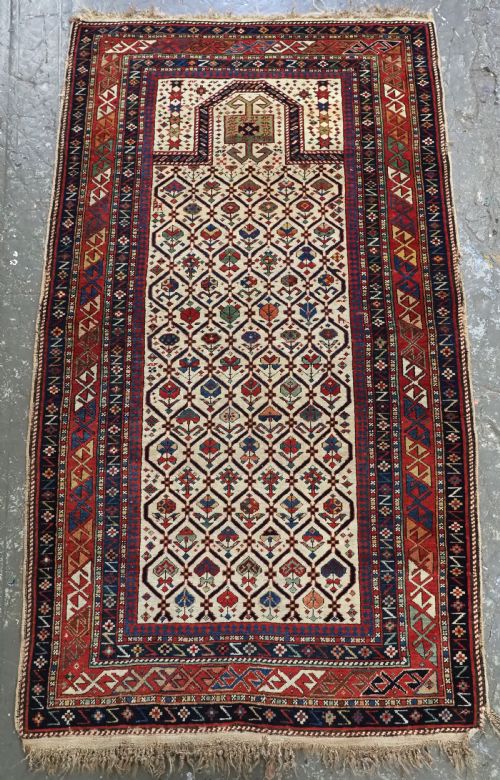
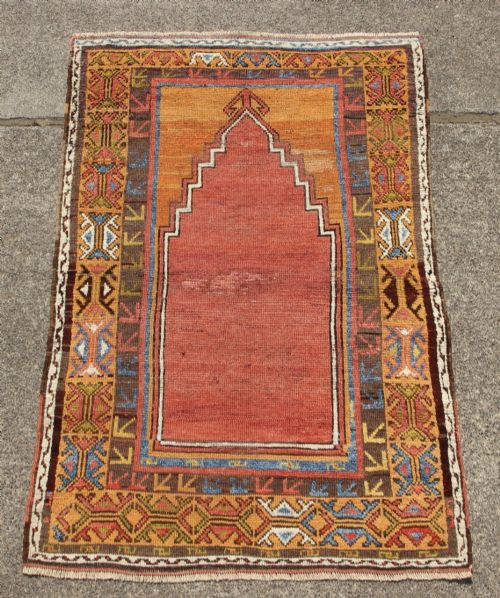
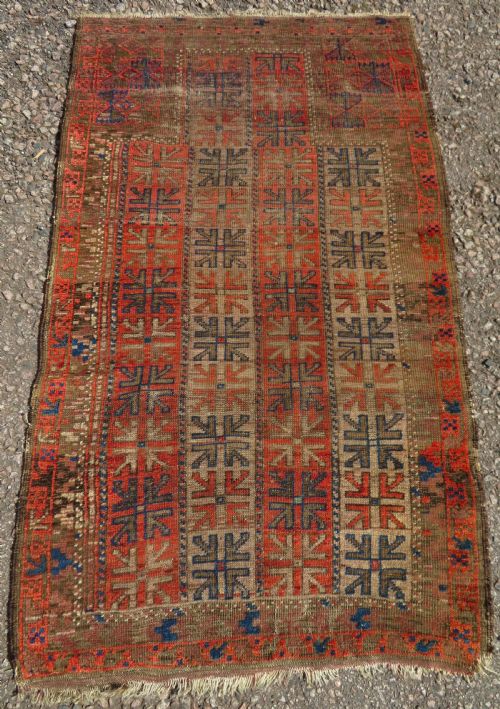
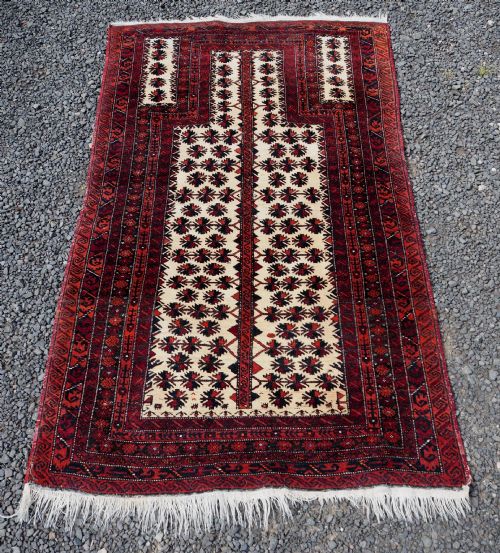
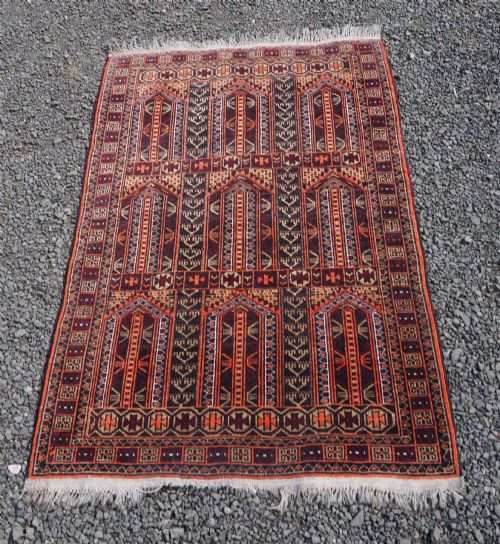
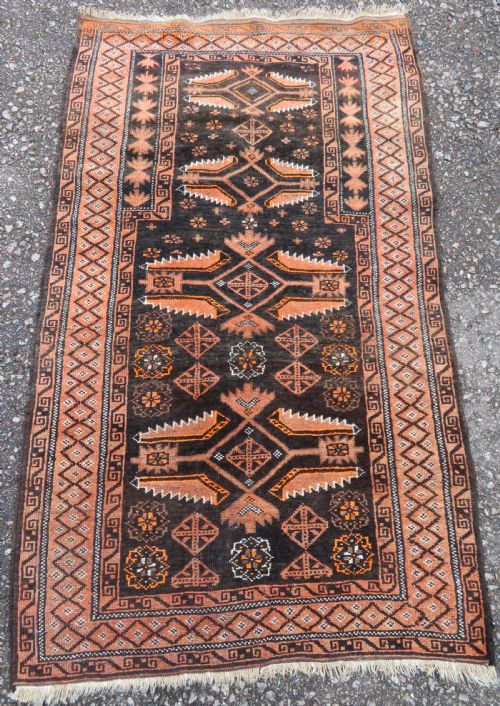
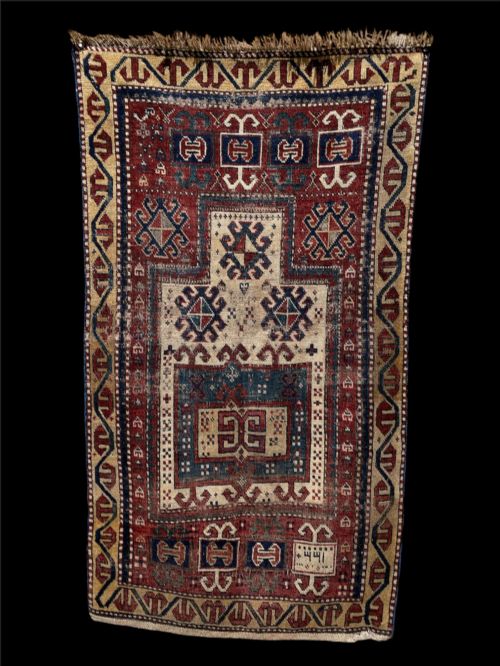
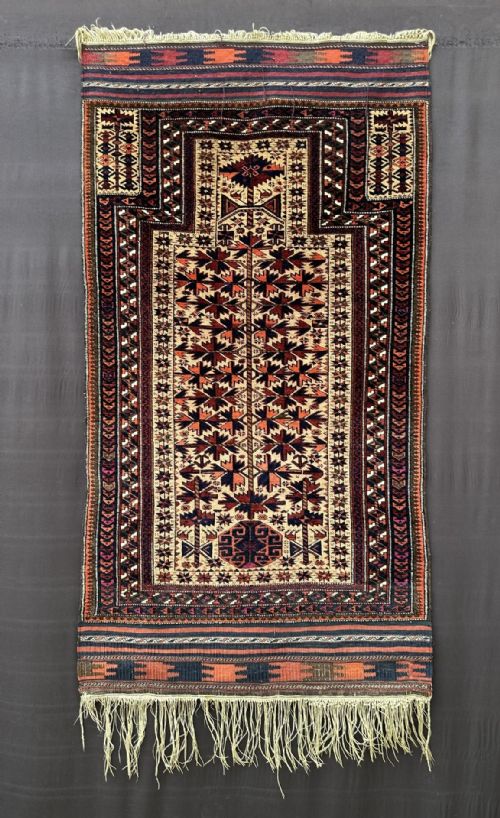
A hand knotted prayer mat is a portable woven textile featuring a distinct architectural niche, known as a mihrab, designed to direct the placement of the worshipper. These pieces range from nineteenth century Anatolian and Caucasian examples to early twentieth century Afghan and Persian tribal works.
The format typically centres on a single arch or occasionally a double mihrab design, serving both functional devotional use and cultural expression. On this page, you are most likely to meet regional village and tribal rugs originating from weaving traditions across Turkey, the Caucasus, and Central Asia.
The makers of these rugs utilise traditional formats that have been passed down through generations of weavers. Each rug reflects the specific aesthetic vocabulary of its origin, whether that involves the geometric precision of Caucasian weaving or the softer tones of Anatolian village pieces.
How they were made
The foundational structure relies on wool, cotton, or goat hair spun by hand for the warp and weft foundations. Artisans then tie dense knots of wool or occasionally silk onto these foundations to build the tactile pile.
Natural dyes provide the varied colour palette seen across these textiles, sourced from local plants and minerals rather than synthetic compounds. This traditional method of dyeing results in subtle variations in tone across the surface of the rug over time.
Hand Knotted Prayer Mat Retail Price Guide 2026
Typical asking prices for hand knotted prayer mat among the pieces listed under this phrase on Sellingantiques today, from the lower quarter to the upper quarter. They describe what is for sale here now, not the wider market.
The listings show prayer rugs constructed from wool, cotton, silk, and goat hair, utilising natural dyes across Anatolian, Caucasian, and Afghan styles.
What varies in quality
The fineness of the knotting and the density of the weave set the baseline for a rug's structural integrity. Tighter knots allow for sharper definition within the geometric and floral motifs that populate the field.
The purity and depth of the natural dyes used in the wool or silk dictate the vibrancy of the visual impact. Stronger artistic execution in laying out the architectural mihrab and associated borders distinguishes master village weavers from routine production.
The Hand Knotted Prayer Mat Glossary
- Mihrab
- The arched niche found on a prayer rug, symbolising a doorway or the direction of prayer. It forms the primary focal point of the textile design.
- Warp
- The vertical threads stretched tightly on the loom that form the structural skeleton of the rug. The pile knots are tied directly onto these foundational threads.
- Weft
- The horizontal threads passed back and forth between the warp threads to secure the rows of knots in place. They provide structural stability to the woven fabric.
- Natural Dyes
- Colouring agents derived from plants, roots, and insects rather than synthetic chemicals. They age with a characteristic patina that synthetic alternatives lack.
- Kilim End
- The flat-woven section extending beyond the knotted pile at either end of the rug. These decorative banded ends often feature supplementary weft-float patterns.
Hand Knotted Prayer Mat: Frequently Asked Questions
What is a mihrab?
The mihrab is the distinctive arch design woven into the field of the rug. It points the worshipper in a specific direction during daily prayers.
Different tribal regions developed their own unique shapes for this arch, ranging from sharply stepped geometric polygons to gentle curves.
How do I care for my rug?
Protect your textile by keeping it out of direct sunlight to prevent natural dyes from fading over the years. Gentle vacuuming without a rotating brush roll helps remove embedded dust without damaging the hand knotted pile.
For deeper cleaning, consult a professional specialist experienced in antique Oriental and tribal carpets.
What materials were used?
Weavers relied primarily on sheep's wool for the pile, often hand-spun to create irregularities that absorb natural dyes unevenly. Cotton and goat hair also appear frequently in the foundational warp and weft structures.
Silk was occasionally utilised in specific regional pieces for added sheen and detail.