


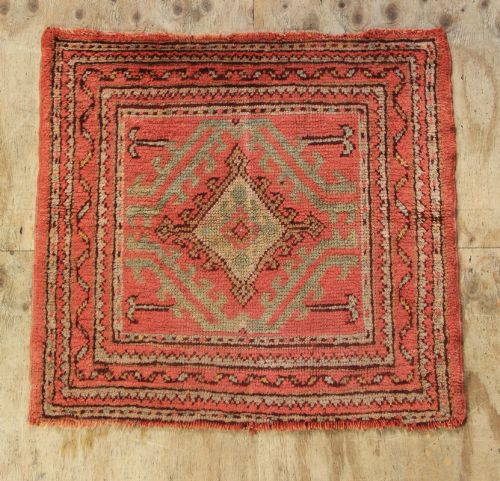

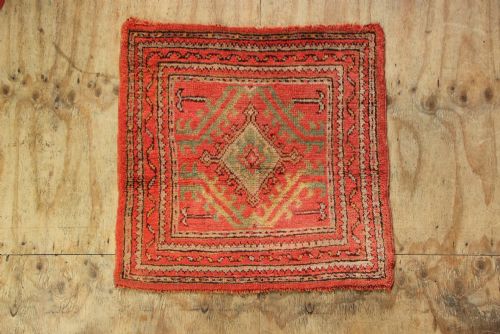
Anatolian Tribal Carpet
When you handle an anatolian tribal carpet, you hold a village weaving shaped by generations of nomadic tradition.
Anatolian Tribal Carpet
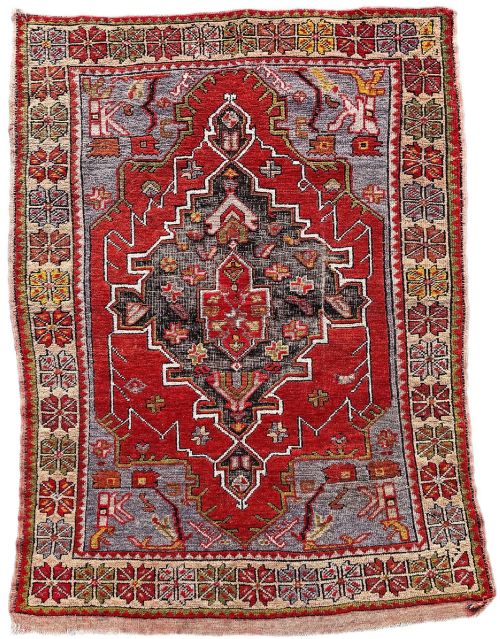
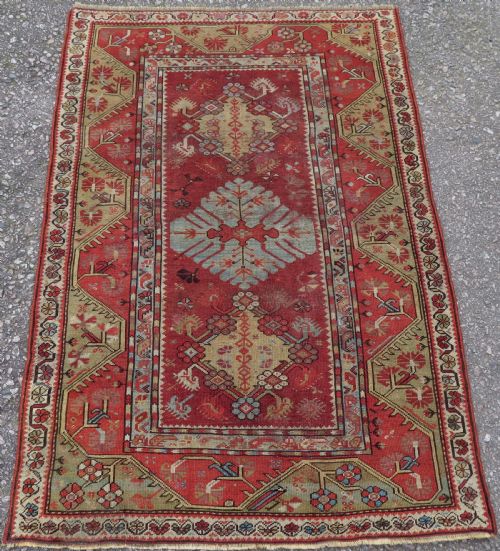
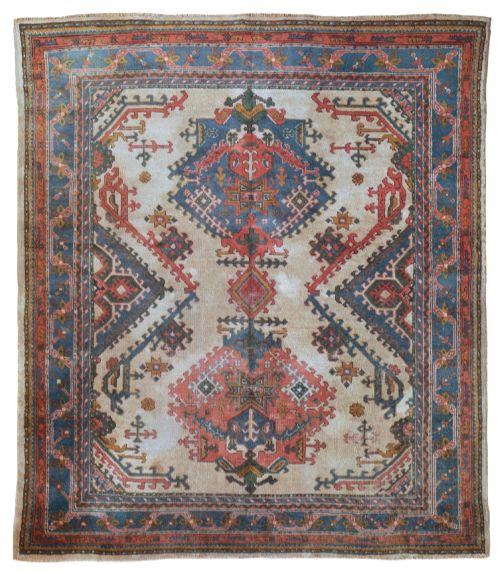
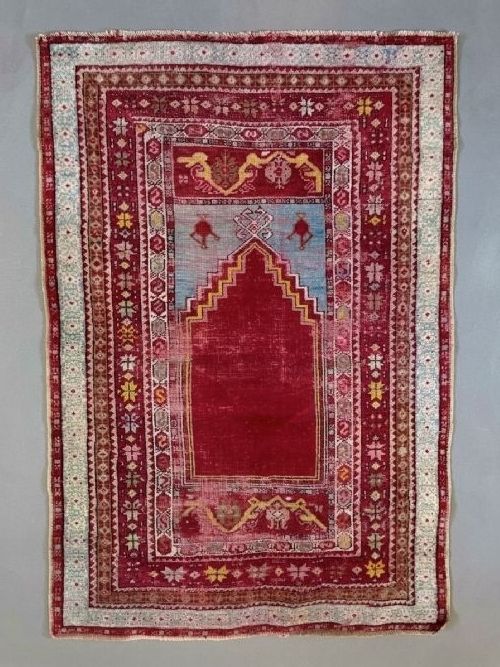
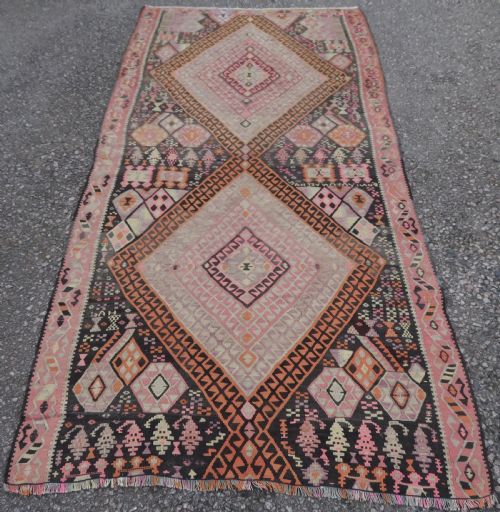
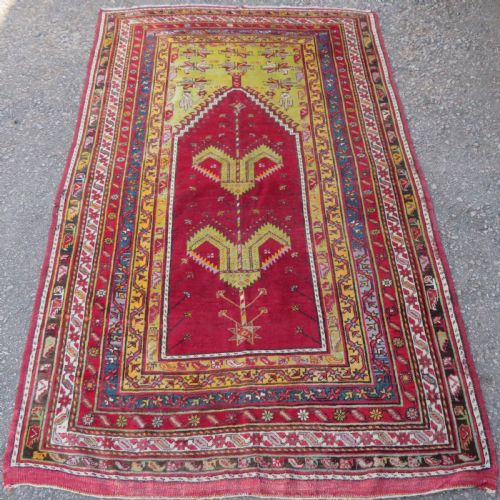
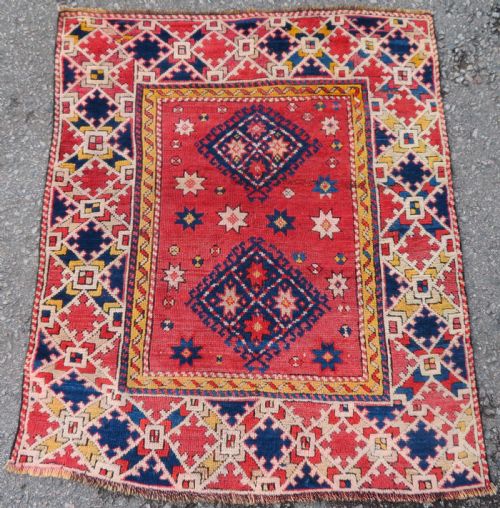
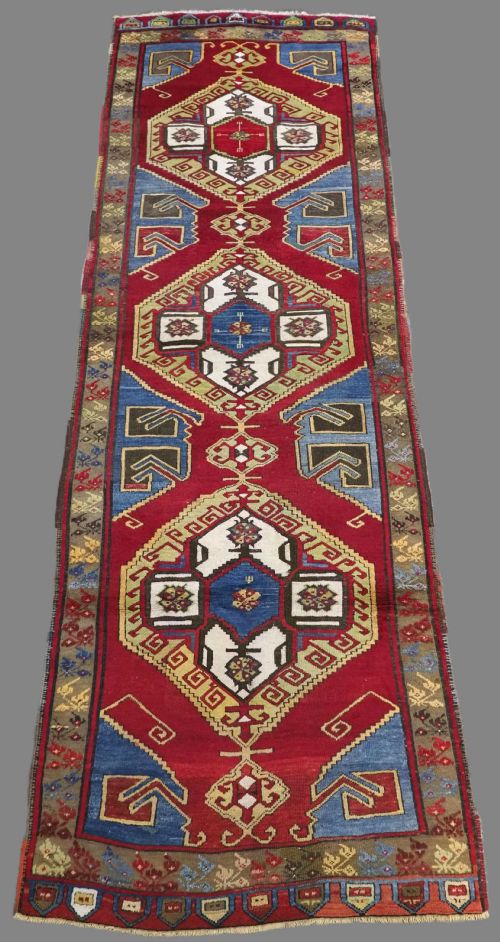
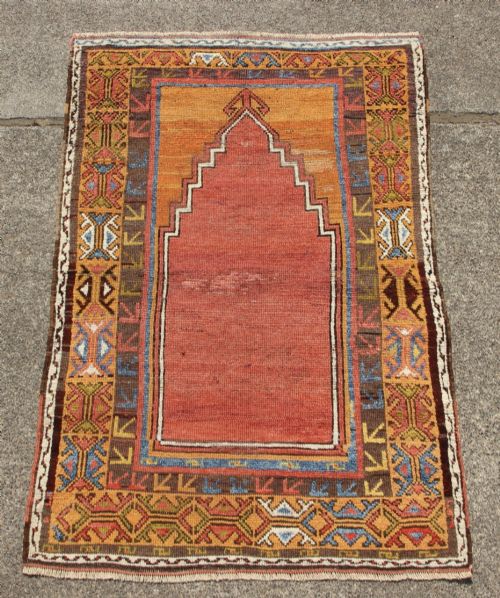
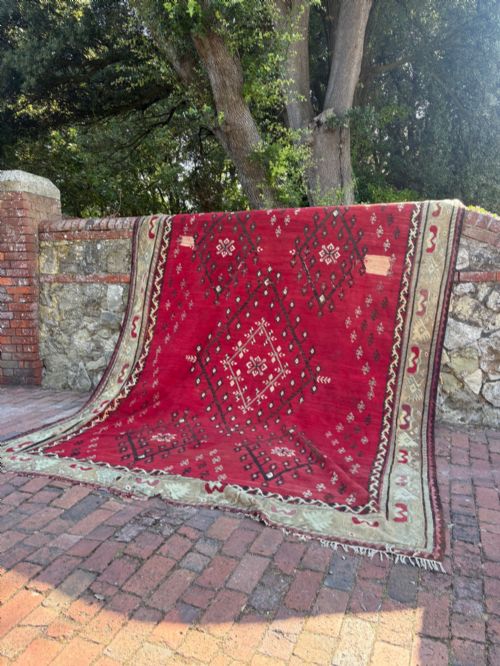
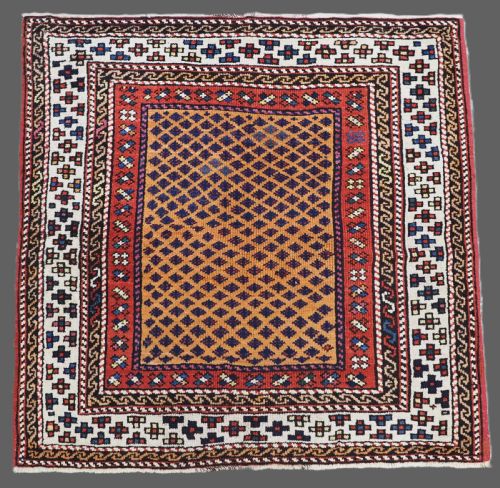
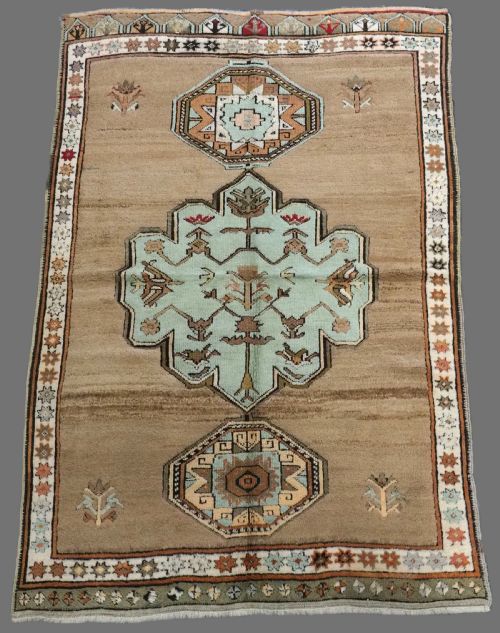
An anatolian tribal carpet is a hand-knotted or flatwoven textile originating from the villages and nomadic groups of Anatolia. These pieces include prayer rugs, runners, mats, and larger floor coverings created for domestic use rather than export markets. You are most likely to meet nineteenth-century and early twentieth-century examples on this page, representing regional traditions from centres such as Konya, Kirsehir, and Bergama.
The designs draw on centuries of local motif vocabulary, ranging from geometric medallions and lattice patterns to traditional prayer arches. Village weavers utilised wool and natural dyes to produce distinct local palettes that shifted in tone over decades of household wear. Whether you encounter a narrow runner or a square accent piece, each textile reflects the specific weaving identity of its district.
Materials and Technique
The construction relies heavily on wool, hand-spun wool, and camel wool, providing the dense pile and durable foundation characteristic of village textiles. Natural dyes infuse the fleece with soft colours that develop a mellow patina through age and light exposure.
Weavers employed traditional hand-knotting and flatweave techniques on vertical looms, building up dense structures designed to withstand decades of heavy floor use. Selvedges and ends were finished by hand, often incorporating simple wool wraps to secure the edges.
Anatolian Tribal Carpet Retail Price Guide 2026
Typical asking prices for anatolian tribal carpet among the pieces listed under this phrase on Sellingantiques today, from the lower quarter to the upper quarter. They describe what is for sale here now, not the wider market.
Listings span the nineteenth and early twentieth centuries, featuring wool, cotton, and camel wool across regional styles from Konya to Oushak.
Judging Quality
Quality in these textiles rests upon the fineness of the knotting and the purity of the wool used in the pile and foundation. Tightly packed knots allow intricate geometric designs to remain crisp and legible across the field.
The depth and nuance of the natural dye palette also determine distinction, with superior pieces displaying rich, varied tones rather than flat, uniform colour. The integrity of the original structure, including untouched borders and minimal restoration, separates everyday village examples from exceptional survivors.
Kirsehir weavers·Bergama workshops·Konya Karapinar·Oushak looms·Yagcibedir village
The Anatolian Tribal Carpet Glossary
- Prayer rug
- A textile featuring a distinct mihrab or arch design at one end, traditionally pointed toward Mecca during daily prayers.
- Kilim
- A flatwoven carpet or runner produced without a pile by tightly interweaving warp and weft threads.
- Yastic
- A small Turkish cushion face or pillow cover woven in village workshops, often sharing the patterns of larger rugs.
- Medallion
- A central ornamental motif placed in the middle of the carpet field, frequently geometric or star-shaped in village designs.
- Mihrab
- The arched niche design found on prayer rugs that symbolises the gate to paradise.
Anatolian Tribal Carpet: Frequently Asked Questions
How do I clean an old wool rug?
Surface dust should be gently removed using a soft brush or light suction without a rotating beater bar. Professional textile cleaning is recommended for deeper maintenance to protect natural dyes.
Water should be applied sparingly, and harsh chemical detergents must be avoided to prevent fibre degradation and colour bleeding.
Can these rugs be placed in hallways?
Long runners and narrow formats work well in corridors and entryways where foot traffic distributes evenly across the weave. Placing a breathable underlay beneath the textile prevents slipping and cushions the foundation against hard floors.
Rotating the piece every few months ensures even wear and balanced exposure to natural light.
Why do some rugs show worn areas?
Generations of domestic use in village homes naturally result in pile thinning and soft distress across high-traffic zones. This patination forms part of the textile's history and demonstrates genuine age.
Provided the foundation remains stable, gentle wear does not diminish the decorative presence of the piece.