



1920s Turkish Rug
A 1920s turkish rug brings genuine Anatolian and Balkan character into a room through traditional handweaving and time-softened wool.
1920s Turkish Rug
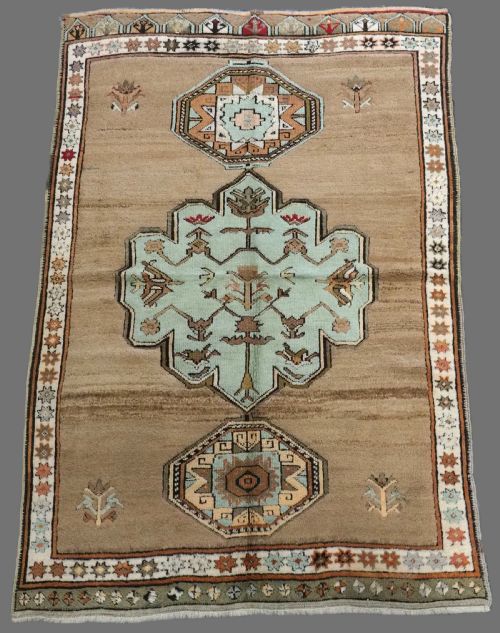
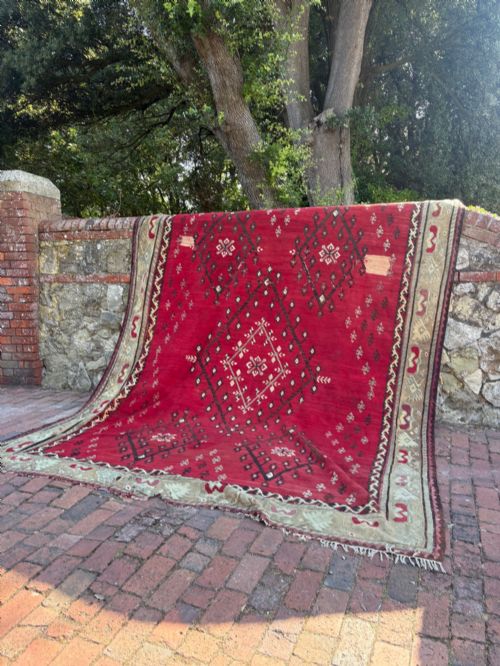
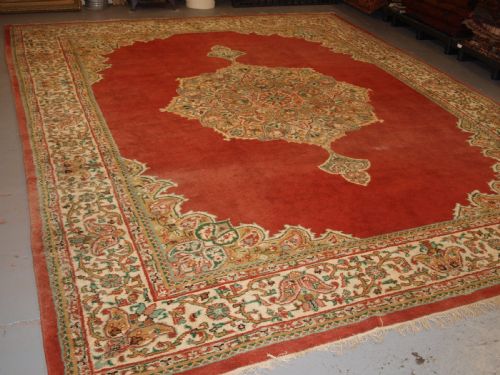
A 1920s turkish rug encompasses pile carpets, runner rugs, and flatweave kilims originating from Anatolian and Balkan workshops during the early twentieth century. Buyers encounter regional formats such as Konya Karapinar, Ushak, Yahyali, Kayseri, and Dosemealti pieces, alongside Pirot and Sharkoy kilims.
The selection ranges from intimate small rugs and narrow runners to large room-size carpets and flatweave textiles. Traditional medallion patterns, repeat medallion designs, banded layouts, and column prayer formats dominate the surviving examples from this era.
These textiles represent a period of transition in traditional weaving, retaining authentic tribal and folk motifs while displaying softer pastel palettes, warm neutral fields of camel wool, and light red grounds.
Materials and Construction
Weavers constructed these pieces primarily using natural wool and cotton foundations, occasionally incorporating soft camel wool within the field. The materials provide both structural durability for floor use and a flexible base for flatweave kilims and pile carpets alike.
Production techniques encompass both knotted-pile construction for denser carpets and flatweave methods for kilims. Artisans utilised traditional dying methods that yield soft pinks, pastel tones, and warm warm colours which mellow further with age.
1920s Turkish Rug Retail Price Guide 2026
Typical asking prices for 1920s turkish rug among the pieces listed under this phrase on Sellingantiques today, from the lower quarter to the upper quarter. They describe what is for sale here now, not the wider market.
Current listings feature wool, cotton, and camel wool across Anatolian, Balkan, and traditional Turkish styles from the 1920 period.
Assessing Quality and Execution
Quality in a 1920s turkish rug rests upon the precision of the traditional design execution, knot density, and the integrity of the wool. Superior examples maintain balanced proportions in medallion layouts and secure selvedges.
The harmony of the colour palette and the quality of the wool fibres distinguish finer pieces. Pieces retaining original dimensions and crisp motifs stand apart from heavily altered examples, though timeworn repairs often form part of the history of flatweave kilims.
The 1920s Turkish Rug Glossary
- Kilim
- A flatweave textile produced without a pile by tightly interweaving warp and weft threads. These pieces are typically lighter than pile carpets and display sharp geometric patterns.
- Medallion
- A central ornamental design motif placed in the field of a rug or carpet. Traditional Turkish examples frequently centre around geometric or floral medallion layouts.
- Prayer rug
- A specialised rug format featuring a mihrab or niche design historically oriented toward Mecca during daily prayers. Column prayer rugs represent a specific architectural variation of this form.
- Runner
- A long, narrow carpet format designed for hallways, staircases, or gallery spaces. Ushak runners are common representatives of this elongated shape.
- Camel wool
- Natural, un-dyed wool derived from camels, utilised within the field of specific Anatolian rugs to provide a soft, warm neutral ground.
1920s Turkish Rug: Frequently Asked Questions
How do I clean a 1920s turkish rug?
Gentle surface vacuuming without a beater bar removes loose dirt from the wool and cotton pile. Professional specialist cleaning remains essential for addressing deeper soil without damaging traditional dyes.
Avoid excessive moisture and harsh chemical detergents. Allowing air drying prevents shrinkage and protects the natural fibres of both pile carpets and flatweave kilims.
Are these rugs suitable for high traffic areas?
Wool and cotton pile carpets withstand moderate foot traffic when placed over a quality underlay. Placing runners in hallways or area rugs in living spaces distributes wear evenly across the weave.
Flatweave kilims possess a thinner profile and benefit from placement in lower-traffic zones or bedrooms. Proper rug pads prevent sliding and reduce friction against the floorboards.
What is the difference between a kilim and a rug?
Kilims are flatwoven textiles lacking the pile found in traditional carpets. This technique creates a lighter, reversible fabric with flat surfaces and distinct geometric colour transitions.
Rugs incorporate knotted pile secured onto a foundation warp and weft. This construction provides a thicker, plush texture underfoot with greater depth of colour.
How do regional styles differ?
Ushak and Oushak pieces typically feature larger scale floral or medallion motifs in soft pastel and pink palettes. Regional workshops like Yahyali and Dosemealti display tighter geometric arrangements and distinct local colour combinations.
Balkan and Pirot or Sharkoy kilims utilise bold repeat medallion and banded designs. Each district relied on local sheep breeds and native dye plants, creating distinct visual signatures.