

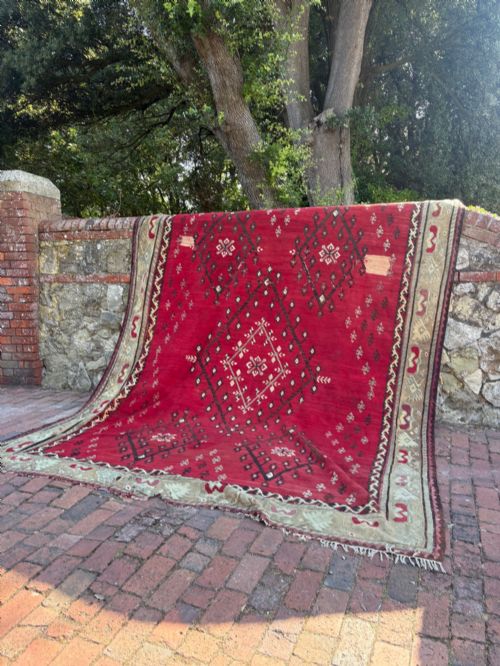
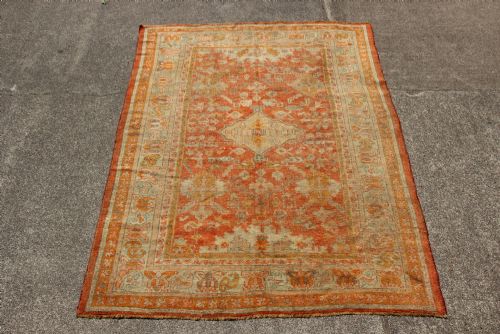

Wool Turkish Rug
A wool turkish rug brings genuine Anatolian character into a room, offering centuries of regional weaving traditions through durable natural fibres.
Wool Turkish Rug
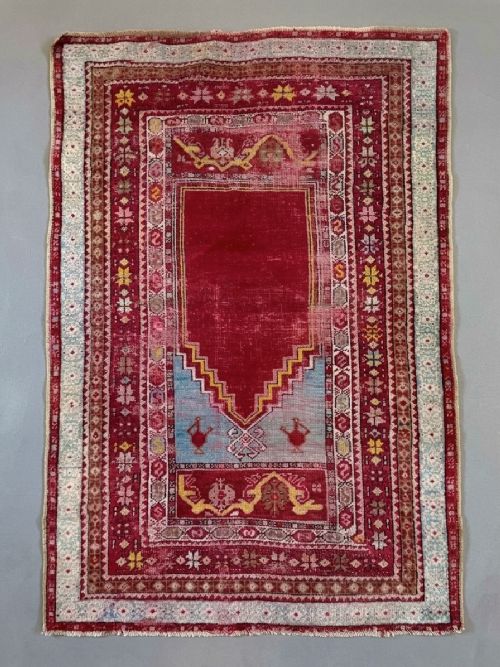
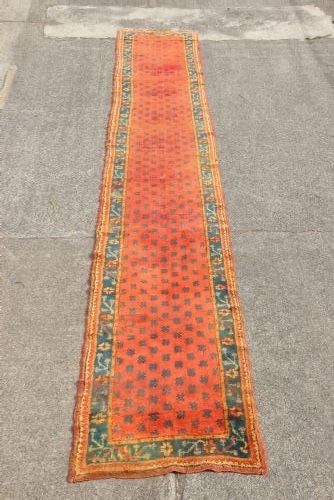
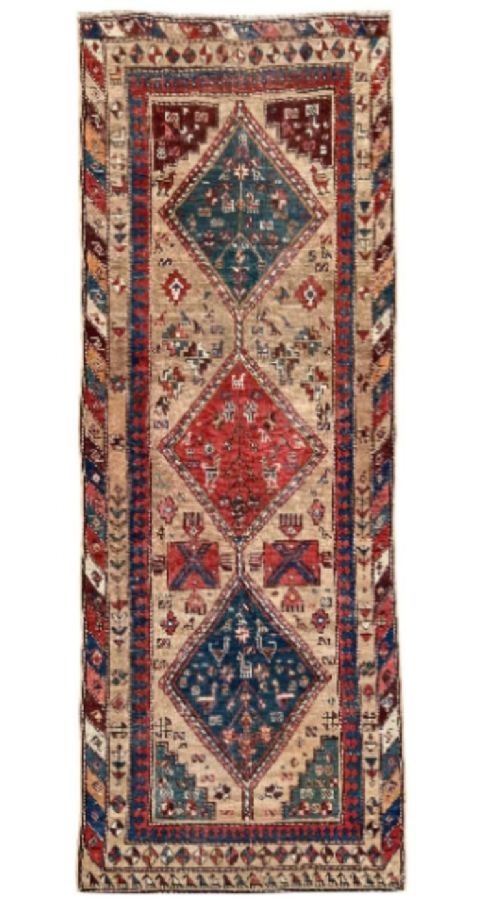
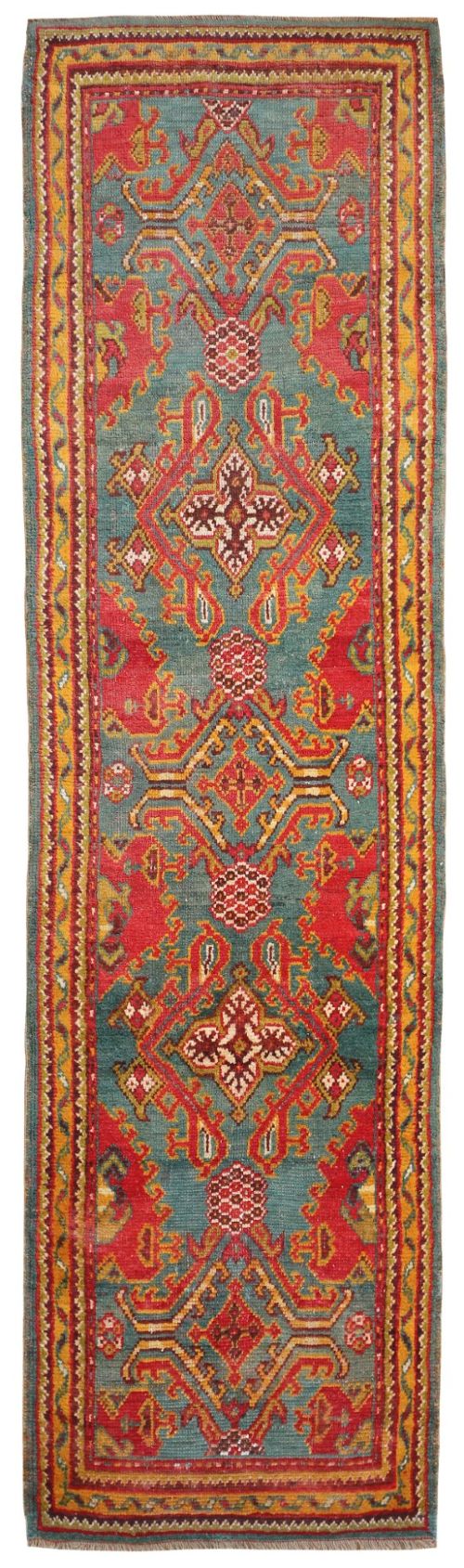
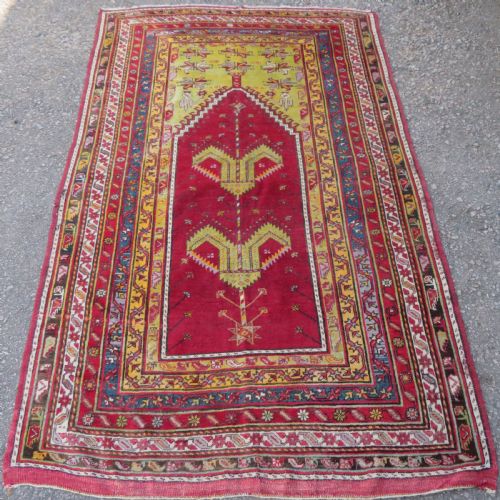
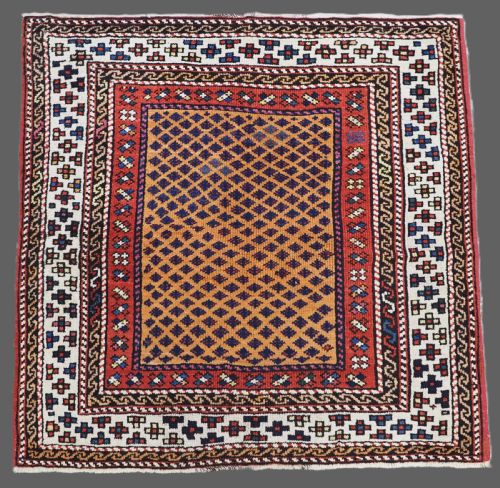
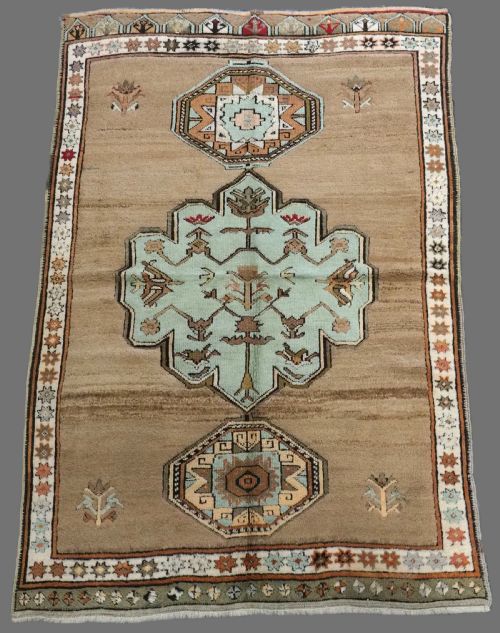
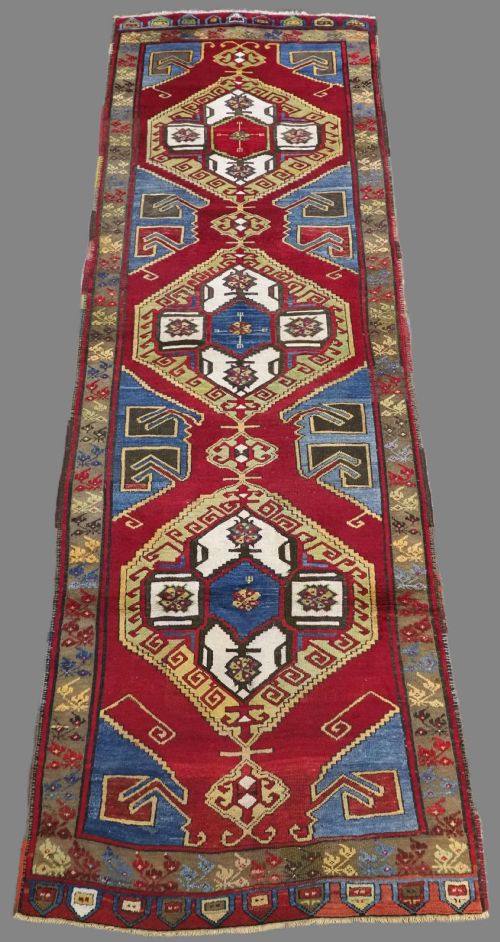
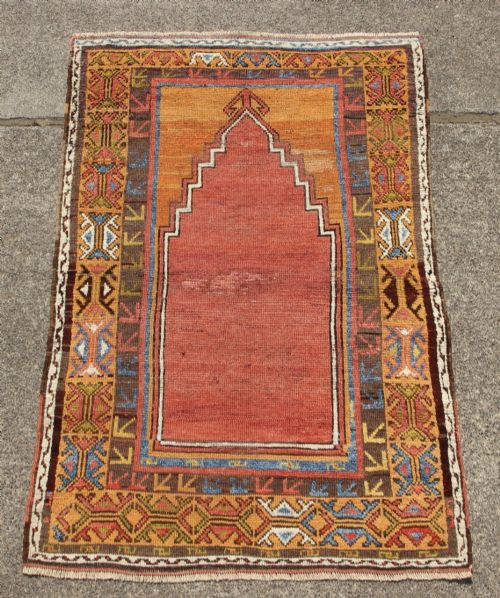
A wool turkish rug encompasses hand-woven floor coverings and flatweaves originating from Anatolian regions, spanning from small mats to large carpets. Buyers searching for a wool turkish rug encounter diverse formats such as long runners, square pieces, and dedicated prayer rugs.
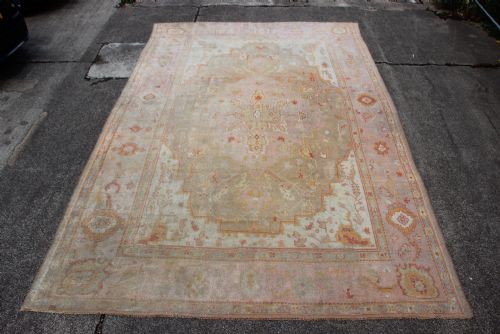
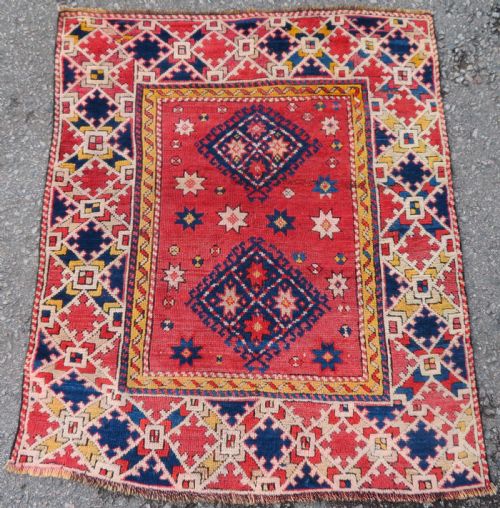
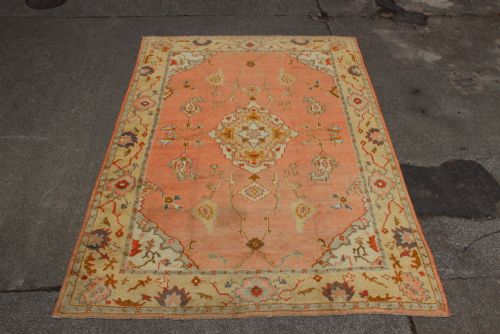
The selections on this page draw upon traditional styles including Ottoman, Anatolian tribal, and specific village workshops like Oushak, Konya, Bergama, and Kirsehir. Pieces range from the mid nineteenth century through to the early decades of the twentieth century, reflecting established regional aesthetics.
Forms include both piled carpets and flatweave kilims, sometimes incorporating camel wool alongside standard sheep wool and cotton foundations. Each piece demonstrates the distinct decorative vocabulary of its specific provenance within Turkey.
What varies in quality
The calibre of a textile often rests upon the fineness of the wool and the preparation of the fibres, with hand-spun and camel wool yielding particularly tactile surfaces. Material choices directly influence the longevity and handle of the textile.
Design execution and regional design integrity separate standard village pieces from finer workshops like Oushak or Hereke. Colour palette subtlety and the preservation of original dimensions also distinguish superior examples.
Wool Turkish Rug Retail Price Guide 2026
Typical asking prices for wool turkish rug among the pieces listed under this phrase on Sellingantiques today, from the lower quarter to the upper quarter. They describe what is for sale here now, not the wider market.
Some resilient runners have spent over a century quietly enduring hallway footsteps while keeping their soft pastel colours intact.
Maple and Co
The Wool Turkish Rug Glossary
- Prayer rug
- A small format textile featuring a mihrab or niche design, historically utilised for individual daily prayers.
- Kilim
- A flatweave textile produced without a knotted pile, resulting in a lighter, reversible fabric utilised for floor covering or furnishings.
- Runner
- A long, narrow format carpet designed specifically for corridors, hallways, or staircases.
- Oushak
- A major carpet-producing town in western Anatolia known for larger decorative carpets with softly coloured, expansive floral designs.
- Mihrab
- The arched niche motif found on prayer rugs that indicates the direction of prayer.
Wool Turkish Rug: Frequently Asked Questions
How do I clean an antique rug?
Gentle surface brushing and professional specialist cleaning suited to natural dyes help maintain wool and cotton pile textiles.
Avoiding harsh chemical treatments and excessive water protects the historic fibres and vegetable dyes from degradation.
Where were these rugs woven?
Production took place across various Anatolian towns, villages, and regional weaving centres throughout Turkey.
Specific districts like Oushak, Konya, Bergama, and Kirsehir developed distinct local patterns and material combinations.
Are flatweave kilims durable?
Flatweaves utilise tightly beaten warp and weft threads without a pile, offering a sturdy structure for moderate traffic areas.
Using an appropriate underlay helps prevent slipping and reduces direct friction against hard flooring.
How do I date an old rug?
Structural characteristics, knot types, dye palettes, and regional design motifs offer clues to the approximate period of creation.
Comparative analysis with documented examples from nineteenth and early twentieth-century production helps narrow down the age.