

Small Wool Rug
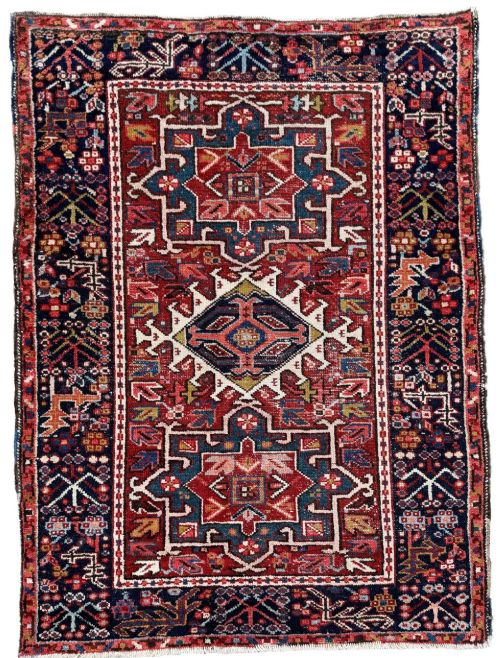
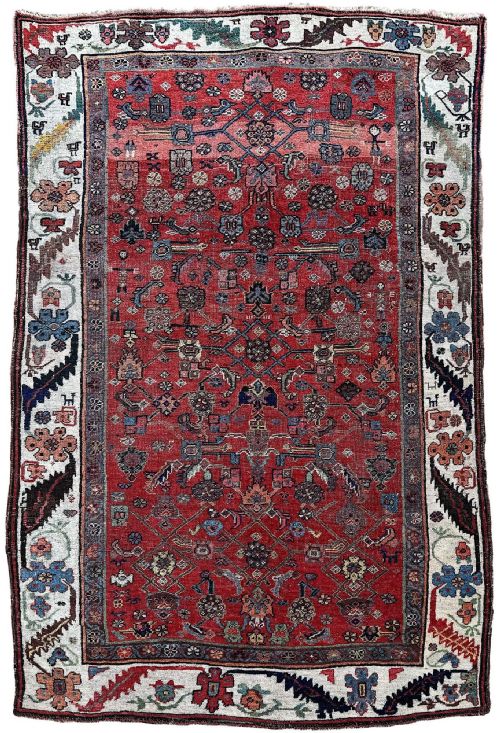
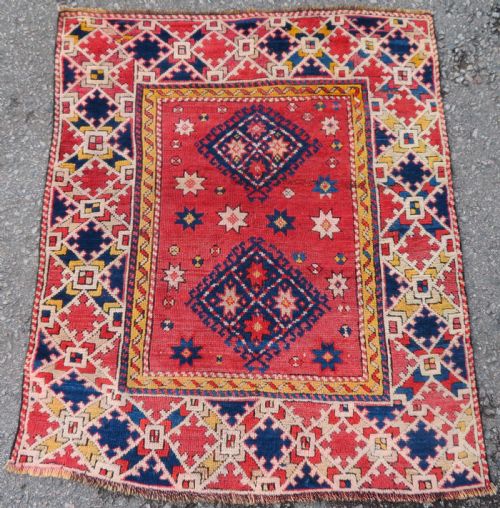
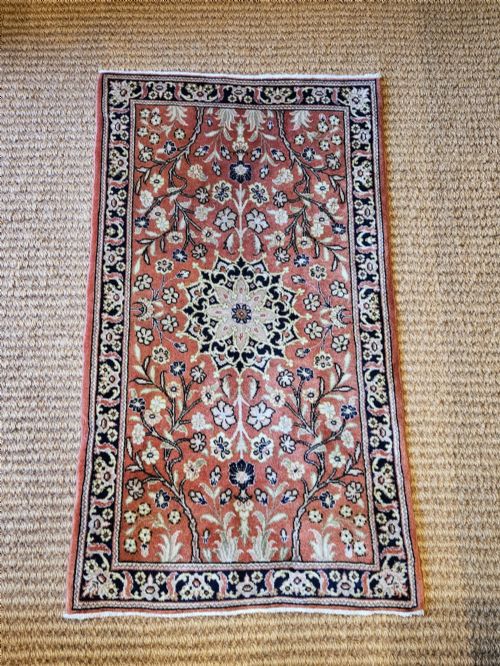
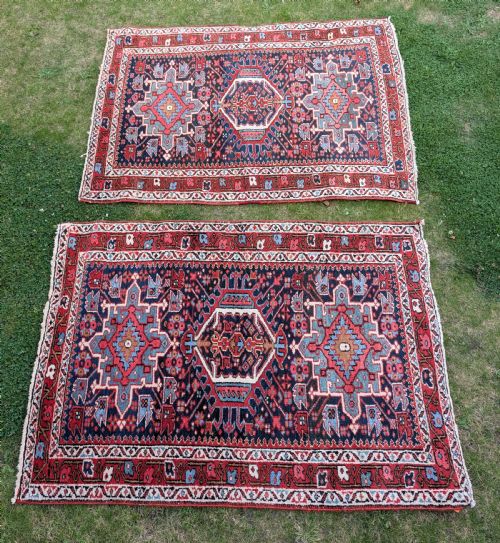
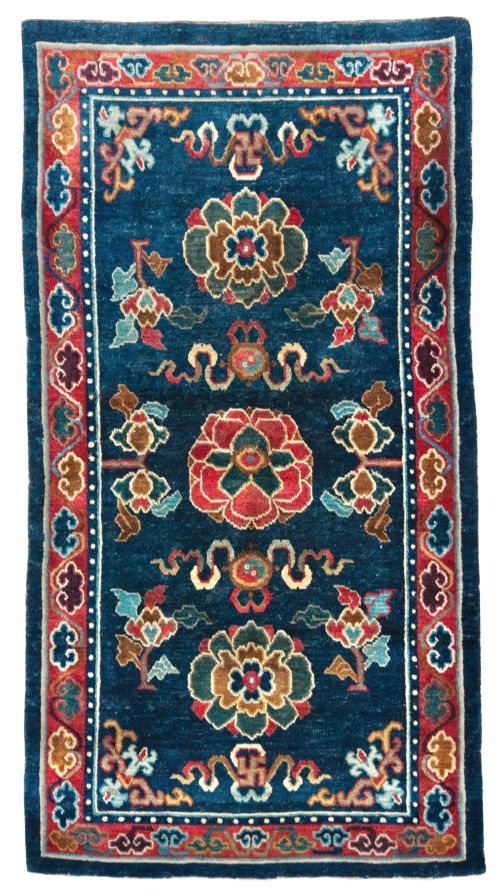
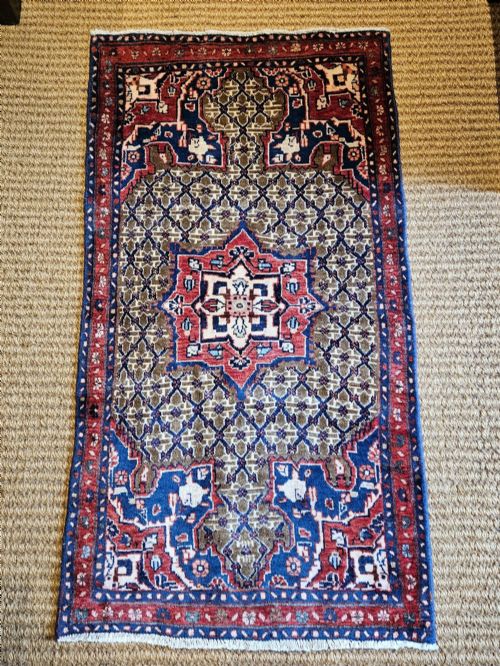
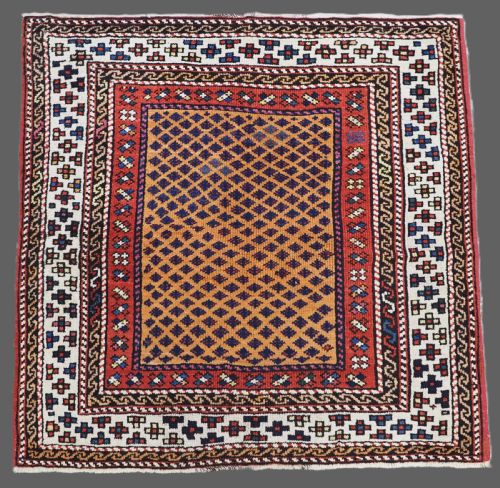
These small wool rug examples bring tangible warmth and historic tribal craft directly to compact spaces.
Small Wool Rug
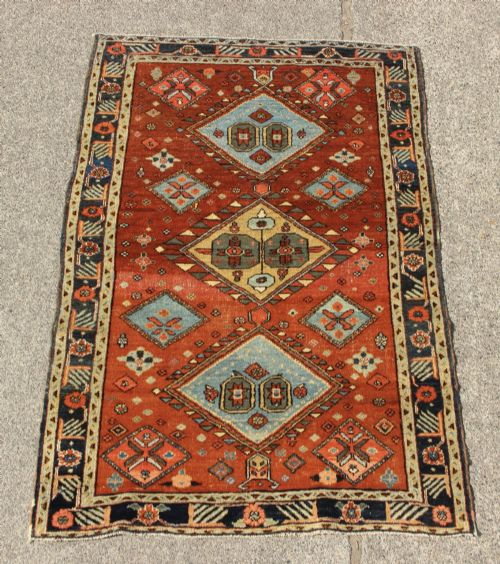
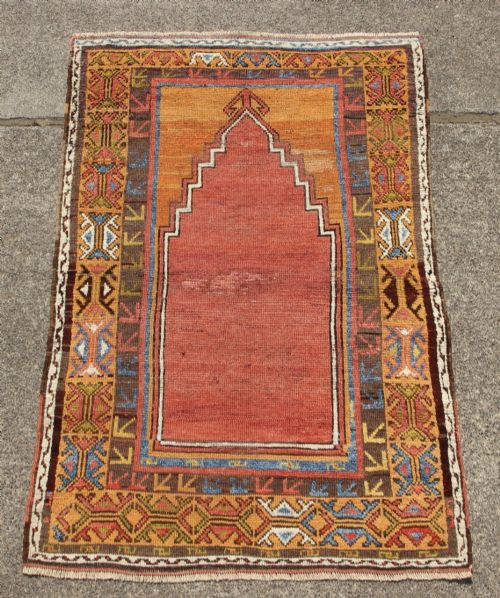
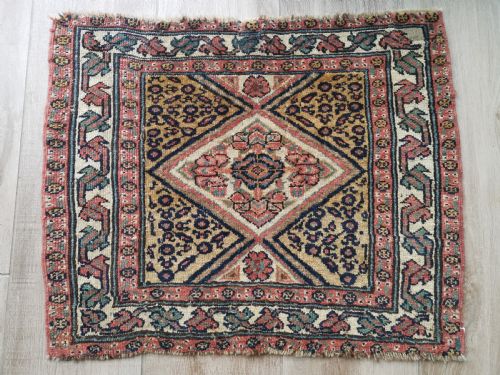
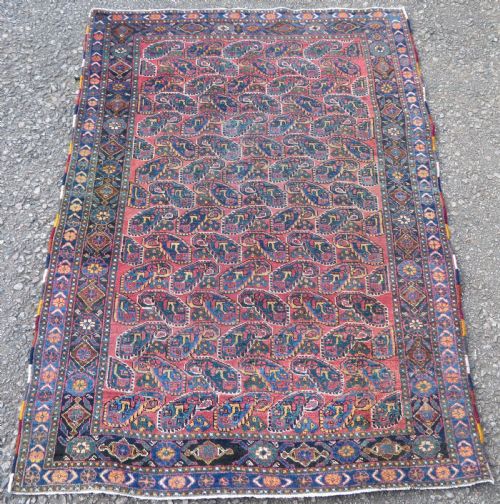
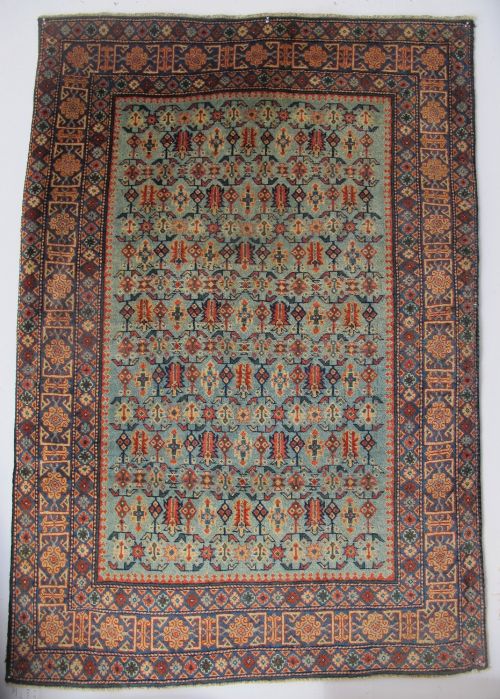
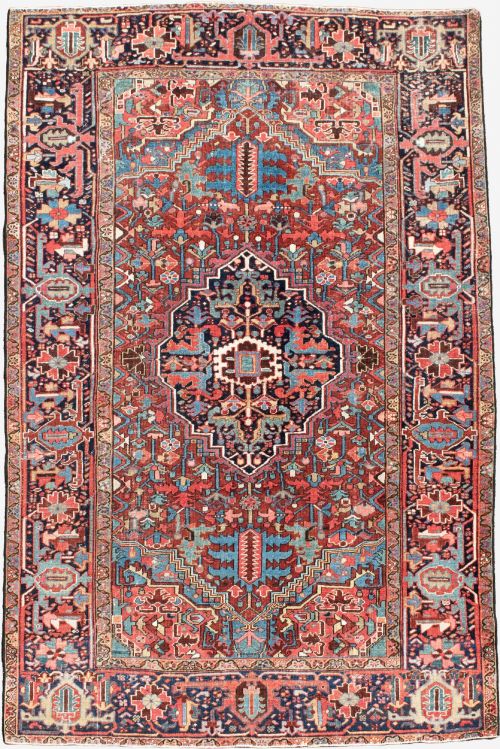
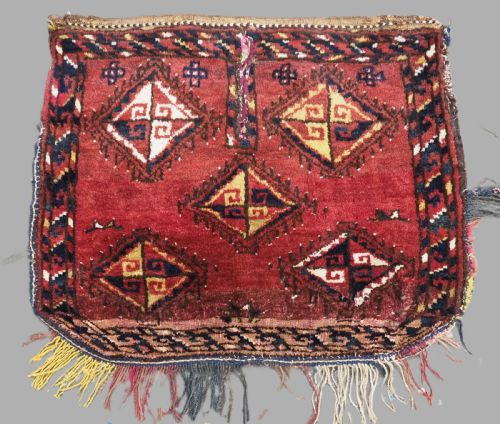
A small wool rug encompasses compact formats, hearth sizes, prayer formats and nomadic bags originating primarily from Persian, Anatolian, Caucasian and Central Asian weaving traditions. These pieces span the nineteenth and early twentieth centuries, capturing centuries of tribal design vocabulary in manageable dimensions.
The buyer meets hearth-sized runners, square mats, prayer rugs and saddle covers created by nomadic and village weavers. Materials typically feature hand-spun wool combined with cotton foundations and natural dyes.
Village workshops and nomadic groups across regions such as Heriz, Bidjar, Karaja, Shiraz and Baluchistan produced these smaller formats for practical domestic utility or travel. Each piece reflects the specific geometric motifs, lattice patterns or medallion layouts characteristic of its origin.
How they were made
Weavers relied on hand-spun wool for the pile, yielding a tactile surface that responds to natural wear through subtle shifts in texture. Foundations frequently utilise cotton or wool warps and wefts to bind the dense knots securely.
Natural dyes provide the palette, derived from plant and mineral sources that age gracefully over decades. The combination of hand-spun fibres and traditional dyestuffs allows the pile to develop a deep patina with age.
Object forms vary widely, incorporating area rugs, saddle bags, prayer rugs, tent door hangings and square mats from tribal origins.
What varies in quality
Knot density and structural tightness dictate the crispness of the geometric or floral design, with finer weaves holding intricate lines sharply. The handle of the wool - ranging from supple and lustrous to firm and heavy - shapes the tactile experience of the piece.
Dye consistency and the vibrancy of natural colour saturation separate standard village outputs from exceptional tribal examples. Well-balanced proportions and harmonious secondary shades distinguish superior weaving within any regional group.
The Small Wool Rug Glossary
- Warp
- The stationary vertical threads stretched across the loom upon which the knots are tied. These parallel strings form the structural skeleton of the rug and often emerge visibly at the fringe ends.
- Weft
- The horizontal threads passed back and forth across the warp strings after each row of knots to lock the pile firmly in place. Proper tension here ensures structural stability.
- Pile
- The dense surface layer of cut or uncut yarn knots that forms the tactile face of the textile. Hand-spun wool pile provides both insulation and resilience underfoot.
- Natural Dyes
- Colourants extracted from plants, insects and minerals before the advent of synthetic alternatives. These traditional agents yield rich, nuanced tones that mellow pleasingly over time.
- Prayer Rug
- A compact format featuring a distinctive mihrab or arch design at one end. Historically utilised to indicate the direction of prayer during daily devotions.
Small Wool Rug: Frequently Asked Questions
Where were these small rugs woven?
Production spans traditional weaving centres and nomadic regions across Persia, Anatolia, the Caucasus and Central Asia. Specific styles originate from towns and tribal confederations such as Heriz, Bidjar, Baluch and Tekke.
Local customs and available materials heavily influenced the distinct patterns and colour palettes found within each specific geographical area.
How do I care for a wool rug?
Regular gentle vacuuming without a rotating beater bar removes trapped grit from the wool pile safely. Professional cleaning tailored for antique textiles preserves the natural lanolin and dyes.
Keeping the textile out of harsh direct sunlight prevents fading of the natural plant and mineral colourants over extended periods.
What is a prayer rug?
A prayer rug is a smaller format distinguished by a central arch or niche motif representing the mihrab. Weavers designed these compact textiles for personal devotional use during travel or at home.
The directional pattern guides the user regarding orientation, making them distinct from symmetrical scatter rugs or hearth mats.
How do I identify tribal designs?
Tribal designs rely on repeating geometric motifs, latch-hook diamonds, stylized animal forms and boteh symbols rather than flowing court florals. These patterns reflect the oral heritage and clan markers of nomadic weavers.
Examining the structural knotting, fringe construction and palette helps attribute a piece to specific groups like the Afshar, Shahsevan or Baluch.