


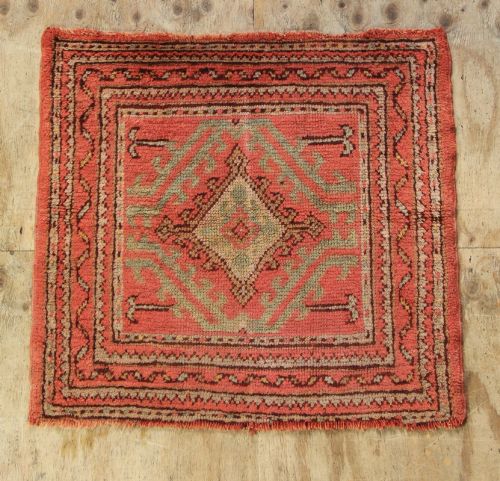

Hand Knotted Turkish Rug
When you search for a hand knotted turkish rug, you are looking at centuries of Anatolian textile tradition expressed through wool, cotton and occasionally silk.
Hand Knotted Turkish Rug
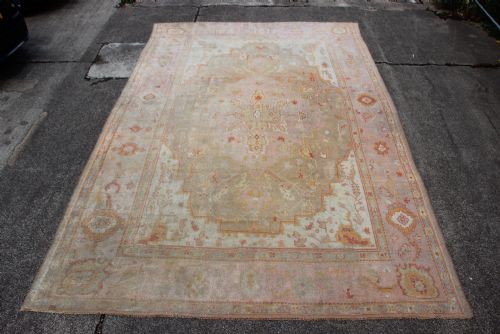
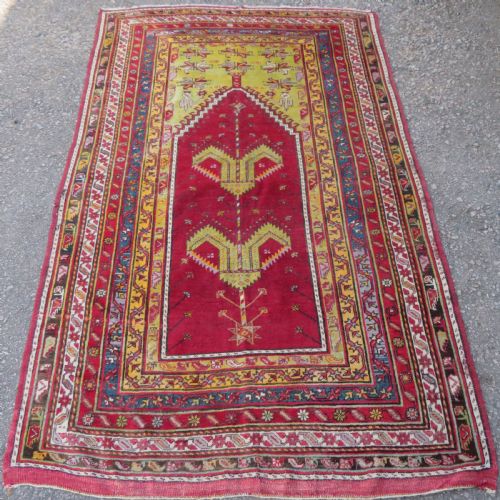
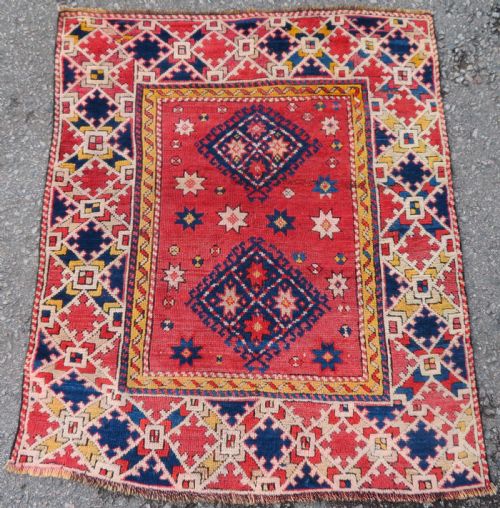
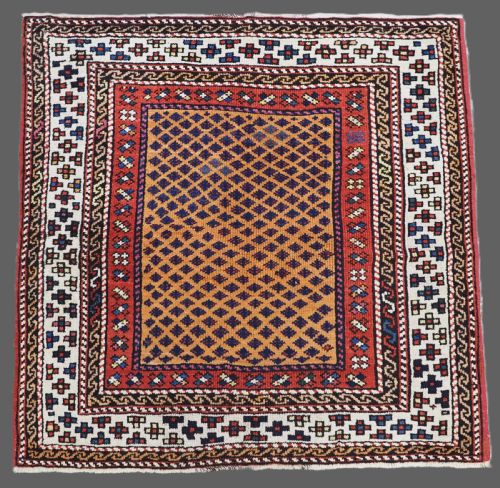
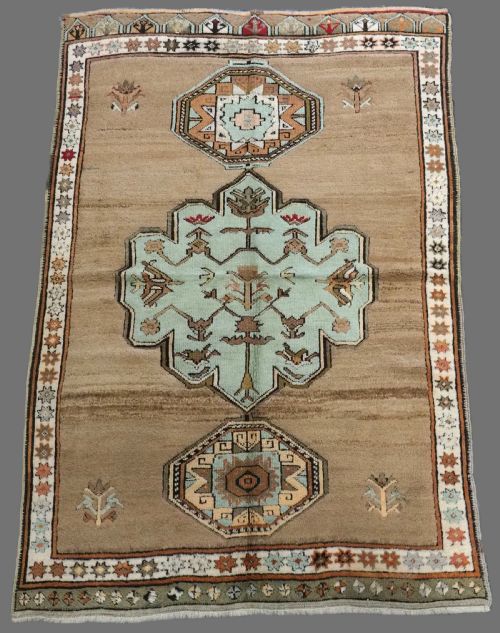
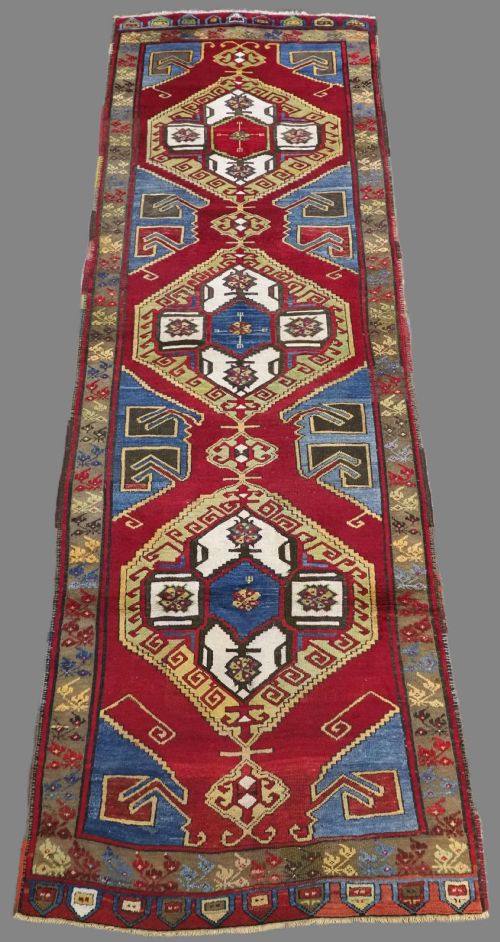
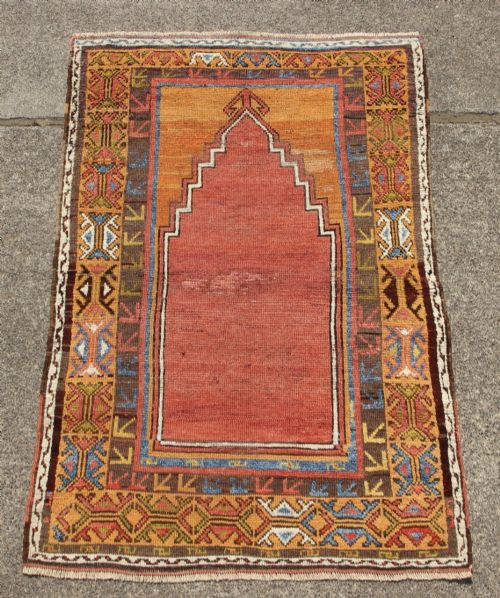
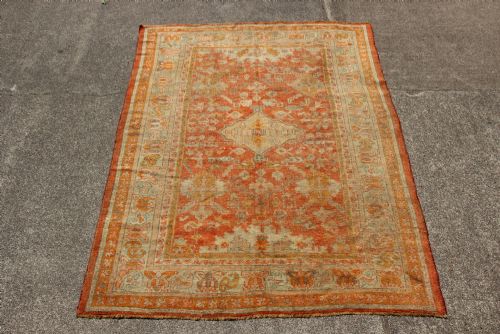
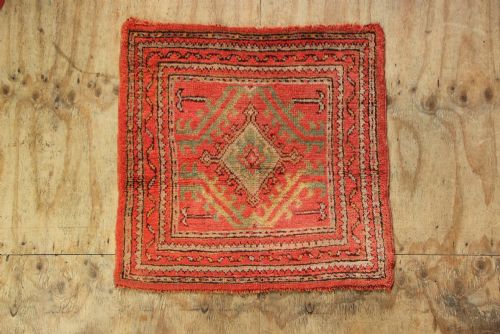
A hand knotted turkish rug encompasses a wide variety of floor coverings originating from Anatolia, spanning from large carpets down to small mats and prayer formats. The pieces on this page range from the nineteenth century into the early twentieth century, showing regional styles such as Oushak, Konya, Bergama and Milas.
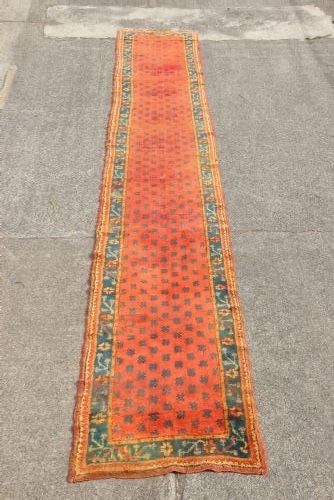
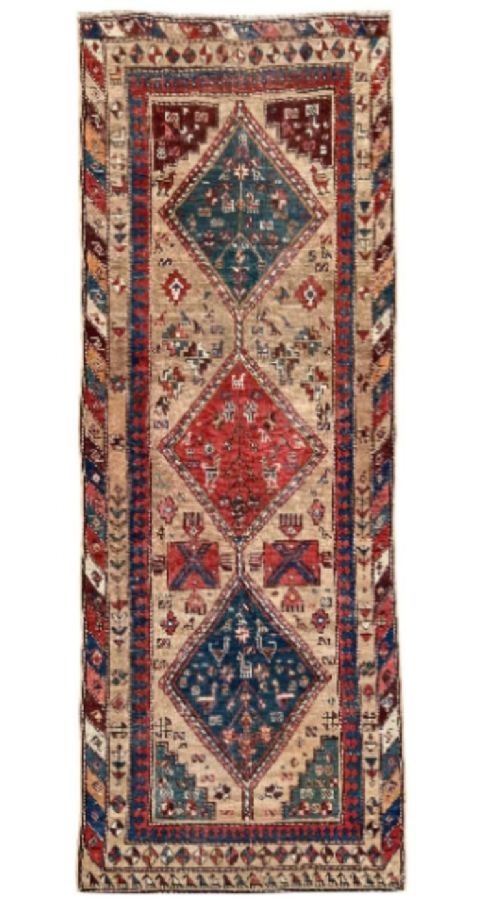
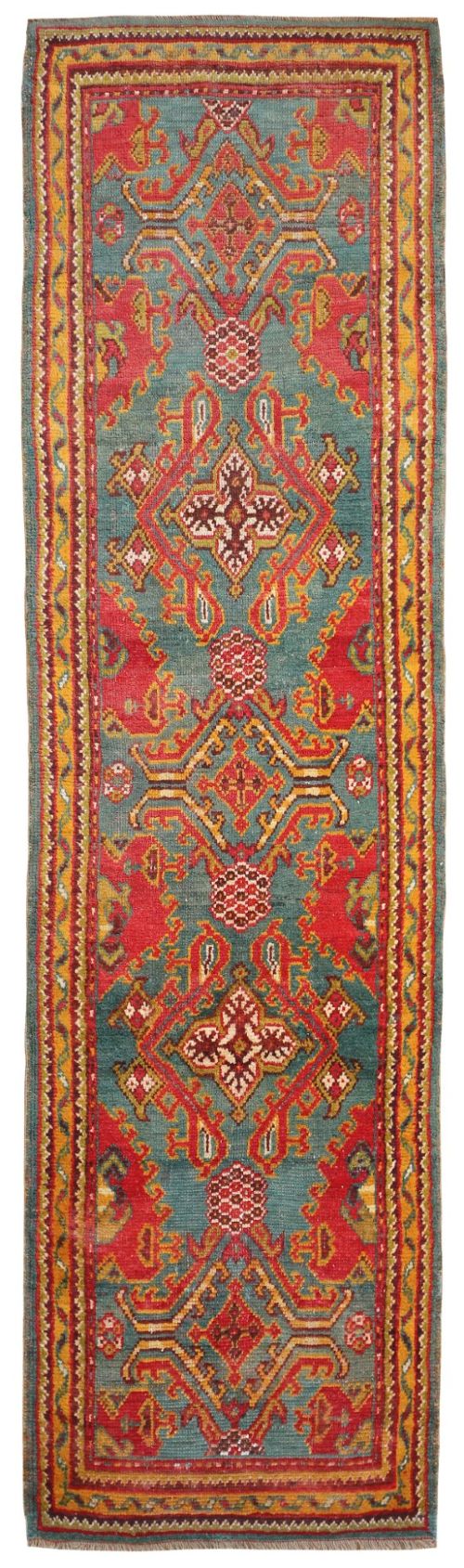
Buyers will encounter formal room-sized carpets alongside long narrow runners and square accent formats. Village works appear frequently alongside larger city-woven pieces, displaying traditional Anatolian motifs and tribal designs.
Materials and construction
These textiles rely primarily on wool, cotton and hand-spun wool foundations and piles, with occasional examples incorporating camel wool or silk. Knotting techniques secure the pile to the warp and weft threads, creating a dense and durable structure.
Natural dye sources provide the palette for these works, yielding soft colours, faded tones and vibrant fields that age with considerable character.
Hand Knotted Turkish Rug Retail Price Guide 2026
Typical asking prices for hand knotted turkish rug among the pieces listed under this phrase on Sellingantiques today, from the lower quarter to the upper quarter. They describe what is for sale here now, not the wider market.
Listings span from the early nineteenth century through to the 1930s, featuring wool, cotton and camel wool across numerous regional village and city styles.
Factors of quality
The fineness of the knotting and the complexity of the design dictate the upper tiers of the range, where city workshops achieved precise symmetry and intricate floral or medallion schemes. Simpler village pieces rely on bold geometric layouts and robust wools rather than microscopic detail.
Condition plays a major role, as evenly worn surfaces and gentle fading are accepted parts of age, whereas heavy structural loss or awkward repairs alter the standing of a piece within the market.
The Hand Knotted Turkish Rug Glossary
- Prayer rug
- A small rug featuring a mihrab or arch design indicating the direction of prayer, traditionally used for daily devotions.
- Runner
- A long and narrow format of carpet designed for hallways, corridors or alongside large furniture.
- Warp
- The vertical threads stretched tightly on the loom that form the structural foundation of the rug.
- Weft
- The horizontal threads passed through the warp threads after each row of knots to hold the pile firmly in place.
- Pile
- The upright yarn surface of the rug formed by the cut ends of knots.
Hand Knotted Turkish Rug: Frequently Asked Questions
How do I identify a prayer rug?
Prayer rugs feature a distinctive pointed arch or niche motif at one end, known as a mihrab. This design element was intended to direct the user toward Mecca during daily prayers.
Such rugs are typically smaller in scale than standard carpets, making them versatile as wall hangings or accent pieces in modern interiors.
Where were these rugs made?
These textiles originate from various regions across Anatolia, which corresponds to modern-day Turkey. Specific towns and districts like Oushak, Konya, Bergama and Kirsehir each developed distinct weaving traditions.
Village weavers often produced geometric and tribal patterns, while larger urban centres favoured expansive floral designs and softer colour palettes.
Are these rugs suitable for high-traffic areas?
The sturdy wool construction and dense knotting of nineteenth and early twentieth-century Anatolian pieces make them remarkably durable for daily use. Regular foot traffic can be sustained without damaging the foundation, provided a quality underlay is utilised.
Runners and long carpets perform particularly well in hallways and passage spaces where strength is required.
How should I clean and maintain my rug?
Routine maintenance involves gentle vacuuming without the beater bar to prevent snagging the wool pile. Professional cleaning suited for antique textiles should be arranged periodically to protect the natural dyes and fibres.
Keeping the rug out of direct, harsh sunlight helps preserve the softer tones and faded shades characteristic of older vegetable-dyed wools.