


Oriental Prayer Mat
An oriental prayer mat brings centuries of weaving tradition into a room through distinctive niche designs crafted by village and nomadic hands.
Oriental Prayer Mat
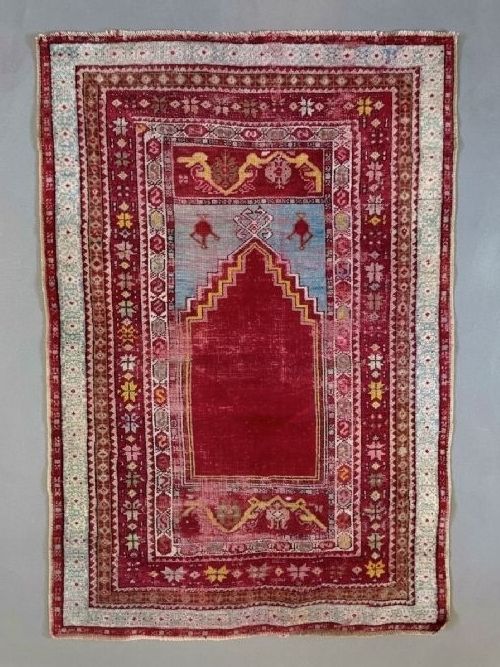
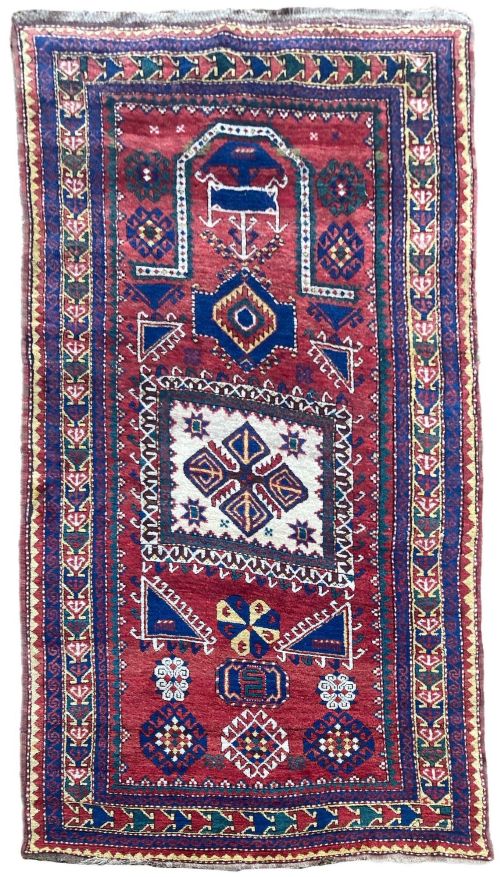
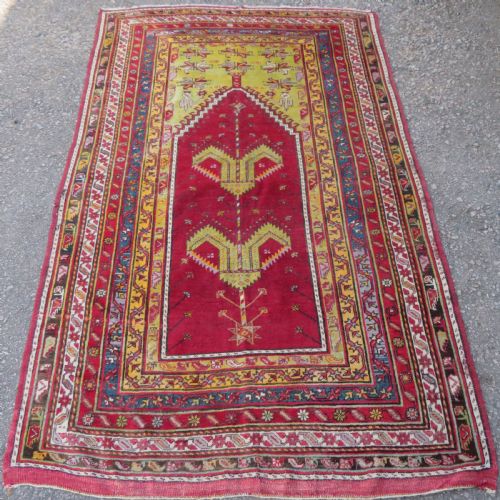
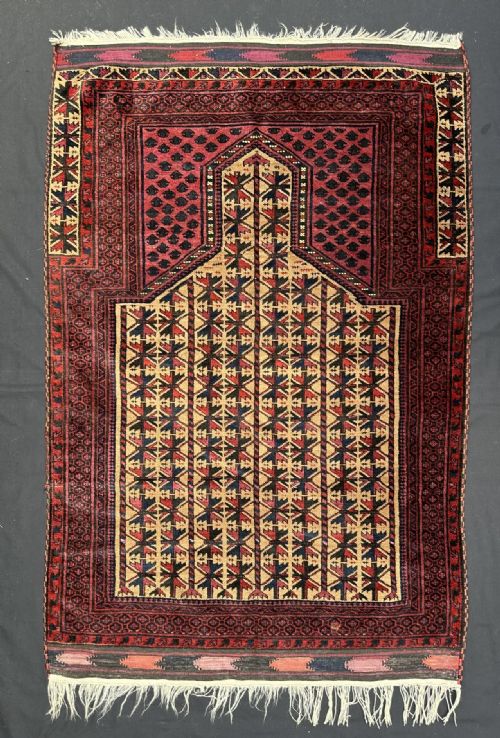
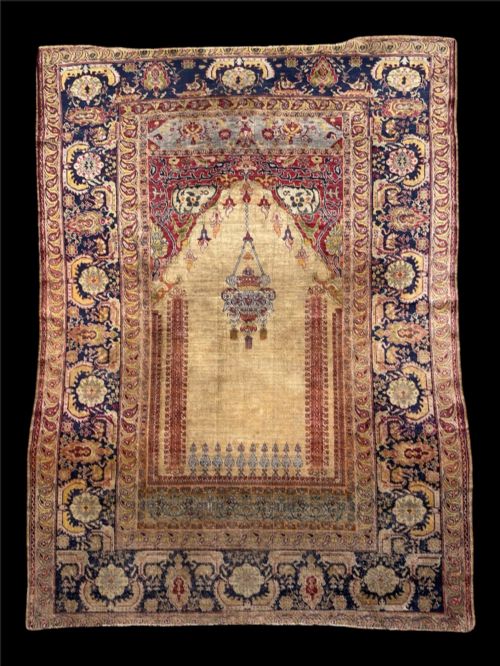
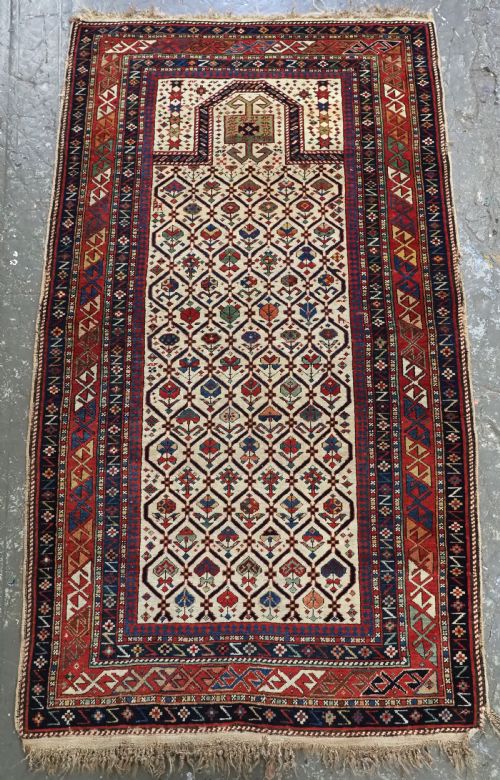
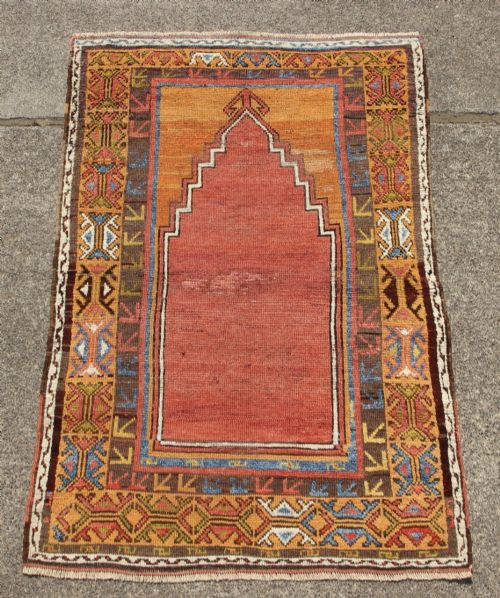
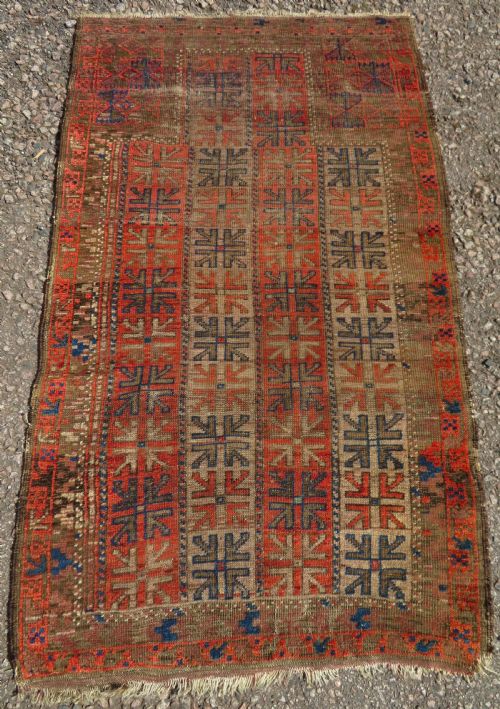
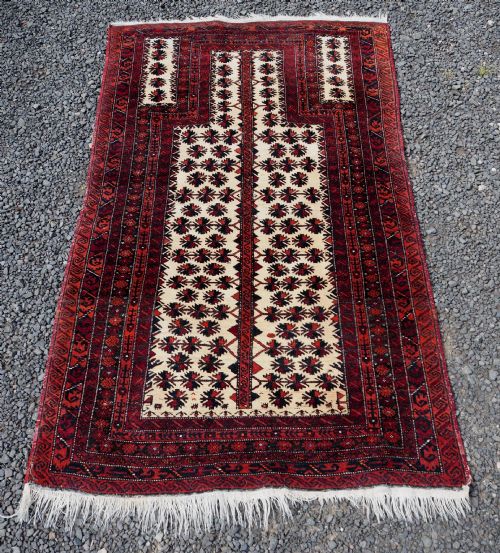
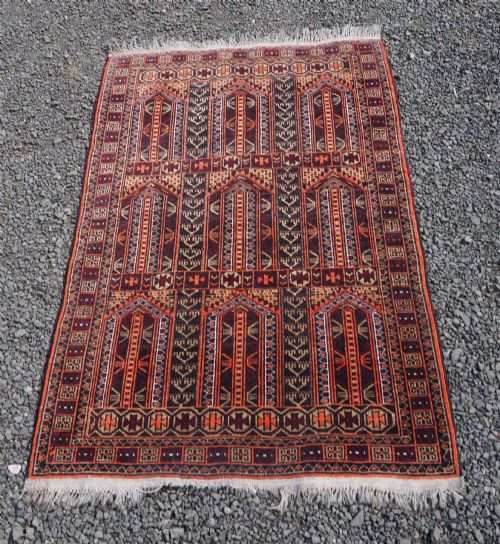
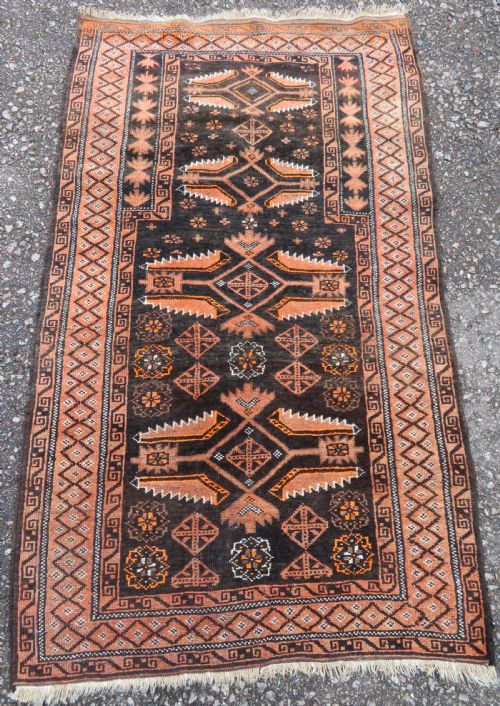
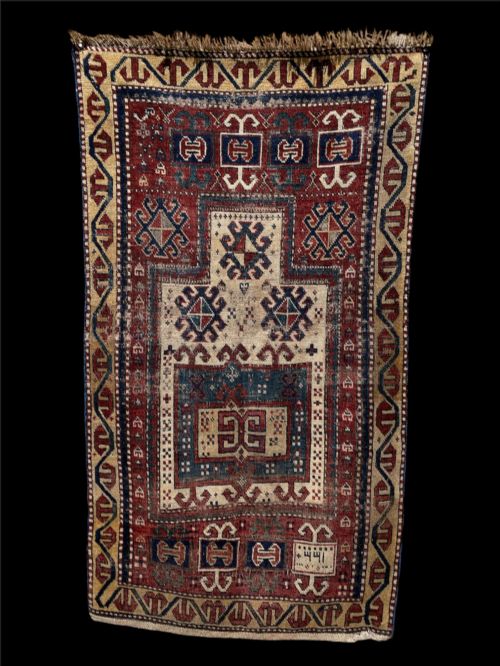
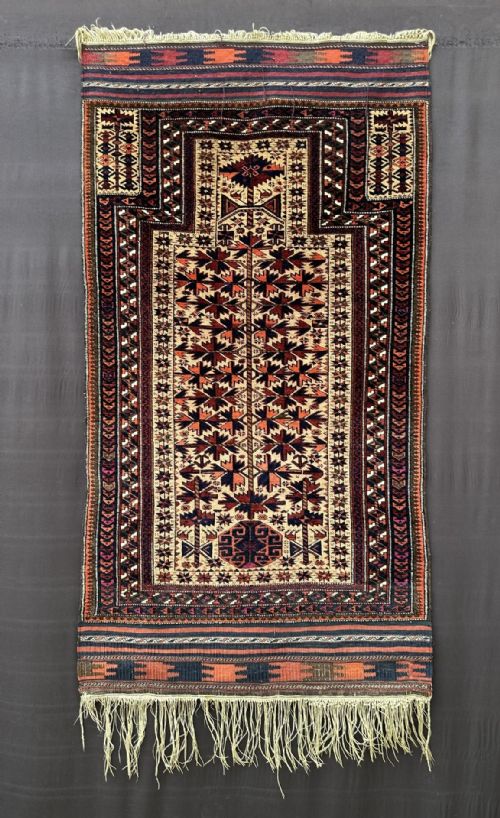
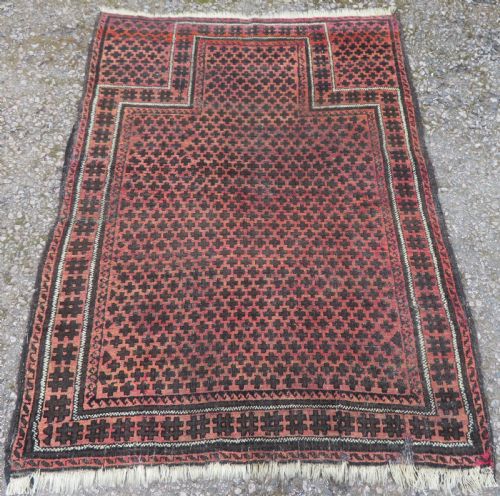
An oriental prayer mat is defined by its characteristic mihrab or arched architectural niche, which points toward Mecca during daily devotions. These textiles originate from diverse regions including Anatolia, the Caucasus, Persia, and Afghanistan, reflecting the distinctive cultural heritage of each weaving community. The examples encountered here span from the mid-nineteenth century into the early twentieth century, representing both settled village workshops and nomadic tribal groups.
Buyers seeking an oriental prayer mat will encounter various regional interpretations, from the geometric precision of Caucasian Kazak and Gendje pieces to the intricate floral motifs of Persian Kashan and Turkish Ghiordes examples. Formats range from compact village rugs to longer runners with kilim ends, often featuring single or double mihrab layouts alongside symbolic lanterns and ram's horn motifs.
Materials and construction methods
Weavers constructed these pieces predominantly using wool, hand-spun wool, and cotton foundations, occasionally incorporating silk, camel wool, and goat hair for specific pile elements or structural details. The reliance on natural dyes ensured rich, enduring palettes that developed nuanced patinas over decades of use. Mixed techniques appear in specific tribal contexts, combining pile knotting with flatwoven kilim ends.
Nomadic and village weavers utilised local resources to produce durable textiles designed for functional daily devotion rather than purely decorative display. The spinning of wool by hand and the application of natural dye baths created variations in texture and tone across the surface of each rug, marking the direct involvement of individual artisans.
Oriental Prayer Mat Retail Price Guide 2026
Typical asking prices for oriental prayer mat among the pieces listed under this phrase on Sellingantiques today, from the lower quarter to the upper quarter. They describe what is for sale here now, not the wider market.
Listings feature pieces spanning from the mid-nineteenth century through the 1930s, constructed from wool, cotton, silk, and camel wool.
Elements of distinction
Quality in these textiles rests upon the fineness of the knotting, the crispness of the geometric or floral drawing, and the depth of colour achieved through natural dye applications. Superior examples display harmonious proportions within the mihrab field and balanced borders that frame the central design without crowding.
The integrity of the materials also dictates the standing of a piece, where tightly spun wool and well-preserved structural foundations contribute to longevity. Variations in artistic expression, such as an unusual blue ground or a scarce double mihrab format, elevate certain pieces above standard village production.
The Oriental Prayer Mat Glossary
- Mihrab
- The arched niche design at one or both ends of a prayer rug that mimics the direction of prayer towards Mecca. It serves as the visual focal point of the textile.
- Natural Dyes
- Colourants derived from plants, insects, and minerals rather than synthetic compounds. They produce organic tones that age gracefully over time.
- Kilim
- A flatwoven textile structure often found at the ends of village and tribal rugs. It provides a durable finish to the foundation before the knotted pile begins.
- Camel Wool
- Un-dyed or naturally pigmented fibre utilised in select tribal weavings for its soft texture and durability. It adds subtle tonal variation to the pile.
- Double Mihrab
- A layout featuring two opposing arches at either end of the central field. This uncommon format appears in specific regional traditions.
Oriental Prayer Mat: Frequently Asked Questions
What is a mihrab?
The mihrab is the arched niche depicted on the surface of the rug, symbolising the direction of prayer.
Weavers arranged borders and field motifs around this central arch to guide the user during daily devotions.
Where were these rugs made?
These textiles were produced across Anatolia, the Caucasus, Persia, and the borderlands of Afghanistan.
Each region developed distinct tribal and village styles using local materials and traditional dyeing methods.
How do I care for wool rugs?
Wool pieces require gentle vacuuming without rotating brushes and professional cleaning when necessary to protect the natural fibres.
Keeping them out of direct sunlight preserves the rich tones of the natural dyes used in their construction.
How are different regional types told apart?
Regional attribution relies on specific combinations of palette, border motifs, knotting density, and structural wool characteristics.
Caucasian pieces often display bold geometric patterns, while Persian and Turkish examples frequently incorporate refined floral elements.