





Traditional Medallion Rug
A traditional medallion rug anchors a room with its central motif and centuries of woven geometry.
Traditional Medallion Rug
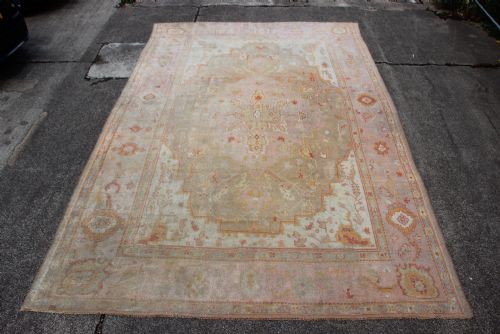
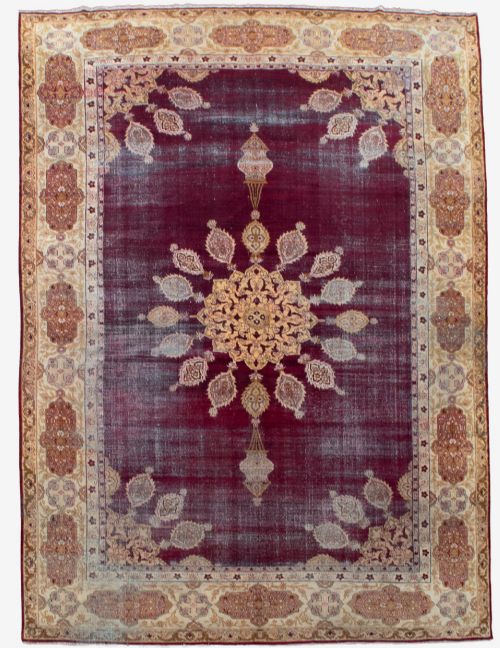
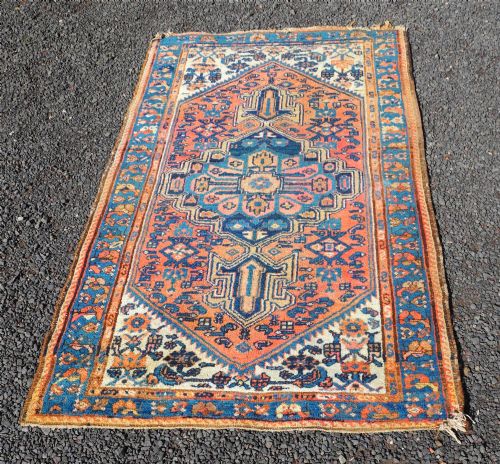
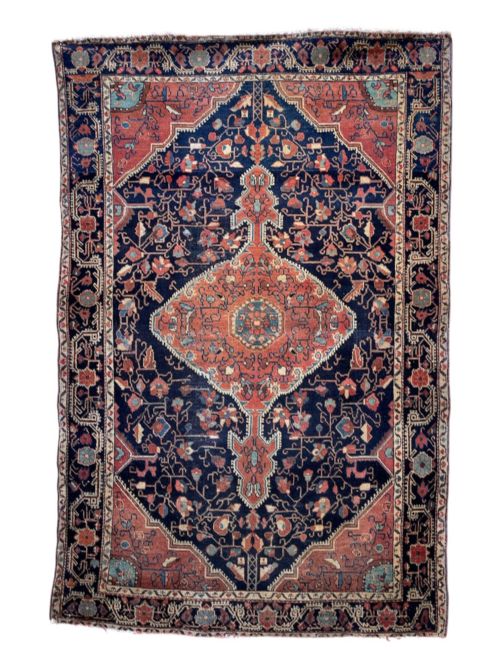
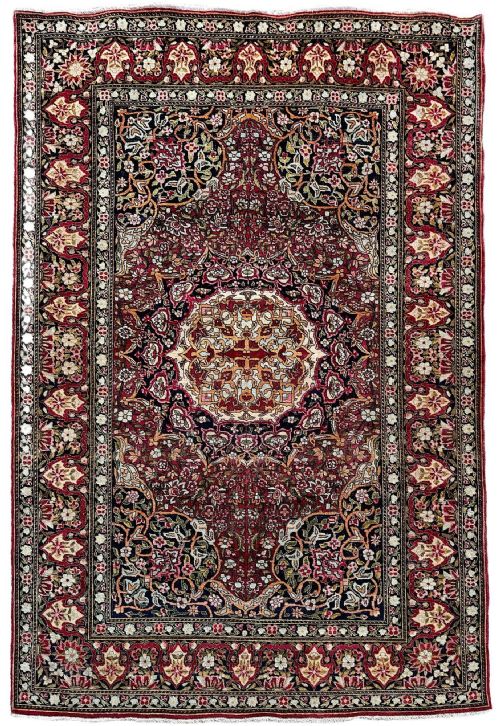
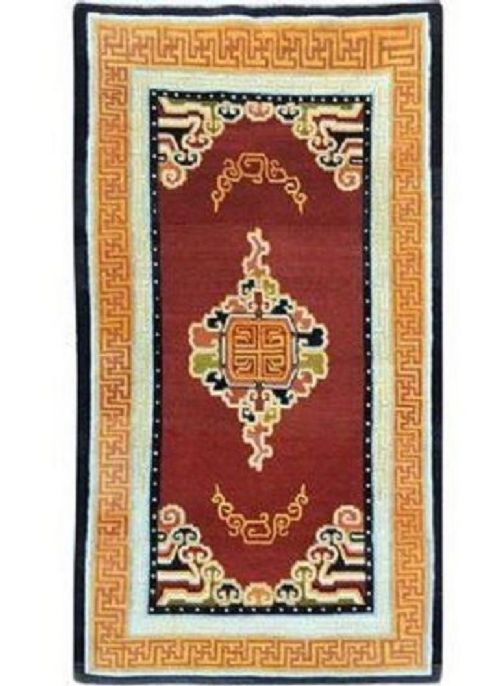
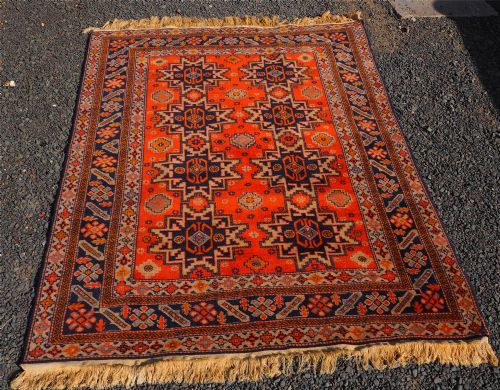
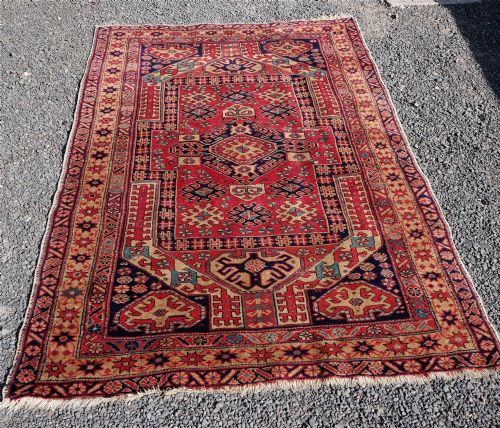
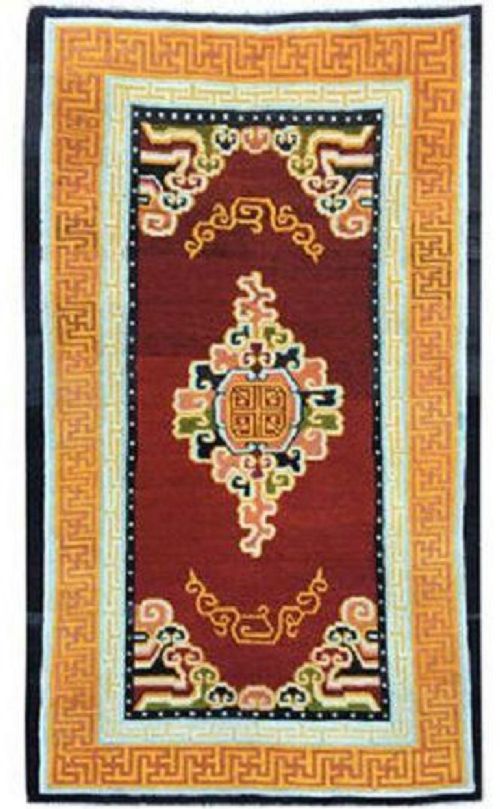
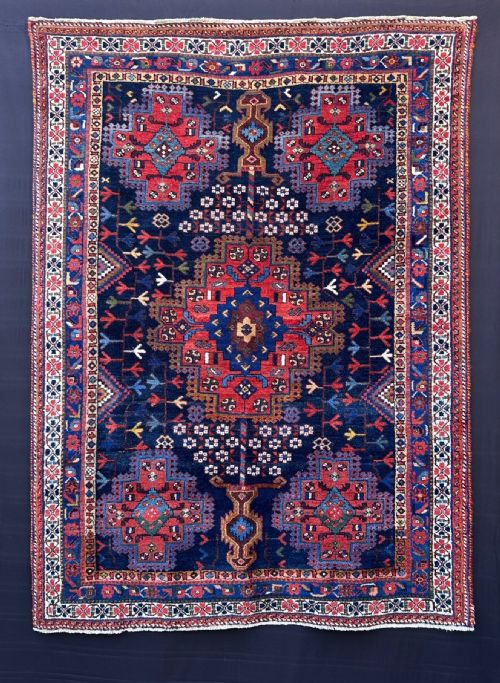
When you search for a traditional medallion rug, you are looking at floor coverings defined by a prominent central ornament surrounded by field patterns and intricate borders. These pieces originate from Persian, Anatolian, Ottoman, and Indo-Persian workshops spanning the late nineteenth and early twentieth centuries. The forms range from compact area sizes to large country house carpets exceeding five metres in length.
How they were made
Weavers constructed these carpets using traditional hand-knotting techniques on foundation threads of sturdy cotton. Pile materials primarily consist of wool, occasionally incorporating softer angora wool for added texture and tactile depth. Natural dye stuffs provided the rich tones that mellow gracefully over time.
Workshop production involved skilled artisans executing intricate cartoon designs passed down through generations. Selvedges and fringe finishes were applied by hand to secure the structural integrity of each rug.
Traditional Medallion Rug Retail Price Guide 2026
Typical asking prices for traditional medallion rug among the pieces listed under this phrase on Sellingantiques today, from the lower quarter to the upper quarter. They describe what is for sale here now, not the wider market.
Angora wool lends these carpets a velvety touch that tempts bare feet away from the floorboards every single morning.
What varies in quality
The distinction between ordinary and exceptional weaving lies in the precision of the knot density and the clarity of the medallion geometry. Finer examples exhibit balanced proportions where the central motif integrates harmoniously with the corner spandrels and border bands.
Material selection also dictates overall excellence, as superior wool grade and expertly fixed natural dyes retain their luminosity despite age. The handling of secondary motifs and the suppression of distortion across large formats reveal the artisan's true mastery.
The Traditional Medallion Rug Glossary
- Medallion
- The central ornamental design motif placed in the middle of the rug field. This focal point often incorporates floral or geometric elements that dictate the symmetry of the surrounding composition.
- Spandrels
- The triangular corner pieces situated at the four angles of the main field outside the central medallion. Their design typically mirrors or complements the central motif.
- Pile
- The upright yarn surface of the rug formed by the ends of knots tied to the warp and weft foundation. Pile height varies according to regional traditions and intended use.
- Warp
- The vertical foundation threads running lengthwise through the rug from fringe to fringe. Weavers tie the pile knots directly onto these tensioned strands.
- Weft
- The horizontal threads passed across the warp threads between rows of knots to bind the structure firmly together. Multiple shots of weft ensure the rug lies flat on the floor.
Traditional Medallion Rug: Frequently Asked Questions
How do I place a medallion rug in a modern interior?
A traditional medallion rug serves as a striking visual anchor beneath a central coffee table or dining setting. Allow surrounding hardwood floors to frame the perimeter of the piece and echo tones from the rug in your soft furnishings.
Keep surrounding furniture low-profile so the central design remains clearly visible. The rich geometry of these textiles bridges contemporary minimalist spaces and classic architectural interiors.
What is an Oushak carpet?
Oushak carpets originate from the historic weaving town of Uşak in western Anatolia. They are celebrated for their relaxed geometry, large-scale floral patterns, and warm, muted colour palettes.
These pieces typically utilise a looser knotting technique and lustrous wool that gives the pile a distinctively soft hand. Their faded appearance makes them particularly versatile for residential styling.
How do Bidjar carpets differ from other types?
Bidjar carpets hail from western Iran and are renowned among collectors as the iron rugs of the East. Their exceptionally dense foundation and heavy packing of the weft threads create a remarkably rigid and durable fabric.
This robust construction ensures that traditional Herati and medallion patterns survive generations of heavy foot traffic. The heavy weight and stiff handle remain hallmarks of authentic production from this region.
Why do antique rugs often have faded colours?
Fading occurs naturally over decades through exposure to sunlight and routine domestic use. Natural plant and insect dyes mellow gradually, softening initial brightness into harmonious secondary tones.
This gentle patination is prized by collectors because it imparts depth and historic character that artificial chemical dyes cannot replicate. Even wear across the surface enhances the organic beauty of the textile.