
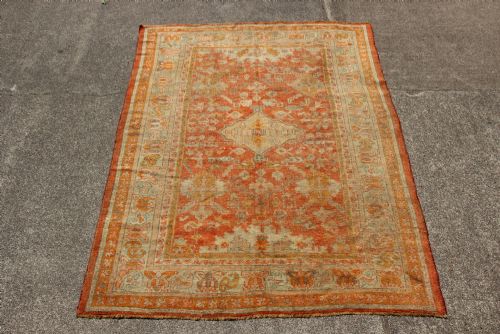
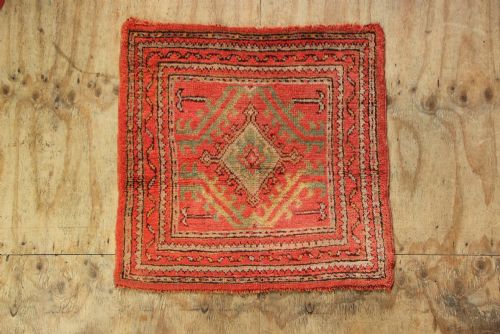


Vintage Turkish Area Rug
A vintage turkish area rug brings enduring Anatolian character to a room through traditional hand-knotted wool and cotton craftsmanship.
Vintage Turkish Area Rug
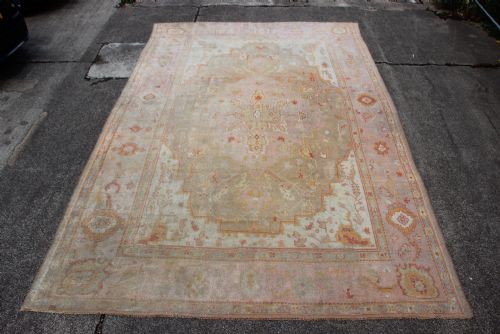
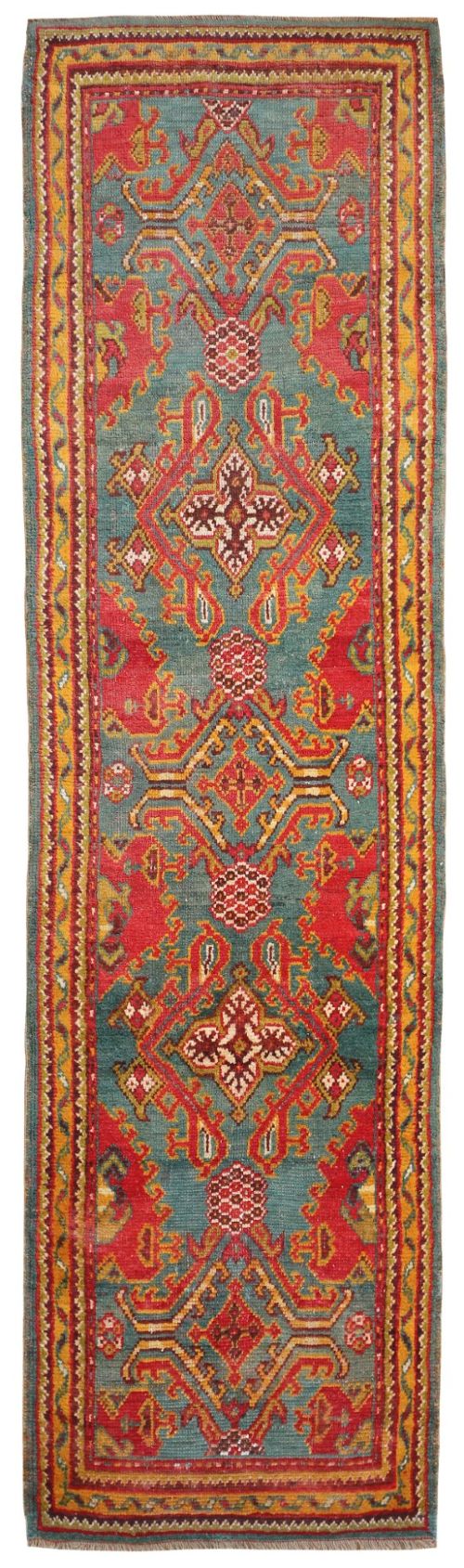
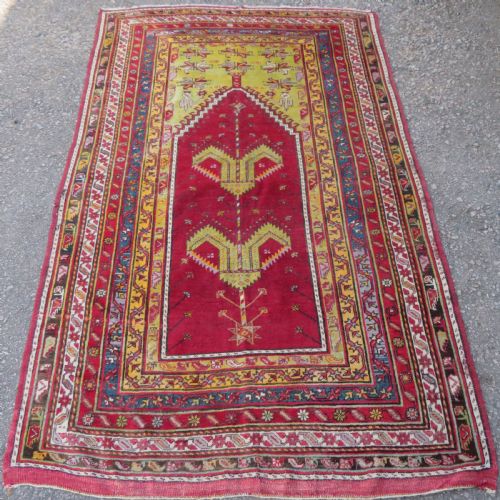
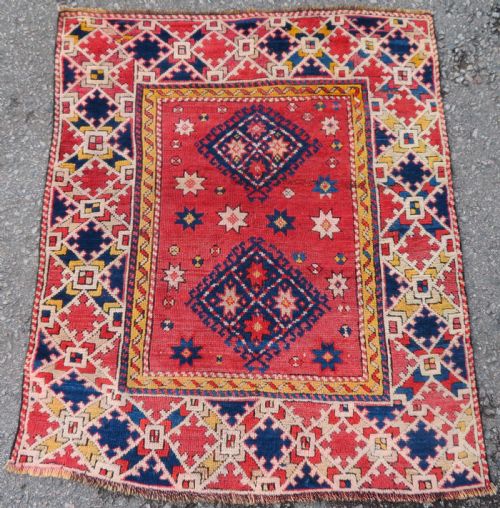
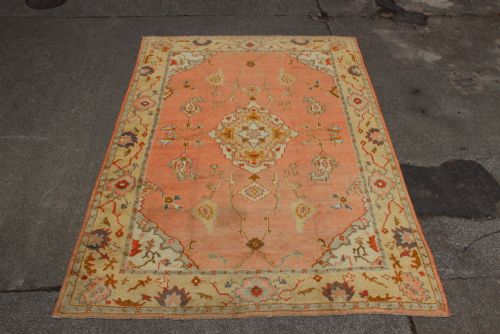
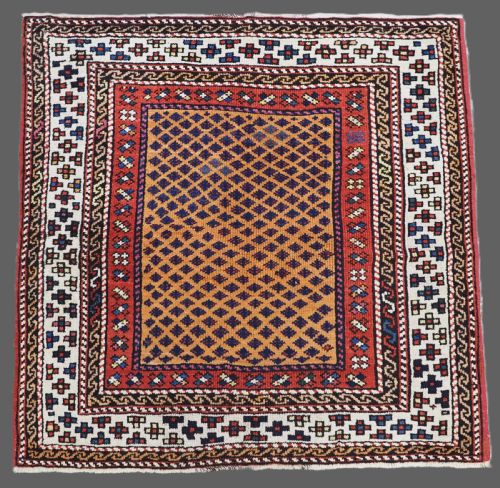
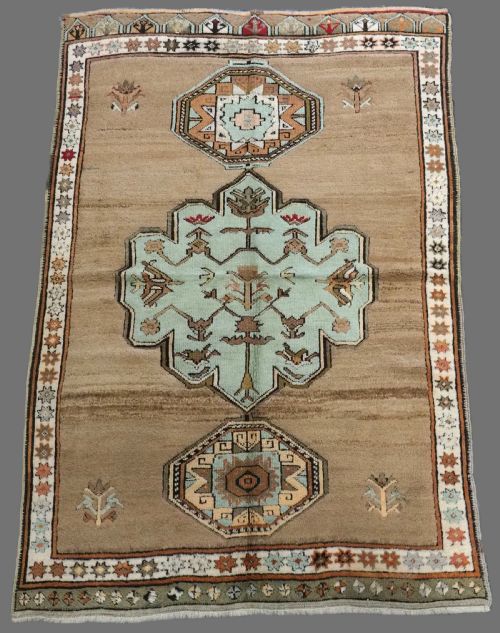
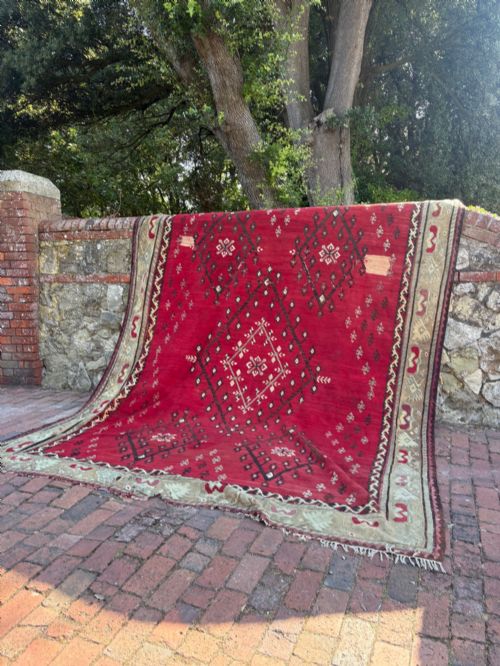
A vintage turkish area rug covers traditional floor coverings originating from Anatolia, spanning the nineteenth century and the early decades of the twentieth century. These textiles include village carpets, prayer rugs, and flat-woven kilims that display distinct regional designs.
The pieces available here showcase specific stylistic traditions such as Ushak, Ghiordes, Yagcebedir, Esme, Bergama, Milas, and Antep. Each type reflects the distinctive aesthetic vocabulary of its particular Anatolian district.
Buyers will encounter formats ranging from substantial carpets suitable for principal rooms down to compact area rugs and village rugs. The construction typically relies on durable wool pile set against wool or cotton foundations.
Materials and technique
The production of these floor coverings relies on natural wool and cotton materials, utilised for both the foundational warp and weft threads and the surface pile. Artisans knotted the wool by hand onto the supporting structure to create dense, hard-wearing surfaces designed for daily domestic use.
Weavers employed traditional Anatolian techniques to construct flat-woven kilims alongside pile rugs like the Ghiordes prayer rug and the Bergama village carpet. These methods incorporated locally sourced animal fibres and traditional regional patterning passed down through generations.
Vintage Turkish Area Rug Retail Price Guide 2026
Typical asking prices for vintage turkish area rug among the pieces listed under this phrase on Sellingantiques today, from the lower quarter to the upper quarter. They describe what is for sale here now, not the wider market.
Current listings demonstrate a date span ranging from the nineteenth century through the 1930s, utilising wool and cotton materials.
Judging the range
Distinctions across the range rest upon the specificity of regional design and the survival of uncommon colour grounds, such as the scarce green ground found in certain Milas examples. Pieces exhibiting distinctive historic motifs like the Holbein design command greater attention from discerning collectors.
The clarity of the Anatolian design traditions and the integrity of the original wool and cotton materials dictate the standing of individual rugs. Greater artistic ambition in village and town workshops elevates certain pieces well above standard domestic output.
The Vintage Turkish Area Rug Glossary
- Anatolian
- Pertaining to the historic region of Asia Minor that constitutes the Asian portion of Turkey. This descriptor encompasses the diverse weaving traditions of the entire territory.
- Prayer rug
- A small textile featuring a mihrab or arch design indicating the direction of Mecca. These pieces were traditionally utilised for personal devotion.
- Kilim
- A flat-woven carpet or rug produced without a pile by tightly interweaving warp and weft strands. Esme examples represent this distinctive non-pile technique.
- Warp
- The vertical foundation threads stretched lengthwise on a loom before weaving begins. The wool or cotton warp supports the entire structure of the rug.
- Weft
- The horizontal threads passed alternately over and under the warp threads to bind the knots in place. Together with the warp, it forms the stable foundation of the textile.
Vintage Turkish Area Rug: Frequently Asked Questions
What is an Anatolian carpet?
An Anatolian carpet is a traditional textile woven in the region historically known as Asia Minor, encompassing various distinct village and town styles.
These pieces utilise local wool and cotton materials shaped by centuries-old regional weaving heritage.
How do I care for my rug?
Maintenance requires regular gentle vacuuming without rotating brushes to protect the historic wool pile.
Professional cleaning tailored for antique textiles ensures the longevity of the natural fibres and dyes.
Where were these rugs made?
These textiles originate from various towns and villages across Turkey, including Ushak, Ghiordes, Bergama, and Milas.
Each producing centre developed unique decorative vocabularies and structural techniques.
Are these pieces original antiques?
The selection includes authentic nineteenth-century and early twentieth-century examples produced across Anatolian weaving workshops.
Materials and construction methods correspond directly to traditional historical manufacturing practices.