




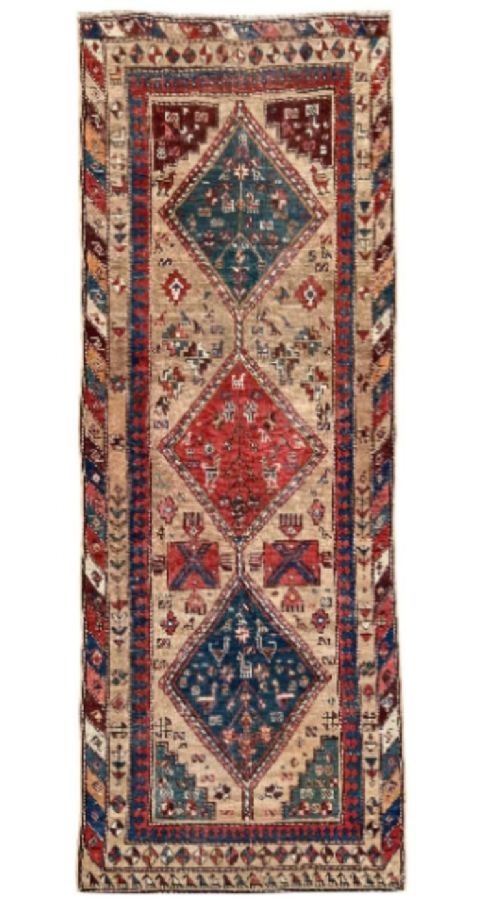
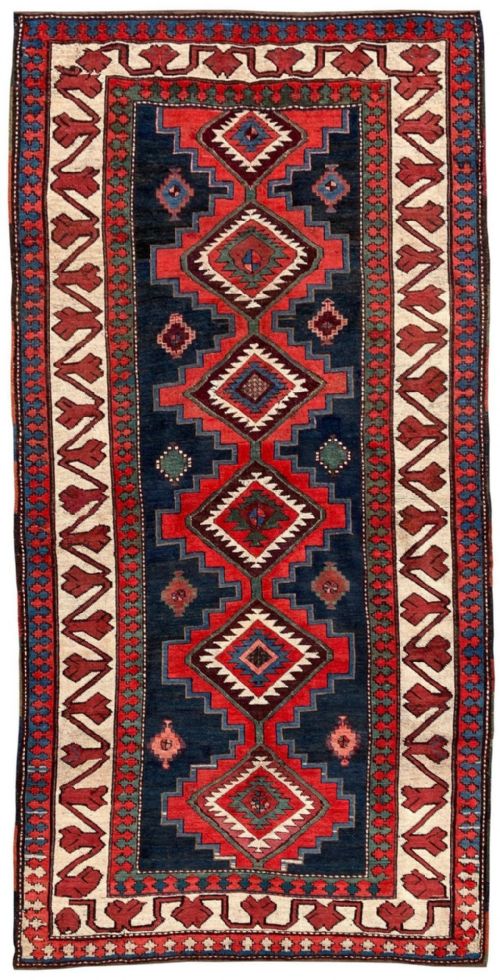
Traditional Geometric Rug
These traditional geometric rugs bring genuine tribal history and striking regional patterns into a room.
Traditional Geometric Rug
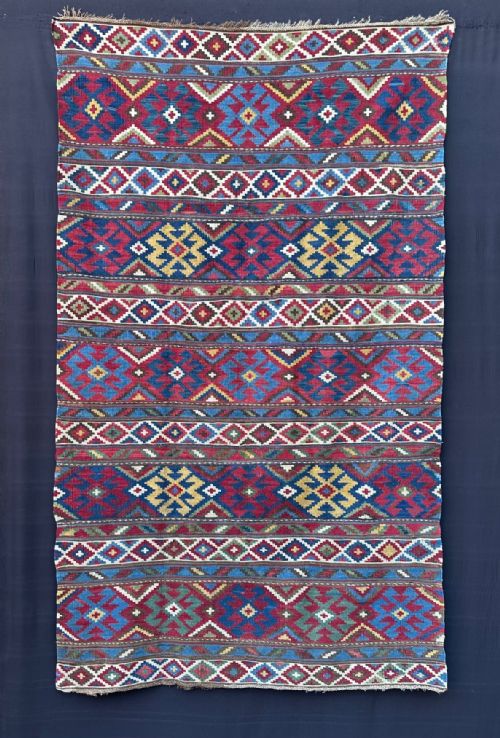
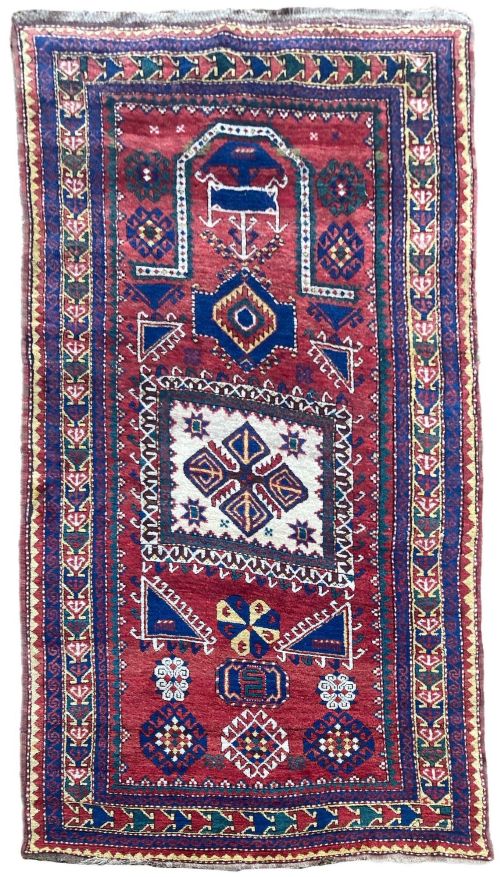
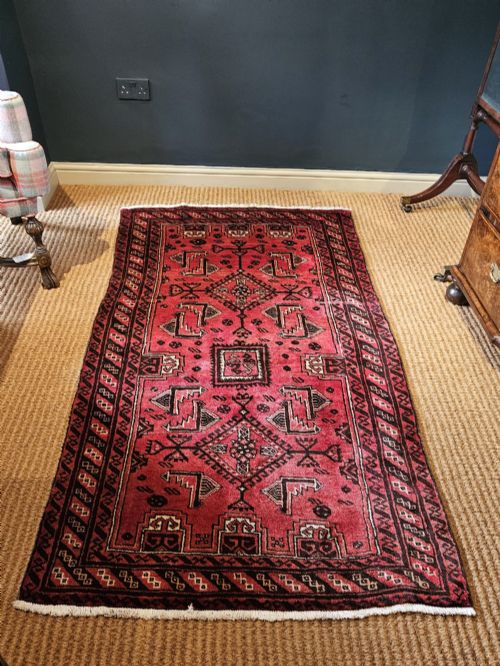
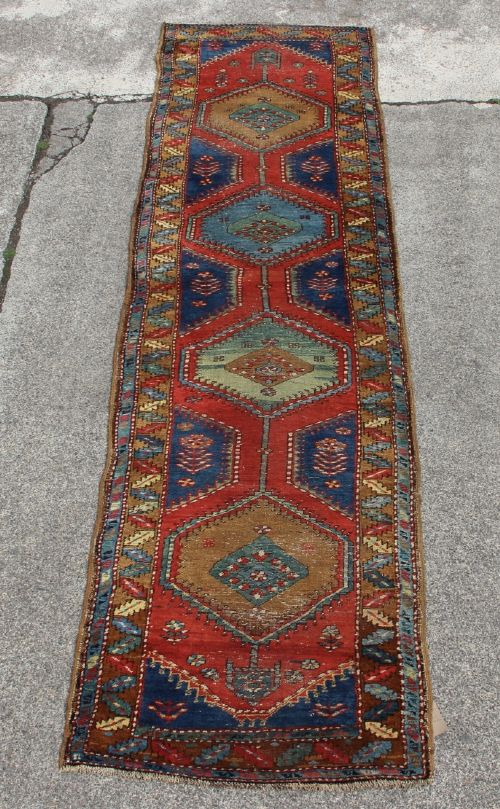
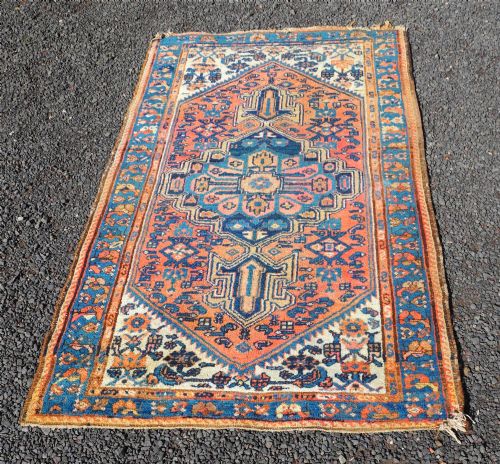
A traditional geometric rug brings bold rectilinear motifs and tribal artistry into domestic spaces. These pieces span the nineteenth century, nineteen hundred, nineteen thirty, and eighteen eighty periods, capturing centuries of nomadic weaving traditions.
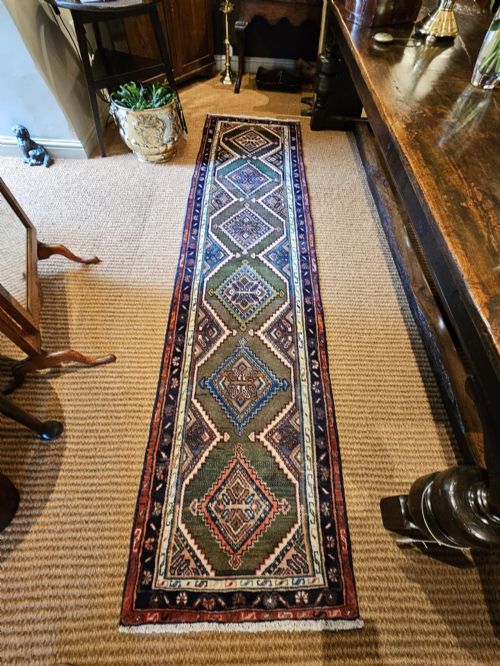
The inventory on this page consists entirely of wool and cotton floor coverings, ranging from compact area rugs to substantial carpets. Tribal styles dominate, specifically originating from Persian, Caucasian, and Turkmen weaving traditions.
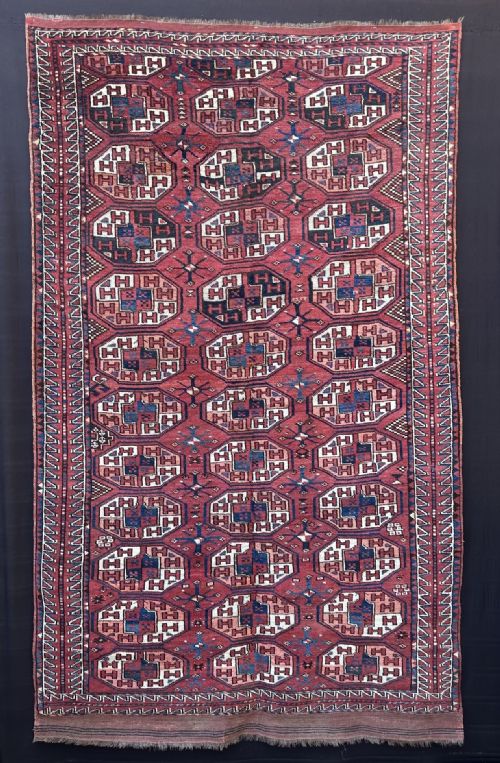
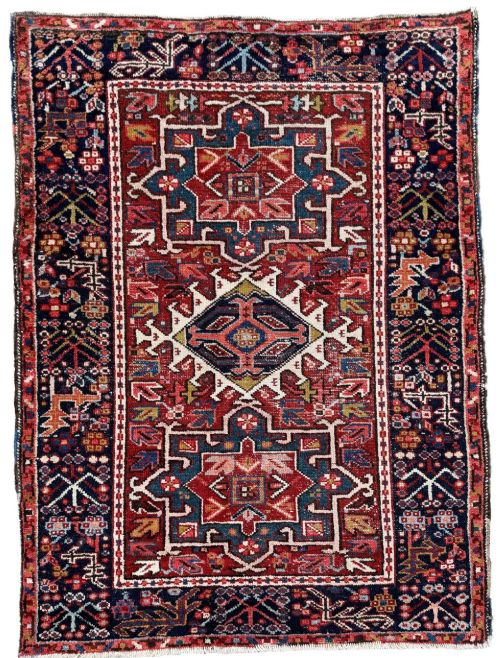
Buyers frequently encounter regional village and nomadic types such as Bakhtiari, Shirvan, Afshar, Yomut Turkmen, and Qashqai works. Each region employs distinct medallion layouts, repeating guls, and structural formats.
How traditional geometric rugs were made
Weavers constructed these traditional geometric rug examples using natural animal and plant fibres, specifically working with wool and cotton. The materials provide the dense structural foundation and thick pile necessary for enduring daily floor use.
Tribal makers knotted and wove these textiles by hand on vertical or horizontal looms, employing traditional village techniques passed down through generations. These methods created resilient pile carpets alongside flatwoven kilim structures.
Traditional Geometric Rug Retail Price Guide 2026
Typical asking prices for traditional geometric rug among the pieces listed under this phrase on Sellingantiques today, from the lower quarter to the upper quarter. They describe what is for sale here now, not the wider market.
The available inventory encompasses Caucasian, Persian, and Turkmen tribal styles including Shirvan and Qashqai forms.
What varies in quality
The refinement of the geometric drawing and the precision of the tribal motifs set superior traditional geometric rug examples apart from standard work. Finer knot density allows complex patterns like the Dyrnak gul or Heratti design to maintain crisp definition across the field.
The depth and integrity of the wool pile directly influence tactile richness and longevity. Superior specimens combine robust structural foundations with well-preserved natural dyes that hold visual harmony across the carpet.
The Traditional Geometric Rug Glossary
- Gul
- A primary medallion or octagonal motif repeated across Turkmen and tribal carpets. These motifs often identify the specific weaving tribe or clan.
- Heratti
- A classic recurring pattern featuring a central rosette enclosed by leaves and flanked by fish-like motifs. It appears frequently in Persian and tribal compositions.
- Kilim
- A flatwoven textile produced without a raised pile. These pieces rely on interlocking warp and weft threads to form sharp geometric patterns.
- Medallion
- A prominent central ornamental design anchoring the field of a rug. Traditional geometric rugs often utilise triple or single medallion layouts.
- Pile
- The upright yarn loops or cut ends forming the soft surface of a carpet. Thick pile wool provides both physical warmth and structural protection to the foundation.
Traditional Geometric Rug: Frequently Asked Questions
What is a traditional geometric rug?
A traditional geometric rug is a handwoven floor covering featuring rectilinear motifs, tribal symbols, and regional patterns produced by nomadic or village weavers.
These textiles utilise wool and cotton materials, spanning nineteenth-century and early twentieth-century periods across Persian, Caucasian, and Turkmen origins.
How do I identify tribal designs?
Tribal designs are recognised through repeating geometric motifs, characteristic medallion structures, and distinct regional guls associated with specific weaving groups like the Yomut or Qashqai.
Examining the specific drawing style and border patterns helps reveal the geographic origin of the piece.
Where were these rugs made?
These rugs were made by nomadic and village weavers across regions including Persia, the Caucasus, and Turkmenistan. Each area developed its own distinct palette and structural techniques.
Local tribes passed down specific weaving methods and motif repertoires through generations.
How do I care for an antique rug?
Care for an antique rug by using appropriate rug underlays to prevent sliding and reduce fibre friction during everyday foot traffic.
Vacuum gently without using rotating brush bars and consult professional textile conservators for specialist cleaning.