

Antique Persia Carpet
An antique persia carpet brings centuries of woven artistry into a room, offering rich geometric and floral motifs passed down through generations of makers.
Antique Persia Carpet
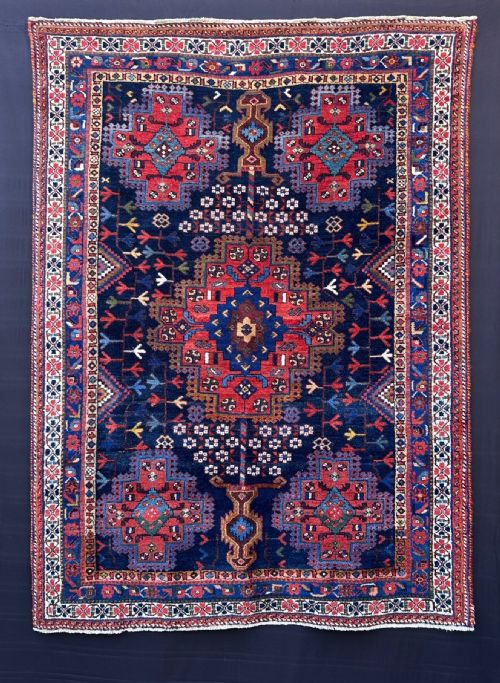
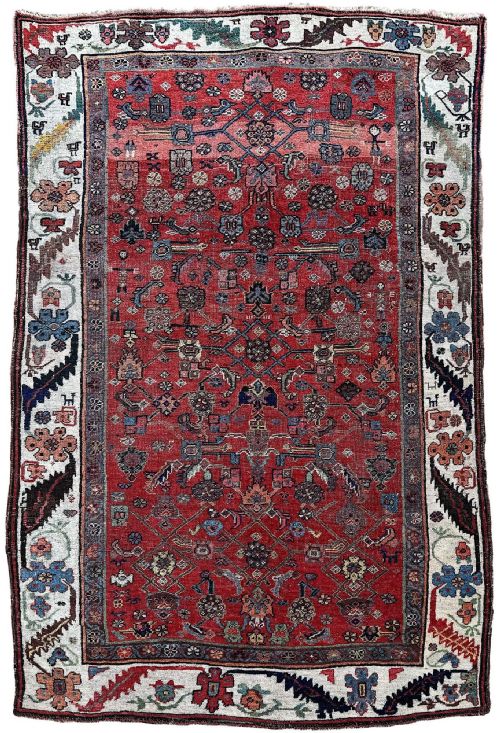
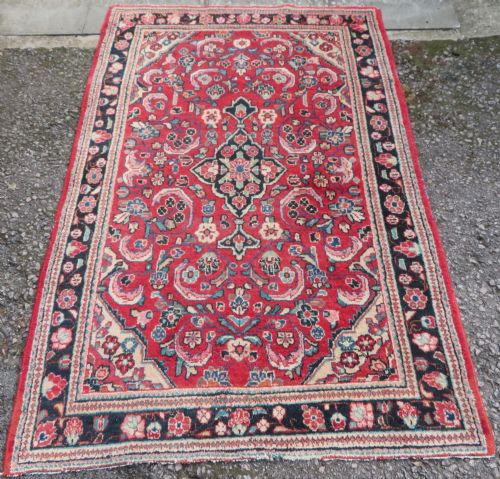
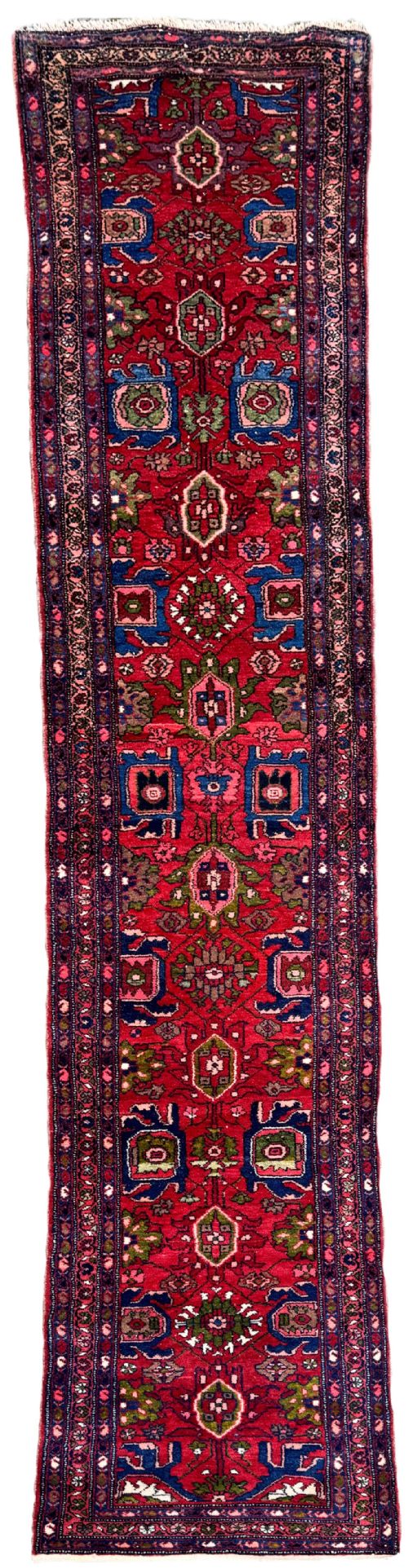
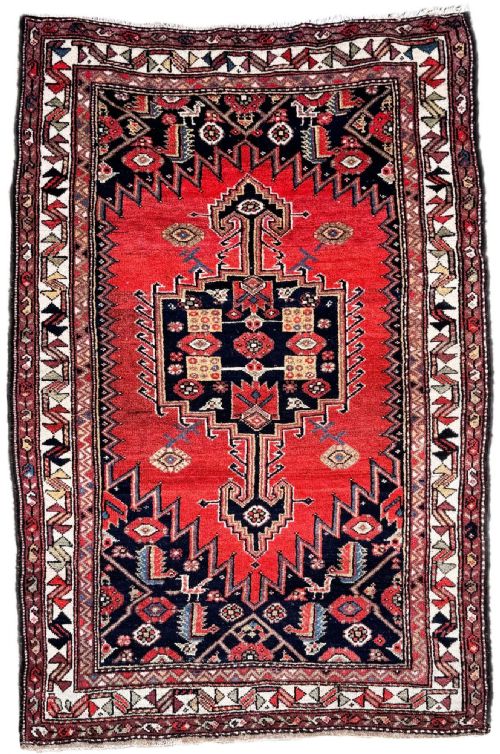
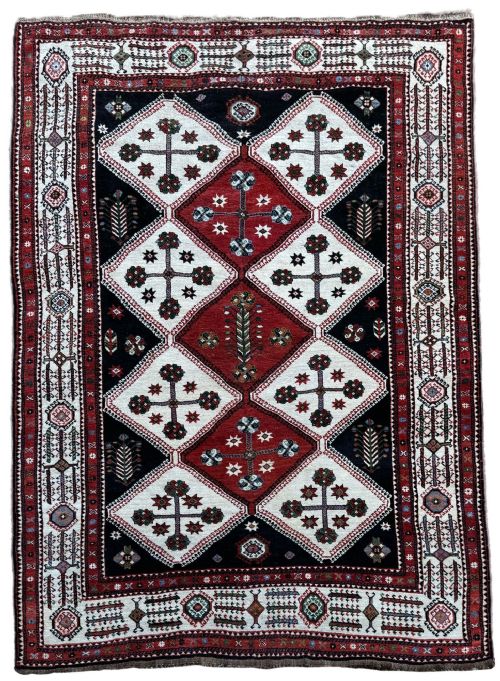
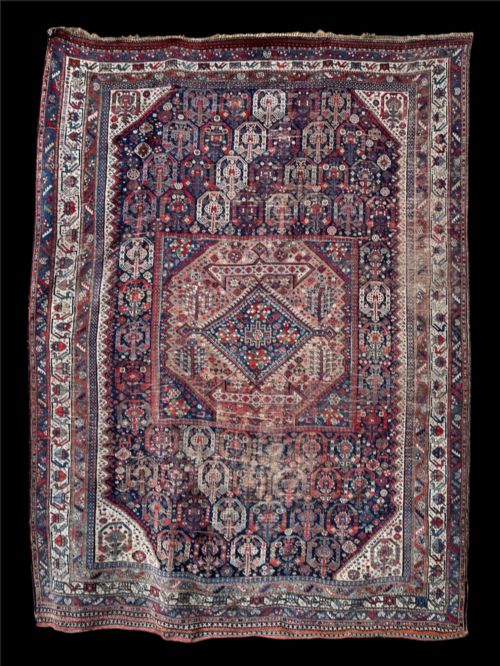
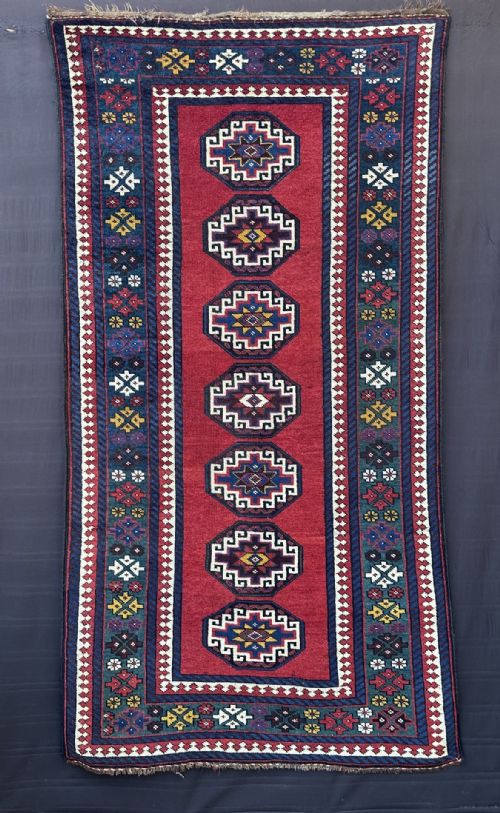
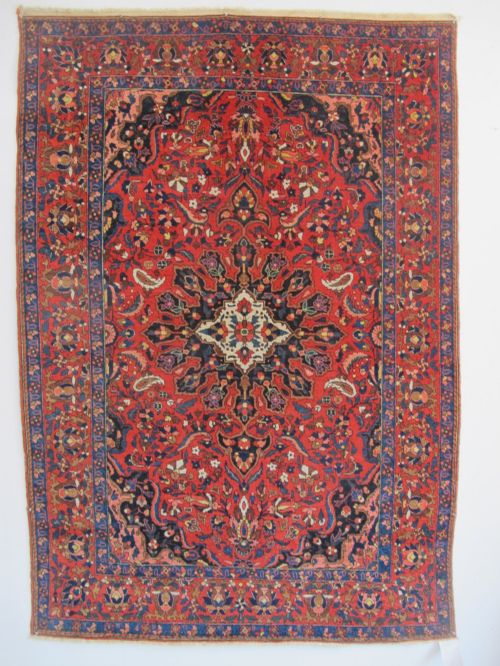
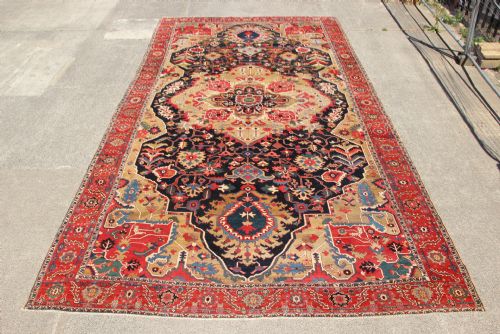
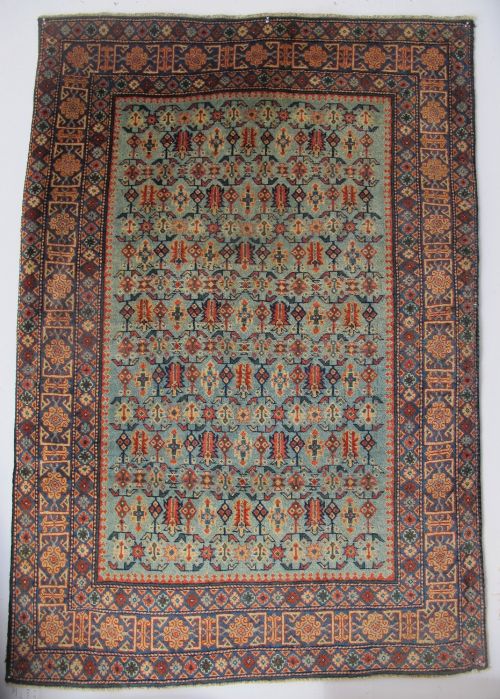
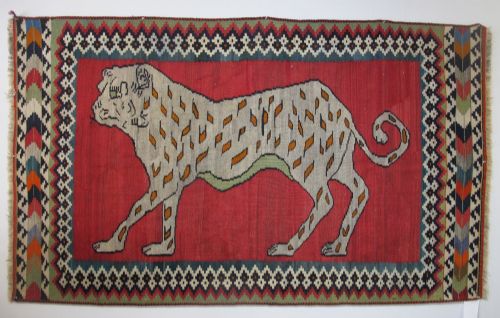
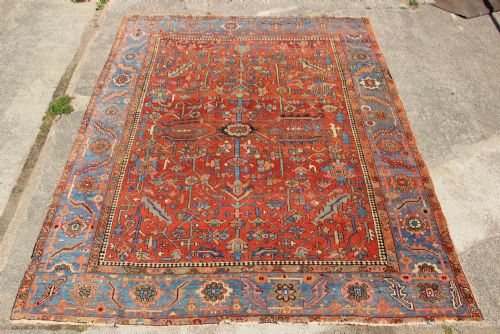
When searching for an antique persia carpet, buyers encounter a diverse range of village rugs, tribal weaving, and city workshop masterpieces. Pieces span from small area formats and long hallway runners to room-sized floor coverings originating from distinct regions like Heriz, Bidjar, and Kashan.
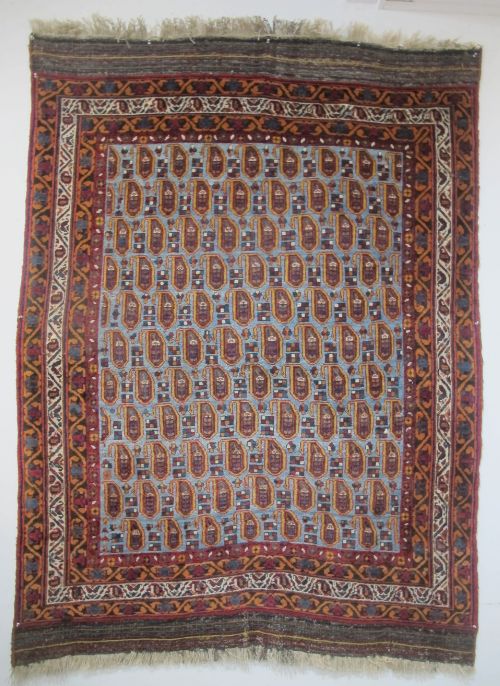
The selection includes specific tribal works from confederacies such as the Qashqai and Afshar, alongside structured town carpets from Tabriz and Isfahan. Most examples date from the late nineteenth century through to the early decades of the twentieth century.
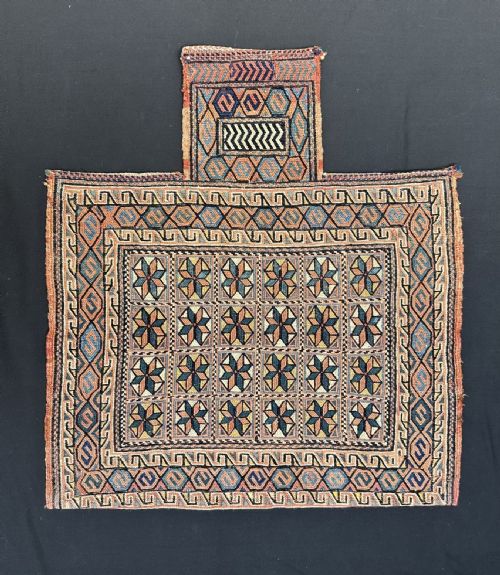
Forms vary from utilitarian salt-bags and prayer rugs to expansive room carpets designed for grand country houses. Each region contributes distinct structural characteristics and drawing styles that allow knowledgeable collectors to pinpoint their origin.
Materials and Construction
These floor coverings rely on a durable foundation of handspun cotton or wool warps and wefts, providing the structural grid for the dense pile. Artisans knotted natural wool around these foundations, occasionally incorporating silk in finer urban workshops.
Colour comes from natural dyes derived from plants and minerals, creating complex secondary shades and subtle abrash variations within the field. Weavers utilised vertical or horizontal looms, beating down the rows of knots with heavy combs to ensure a tight, enduring structure.
Antique Persia Carpet Retail Price Guide 2026
Typical asking prices for persia carpet among the pieces listed under this phrase on Sellingantiques today, from the lower quarter to the upper quarter. They describe what is for sale here now, not the wider market.
Listings feature wool and cotton structures infused with natural dyes, spanning village and tribal workshops across nineteenth and early twentieth-century Persia.
Factors of Quality
Knot density and structural integrity dictate the baseline excellence of a textile, determining how sharply the design lines render on the surface. Finer urban examples achieve intricate curvilinear medallions through meticulous execution, whereas tribal pieces derive distinction from bold, expressive drawing and saturated palettes.
The choice and depth of natural dyes heavily influence visual success, as well-aged vegetable colours develop an enviable patina over decades of use. Preservation of original borders, uniform pile depth, and structural stability separate exceptional survivors from heavily restored or distressed examples.
Haji Jalili·Benlian
The Antique Persia Carpet Glossary
- Abrash
- A visible tonal variation in the colour of the wool, caused by changes in dye batches or different yarn lots during weaving.
- Warp
- The stationary vertical threads stretched tightly on the loom that carry the fringe and support the entire knotting structure.
- Weft
- The horizontal threads passed across the warp threads between rows of knots to bind the structure firmly together.
- Medallion
- A large central ornamental design motif placed in the middle of the carpet field, common in both city and village weaving.
- Pile
- The dense upright surface of knotted wool or silk fibres that forms the tactile nap of the finished textile.
Antique Persia Carpet: Frequently Asked Questions
How do I clean an antique carpet?
Gentle surface vacuuming without the rotating beater bar removes embedded grit safely. Professional specialist washing remains essential for deep cleaning to protect natural dyes.
Avoid household chemical treatments entirely, as harsh agents strip the lanolin from the wool and damage historic fibres.
Can these carpets handle heavy foot traffic?
Traditional village and nomadic weavings utilise sturdy wool pile designed for demanding daily use. Hallway runners and heavy room-sized formats endure normal domestic movement well.
Placing a quality underlay beneath the textile prevents slippage and cushions the foundation against premature wear.
How do I identify regional styles?
Regional attribution relies on examining the specific drawing style, border arrangements, and structural materials. Heriz carpets show geometric large-scale medallions, while Afshar pieces often feature repeating boteh motifs.
Knot types, palette choices, and side-cord finishes provide further clues to pinpoint whether a piece originates from a village or a specific tribal confederacy.
What is natural dye?
Natural dye involves colouring wool using organic materials sourced from plants, insects, and minerals rather than synthetic compounds. Indigo provides blues, while madder root yields deep reds and terracotta tones.
Over decades, these natural colorants age gracefully, developing soft tonal variations known as abrash that synthetic dyes cannot replicate.