


Antique Area Carpet
An antique area carpet anchors a room with enduring weight, bringing historic weave and region into daily stepping.
Antique Area Carpet
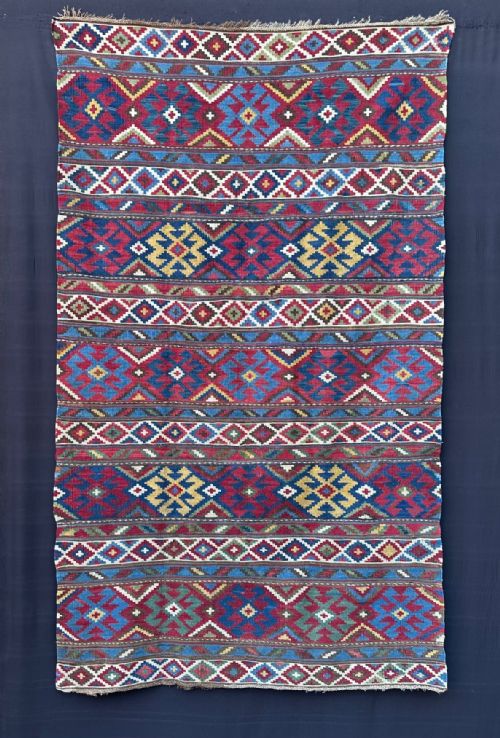
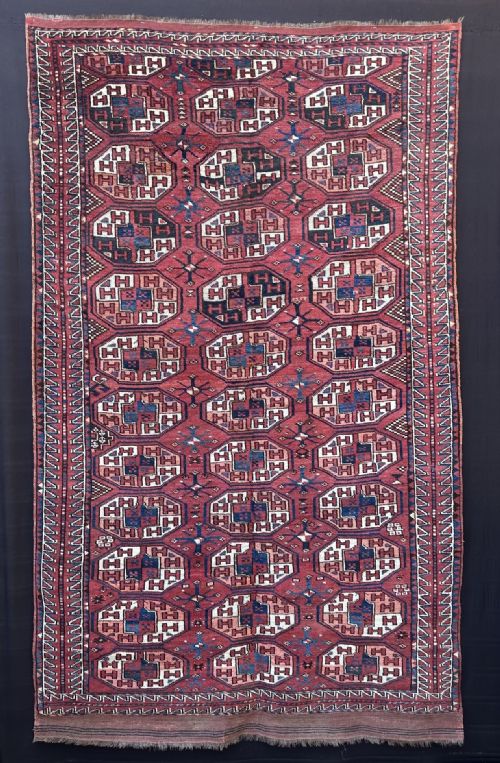
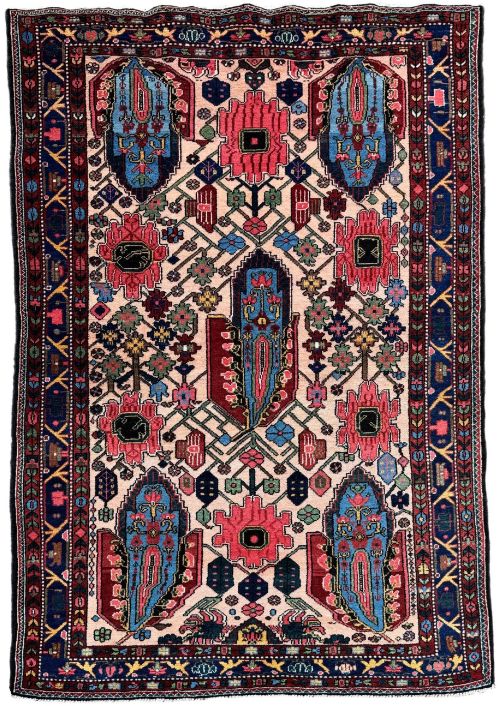
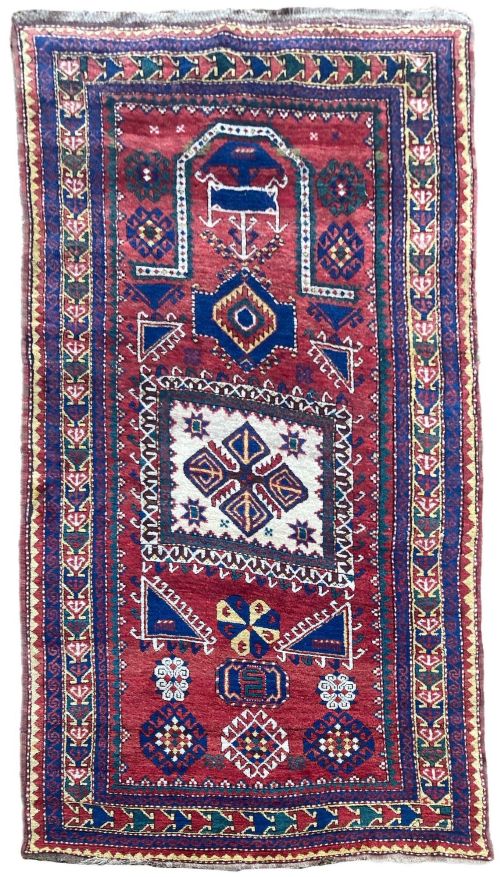
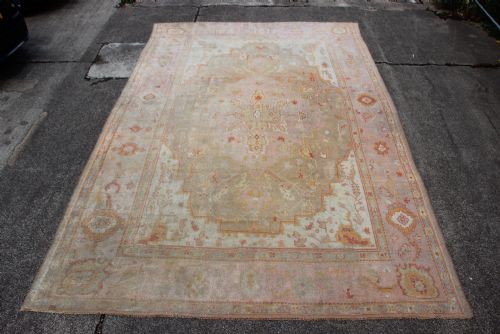
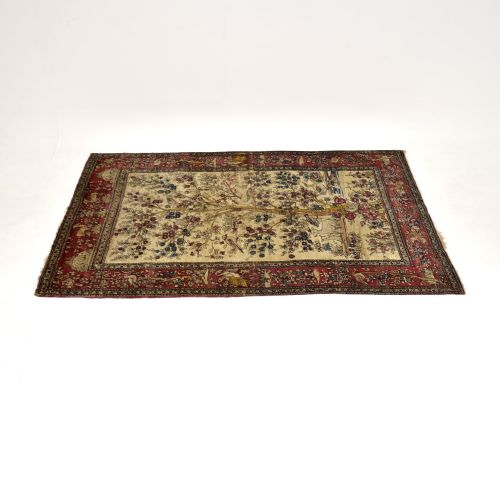
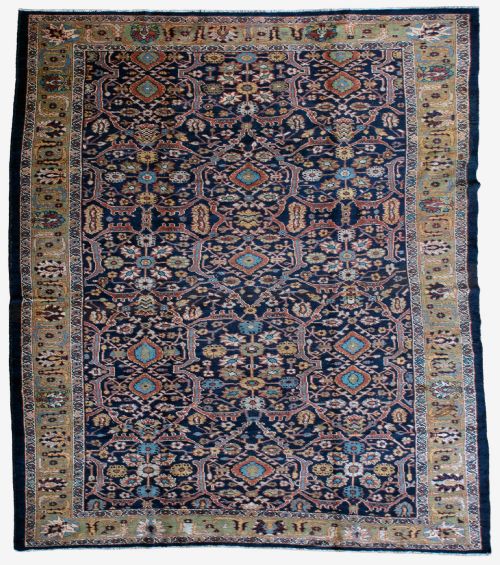
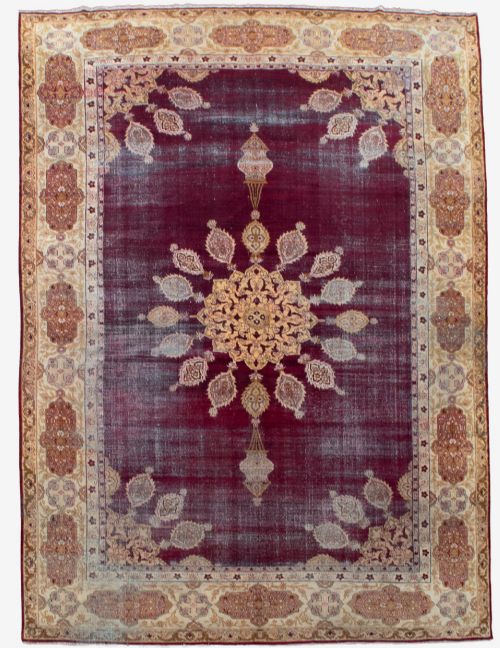
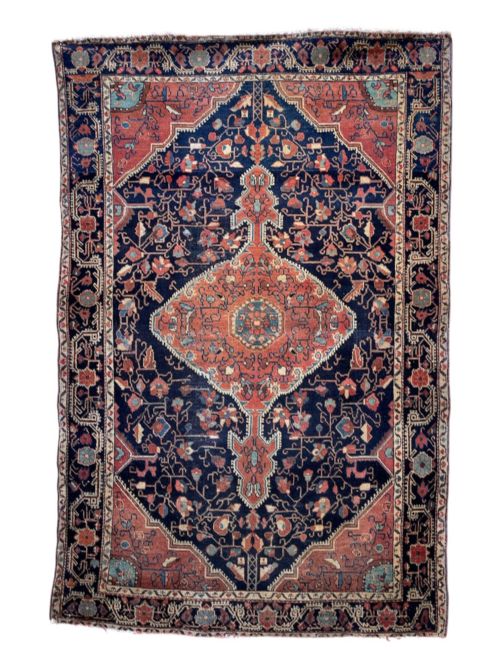
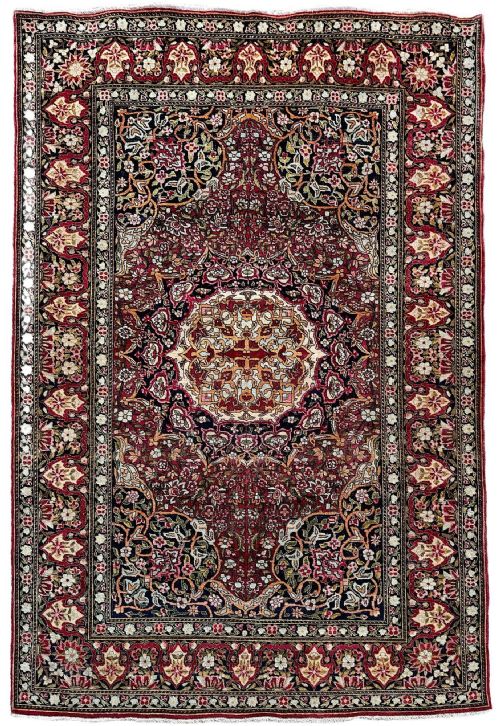
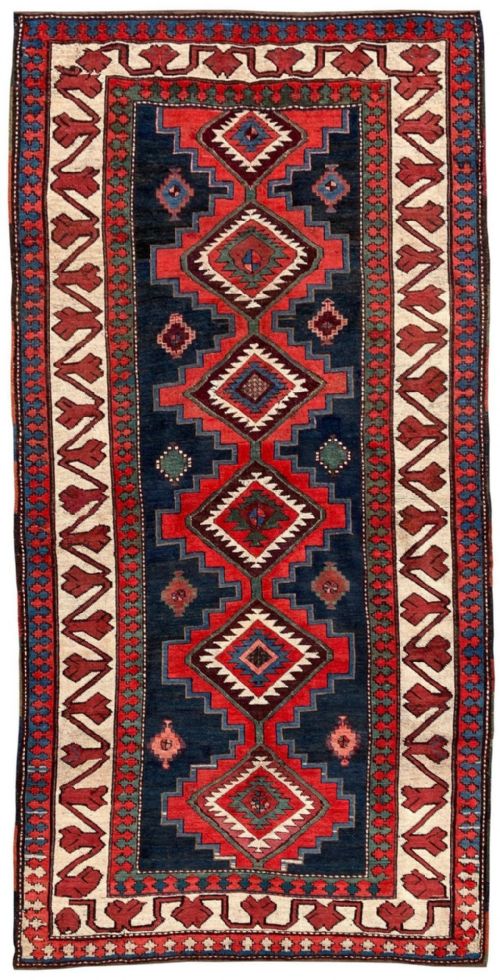
An antique area carpet represents centuries of nomadic and town weaving traditions, primarily sourced from Persian, Caucasian, and Turkmen regions. When searching for an antique area carpet, buyers encounter formats ranging from expansive country house carpets to smaller prayer rugs and runners.
The materials span hand-spun wool, cotton foundations, and occasional silk highlights, rooted in traditional production methods dating from the nineteenth century into the early twentieth century. These textiles carry specific regional identities such as Heriz, Saroukh, Kazak, and Oushak.
Most pieces seen here reflect distinct tribal or village aesthetics, utilising natural dyes to achieve mellow, lasting palettes. The inventory shifts between larger room-sized floor coverings and compact tribal pieces suited for varied interior layouts.
How they were made
Weavers constructed these carpets using hand-spun wool on sturdy cotton or wool foundations, knotted by hand to create dense, durable floor coverings. Natural dyes provided the foundational tones, yielding rich hues across Persian and Caucasian workshops.
Meticulous hand-weaving techniques ensured the structural integrity of large format carpets and smaller village rugs alike. Artisans incorporated intricate regional motifs, utilising precise knotting traditions passed down through generations.
Antique Area Carpet Retail Price Guide 2026
Typical asking prices for area carpet among the pieces listed under this phrase on Sellingantiques today, from the lower quarter to the upper quarter. They describe what is for sale here now, not the wider market.
Some weavers secretly tucked minor intentional flaws into their geometric patterns to ward off the evil eye and respect perfection as divine.
What varies in quality
Quality in an antique area carpet depends upon the tightness of the knotting and the crispness of the regional design execution. Finer examples display superior wool preparation and more complex, balanced dye work.
The consistency of the weave and the depth of the natural dyes distinguish standard village production from master-woven workshop carpets. Structural preservation and the integrity of the original borders also elevate a piece within its category.
The Antique Area Carpet Glossary
- Kilim
- A flat-woven carpet or rug produced without a pile, created by tightly interweaving warp and weft strands. These pieces often feature sharp geometric patterns typical of tribal origins.
- Mihrab
- A niche design motif found on prayer rugs, traditionally indicating the direction of prayer. This architectural element points towards Mecca in Islamic design.
- Warp
- The vertical threads stretched tightly on a loom that form the structural foundation of the carpet. The visible knots are tied directly around these parallel strands.
- Weft
- The horizontal threads passed across the warp strands to secure the knots in place. Beaten down tightly after each row, the weft stabilizes the entire woven structure.
- Natural Dyes
- Colourants derived from plant, insect, and mineral sources rather than synthetic chemicals. These dyes age gracefully, developing softer, mellow patinas over decades of light exposure.
Antique Area Carpet: Frequently Asked Questions
How do I clean an antique area carpet?
Professional specialist cleaning is essential for preserving delicate hand-spun wool and natural dye foundations.
Regular gentle vacuuming without a beater bar prevents dust accumulation between the fibres.
Can these carpets handle daily foot traffic?
Traditional hand-knotted wool construction provides exceptional durability suitable for normal household use.
Placing a quality rug underlay beneath the carpet reduces friction and prevents slipping on hard floors.
How do I identify a regional carpet style?
Regional attribution relies on distinct geometric or floral motifs, specific colour palettes, and knotting characteristics.
Caucasian pieces often feature bold geometric medallions, whereas Persian workshops tend towards intricate curved floral vines.
What is the difference between a rug and a carpet?
Terminology often overlaps, though carpets generally refer to larger floor coverings designed for entire rooms.
Rugs and prayer rugs typically describe smaller formats or specific functional textile types.