


Anatolian Village Rug
An anatolian village rug brings tangible tribal history into a room through honest wool and traditional dye.
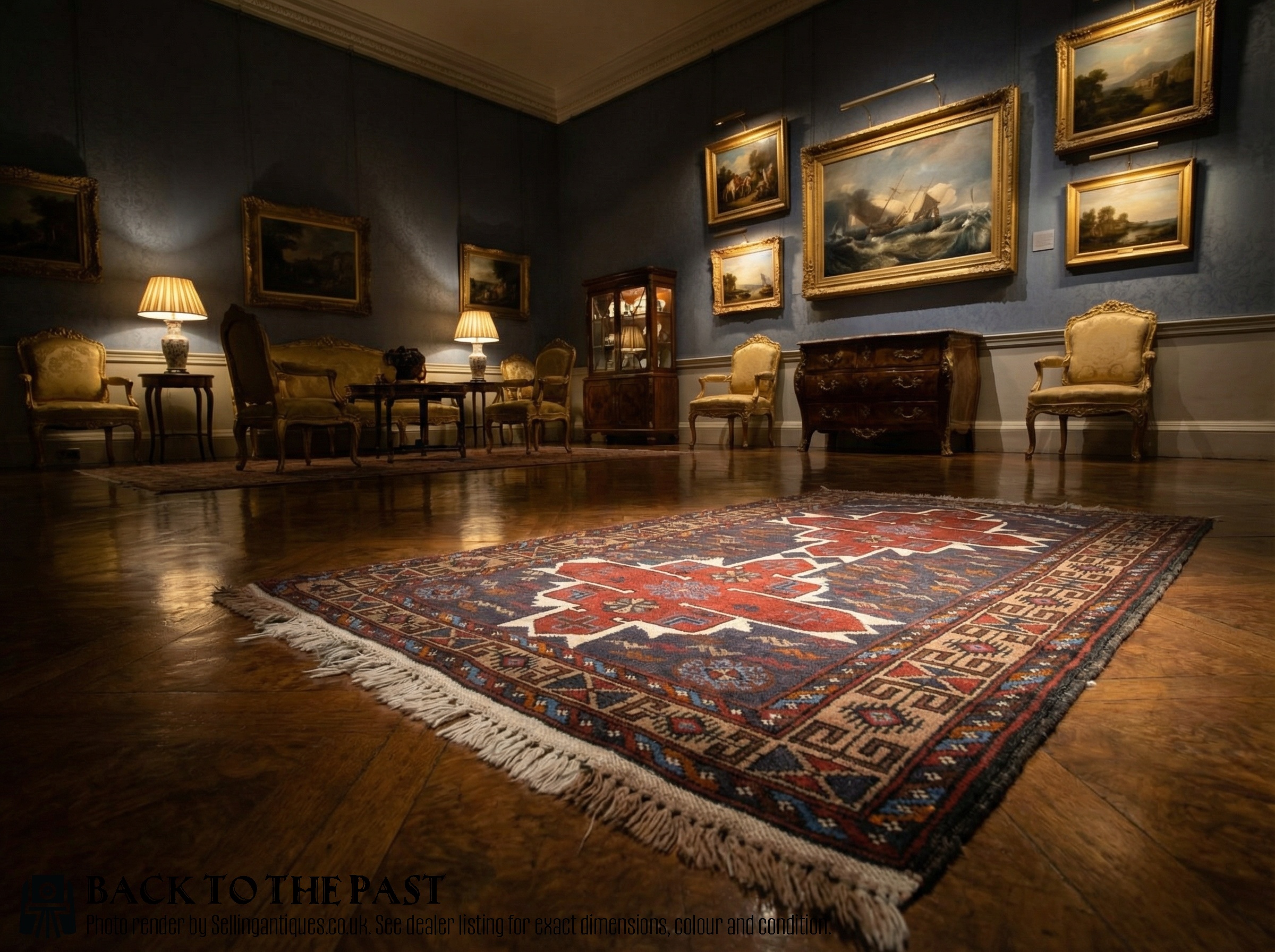
Anatolian Village Rug
An anatolian village rug represents centuries of regional weaving traditions handed down through generations in Turkish communities. Buyers searching for an anatolian village rug encounter formats ranging from intimate prayer formats to substantial room-sized carpets.
The pieces on this page span from the mid nineteenth century into the twentieth century, originating from regions such as Konya, Bergama, Milas, and Yahyali. These domestic floor coverings reflect the specific aesthetic vocabulary of individual villages rather than centralised urban workshops.
How they were made
Weavers constructed these textiles using wool for both pile and foundation, supplemented occasionally by cotton in structural elements. Hand-spun wool provides the characteristic texture and resilience that absorbs dye unevenly in a pleasing manner.
Colour comes from vegetable dye methods applied to the wool before knotting takes place. This traditional dyeing technique allows shades to mature gracefully over decades of use.
Anatolian Village Rug Retail Price Guide 2026
Typical asking prices for anatolian village rug among the pieces listed under this phrase on Sellingantiques today, from the lower quarter to the upper quarter. They describe what is for sale here now, not the wider market.
The listings on this page span the nineteenth century and the early twentieth century, featuring wool, cotton, and vegetable dye.
What varies in quality
Quality rests upon the purity of the wool and the depth of the vegetable dye palette. Finer examples display a crispness in geometric motifs and a harmonious saturation of colour across the field.
The integrity of the weave and the originality of the regional design execution separate standard pieces from superior examples. A well-balanced composition retains its visual power regardless of wear.
The Anatolian Village Rug Glossary
- Prayer rug
- A textile featuring a distinct mihrab or arch design at one end, traditionally used for daily personal devotion. These formats often direct the eye towards a central niche.
- Vegetable dye
- Colour extracted from roots, leaves, and other organic matter used to stain wool yarns. This method produces subtle tonal variations known as abrash.
- Medallion
- A central ornamental motif placed in the middle of the rug field. It anchors the symmetrical composition of tribal designs.
- Foundation
- The underlying structure of warp and weft threads that supports the knotted wool pile. The tightness of this grid determines the stability of the textile.
- Pile
- The vertical tufts of wool knotted onto the foundation to create the surface texture. Length and density vary according to regional weaving customs.
Anatolian Village Rug: Frequently Asked Questions
Where were these rugs made?
These textiles originate from various provinces and rural districts across Anatolia, including Bergama, Konya, Milas, and Yahyali. Each producing area developed distinct design vocabularies and colour preferences.
Local weavers adapted traditional patterns to suit domestic requirements, resulting in highly regional floor coverings.
How do I care for an old rug?
Protect the textile by placing a breathable underlay beneath it to prevent slipping and reduce friction against hard floors. Vacuum gently with the suction attachment rather than a rotating brush bar.
Keep the piece out of direct sunlight to prevent natural dyes from fading prematurely over time.
What is vegetable dye?
Vegetable dye involves obtaining colour pigments from natural sources such as madder root, walnut husks, and indigo plants. These substances bond with the wool fibres during traditional preparation.
As the wool ages, these natural colours mellow and develop a rich patina that synthetic alternatives cannot replicate.
How do I date an antique rug?
Dating relies on examining structural characteristics, material preparation, and stylistic markers specific to certain decades. Hand-spun wool and early aniline or vegetable dye palettes help establish a chronological window.
Comparing knot structure and regional motifs against documented examples provides a reliable indicator of age.