



Traditional Prayer Mat
These traditional prayer mat examples are woven floor coverings built for devotion, offering authentic tribal designs and historic textile traditions for your home.
Traditional Prayer Mat
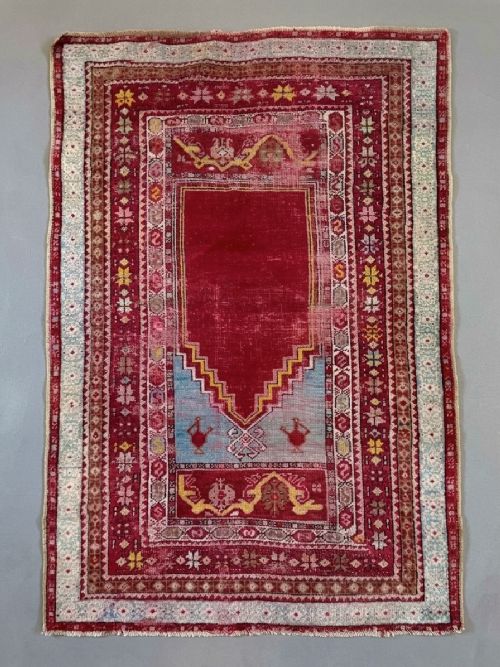
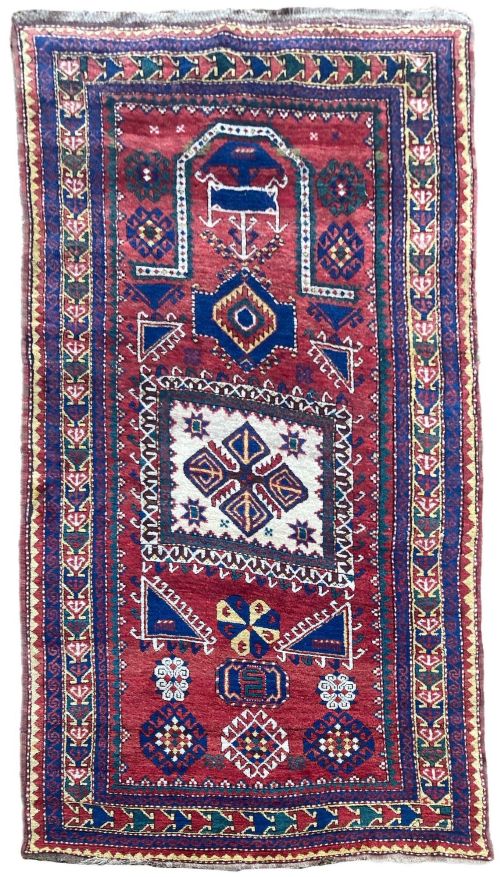
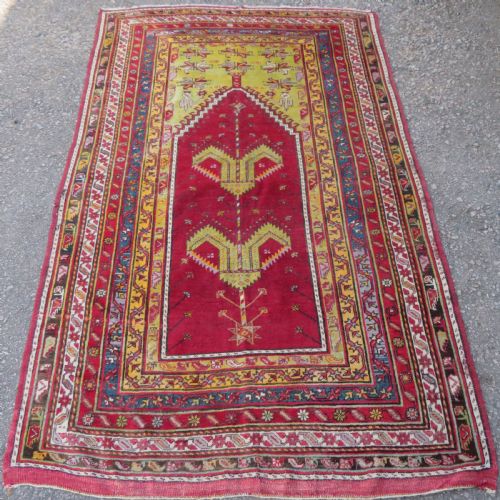
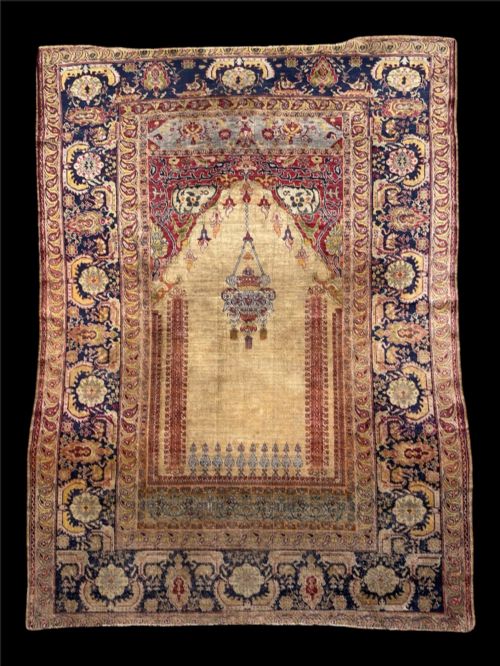
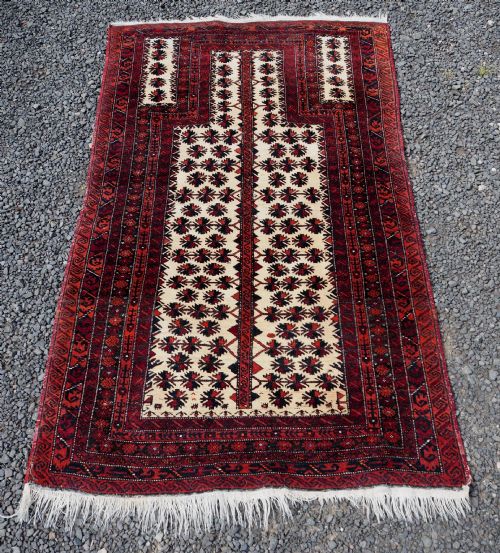
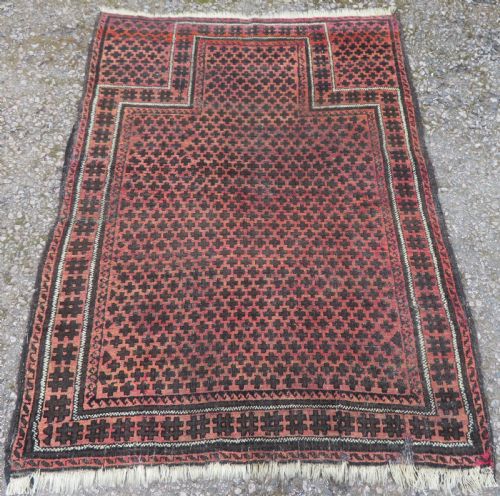
A traditional prayer mat is a specialised rug designed for daily rituals, typically featuring distinct architectural motifs such as arches and mihrabs. The pieces gathered under this search phrase span centuries of weaving heritage from Anatolia, Turkey, and Afghanistan.
You are most likely to encounter wool and cotton rugs created in tribal and nomadic traditions, including Anatolian tribal works, Turkmen weaving, and Afghan Baluch or Kizil Ayak pieces. These textiles carry regional designs passed down through generations of village weavers.
The selection ranges from nineteenth-century village rugs dated around eighteen hundred and eighteen-fifty to twentieth-century examples from nineteen hundred and nineteen-twenty. Each piece reflects the specific cultural geometry and palette of its origin region, such as Konya, Ghiordes, Ladik, and Obruk.
How traditional prayer mat items were made
These textiles are constructed primarily from wool and cotton, utilising traditional hand-weaving methods practiced across Turkish and Afghan regions. The materials are spun and knotted by hand to create durable floor coverings capable of daily use.
Weavers employ structural flatweave techniques in kilims or pile knotting in rugs, integrating natural fibres that hold rich dyes over decades. The construction relies on sturdy foundations of cotton or wool warp andweft threads.
Traditional Prayer Mat Retail Price Guide 2026
Typical asking prices for traditional prayer mat among the pieces listed under this phrase on Sellingantiques today, from the lower quarter to the upper quarter. They describe what is for sale here now, not the wider market.
Many village weavers tucked tiny personal charms and geometric protective symbols directly into the borders of their prayer rugs to ward off bad luck.
What varies in quality
Quality in these textiles rests upon the precision of the knotting, the handling of traditional wool and cotton materials, and the integrity of regional design execution. Finer examples display crisper geometry in motifs like the seh mihrabs and balanced proportions across the field.
The distinction between standard village production and exceptional display items lies in the saturation of the dye work and the clarity of tribal symbols. Older nineteenth-century works from regions like Ladik often demonstrate superior wool density and sophisticated regional colour handling.
The Traditional Prayer Mat Glossary
- Mihrab
- A niche in the wall of a mosque that indicates the direction of prayer, which is replicated on the field of a traditional prayer mat. This architectural motif guides the worshipper's orientation.
- Seh Mihrabs
- A design featuring multiple prayer arches within the field of the rug. This configuration is frequently seen in Afghan Baluch and Turkmen Kizil Ayak weaving traditions.
- Kilim
- A flatwoven textile produced by tightly interweaving the warp and weft strands to create a smooth surface without a pile. Obruk region examples often utilise this technique.
- Pile
- The upright loops or cut ends of yarn that form the textured surface of a woven rug. Hand-knotted wool pile provides durability and warmth to the textile.
Traditional Prayer Mat: Frequently Asked Questions
What is a traditional prayer mat?
A traditional prayer mat is a portable woven carpet featuring a mihrab design used to designate a clean space for daily devotion. These rugs originate from historic weaving centres in Turkey and Afghanistan.
They combine practical floor coverings with symbolic religious architecture expressed through regional wool and cotton craftsmanship.
How do you date an old rug?
Dating relies on examining the structural wear, natural dye characteristics, and the specific tribal design motifs typical of periods like nineteen-twenty or eighteen-fifty. Expert attribution considers the spinning methods of the wool and cotton foundations.
Regional styles often evolved distinct knotting techniques and colour palettes across the nineteenth and twentieth centuries.
Where were these rugs made?
These textiles were produced in regions renowned for tribal and village weaving, including Anatolia, Ghiordes, Konya, Ladik, and Obruk in Turkey, alongside Afghan Turkmen communities.
Each location developed unique geometric vocabulary and weaving structures passed down through local nomadic groups.
How do I care for wool rugs?
Wool and cotton rugs require gentle maintenance such as regular light vacuuming without a rotating brush to protect the delicate pile and flatweave structures. Professional textile cleaning preserves the natural lanolin in antique wool fibres.
Keeping them out of direct sunlight prevents the fading of traditional regional dyes over time.