


Brown Wool Carpet
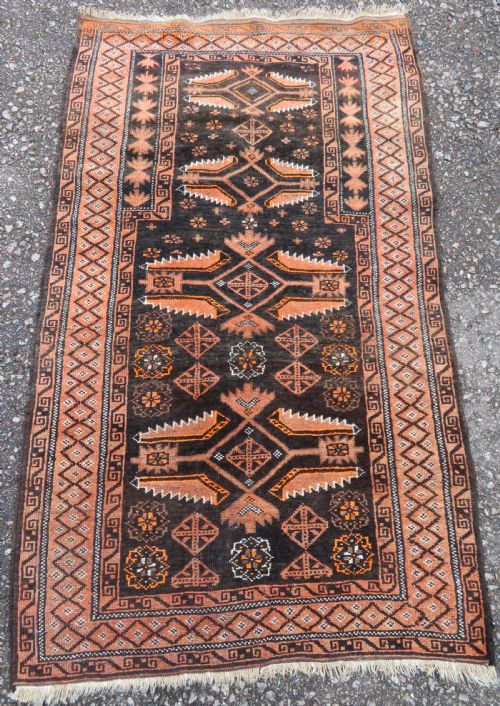
When you search for a brown wool carpet, you encounter heavy tribal rugs and flatweaves from Central Asia and Persia that ground a room with earthy tones.
Brown Wool Carpet
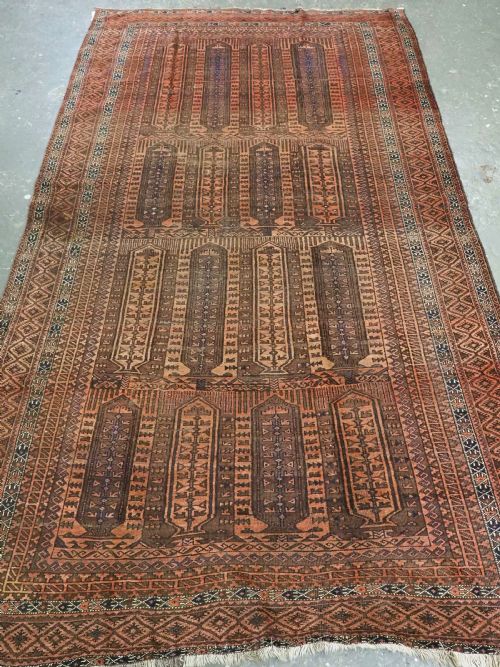
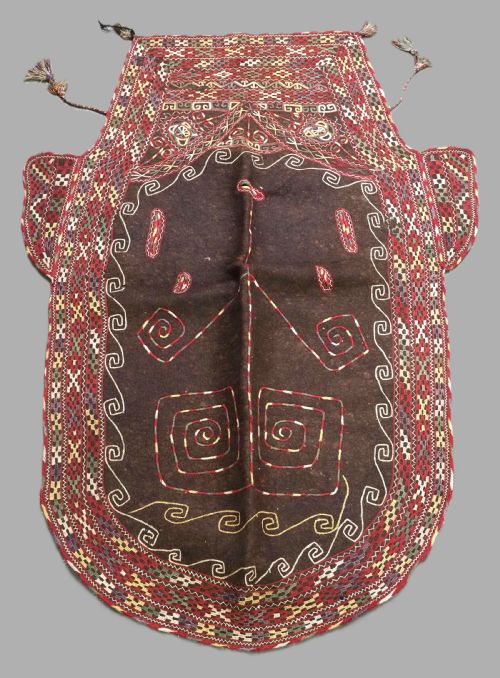
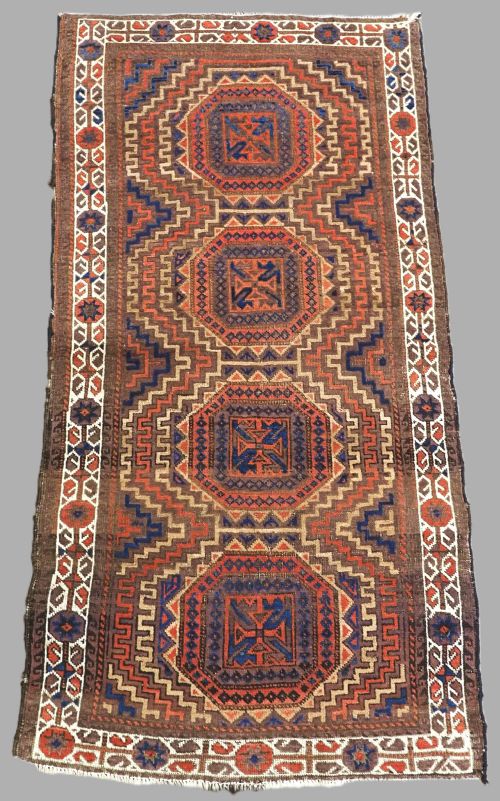
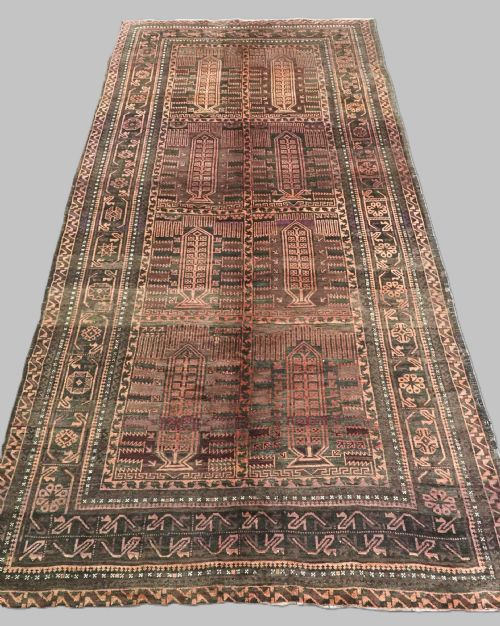
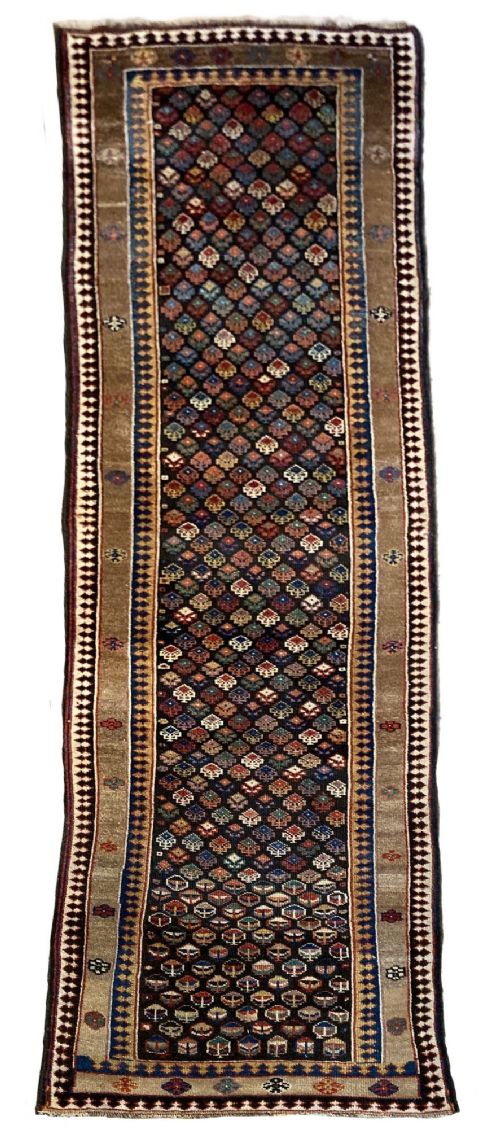
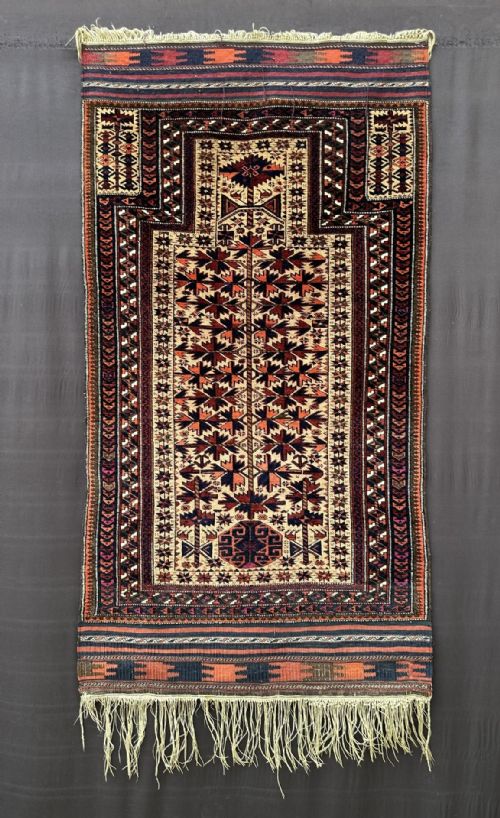
When searching for a brown wool carpet, buyers explore tribal and nomadic textiles originating from regions such as Afghanistan, Persia, the Caucasus, and Central Asia. These items span from the late nineteenth century into the early twentieth century, taking the form of main carpets, prayer rugs, runners, and storage bags.
The most common examples met on this page are tribal weaves associated with Baluch, Turkmen, and Kurdish makers. They present darker, natural palettes dominated by rich brown wool alongside reds, blues, and creams.
How they were made
Weavers relied principally on sheep wool, occasionally incorporating goat hair, camel wool, or cotton foundations for structural strength. Natural dyes provided the warm, enduring hues seen across these textiles.
Production techniques range from pile knots to flatwoven kilims and embroidered felt work. Specialised pieces such as yurt rugs utilise multiple woven strips joined together.
Brown Wool Carpet Retail Price Guide 2026
Typical asking prices for brown wool carpet among the pieces listed under this phrase on Sellingantiques today, from the lower quarter to the upper quarter. They describe what is for sale here now, not the wider market.
Nomadic weavers occasionally repurposed storage bags and horse blankets into everyday floor coverings, ensuring no textile went to waste.
What varies in quality
Quality rests upon the density of the weave and the precision of the tribal motifs, such as guls or mihrabs. Tighter knotting and disciplined symmetry distinguish finer main carpets from simpler village work.
The choice of materials also dictates calibre, where supple wool combined with vibrant natural dyes produces a softer handle and greater depth of colour than coarser alternatives.
The Brown Wool Carpet Glossary
- Gul
- A medallion motif commonly found in Turkmen and Afghan rugs. It often repeats in rows across the field.
- Mihrab
- A niche design representing the direction of prayer, central to many antique prayer rugs. This architectural element is frequently rendered in stepped or triangular outlines.
- Kilim
- A flatwoven textile produced without a pile. These pieces serve as floor coverings or utilitarian storage items.
- Torba
- A small tent bag used by nomadic groups for domestic storage. They display characteristic tribal patterning across the face.
Brown Wool Carpet: Frequently Asked Questions
How do I care for a wool rug?
Vacuum gently without a rotating brush to protect the antique fibres from excessive wear. Professional cleaning is recommended when dirt settles deep into the foundation.
Keep the textile away from direct sunlight to prevent natural dyes from fading over time. Using a proper underlay prevents slipping and cushions the weave against hard floors.
Where were these carpets made?
These textiles originate across Central Asia, the Caucasus, and Persia through nomadic and village communities. Tribal groups such as the Baluch, Yomut, and Kurdish weavers produced them for domestic and ceremonial use.
Specific regional styles emerge from borderlands between nations like north-east Persia and north-west Afghanistan. Each area employed distinct motifs and structural methods passed down through generations.
What is a prayer rug?
A prayer rug is a smaller format textile featuring a distinct niche or mihrab design at one end. Nomadic weavers created them for personal devotion, placing them on the ground during daily prayers.
The directional pattern guides the user towards the designated focal point. Their compact size makes them portable and suited for lighter domestic spaces today.
How do I identify tribal designs?
Tribal designs rely on geometric symbols, repeated octagonal guls, and stylized plant forms rather than courtly floral curves. Weavers drew inspiration from their immediate surroundings and traditional clan heritage.
Asymmetry and local colour variations often point towards genuine nomadic production. Comparing specific border patterns helps attribute a piece to groups like the Baluch or Ersari.