


Ivory Wool Rug
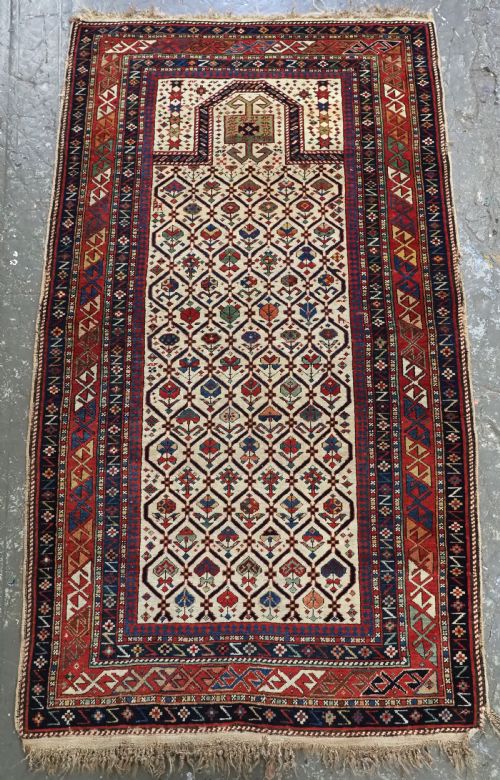
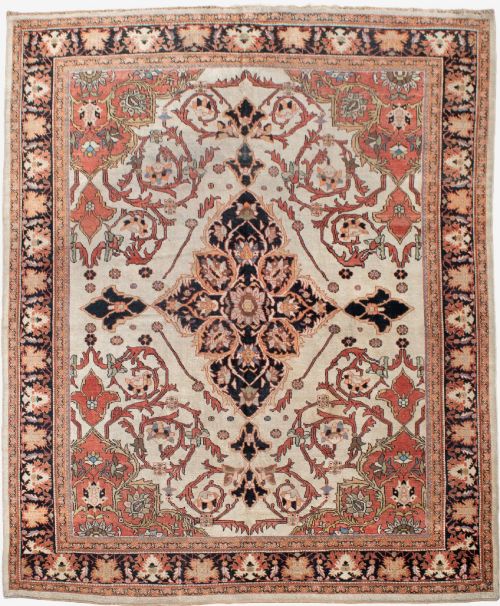
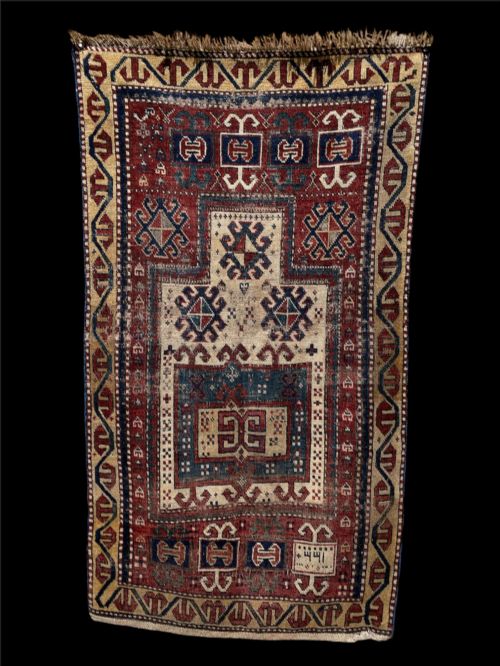
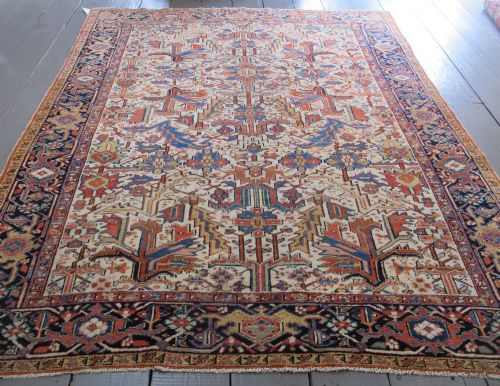
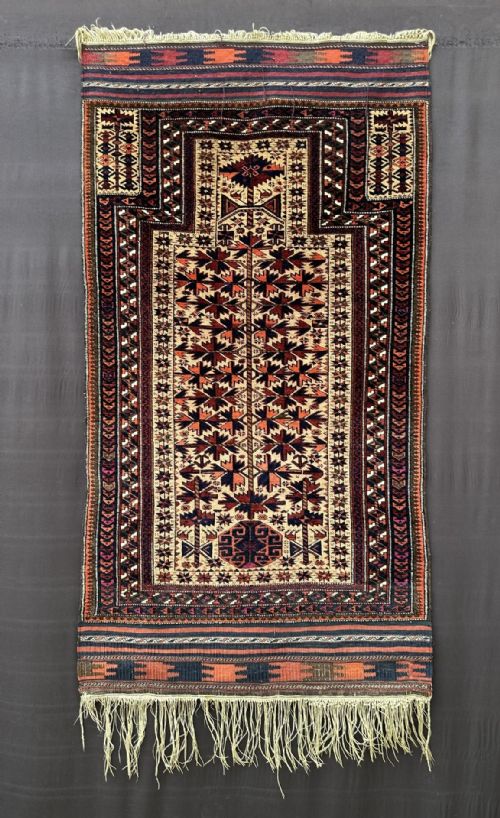
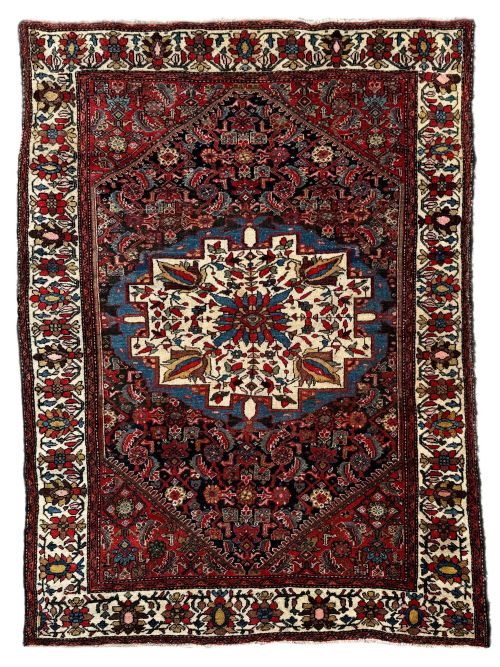
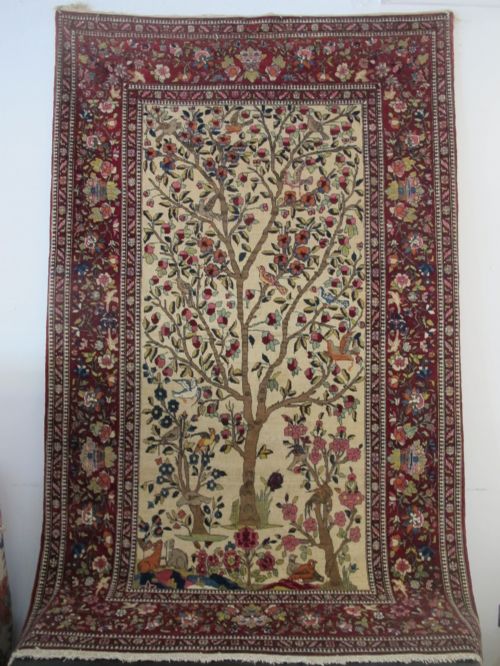
When you examine an ivory wool rug, you encounter hand-knotted textiles originating primarily from Persian and Caucasian weaving traditions.
Ivory Wool Rug
An ivory wool rug brings together regional floor coverings and tribal textiles distinguished by pale foundations. The selections span from the nineteenth century into the twentieth century, encompassing works from village and nomadic workshops alike.
Most examples you encounter on this page display traditional medallions, floral lattices, or prayer designs rooted in Persian and Anatolian craftsmanship. These textiles range from compact mats to room-sized carpets.
The assortment includes specialised forms such as torba faces and half-saddlebags, demonstrating the varied utility of woven wool within historical households.
Materials and construction
Weavers constructed these pieces principally using wool, sometimes incorporating cotton foundations or silk highlights to define specific motifs. Hand-spun wool provides the dense pile characteristic of traditional village and nomadic output.
Natural dyes produced the lasting colour palettes seen across the pieces, reacting with animal fibres to develop rich patinas over decades of use.
Ivory Wool Rug Retail Price Guide 2026
Typical asking prices for ivory wool rug among the pieces listed under this phrase on Sellingantiques today, from the lower quarter to the upper quarter. They describe what is for sale here now, not the wider market.
Listings feature wool, cotton, and silk materials dyed with natural colours across the nineteenth and twentieth centuries.
Evaluating craftsmanship
Knot density and precision of execution distinguish finer workshop productions from coarser tribal weaving. A tighter weave allows intricate floral lattice designs to maintain crisp geometric definition.
The clarity and depth of natural dyes dictate visual success, with superior pieces showing harmonious tonal transitions across the ivory ground and secondary fields.
The Ivory Wool Rug Glossary
- Prayer rug
- A small textile featuring a mihrab or niche design historically used for daily devotion. These pieces often orient towards Mecca during use.
- Medallion
- A central ornamental design element placed in the middle of the field. It anchors the geometric or floral composition of the rug.
- Torba
- A small storage bag face produced by Turkmen tribes. These items hung inside tents for household possessions.
- Chuval
- A large tent bag used by nomadic groups for bedding and blankets. They frequently display characteristic guls or repeating motifs.
- Ground
- The primary background field colour of the textile. In these selections, ivory dominates the central space.
Ivory Wool Rug: Frequently Asked Questions
Where were these rugs made?
The pieces originate from regions across Persia, the Caucasus, and Anatolia. Local tribes and established workshops each contributed distinct regional aesthetics.
Nomadic confederations and village weavers utilised local materials to create designs unique to their specific communities.
How do I care for wool rugs?
Regular gentle vacuuming without a beater bar removes surface dust safely. Professional cleaning maintains the integrity of natural wool fibres.
Keep these textiles away from prolonged direct sunlight to prevent natural dye fading.
What periods do these pieces span?
The available inventory spans from the nineteenth century through the early twentieth century. Pieces from the 1850s sit alongside works created around 1930.
Stylistic shifts reflect changing tastes across different decades of production.
Are these pieces purely decorative?
While many serve as floor coverings, several items originated as functional tribal objects. Torba faces and saddlebags served practical storage roles in nomadic life.
Today, collectors appreciate both large carpets and smaller textile fragments as wall hangings.