


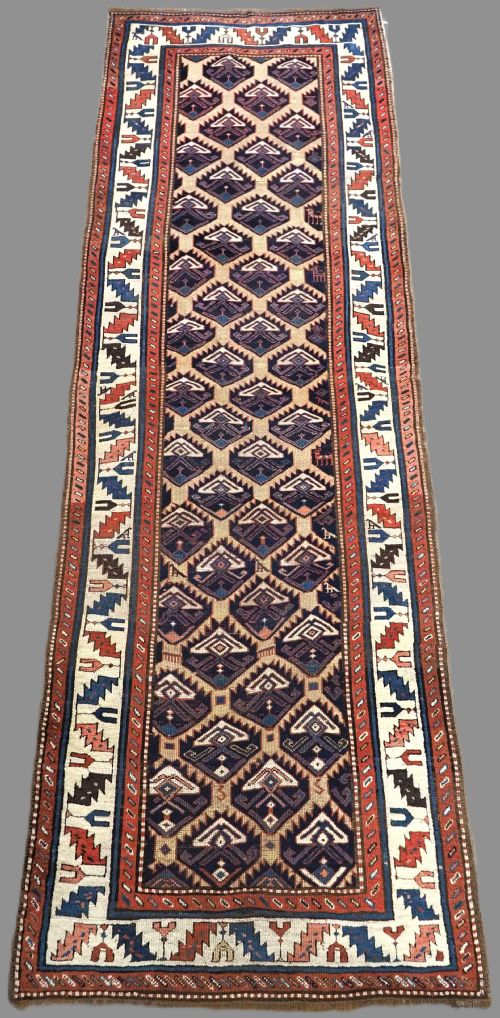
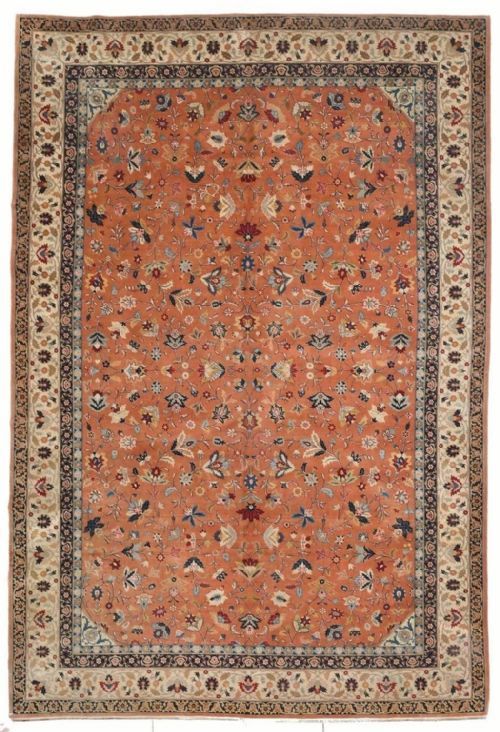
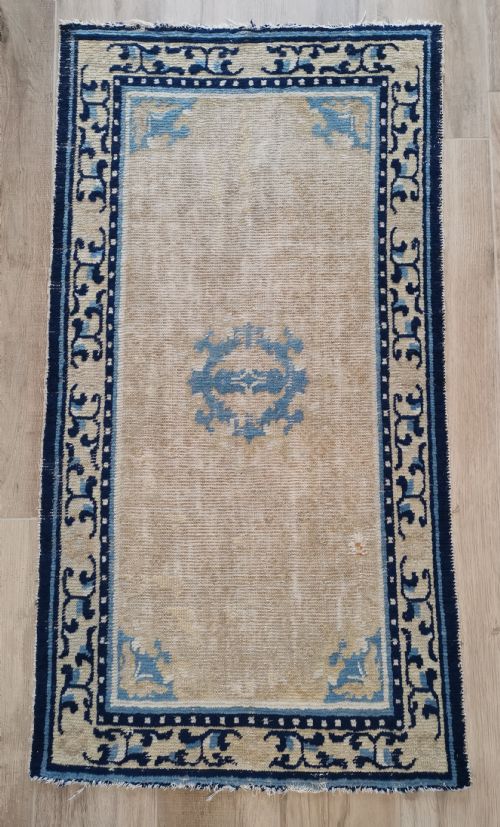
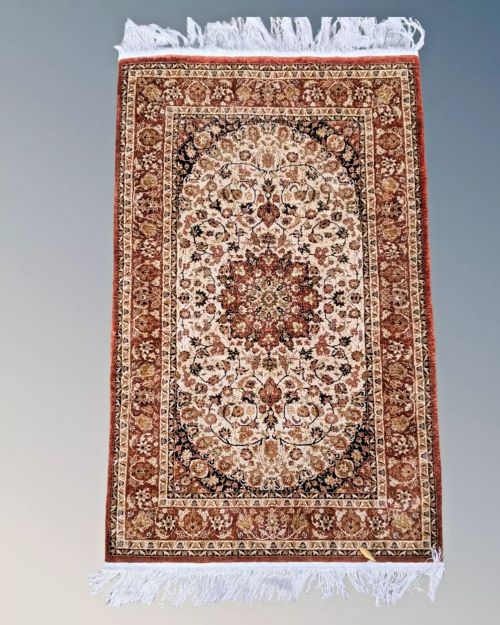
Cream Oriental Rug
A cream oriental rug anchors a room with pale warmth, bringing hand-knotted history from Persia, Turkey, and Central Asia straight to your floor.
Cream Oriental Rug
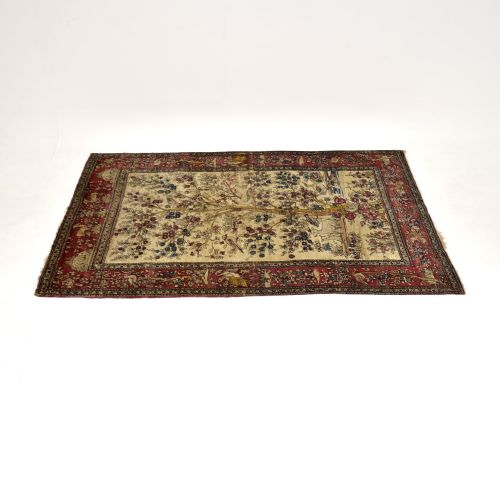
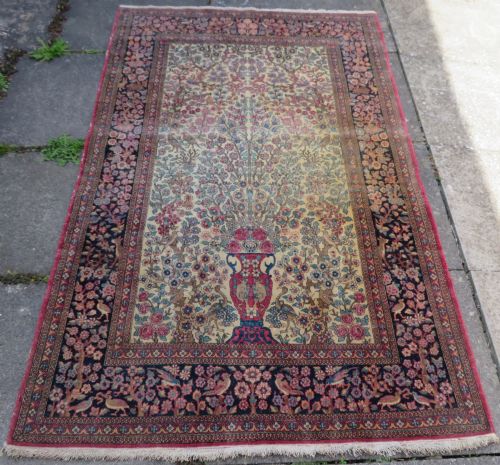
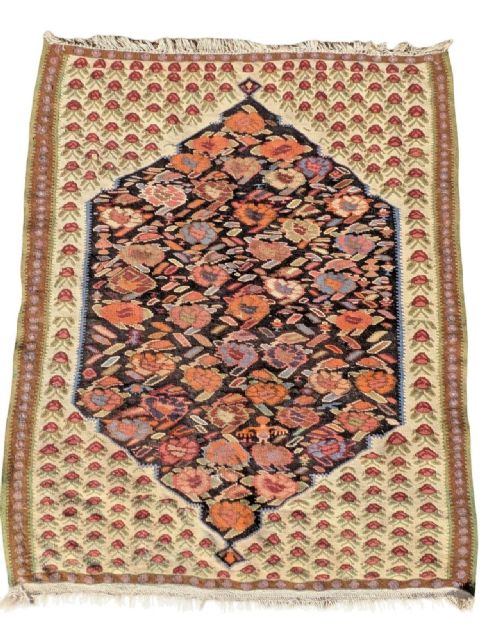
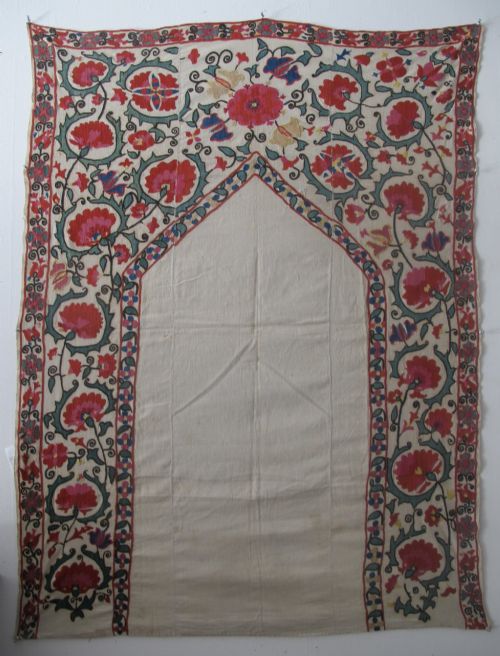
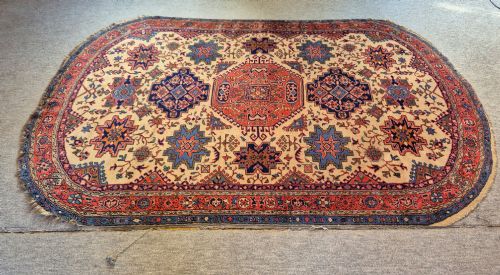
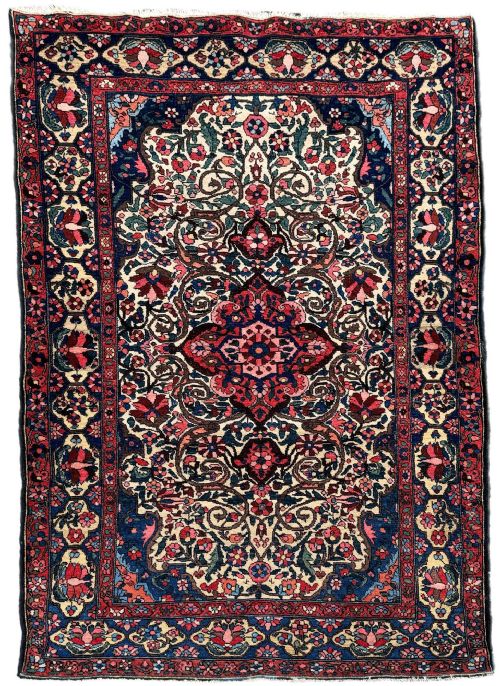
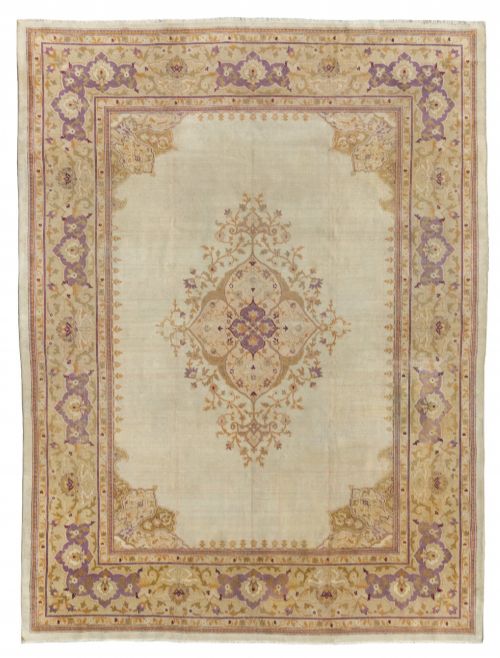
A cream oriental rug is a hand-knotted textile originating from weaving traditions across Persia, Turkey, the Caucasus, and Central Asia, defined by a pale ivory or cream ground. When you search for cream oriental rug, you meet wool, cotton, and silk examples produced across the nineteenth and early twentieth centuries.
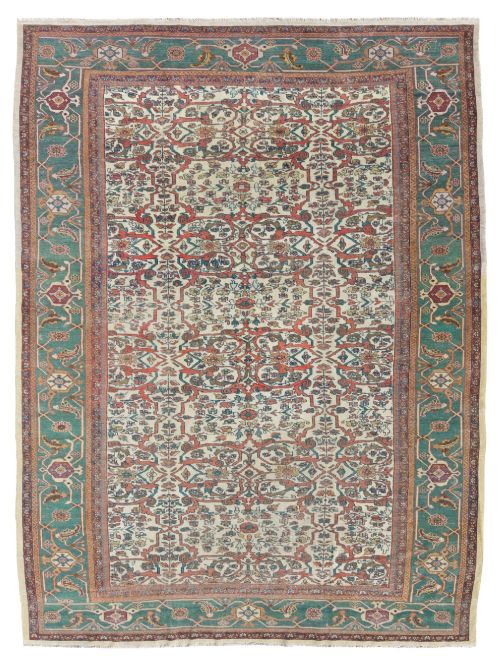
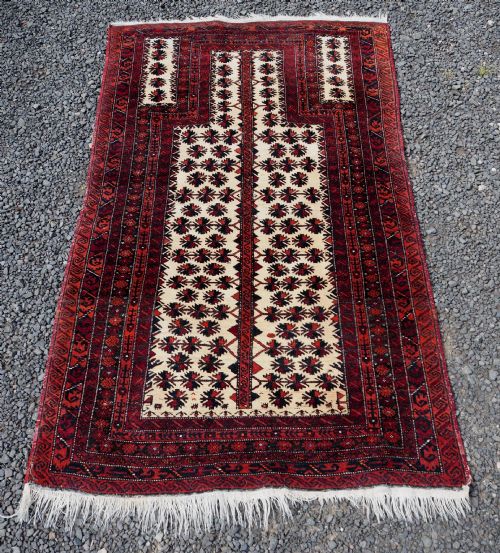
The selections span grand room-size carpets, hallway runners, compact prayer rugs, and village mats. Persian pieces dominate the selection, including Heriz, Tabriz, Kirman, and Bakhtiar village and city workshops.
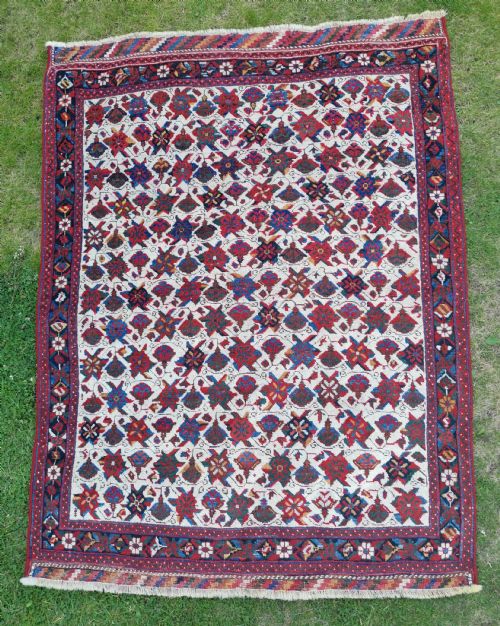
Tribal and regional variations also appear regularly, featuring Kurdish, Afshar, Baluchi, and Caucasian structures. These pieces serve practical floor coverings or wall-hanging textiles while introducing historic dye palettes to interior spaces.
How they were made
Weavers knotted wool, cotton, and silk pile yarns onto sturdy cotton or wool foundation warps and wefts. Artisans utilised hand-spun natural fibres dyed with botanical and mineral colourants to achieve soft pastel tones on ivory grounds.
Nomadic and village weavers worked from memory on vertical or horizontal upright looms, while city workshop master weavers employed detailed cartoon designs for intricate floral and medallion carpets.
Cream Oriental Rug Retail Price Guide 2026
Typical asking prices for cream oriental rug among the pieces listed under this phrase on Sellingantiques today, from the lower quarter to the upper quarter. They describe what is for sale here now, not the wider market.
Listings feature rugs spanning the nineteenth century through the 1930s, constructed from wool, cotton, and silk.
What varies in quality
Knot density and structural fineness separate standard village production from master workshop output. Higher grade carpets display precision in geometric or floral curves and tight, resilient pile packing.
The integrity of the foundation and wool quality dictate longevity, while harmonious natural dye oxidation creates depth that chemical dyes cannot replicate.
Benlian·Ahmadi
The Cream Oriental Rug Glossary
- Pile
- The vertical tufts of wool, cotton, or silk that form the soft surface of the rug. This upper layer absorbs foot traffic and displays the woven design.
- Warp
- The foundational vertical threads stretched taut on the loom before knotting begins. Fringe ends typically consist of these exposed warp cords.
- Weft
- The horizontal threads passed across alternating warp threads after each row of knots to lock the pile securely in place. They determine the structural firmness of the carpet.
- Kilim
- A flat-woven textile produced without a raised pile. These lightweight pieces often function as versatile rugs or wall-hanging coverings.
- Prayer rug
- A small format rug featuring a distinctive mihrab or arch design indicating the direction of prayer. These pieces were historically used for personal devotion.
Cream Oriental Rug: Frequently Asked Questions
Where should I place a runner?
Hallway runners fit narrow transit spaces like corridors, entryways, and gallery landings. They protect wooden flooring while adding historic texture to high-traffic areas.
Using a quality underlay prevents slipping and cushions the foundation against hard subfloors. Measure the clearance of doors before positioning.
How do I date an old rug?
Stylistic motifs, structural wear patterns, and dye analysis help establish the period of manufacture. Nineteenth-century pieces often display organic variations in design execution compared to later standardised production.
Comparing knot types and material handling against known regional examples narrows the decade. Archival records and signature panels occasionally confirm specific workshop origins.
Will a pale rug withstand traffic?
Wool possesses natural lanolin that resists everyday staining and repels basic soiling. Regular gentle maintenance preserves the brightness of ivory and cream wool grounds.
Placing rugs in moderate traffic zones extends their lifespan significantly. Proper placement away from direct harsh sunlight prevents uneven fading.