

Antique Floral Rug
When choosing an antique floral rug, you are selecting a piece of historic textile art woven with botanical motifs that anchor a room.

Antique Floral Rug
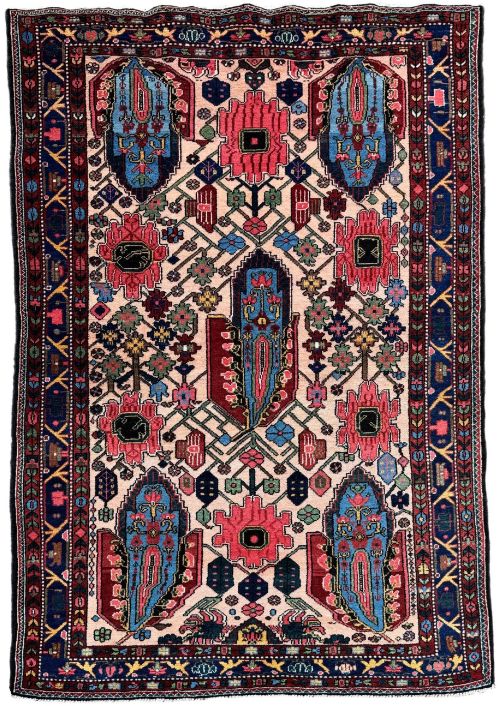
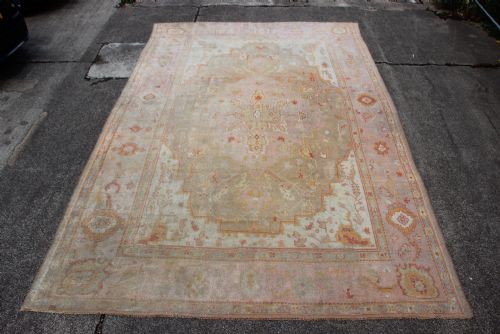
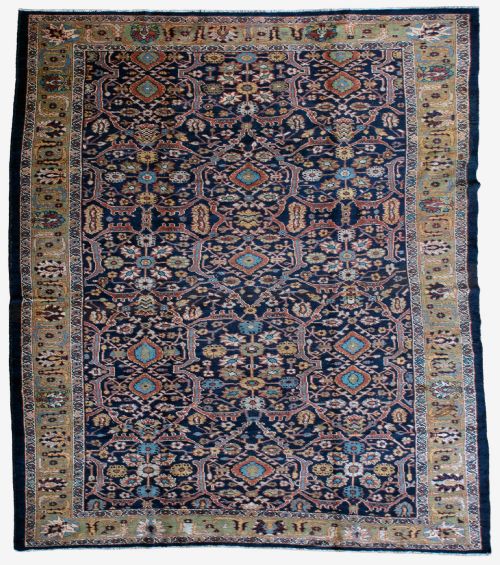
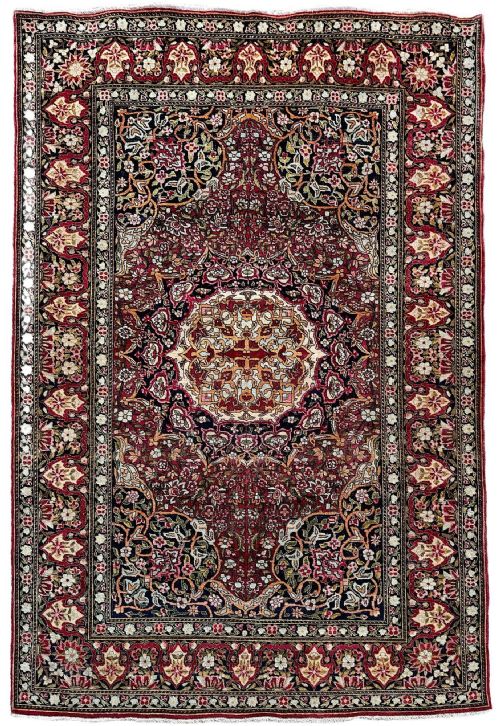
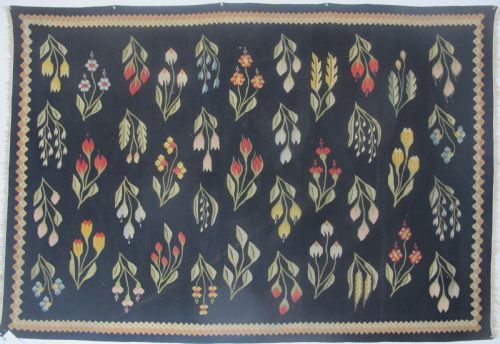
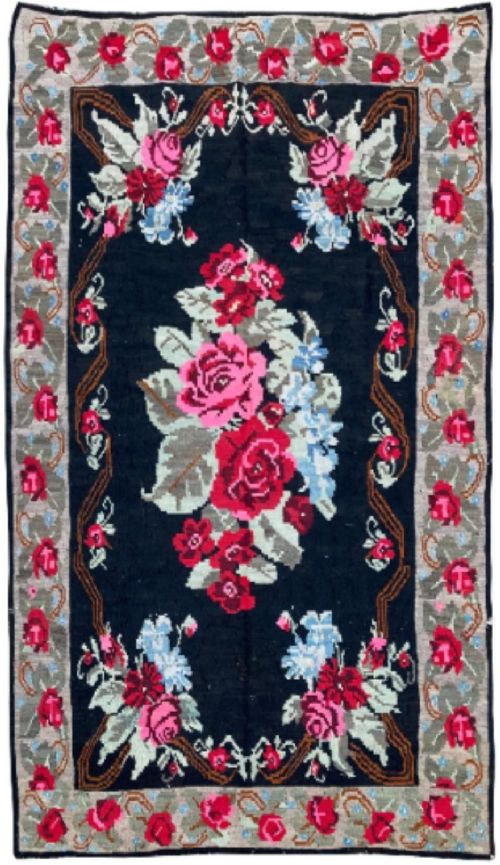
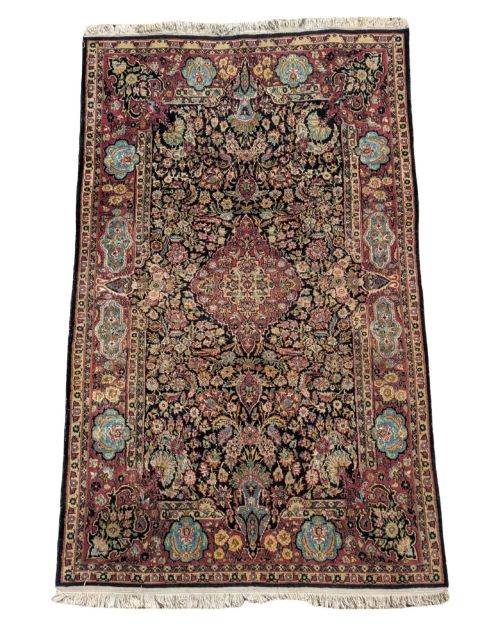
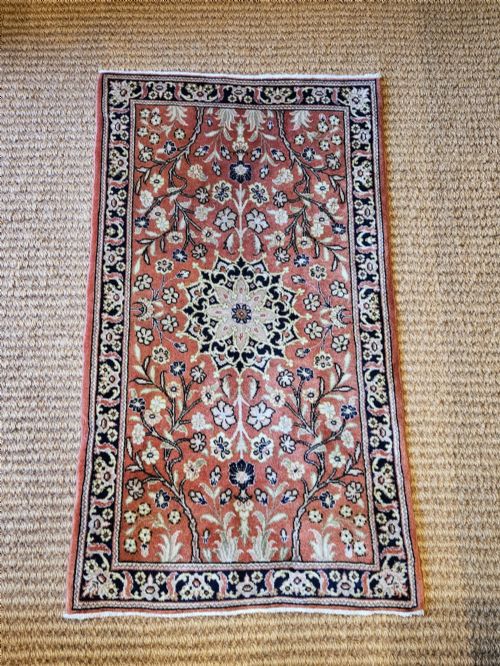
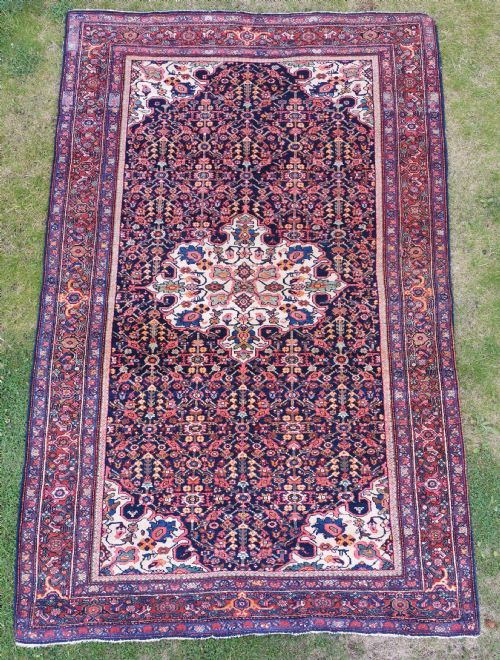
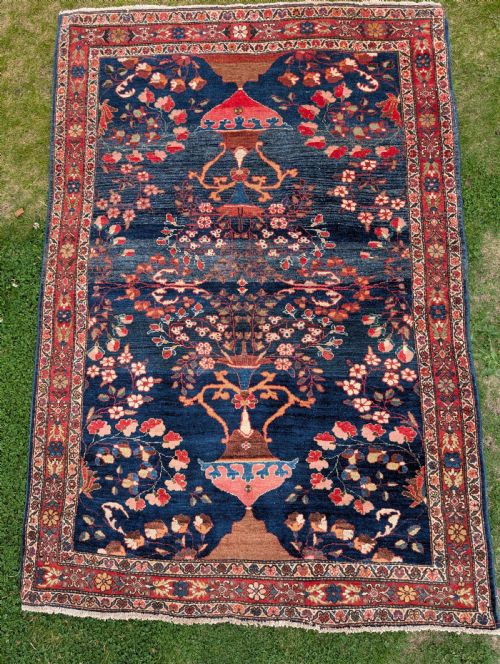
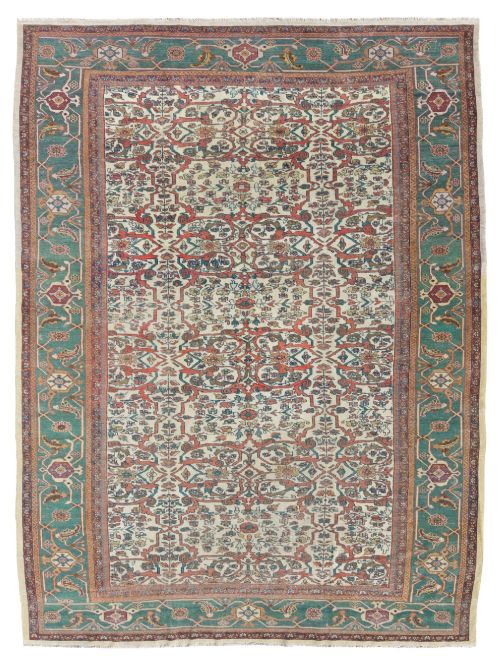
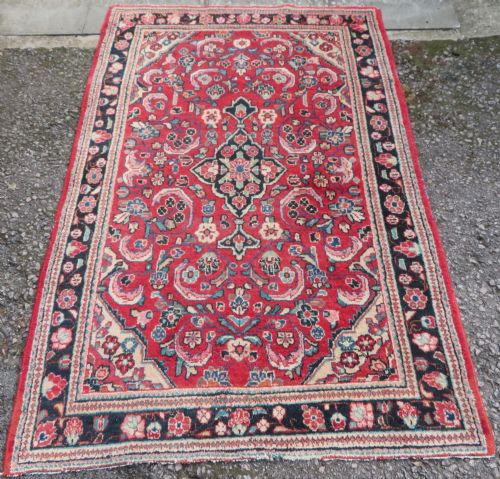
An antique floral rug comprises hand-knotted carpets, village weaving and embroidered textiles originating primarily from Persia, the Caucasus, Turkey, Central Asia and Europe. These pieces display botanical motifs ranging from large-scale garden arrangements and trailing vine lattices to delicate vase designs and central floral medallions.
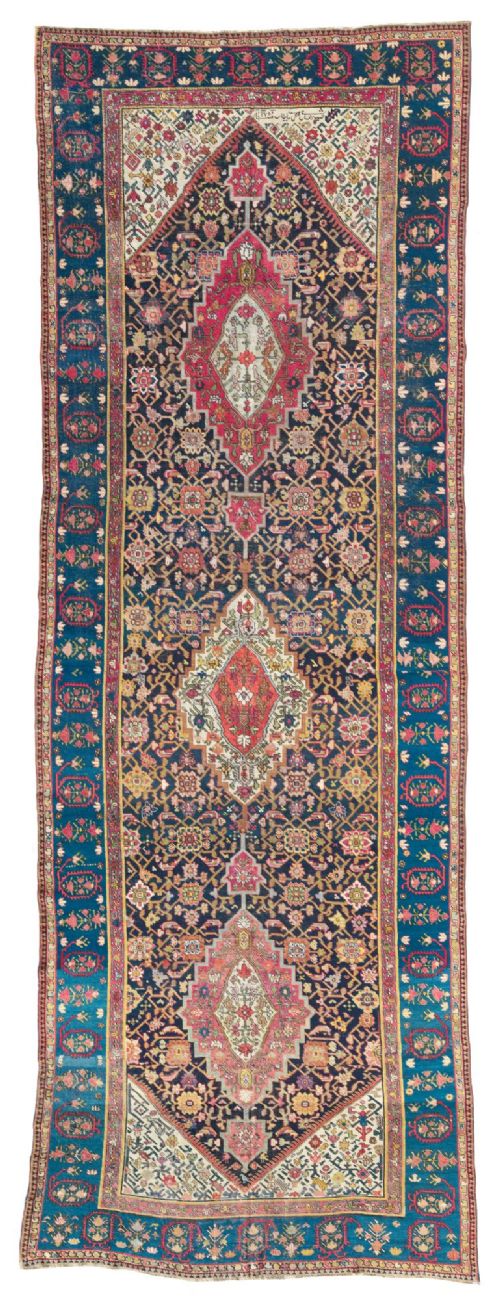
The selections span the mid-nineteenth century through the early twentieth century, incorporating village productions alongside city workshop carpets. Buyers encounter formats varying from small scatter sizes and prayer rugs to room-sized carpets and oversize runners.
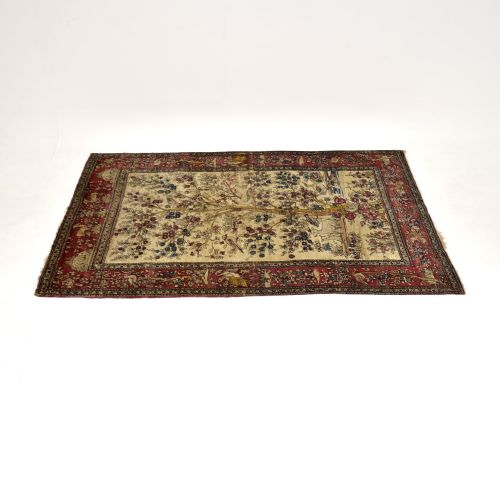
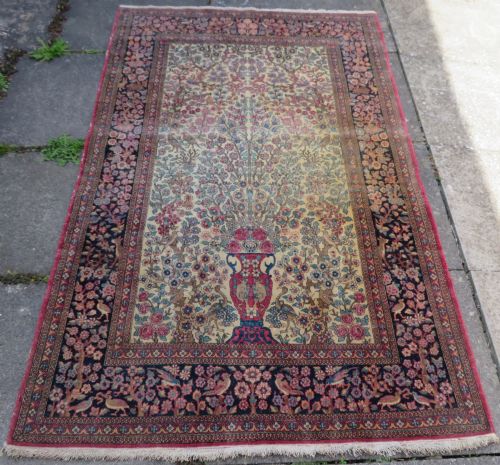
Regional variations dictate the character of the botanical patterns, with Persian workshops offering flowing arabesques while Caucasian and village pieces present geometric floral lattices. Certain items also include pictorial elements such as tree of life compositions or birds among the flora.
How They Were Made
The foundation of these textiles relies upon spun wool, cotton, or occasionally silk, providing the structural warp and weft threads for the pile and embroidery. Artisans knotted wool or silk yarn by hand onto these foundations, frequently incorporating metallic thread highlights to add luminosity to specific details.
Dyeing methods utilise natural materials to achieve deep colour saturation across the grounds and floral motifs, resulting in nuanced shifts in tone across the surface. Embroidered examples such as Suzanis employ fine needlework on cotton or linen grounds to render botanical sprays and architectural layouts.
Antique Floral Rug Retail Price Guide 2026
Typical asking prices for floral rug among the pieces listed under this phrase on Sellingantiques today, from the lower quarter to the upper quarter. They describe what is for sale here now, not the wider market.
Several textiles faithfully preserve traditional floral sprays alongside small woven birds perched quietly within the botanical vines.
What Varies in Quality
The refinement of the knot density and the precision of the botanical drawing dictate the structural grade of a woven carpet. Tighter knots allow for intricate curves in floral tendrils and sharper delineation of individual petals and leaves.
The harmony and depth of the palette influence the standing of a piece, as master workshops achieved superior secondary tones and balanced contrasts. Material selection also plays a role, with fine wool quality or the inclusion of silk highlights and metallic thread elevating the sophistication of the textile.
The Antique Floral Rug Glossary
- Warp
- The vertical threads stretched tightly on the loom that form the structural skeleton of a woven rug. Fringe ends typically consist of these exposed parallel threads.
- Weft
- The horizontal threads passed across the warp strands to lock the knots in place after each row of pile is completed. This element contributes to the structural firmness of the carpet.
- Pile
- The dense surface layer of upright yarn ends that form the soft nap of the rug. This is sheared to an even height following the completion of the knotting process.
- Suzani
- A type of large embroidered textile originating from Central Asia, traditionally worked with silk thread on a cotton or linen ground in floral and medallion patterns.
- Kilim
- A flat-woven carpet or rug produced without a pile by tightly interweaving warp and weft strands. These textiles display sharp geometric interpretations of floral and tribal motifs.
Antique Floral Rug: Frequently Asked Questions
How do I clean an antique floral rug?
Surface dirt is best managed through gentle suction using a low-power vacuum without a beater bar, moving carefully along the direction of the pile.
Professional textile conservators should handle deeper washing to protect the natural dyes and historical wool fibres from damage.
Can these rugs be placed in high-traffic hallways?
Durable village weaves and sturdy room-sized carpets handle moderate walking paths well when paired with a quality underlay to prevent shifting and sliding.
Finer workshop carpets with delicate silk highlights are better suited to lighter traffic areas to preserve their structural integrity.
What underlay should I use underneath?
A breathable, natural rubber or felt pad keeps the textile stable on hard floors and prevents slipping without trapping damaging moisture underneath.
Avoid synthetic meshes that can disintegrate over time and transfer chemical residues directly onto the historical foundation threads.
How do I distinguish village rugs from city carpets?
Village rugs display bolder, more geometric interpretations of botanical motifs with charming irregularities in symmetry and wider colour palettes.
City workshop pieces show refined curves, intricate floral arabesques and high knot densities executed from pre-planned master cartoons.