





Traditional Area Carpet
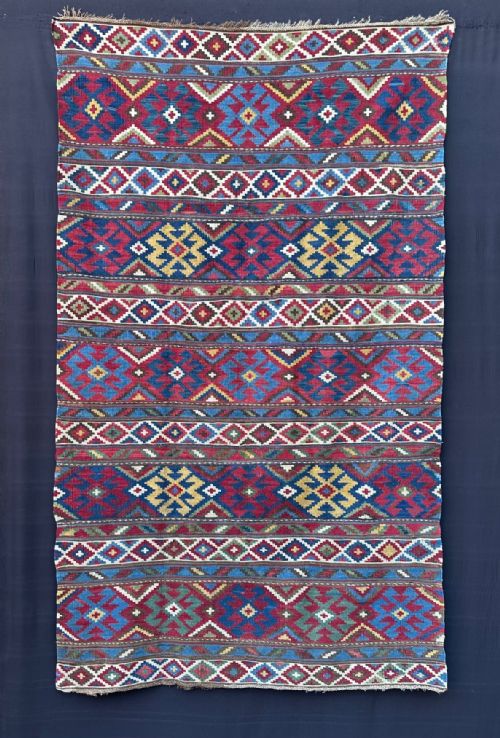
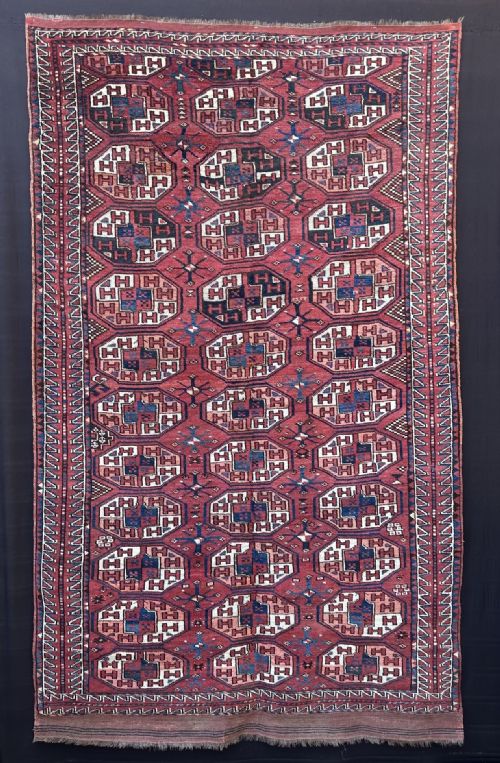
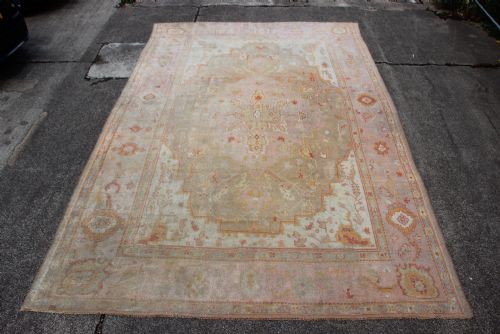
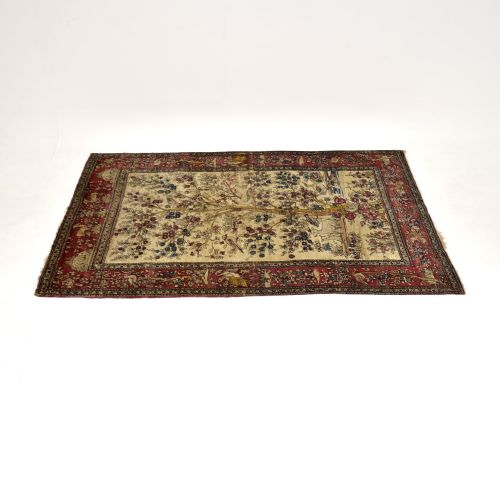
These traditional area carpet examples bring genuine Persian and Arts and Crafts character into a room through enduring wool and cotton construction.
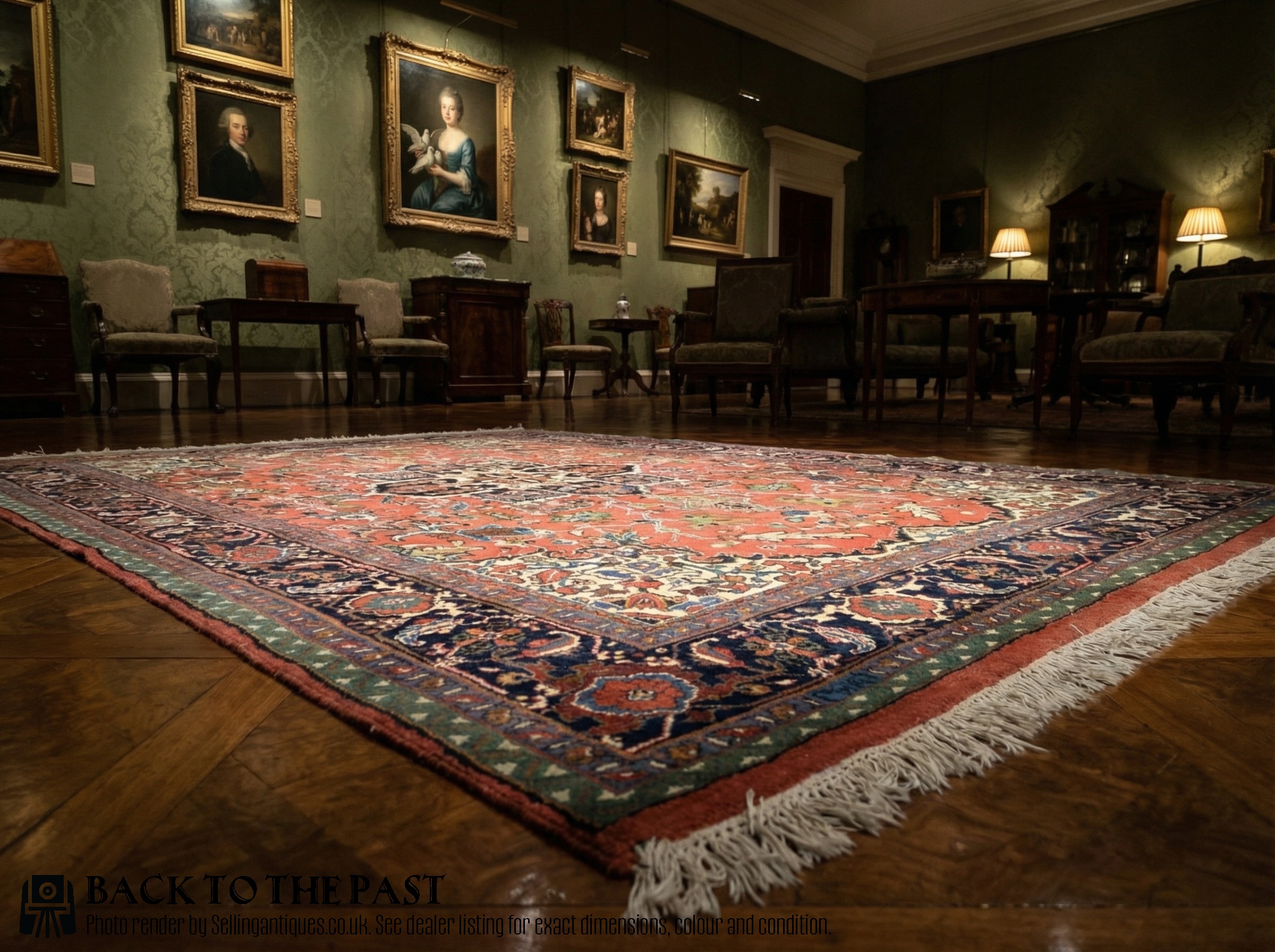
Traditional Area Carpet
A traditional area carpet encompasses large-scale floor coverings rooted in Persian and Arts and Crafts traditions, spanning production dates from 1890 to 1930. Buyers searching for a traditional area carpet encounter room-sized floor coverings and smaller rugs originating from specific regional centres.
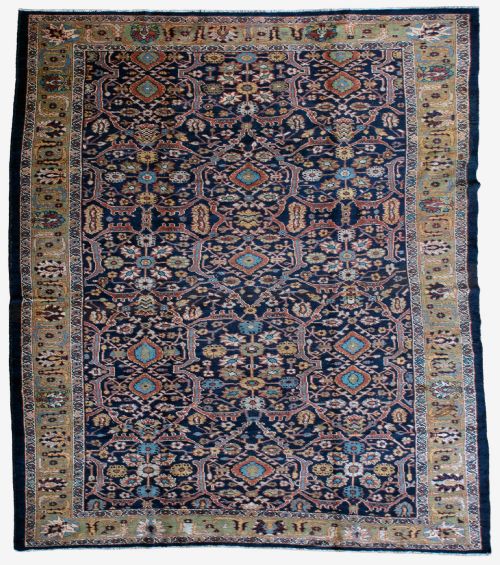
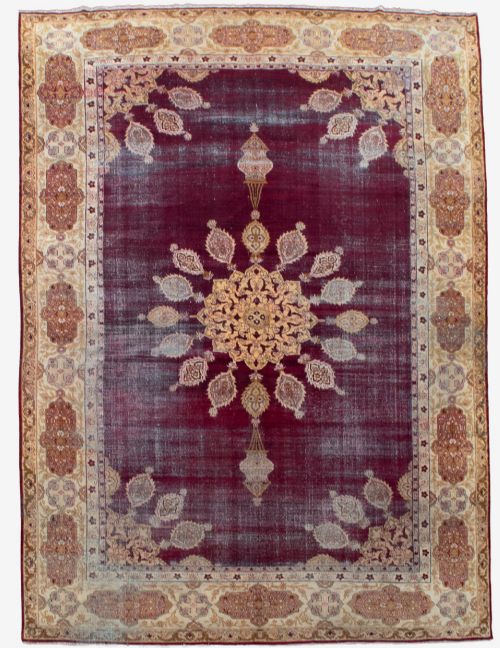
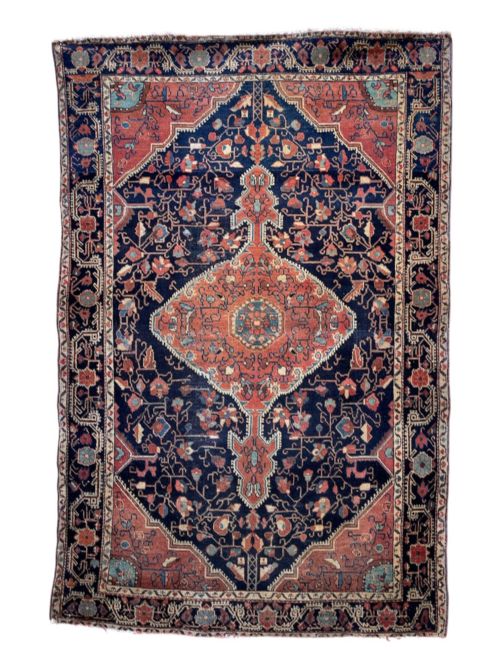
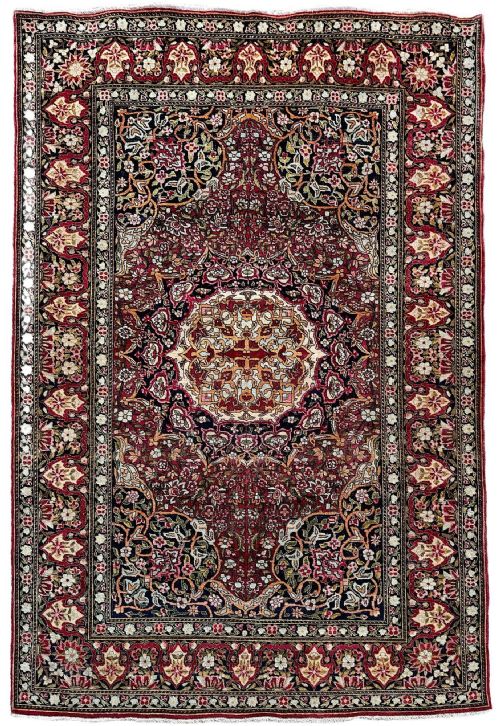
The selections available here rely heavily on Persian designs including Heriz, Tabriz, Veramin, Sarouk, Ziegler, and Malayer village styles alongside Arts and Crafts Donegal pieces. These floor coverings bridge decorative utility and historical textile art, functioning as substantial focal points in domestic interiors.
How they were made
Makers constructed these traditional area carpet examples using a foundation of durable cotton warp and weft threads to support the dense pile. Wool provided the primary material for the surface pile, offering resilience and capacity for intricate regional pattern work.
Weavers knotted the wool pile by hand onto the cotton foundations, applying traditional regional motifs and shield designs as seen in Malayer village rugs. This construction method ensured structural integrity across large formats such as the Heriz and Tabriz carpets.
Traditional Area Carpet Retail Price Guide 2026
Typical asking prices for traditional area carpet among the pieces listed under this phrase on Sellingantiques today, from the lower quarter to the upper quarter. They describe what is for sale here now, not the wider market.
Current site listings span production dates from 1890 to 1930, focusing on Persian and Arts and Crafts styles made from wool and cotton.
What varies in quality
Quality differences rest in the precision of regional design execution, such as the distinct geometric balance found in Heriz carpets versus the fluid curves of Tabriz or Ziegler pieces. Finer knot densities and carefully dyed wool elevate the visual depth and longevity of individual examples.
The distinction between standard village production and major workshop or designer output, exemplified by Arts and Crafts Donegal pieces, dictates the sophistication of the final textile. Material selection and structural uniformity across large dimensions separate ordinary domestic rugs from superior collector pieces.
The Traditional Area Carpet Glossary
- Wool
- The natural animal fibre traditionally spun to form the soft pile of these carpets. It provides both comfort underfoot and natural resistance to wear.
- Cotton
- The vegetable fibre utilised for the structural warp and weft threads inside the carpet foundation. It gives the textile dimensional stability.
- Heriz
- A recognised Persian style and carpet type known for bold geometric central medallions and robust structural design. Pieces originate from the Northwest region of Iran.
- Ziegler
- A commercial Persian carpet style developed in the nineteenth century, characterised by softer palettes and expansive floral motifs. These designs were tailored specifically for Western tastes.
- Donegal
- An Arts and Crafts carpet style produced in Ireland, reflecting British design movements of the early twentieth century. It merges traditional knotting techniques with distinctive domestic aesthetics.
Traditional Area Carpet: Frequently Asked Questions
Where were these carpets made?
The pieces originate primarily from Persian centres such as Heriz, Tabriz, Veramin, Sarouk, and Malayer village workshops. A smaller representation includes Arts and Crafts production from Donegal in Ireland.
These diverse geographical origins mean each carpet carries distinct regional design characteristics and specific weaving traditions tied to its locale of manufacture.
What materials are used?
These floor coverings utilise natural materials consisting of wool pile knotted onto cotton foundations. Wool provides the durable surface texture while cotton forms the underlying grid.
This combination of materials ensures the structural strength required for large format carpets spanning dates from 1890 to 1930.
How do I identify a Heriz carpet?
Heriz carpets are identifiable through their bold, geometric central medallions and strong architectural framing. They rely on robust motifs distinct from the curved floral patterns seen in Tabriz examples.
These structural elements give Heriz pieces a powerful visual presence suited for traditional room settings.
How do I care for a wool carpet?
Maintenance requires regular gentle vacuuming without a rotating brush roll to protect the wool pile and cotton foundations. Professional cleaning tailored to antique textiles preserves the natural lanolin in the wool.
Positioning the carpet away from direct, harsh sunlight prevents uneven fading across the natural dyes used in these vintage pieces.