




Edwardian Wool Rug
An edwardian wool rug brings warmth and rich pattern to a room through dense pile and enduring natural fibres.
Edwardian Wool Rug
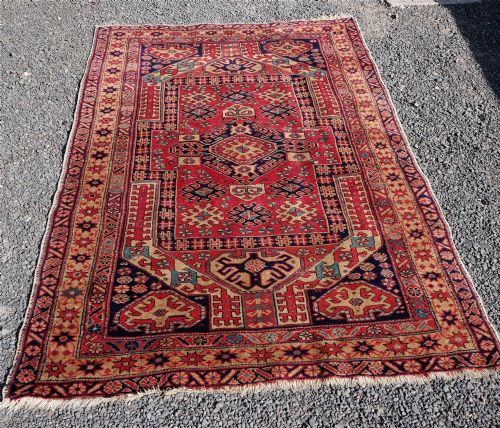
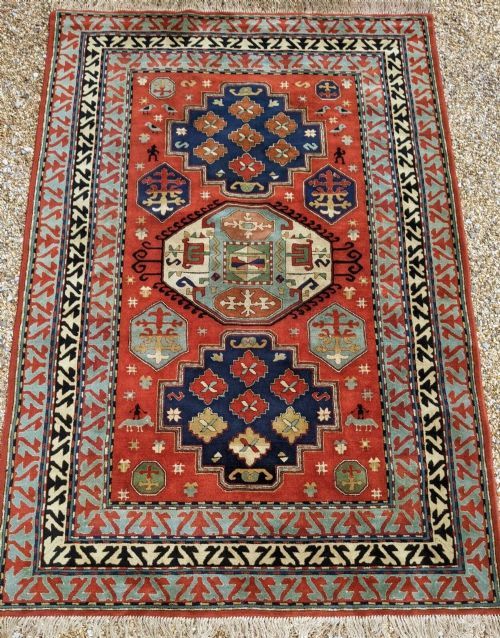
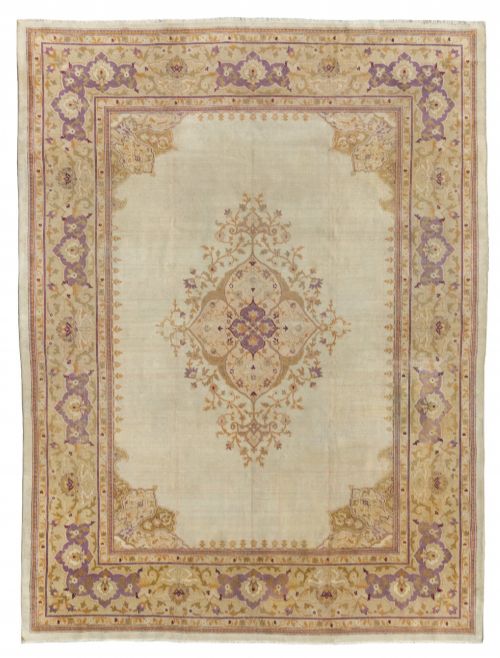
When you search for an edwardian wool rug, you encounter floor coverings spanning the early decades of the twentieth century, specifically from around nineteen ten to nineteen thirty. The selection includes Persian tribal and village formats alongside Balkan folk art kilims and British Arts and Crafts carpets.
You find various regional styles represented here, including Karaja, Pirot, Mazlahan, Heriz, and Malayer village pieces. Formats range from standard area rugs and carpets to long runner rugs designed for hallways.
Materials and construction
These pieces are constructed primarily from wool pile woven onto foundations of cotton or wool. Natural fibres provide the durability and dense texture characteristic of these floor coverings.
Weavers employed traditional techniques to create distinct regional patterns, such as the banded design of Balkan kilims and the bold medallions of Persian village rugs.
Edwardian Wool Rug Retail Price Guide 2026
Typical asking prices for edwardian wool rug among the pieces listed under this phrase on Sellingantiques today, from the lower quarter to the upper quarter. They describe what is for sale here now, not the wider market.
Some weavers secretly wove intentional small wool colour errors into their carpets to ward off the evil eye.
Distinctions in quality
Quality in these textiles depends upon the precision of the weave and the complexity of the traditional design execution. Finer knots and tighter construction separate superior village and tribal pieces from standard examples.
The visual impact is determined by the clarity of the central medallions and the harmony of the patterned ground. Stronger artistic cohesion in styles like Arts and Crafts or Persian traditional work elevates certain rugs above others.
The Edwardian Wool Rug Glossary
- Kilim
- A flat-woven carpet or rug produced in countries of the former Ottoman Empire, Persia and Central Asia. These pieces lack a raised pile and are known for sharp geometric patterns.
- Medallion
- A large central ornamental motif found in the field of many traditional woven rugs. This prominent design element anchors the overall composition.
- Runner
- A long, narrow carpet specifically suited for corridors, hallways or staircases. These elongated formats emphasise linear patterns.
- Pile
- The upright yarn loops or cut ends that form the textured surface of a rug. Dense pile provides both comfort underfoot and protection for the foundation.
Edwardian Wool Rug: Frequently Asked Questions
How do I clean an old wool rug?
Gentle surface brushing and professional specialist cleaning preserve the natural fibres without causing damage.
Avoid harsh chemical treatments and excessive water immersion to maintain the integrity of the wool pile.
Where should I place a rug runner?
Runners suit narrow spaces such as hallways, corridors, and galley kitchens where linear floor coverings work best.
Ensure you use an appropriate underlay to prevent slipping on smooth wooden or tiled floors.
What defines tribal rug patterns?
Tribal designs feature geometric motifs, stylized animals, and repeated symbols passed down through generations of weavers.
These patterns reflect the cultural heritage and specific regional traditions of the makers.
Can I use these rugs daily?
Natural wool construction makes these textiles durable enough for normal foot traffic in living areas.
Rotating the rug periodically ensures even wear across the surface over time.