

Terracotta Area Rug
These terracotta area rug options bring enduring warmth and geometric precision to a room through centuries-old weaving traditions.
Terracotta Area Rug
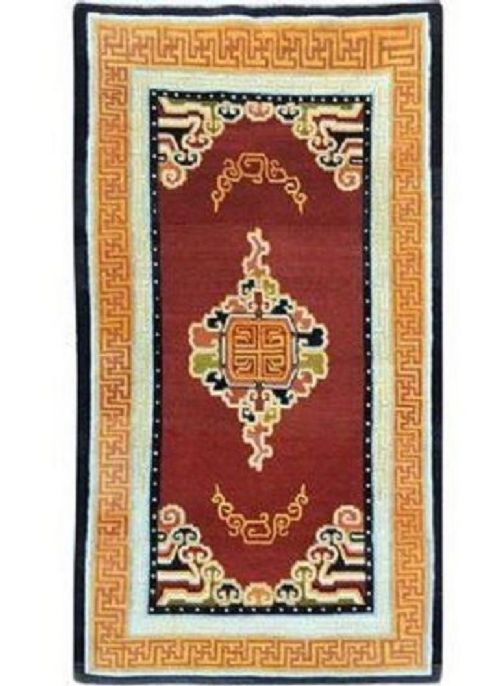
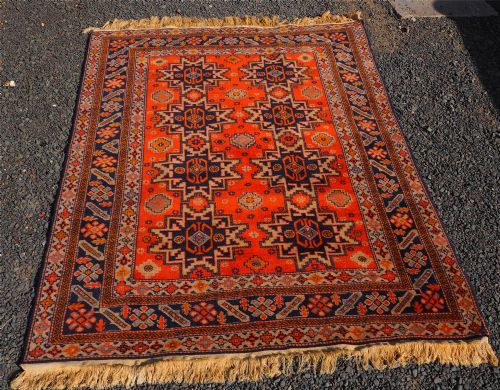
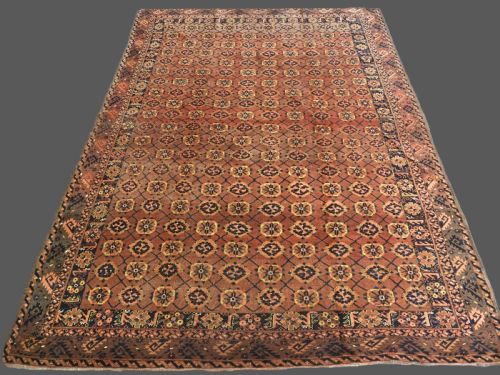
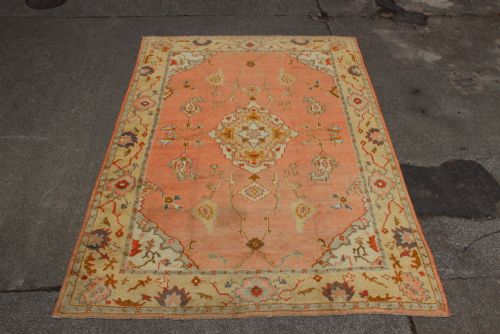
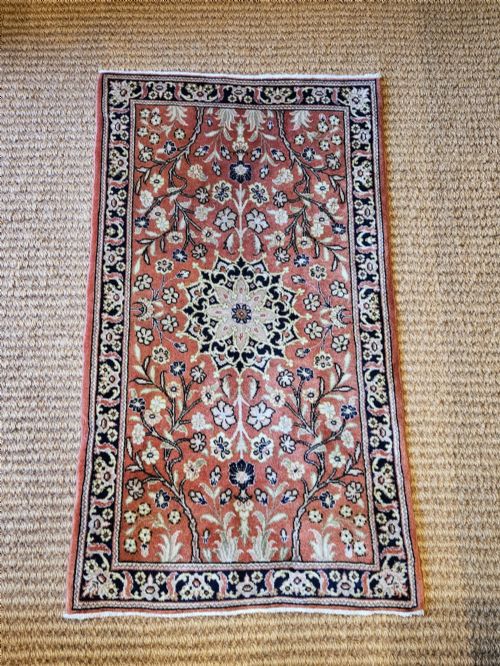
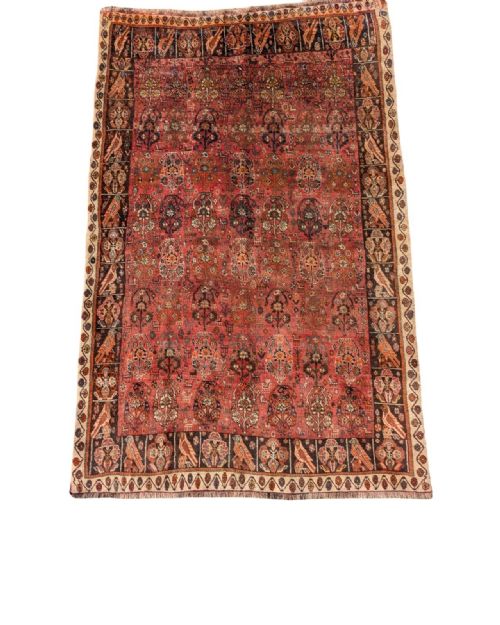
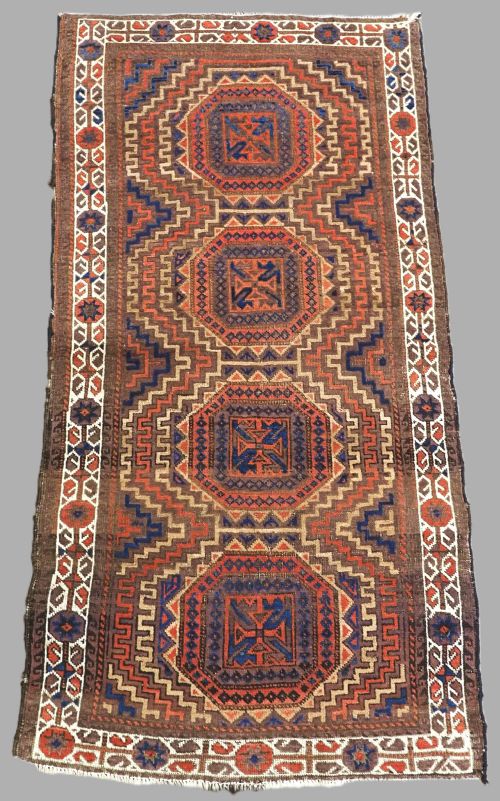
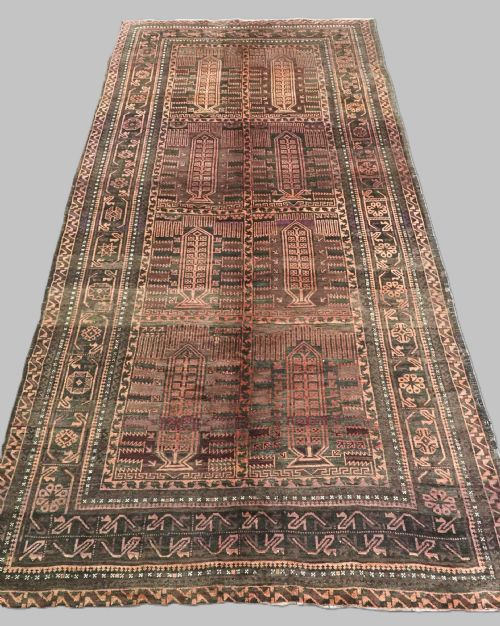
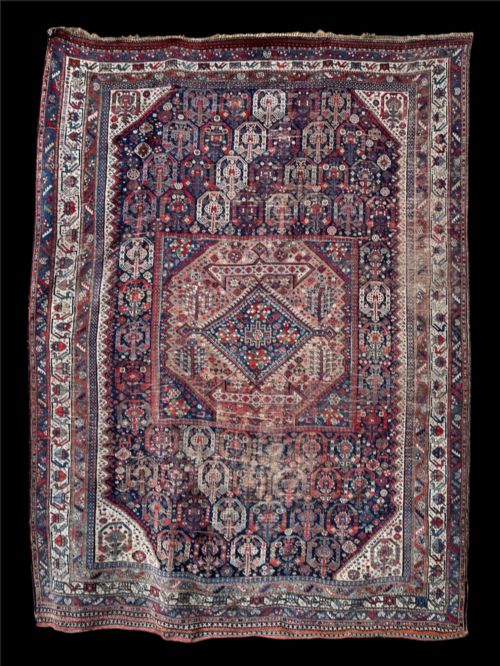
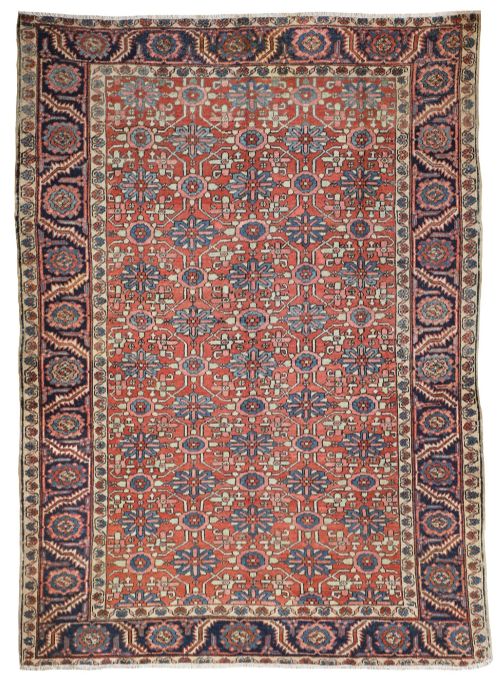
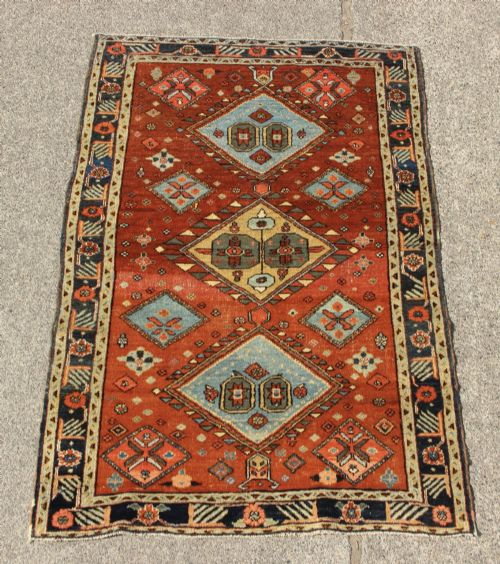
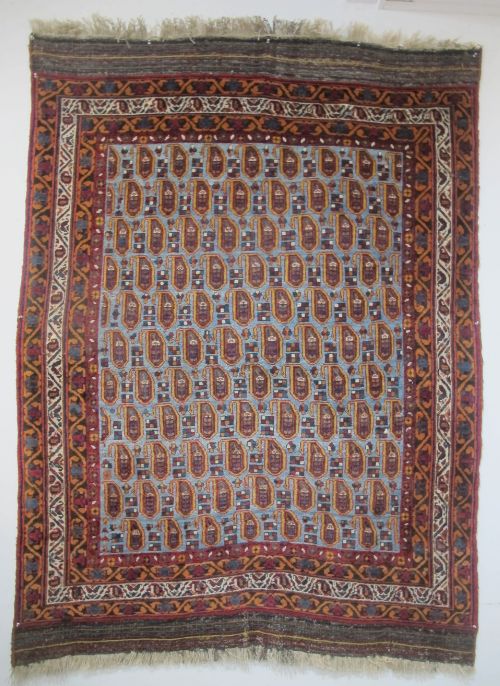
A terracotta area rug encompasses hand-knotted and woven floor coverings that draw on Persian tribal, Caucasian, and Turkmen traditions. Buyers seeking this aesthetic encounter room-sized carpets and smaller hearth rugs originating from village and nomadic workshops.
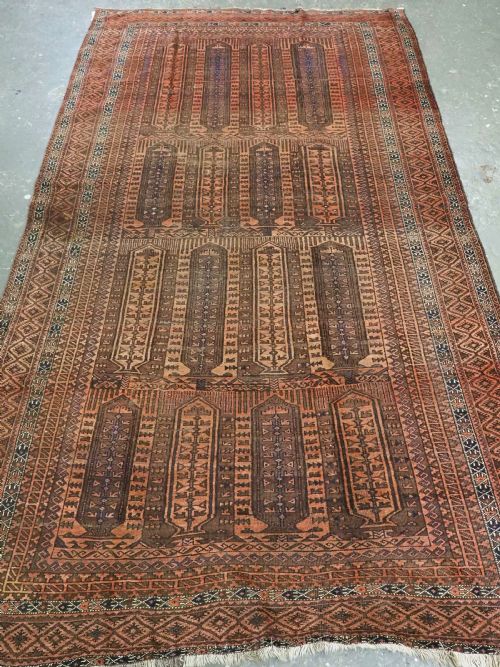
The selection ranges from nineteenth-century Heriz and Oushak carpets to vintage Afghan Baluch and Persian tribal pieces. These textiles anchor a space with distinct regional motifs and earthy colour palettes developed across generations of weavers.
Materials and construction
Makers constructed these rugs predominantly from wool, cotton, and occasionally camel hair, utilising natural dyes to achieve rich terracotta and earthy tones. Artisans knotted the pile by hand onto sturdy cotton or wool foundations, ensuring structural resilience.
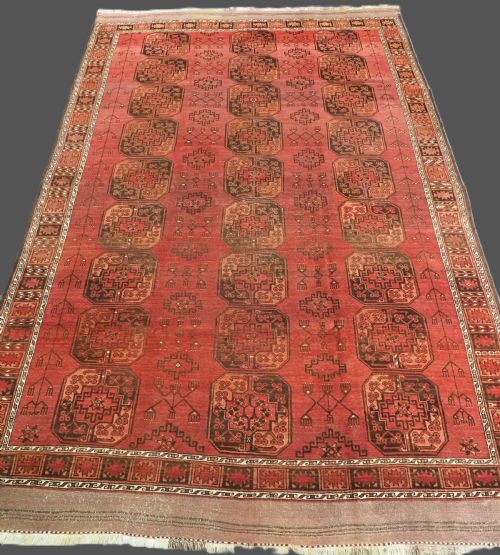
Nomadic and village weavers employed geometric medallions, guls, and floral stylisations specific to their tribal confederacies, such as Khamseh, Kashgai, and Ersari Turkmen. The interplay of hand-spun fibres and natural dyestuffs creates the characteristic depth found in these historical textiles.
Terracotta Area Rug Retail Price Guide 2026
Typical asking prices for terracotta area rug among the pieces listed under this phrase on Sellingantiques today, from the lower quarter to the upper quarter. They describe what is for sale here now, not the wider market.
Assessing the grade
Quality rests in the precision of the knotting, the complexity of the tribal design, and the integrity of the foundation. Denser knots and finer wool selection allow intricate patterns like Heriz medallions and Baluch prayer designs to remain sharp and well-defined.
The choice of natural dyes versus later synthetic alternatives dictates the vibrancy and ageing potential of the terracotta hues. Uniformity in the weave and minimal structural distortion distinguish exceptional village carpets from simpler utilitarian floor coverings.
The Terracotta Area Rug Glossary
- Gul
- A repeating octagonal medallion motif frequently found in Turkmen and Baluch tribal carpets. It often acts as the primary visual anchor across the field of the rug.
- Kilim
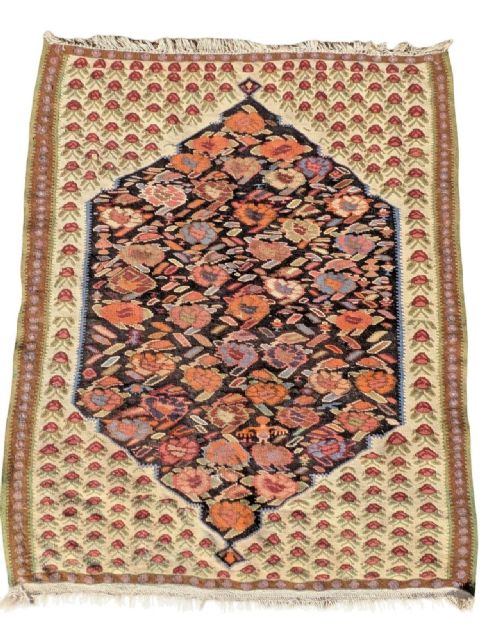
- A flat-woven carpet or rug produced without a pile. These pieces rely on interlocking weft threads to form sharp geometric patterns.
- Medallion
- A large central ornamental design set in the middle of the rug field. It dominates the compositional layout in styles such as Heriz and Tabriz.
- Prayer rug
- A small format rug featuring a mihrab or niche design at one end. Historically, worshippers used these textiles to kneel upon during daily prayers.
Terracotta Area Rug: Frequently Asked Questions
What is a terracotta area rug?
A terracotta area rug is a hand-knotted or woven floor covering featuring earthy red-brown tones derived from natural dyes. These pieces originate primarily from Persian, Caucasian, and Central Asian tribal weaving traditions.
They serve as functional art for residential spaces, bringing warmth, texture, and centuries of cultural heritage into contemporary interiors.
How do I care for an antique rug?
Protect antique wool and cotton rugs by vacuuming gently without a rotating brush bar to prevent fibre damage. Professional cleaning by specialists in hand-knotted textiles ensures the natural dyes remain stable.
Rotate the rug periodically to distribute foot traffic evenly and avoid placing them in harsh, direct sunlight to preserve the terracotta colours.
How do I identify a tribal rug?
Tribal rugs display geometric motifs, repeating guls, and asymmetrical designs rather than precise court-atelier floral patterns. They reflect the specific cultural iconography of nomadic or village groups like the Baluch, Kashgai, or Ersari Turkmen.
Subtle irregularities in the weave and abrash colour variations often point to the hand of an individual village weaver working without a rigid cartoon.
Where were these rugs made?
These textiles were produced across regions spanning Persia, the Caucasus, and Afghanistan by settled village communities and nomadic tribes. Major weaving centres and regions include Heriz, Tabriz, Oushak, and Baluchistan.
Each region developed distinct structural characteristics, pile heights, and palette preferences that allow collectors to trace their geographical origins.