




Persian Prayer Rug
A persian prayer rug brings intimate woven geometry and centuries of devotional artistry straight onto your floor.
Persian Prayer Rug
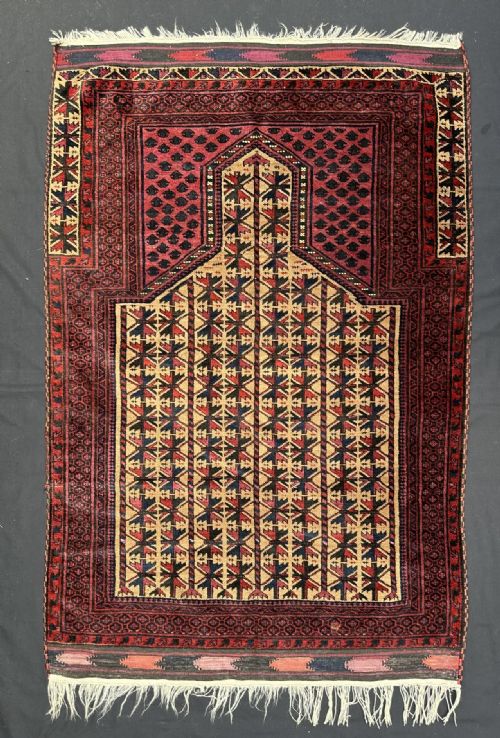
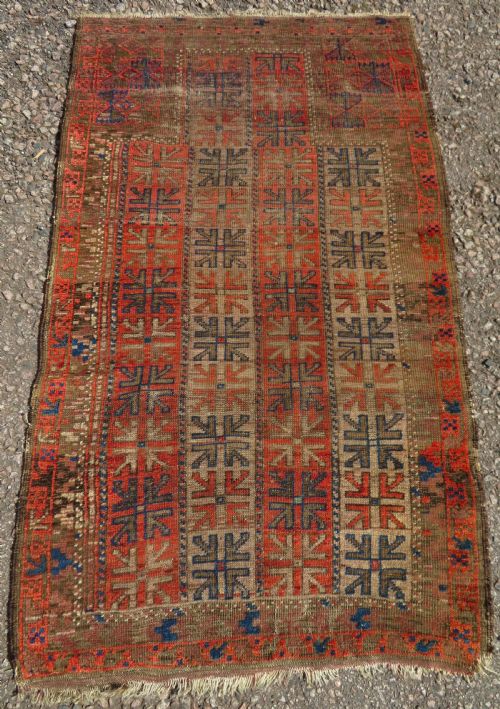
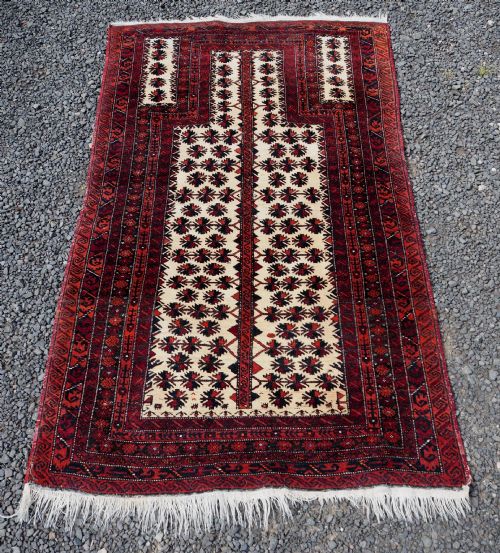
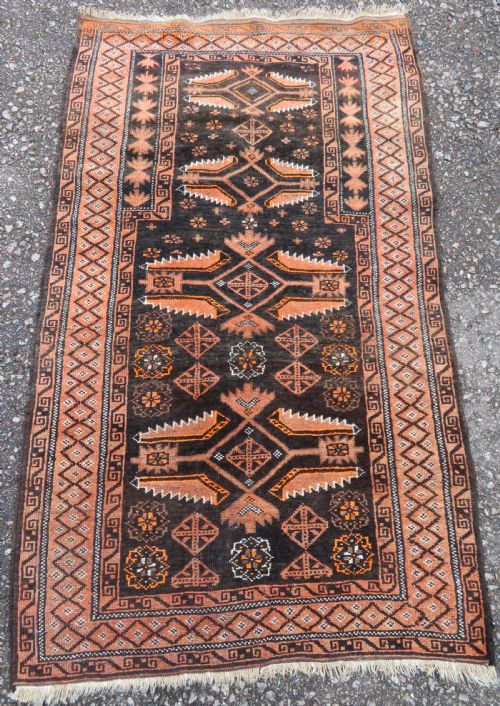
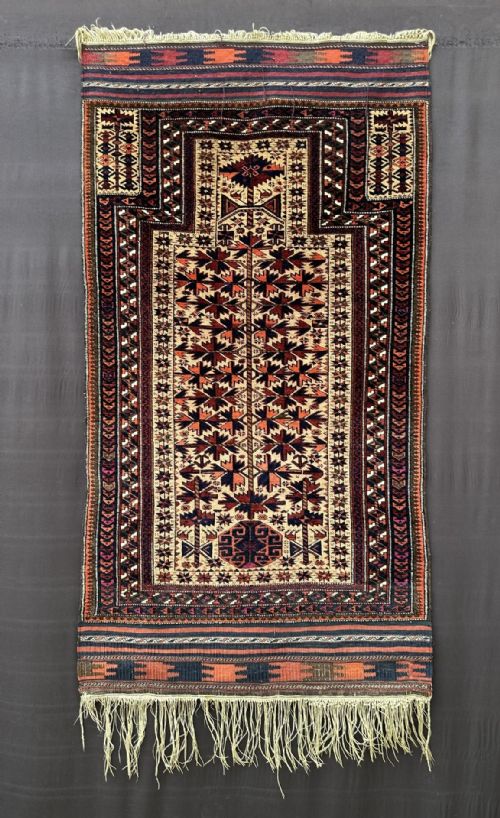
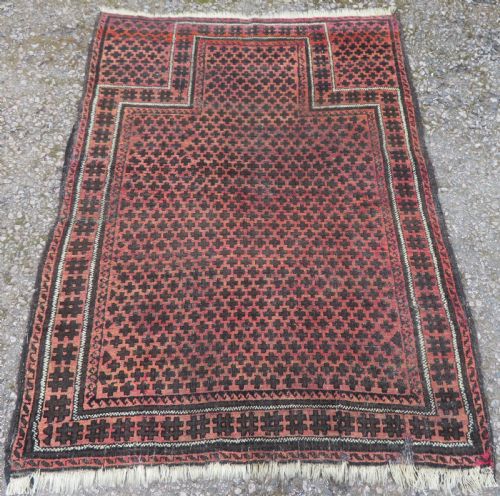
A persian prayer rug is a portable devotional textile distinguished by a central mihrab arch, which worshippers face during daily prayer. These pieces encompass village, nomadic, and urban workshop weaving traditions originating across the Middle East.
You will encounter pieces bearing traditional tribal motifs alongside fine city workshop floral designs. The format bridges utilitarian floor coverings and deeply personal ritual objects.
The selection ranges from nineteenth-century nomadic tribal work to early twentieth-century urban productions from weaving centres like Kashan and Kirman. Each specimen preserves distinct regional aesthetics passed down through generations of weavers.
Materials and construction
Makers constructed these rugs using wool, cotton, and silk foundations tied with hand-knotted pile. Natural dyes impart the varied colour palettes seen across both nomadic and city pieces.
Weavers utilised sturdy wool for durable tribal floor use alongside delicate silk threads reserved for fine urban workshop commissions. Foundation warps and wefts frequently combine wool and cotton for structural stability.
Persian Prayer Rug Retail Price Guide 2026
Typical asking prices for persian prayer rug among the pieces listed under this phrase on Sellingantiques today, from the lower quarter to the upper quarter. They describe what is for sale here now, not the wider market.
Some Baluch weavers tucked tiny protective talismans directly into the pile to ward off the evil eye.
Distinctions in quality
Knot density and material selection govern the refinement of each textile, separating coarse nomadic pieces from court workshop commissions. Silk content and complex pictorial elements denote higher workshop standards.
The depth and brilliance of natural dyes dictate visual success, alongside the precision of the woven geometry within the mihrab. Hand-spun wool texture and structural uniformity reveal the weaver's ultimate skill.
Yaqoub Khani Tribe·Baluch of Turkestan·Dokhtar-e-Qazi Design
The Persian Prayer Rug Glossary
- Mihrab
- The pointed arch design element at one end of the rug that indicates the direction of prayer. It forms the focal point of the composition.
- Pile
- The vertical tufts of wool or silk that make up the soft surface of the rug. It is knotted onto the foundation warp threads.
- Warp
- The lengthwise foundational threads stretched tightly on the loom before knotting begins. Weft threads are inserted across them to secure the knots.
- Natural Dyes
- Colourants derived from plants, insects, and minerals rather than synthetic chemicals. They produce rich patinas as the wool ages.
Persian Prayer Rug: Frequently Asked Questions
What is a persian prayer rug?
A persian prayer rug is a portable textile featuring a distinctive architectural arch known as a mihrab. Weavers traditionally designed these pieces to provide a clean space for daily prayers.
They reflect diverse regional traditions, encompassing both geometric nomadic village styles and intricate floral city workshop designs.
How do I use a prayer rug at home?
These textiles function effectively as small accent floor coverings, bedside mats, or wall hangings. Their compact size allows them to fit easily into entryways or hallways.
Keep them away from direct sunlight to protect the natural dyes from fading over time.
How do I identify a tribal prayer rug?
Tribal rugs typically display geometric motifs, earthy colour palettes, and slightly asymmetrical borders woven by nomadic or village communities. They often utilise coarser wool and simpler structures than city workshop pieces.
Look for specific regional attributions such as Baluch or Timuri characteristics within the weave.
What materials were used in antique rugs?
Weavers primarily utilised sheep wool for durable pile and cotton for sturdy foundation structures. Some finer urban workshop pieces incorporated pure silk for an exceptionally lustrous surface.
Natural dyes derived from local plants and minerals provided the rich palette.