

Afghan Tribal Rug
When you handle an afghan tribal rug, you touch the nomadic history and tactile utility of Central Asian weaving traditions.
Afghan Tribal Rug
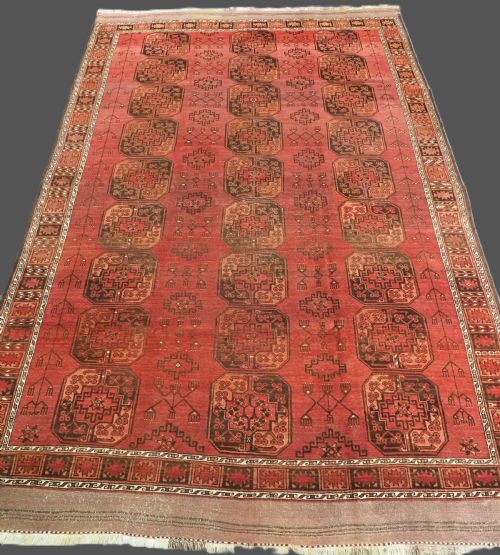
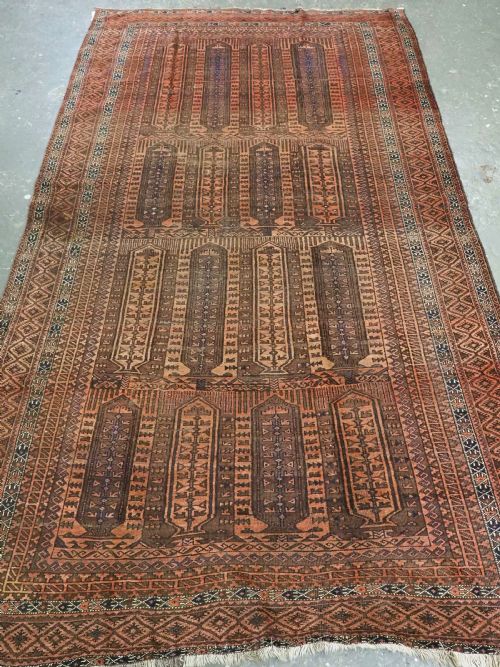
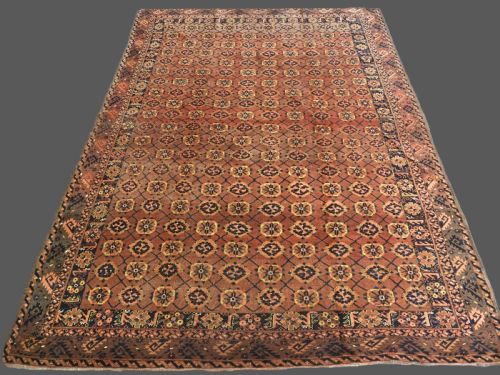
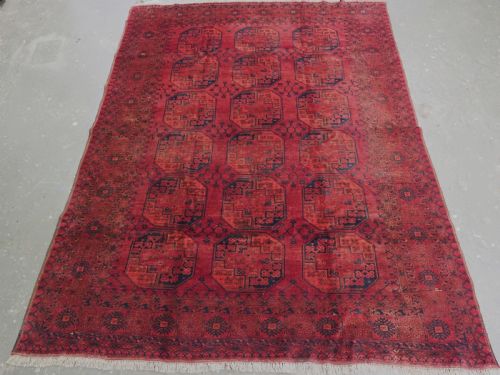
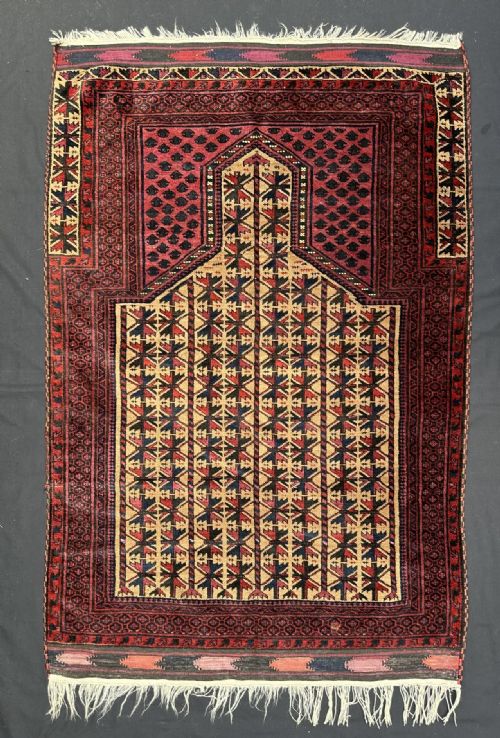
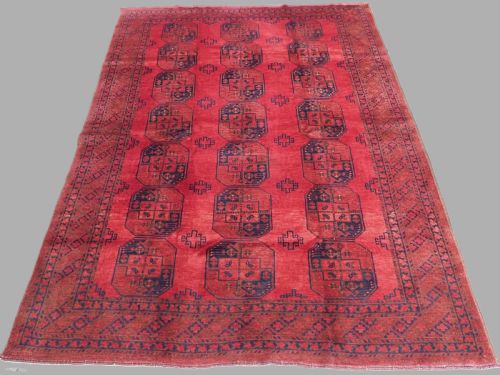
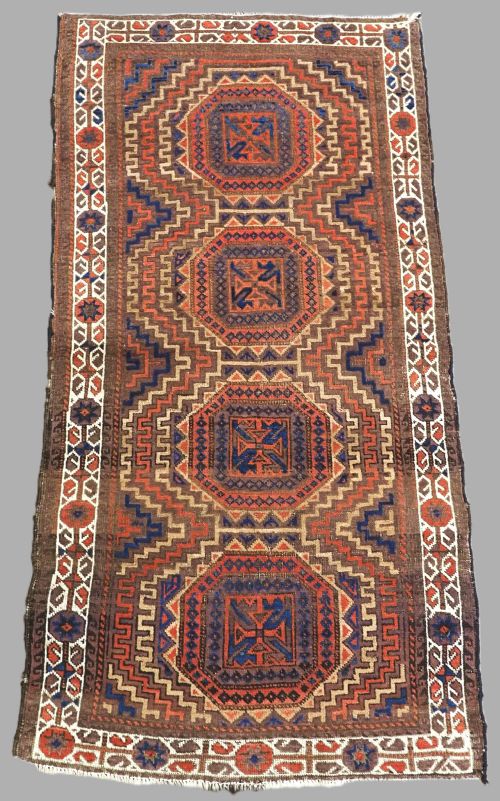
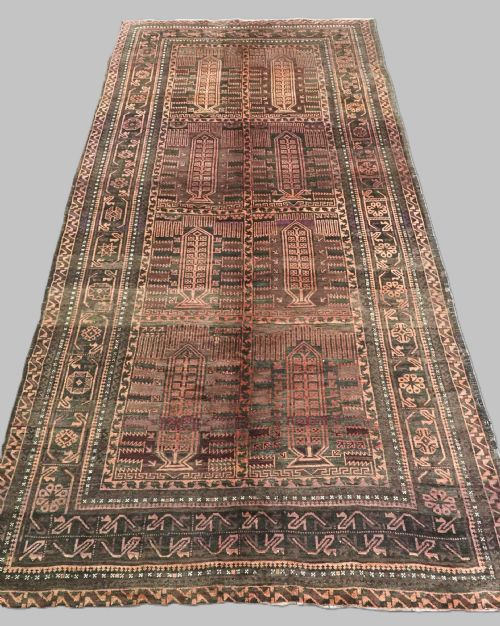
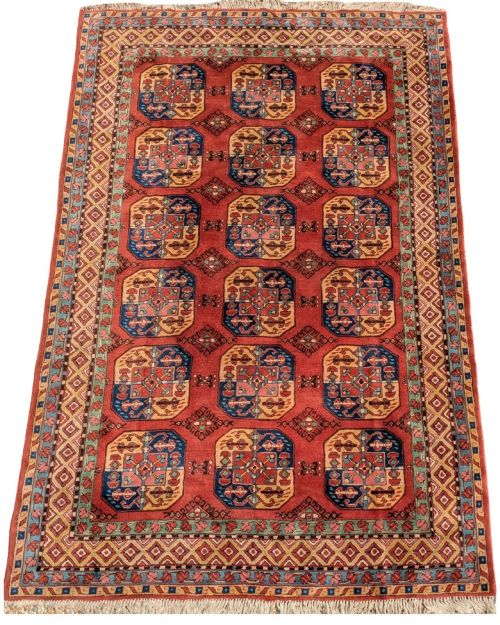
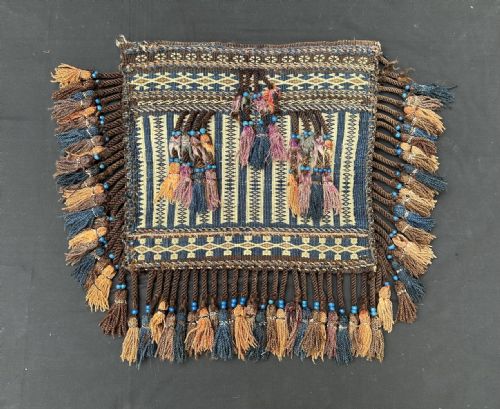
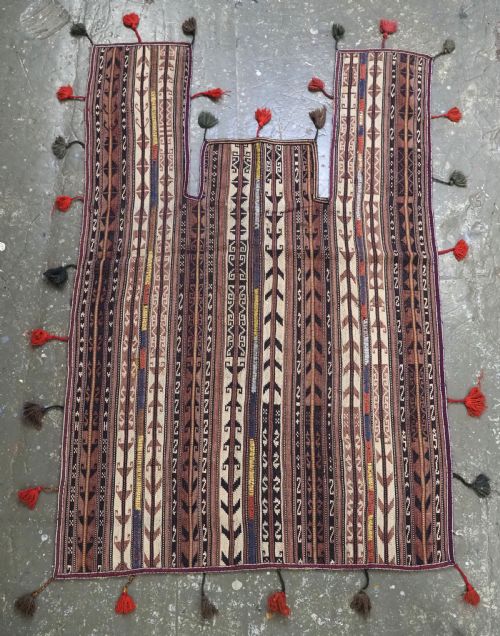
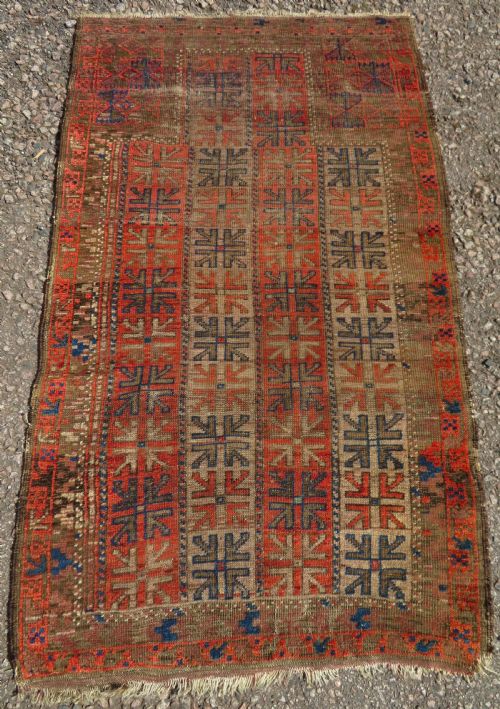
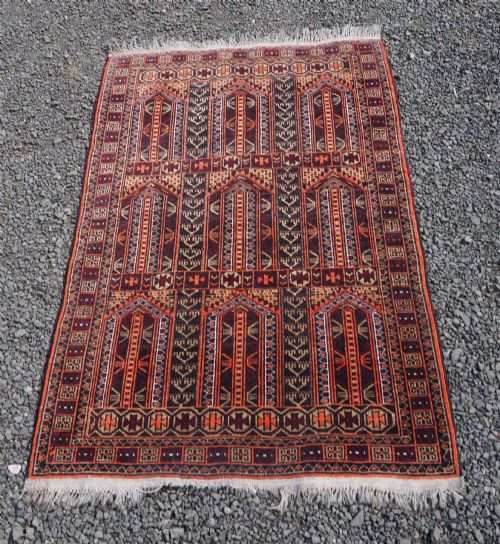
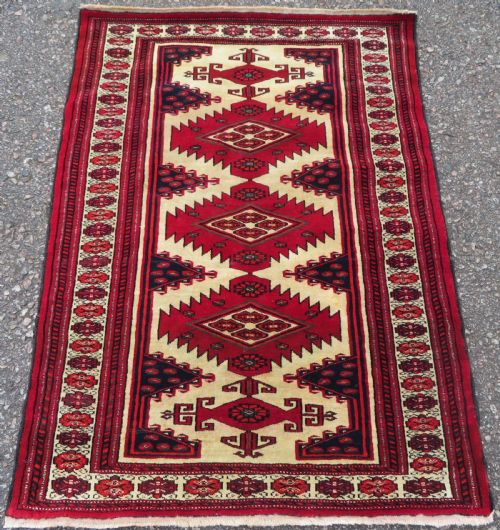
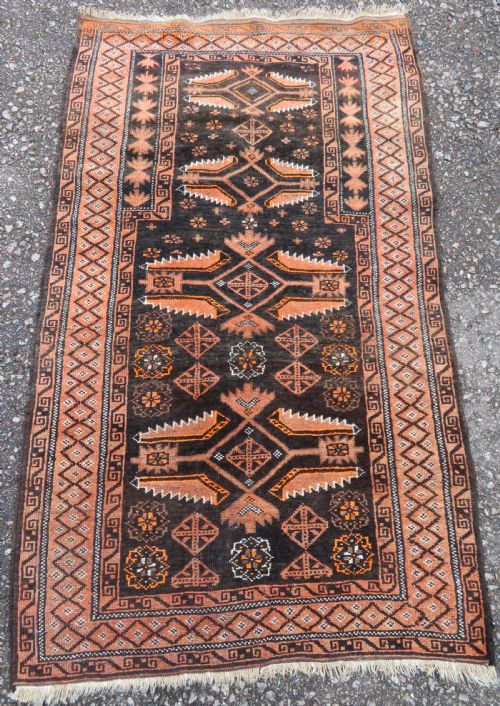
The pieces grouped under the heading of an afghan tribal rug encompass floor coverings, utilitarian storage bags, prayer mats, and ceremonial textiles woven by nomadic and village communities. Examples range from compact prayer formats to room-sized main carpets carrying the visual vocabulary of tribes such as the Baluch, Ersari, Timuri, and Taimani.
The surviving specimens commonly encountered originate across the nineteenth and early twentieth centuries, stretching from the borderlands of Persia and Afghanistan through northern and western regions. Forms include specialised eating cloths known as sofreh, grain sacks, horse blankets, and long rugs displaying distinctive regional motifs like guls and mihrabs.
Materials and construction methods
The construction relies fundamentally on wool, often hand-spun and combined with structural cotton foundations or goat hair for durability along the edges. Certain mixed-technique pieces incorporate camel wool to achieve shifts in texture and natural tone across the field.
Weavers utilised natural dyes to colour the fibres, yielding warm red palettes and deep indigo tones that mature with age. Additional decorative elements occasionally incorporate glass beads into the textile structure.
Afghan Tribal Rug Retail Price Guide 2026
Typical asking prices for afghan tribal rug among the pieces listed under this phrase on Sellingantiques today, from the lower quarter to the upper quarter. They describe what is for sale here now, not the wider market.
The listings span from the nineteenth century through the 1930s, utilising hand-spun wool, natural dyes, cotton, and camel wool across various rug and textile formats.
Factors determining the tier of a piece
The calibre of a weaving rests upon the crispness of the drawing, the complexity of the tribal iconography, and the integrity of the pile. Finer knot density and precise execution of motifs like turreted guls or double mihrabs elevate an example above standard village production.
The depth and nuance of the natural dye palette also dictate standing, alongside the overall preservation of original kilim ends and side corded edges. Pieces displaying unusual formats, specific tribal attributions, or soft faded patinas command greater interest from collectors.
The Afghan Tribal Rug Glossary
- Gul
- A repeating medallion or octagonal motif central to Turkmen and related tribal designs. Each tribe developed specific variations to denote lineage and heritage.
- Mihrab
- An arch-shaped niche design derived from Islamic architecture, commonly orienting the field on prayer rugs. It directs the user during daily devotions.
- Sofreh
- A utilitarian cloth used for spreading meals or processing dough within nomadic households. These flatwoven or piled textiles frequently exhibit minimalist geometric organisation.
- Balist
- A small storage sack or grain bag produced by nomadic weavers for domestic utility. They often feature plain weave backs and detailed face designs.
- Kilim end
- The flatwoven band of warp and weft threads extending beyond the knotted pile at either end of a carpet. Original surviving ends demonstrate complete craftsmanship.
Afghan Tribal Rug: Frequently Asked Questions
How do I identify a prayer rug?
Prayer rugs typically feature a distinctive mihrab arch at one or both ends of the field, designed to point toward Mecca during use. They often appear in smaller, portable formats suited for individual devotion.
Secondary indicators include specific border arrangements and specialised iconography like lamps or rams' horns integrated into the arch design.
How should I care for an antique wool carpet?
Maintenance requires gentle vacuuming without rotating brush bars to protect the hand-spun wool pile and vulnerable side cords. Keeping the textile away from direct, prolonged sunlight preserves the stability of natural dyes.
Professional cleaning tailored to antique vegetable-dyed wool ensures the foundation remains undamaged over decades of domestic use.
How do I distinguish between tribal groups?
Attribution depends on structural traits, colour choices, and specific geometric vocabulary such as pencil box borders or particular gul formations. Baluch and Timuri weaving often utilises deep indigo and dark camel wool contrasts.
Ersari and Kizil Ayak carpets tend to showcase larger scale red fields dominated by repeating octagonal motifs and extensive turreted outlines.