

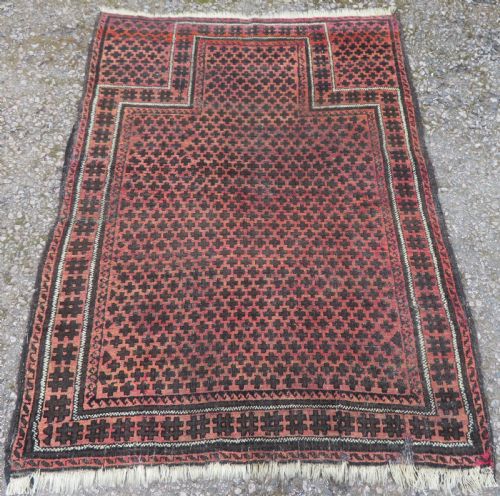


Hand Knotted Prayer Rug
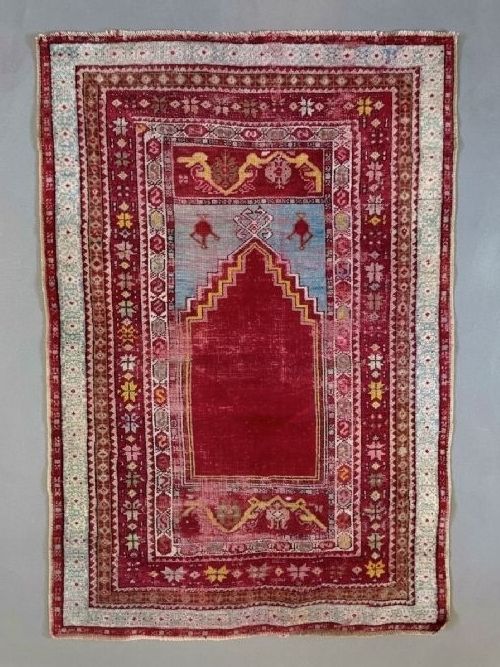
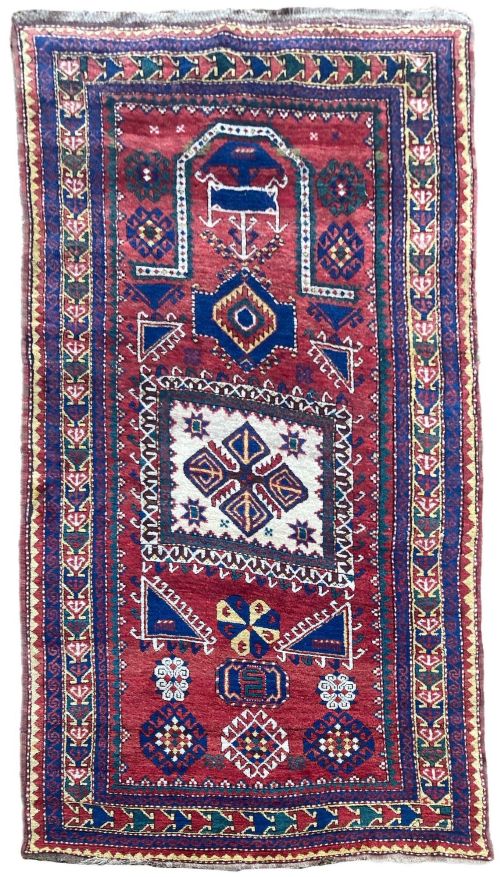
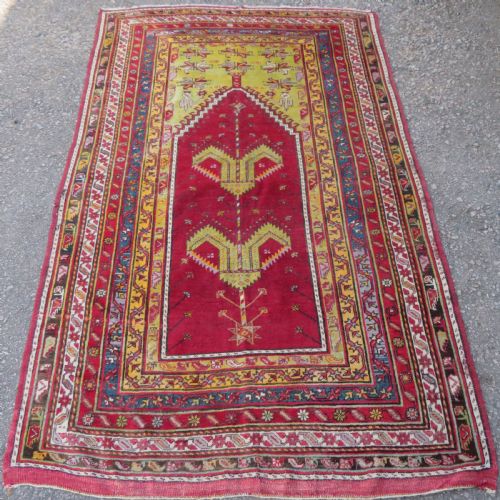
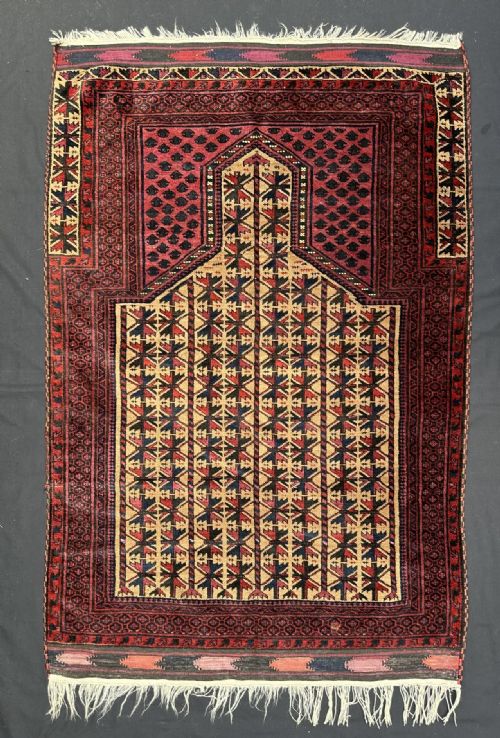
When you search for a hand knotted prayer rug, you enter a diverse tradition of woven floor coverings defined by distinct architectural arches.
Hand Knotted Prayer Rug
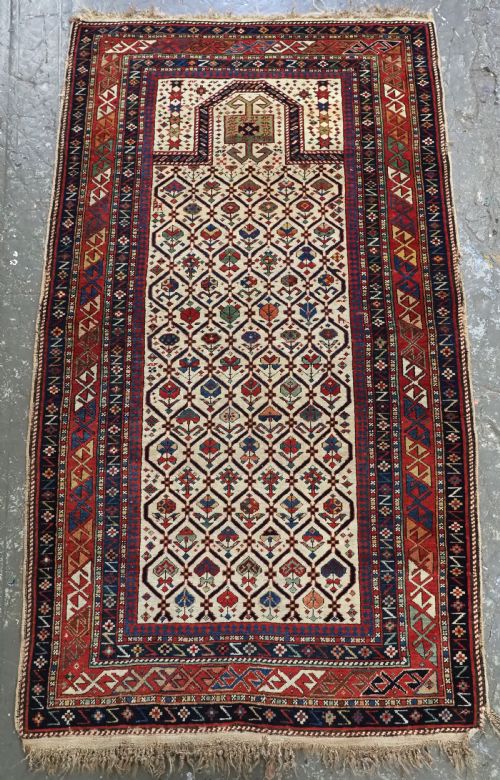
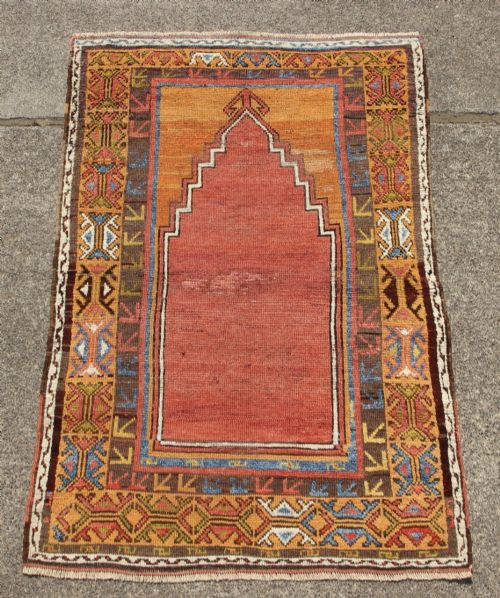
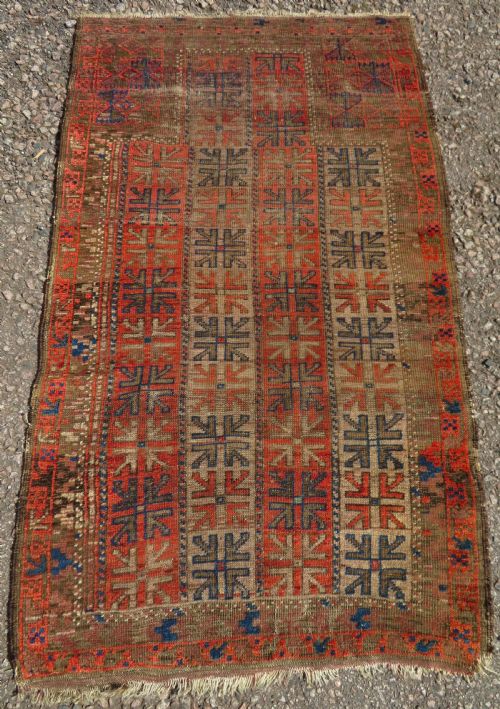
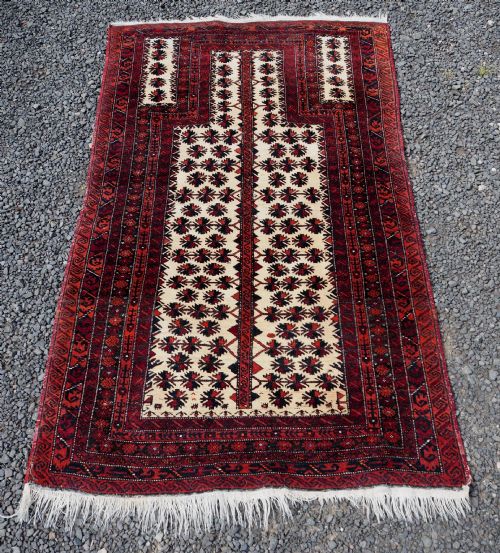
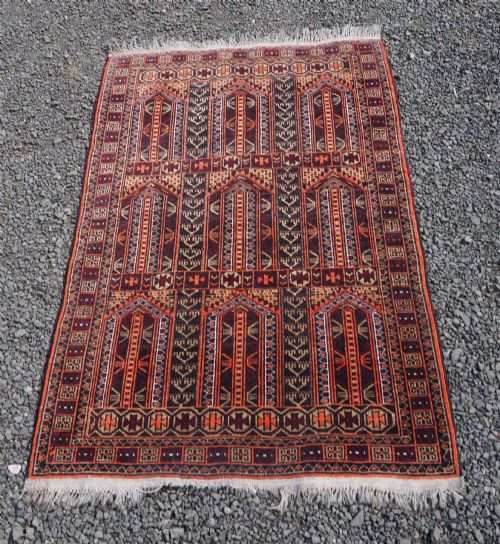
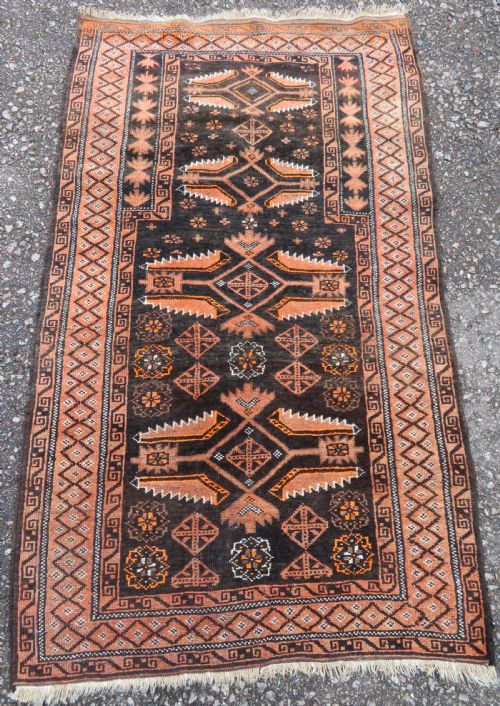
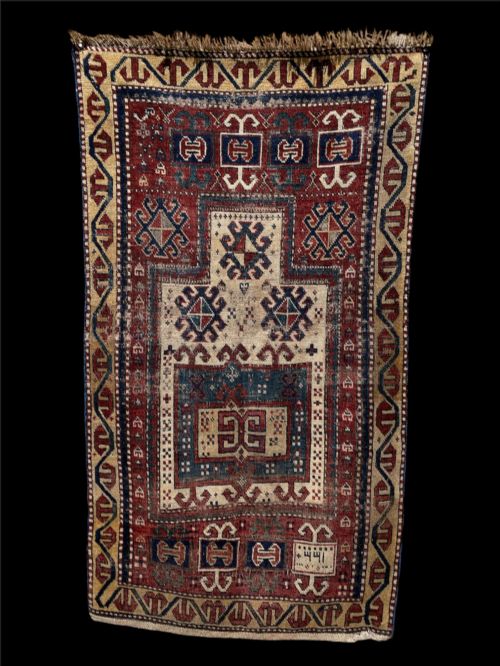
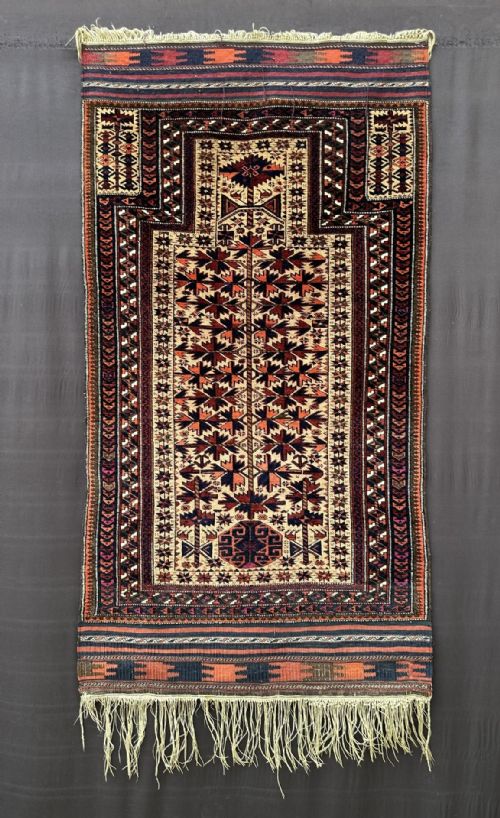
A hand knotted prayer rug is a portable textile designed for individual devotion, traditionally featuring a mihrab or directional arch that indicates the direction of prayer. These woven pieces originate from regional weaving traditions across the Caucasus, Anatolia, Persia, and Afghanistan, spanning village, tribal, and workshop workshops. The examples available here encompass diverse formats from the nineteenth and early twentieth centuries, including double mihrab and single arch layouts.
Buyers encountering this selection will find tribal and village styles from regions such as Baluchistan, the Caucasus, and central Anatolia. These pieces typically display specific regional motifs, such as floral lattices, rams horn details, or geometric lattices worked into wool foundations. The formats range from compact mats to larger area rugs produced by groups like the Timuri, Kizil Ayak, and Caucasian weavers.
Materials and Construction
The construction relies heavily on wool, hand-spun wool, cotton, and occasionally silk foundations, combined with pile yarns tied by hand. Weavers utilised natural dyes to achieve the rich colour palettes seen across Caucasian, Turkish, and Persian specimens. Goat hair occasionally appears in the construction of tribal pieces, adding structural durability to the edges and ends.
Nomadic and village workshops utilised upright or horizontal looms, knotting pile yarns individually onto warp and weft threads. Long kilim ends and flatwoven sections frequently terminate these rugs, protecting the foundation from fraying. The use of hand-spun materials gives the pile a varying texture and depth that responds to natural light.
Hand Knotted Prayer Rug Retail Price Guide 2026
Typical asking prices for hand knotted prayer rug among the pieces listed under this phrase on Sellingantiques today, from the lower quarter to the upper quarter. They describe what is for sale here now, not the wider market.
Materials recorded across the inventory include wool, hand-spun wool, cotton, silk, goat hair, and natural dyes.
Factors That Determine Quality
Quality in these textiles rests upon the fineness of the knotting and the precision of the geometric or floral drawing. Denser knots allow intricate motifs, such as floral vase designs and complex lattice work, to appear sharp and well-defined on the surface.
The integrity of the materials and the depth of the natural dyes separate standard village pieces from exceptional examples. Expert handling of natural colour sources produces rich tones that age with harmonious patination across the wool pile.
The Hand Knotted Prayer Rug Glossary
- Mihrab
- The architectural arch depicted on the field of a prayer rug, pointing toward Mecca during worship. This arched niche serves as the primary compositional focus of the design.
- Kilim end
- The flatwoven extension at the top or bottom of a knotted rug, often incorporating supplementary weft-faced patterns. These sections protect the pile foundation from wear.
- Natural dyes
- Colourants derived from plant, insect, and mineral sources rather than synthetic chemical compounds. These dyes yield complex, varied tones that mellow gracefully over time.
- Warp
- The vertical threads stretched tightly on the loom before knotting begins, forming the structural backbone of the rug. Fringe ends typically consist of exposed warp threads.
- Weft
- The horizontal threads passed alternately over and under the warp threads between rows of knots to bind the structure together. Proper beating of the weft ensures a compact and durable fabric.
Hand Knotted Prayer Rug: Frequently Asked Questions
What is a mihrab design on a rug?
The mihrab design represents the prayer niche found in mosques, translated into a portable textile format. It typically forms an arch at one end of the rug to indicate orientation during daily devotion.
This architectural feature defines the pictorial layout of the piece, distinguishing devotional rugs from standard floor coverings through its directional symmetry.
Where were these antique prayer rugs made?
These textiles originate from diverse weaving cultures across the Caucasus, Anatolia, Persia, and the borderlands of Afghanistan. Nomadic tribes, village communities, and town workshops each contributed distinct aesthetic traditions to the craft.
Regional groups such as the Baluch, Caucasian weavers, and Turkish artisans in centres like Konya and Ghiordes utilised local motifs and knotting techniques characteristic of their specific localities.
How do I care for an antique wool rug?
Maintain the textile through gentle vacuuming without a beater bar and regular rotation to ensure even exposure to foot traffic and light. Professional cleaning tailored to antique pile rugs preserves the natural wool fibres and dye stability.
Avoid excessive moisture and direct sunlight to protect the integrity of the hand-spun wool and natural colourants over decades of domestic use.
What distinguishes tribal prayer rugs from workshop pieces?
Tribal rugs display geometric motifs, asymmetric layouts, and expressive village interpretations created by nomadic or semi-nomadic weavers. These pieces often incorporate materials like goat hair and hand-spun wool with local character.
Workshop rugs from urban centres tend to feature precise floral vase designs, symmetrical Kashan or Anatolian layouts, and refined cotton foundations executed with high knot densities.