





Baluch Prayer Carpet
A baluch prayer carpet brings nomadic artistry into a room, offering rich tribal designs and storied textiles woven across nineteenth and twentieth century borderlands.
Baluch Prayer Carpet
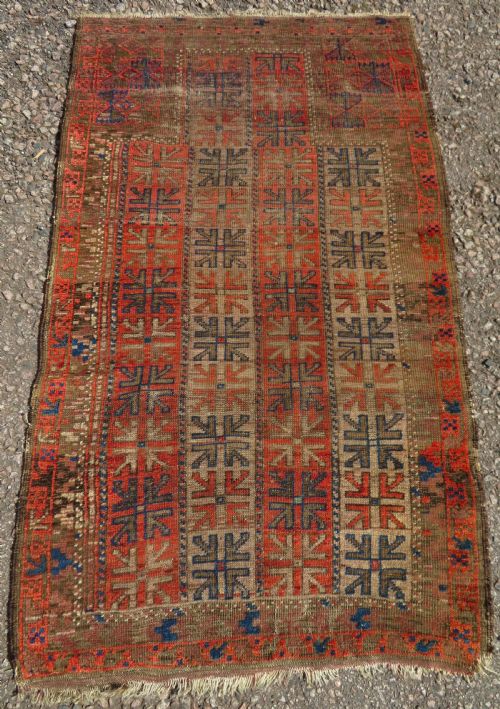
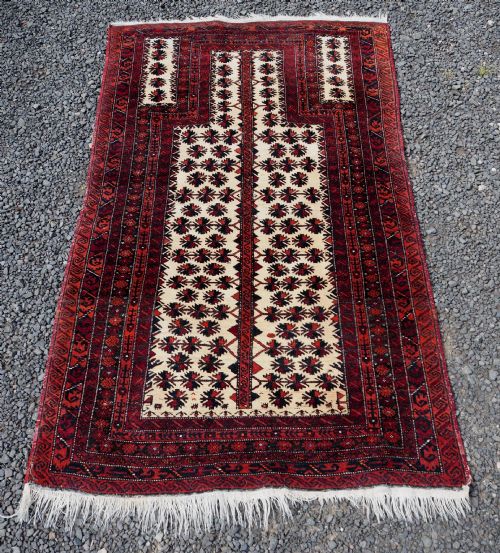
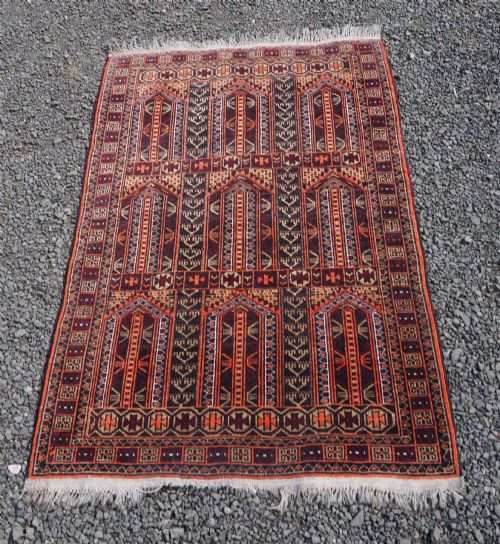
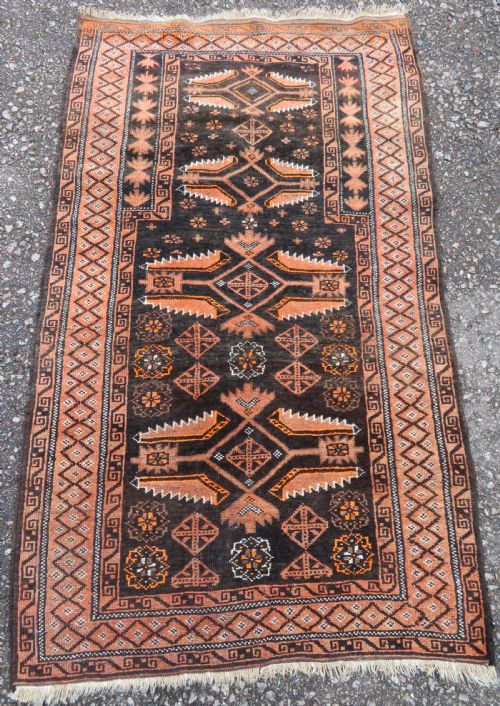
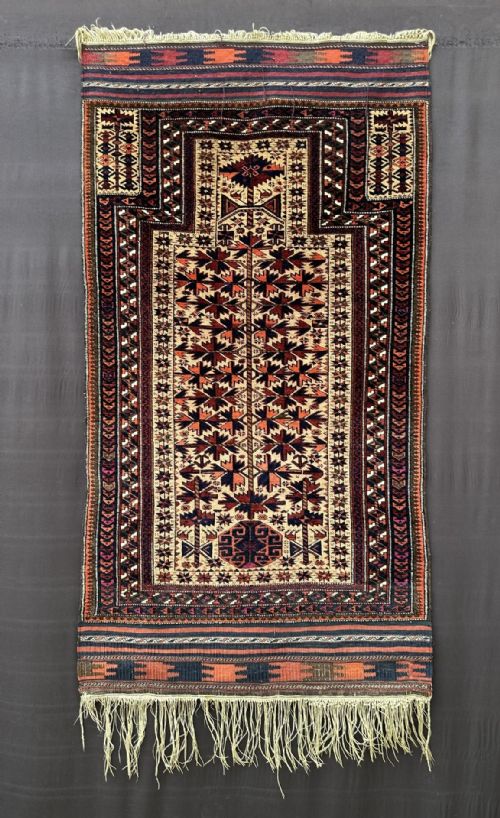
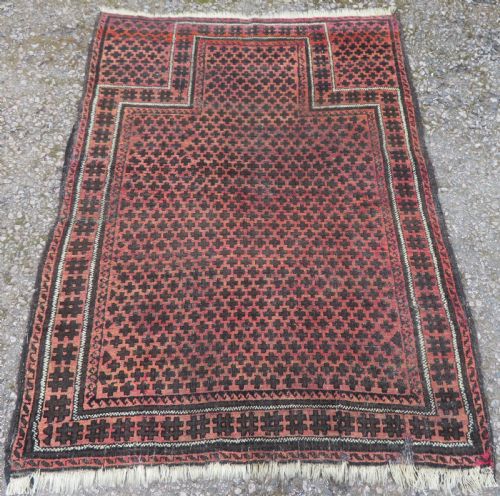
A baluch prayer carpet serves as a portable space for devotion, traditionally woven by nomadic and village weavers across the borderlands of Persia and Afghanistan. These pieces are defined by distinct prayer arches known as mihrabs, often incorporating multiple arches or regional motifs like the seh mihrab format.
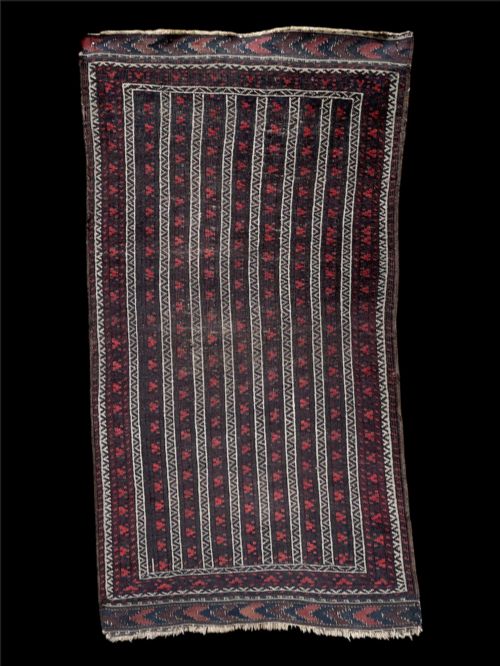
The versions most commonly met on this page originate from the late nineteenth century through to the early decades of the twentieth century. They encompass tribal expressions from groups such as the Timuri, Taimani, and Yaqoub Khani tribes, reflecting the rich weaving traditions of regions like Khorassan and Herat.
How They Were Made
Weavers utilised hand-spun wool and cotton foundations, frequently incorporating camel hair and goat hair for structural durability and natural tonal contrast. These materials were worked into dense, resilient piles using traditional handweaving techniques.
Colour palettes were achieved through natural dyes, resulting in deep blues, camel grounds, and earthy tones that age with character. Mixed techniques and varied pile depths highlight the authentic, hands-on production methods of these nomadic makers.
Listings feature pieces spanning the nineteenth century through the 1930s, utilising wool, cotton, camel hair, and natural dyes.
What Varies in Quality
Quality in a baluch prayer carpet rests upon the precision of the weave and the complexity of the tribal design. Finer examples display tightly packed knots, crisp delineation of the mihrab arches, and well-balanced proportions that speak to the weaver's skill.
The character of the materials also dictates the standing of a piece. Superior textiles utilise lustrous hand-spun wool and rich natural dyes that retain depth, alongside unusual or scarce structural formats such as double mihrabs or specific tribal attributions.
The Baluch Prayer Carpet Glossary
- Mihrab
- The arched niche found on prayer rugs, designed to point toward Mecca during daily devotions. On these pieces, they often appear in single, double, or multiple configurations.
- Seh Mihrab
- A design layout featuring three distinct prayer arches grouped across the upper field. This triple-arch format is a characteristic tribal variation found on regional carpets.
- Camel Hair
- Undyed fibre gathered from camels, utilised in the pile or foundation for its natural warmth and durable quality. It creates a soft, golden-brown background tone.
- Natural Dyes
- Colourants derived from plant, insect, and mineral sources prior to the widespread adoption of synthetics. They produce rich, nuanced hues that mellow gracefully over time.
Baluch Prayer Carpet: Frequently Asked Questions
How were baluch prayer carpets used?
These carpets were utilised by nomadic and village weavers primarily as portable places for daily Islamic prayer. Their compact dimensions allowed worshippers to roll them up easily for travel across regional borderlands.
Beyond religious use, they served as valued household furnishings within tents and mud-brick dwellings, providing insulation against cold earthen floors.
Where were these rugs made?
The pieces originate from the borderlands of north-east Persia and north-west Afghanistan, spanning historical regions such as Khorassan and Herat. Nomadic and semi-nomadic confederations like the Timuri and Taimani produced them.
Because these tribes moved across porous borders, the rugs combine design elements from both Persian and Afghan weaving traditions.
How do I care for a tribal rug?
Protect the antique wool pile by placing the rug in a low-traffic area away from direct, harsh sunlight. Gentle vacuuming without a rotating brush roll helps remove embedded dust without damaging the handspun fibres.
Professional cleaning suited to antique textiles should be employed when necessary, avoiding harsh chemical treatments that can strip natural dyes.
What does seh mihrab mean?
The term describes a specific prayer rug design incorporating three distinct prayer arches across the top of the field. It represents a traditional tribal variation developed by specific weaving groups.
Spotting this layout indicates a distinct regional aesthetic within nineteenth and twentieth century production.