



Vintage Baluchi Rug
A vintage baluchi rug brings the rich nomadic heritage of tribal weavers into a modern home through intricate geometric patterns and deep wool pile.
Vintage Baluchi Rug
A vintage baluchi rug represents the traditional nomadic weaving of Baluch tribes originating from regions spanning Afghanistan, Persia, and Khorasan. These pieces span periods from the late nineteenth century through the early decades of the twentieth century, including dated examples from eighteen seventy up to nineteen thirty.
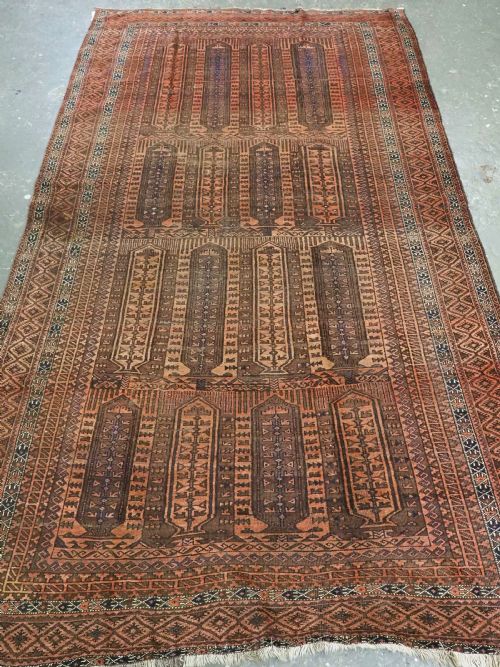
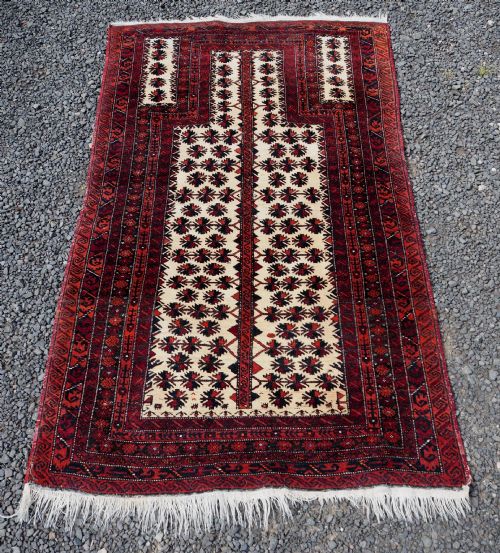
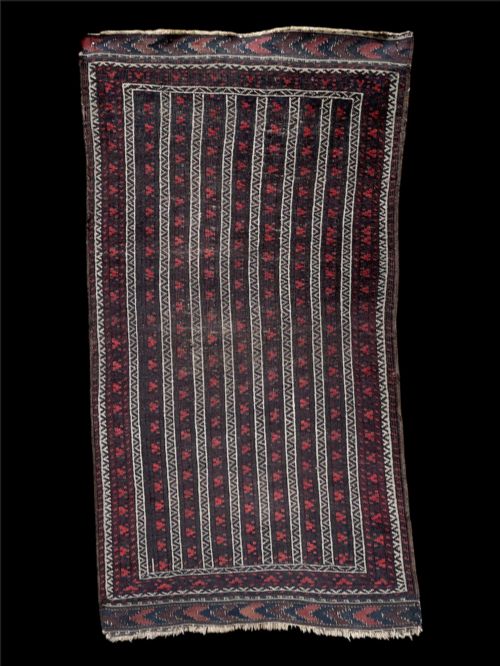
The primary forms you encounter on this page include standard floor rugs, area rugs, flatweave rugs, and specific functional textiles like prayer rugs and sofreh eating cloths. Designs range from plain tribal layouts to repeat lotus leaf motifs, kalam donneh patterns, and small octagon arrangements.
These floor coverings reflect the distinct aesthetic of Persian tribal and Afghan tribal makers who utilised traditional iconography. You will find them functioning effectively as compact focal points in hallways, studies, and smaller reception spaces.
How they were made
Every vintage baluchi rug is hand woven from wool using traditional techniques passed down through generations of tribal makers. The structural integrity relies on durable wool foundations and soft wool pile designed to withstand nomadic daily life.
Weavers utilised natural dyes to achieve the distinctive deep colour palettes seen across the Khorasan and Ferdows regions. These plant and mineral colourants yield rich tones that settle and soften gracefully over decades of use.
What varies in quality
The distinction between standard and exceptional pieces rests in the clarity of the woven design and the fineness of the wool. Tightly knotted structures provide greater resilience and allow intricate motifs like repeat lotus leaves or small octagons to appear crisp.
Geographic origin and regional dye work also elevate certain pieces, such as examples featuring unusual colour combinations from Khorasan or specific prayer rug formats. The overall harmony of the natural dyes and the integrity of the surviving flatweave ends determine the lasting standing of each textile.
The Vintage Baluchi Rug Glossary
- Sofreh
- A flatweave eating cloth or spread used by nomadic tribes for communal meals. These textiles often feature minimalist geometric compositions.
- Prayer rug
- A small devotional carpet featuring a mihrab or niche design used to direct the wearer towards Mecca during daily prayers.
- Flatweave
- A textile constructed without pile by interweaving warp and weft threads directly on a portable ground loom.
- Kalam donneh
- A traditional motif resembling a curved shrub or paisley form, frequently found in Western Afghan tribal weaving.
Vintage Baluchi Rug: Frequently Asked Questions
Where were vintage baluchi rugs made?
These textiles were produced by nomadic and village weavers belonging to Baluch tribes across the borderlands of Persia, Afghanistan, and the Khorasan region. Each piece carries the distinct regional preferences of its specific tribal maker.
Production centres included Ferdows Province and Western Afghanistan, where weavers maintained distinct local traditions regarding wool preparation and natural dye recipes.
How do I use a prayer rug at home?
Prayer rugs possess a compact scale that makes them ideal for hanging on walls as textile art or placing on smaller floor areas where heavy furniture will not obscure the design. Their focused mihrab niches draw the eye effectively in entryways or beside armchairs.
Avoid placing these delicate wool textiles in areas subject to heavy foot traffic or direct, harsh sunlight to preserve the natural dyes and soft pile.
What is a sofreh?
A sofreh is a utilitarian tribal cloth traditionally employed for serving meals, kneading dough, or gathering household provisions. They are typically woven without pile as flatweaves, resulting in a flexible, sturdy textile.
Collectors prize these cloths for their sparse, graphic designs and direct connection to the daily domestic life of nineteenth and twentieth century nomadic communities.
How do I care for antique wool rugs?
Maintain your rug by gently vacuuming without a rotating brush roll and rotating the piece occasionally to ensure even exposure to light and wear. Professional cleaning should be undertaken sparingly by specialists experienced in antique vegetable-dyed wool.
Keep the wool clean and dry, and use a breathable underlay to prevent slipping and reduce friction between the rug and the floorboards.