
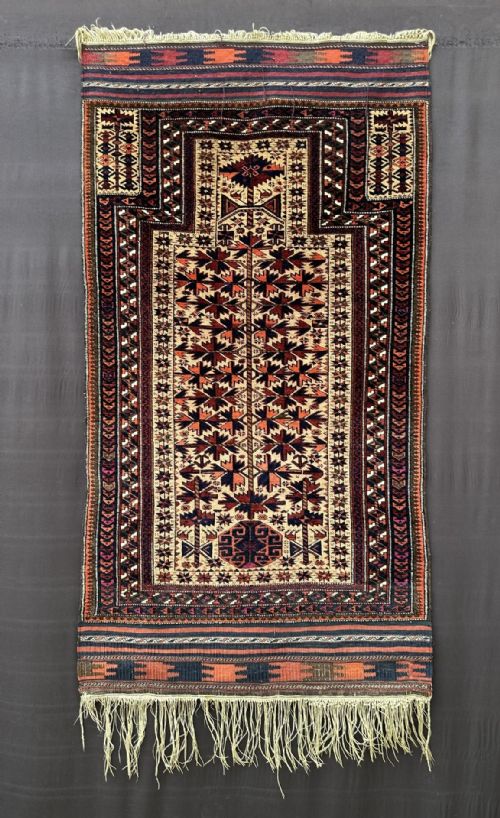


Brown Afghan Carpet
When choosing a brown afghan carpet, you examine tribal textiles woven across the nineteenth and early twentieth centuries by nomadic and village makers.
Brown Afghan Carpet
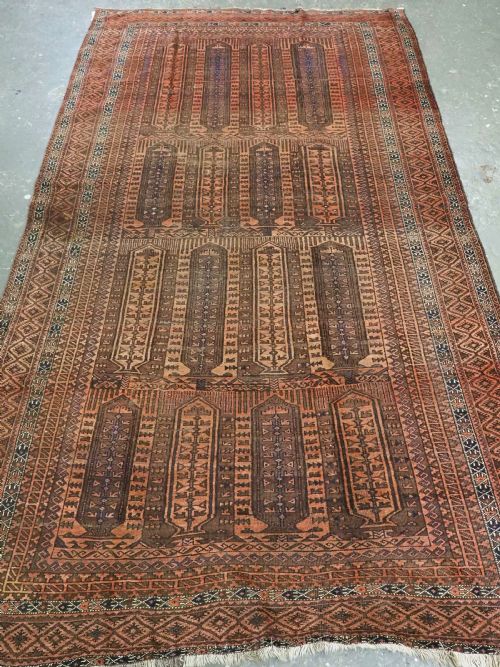
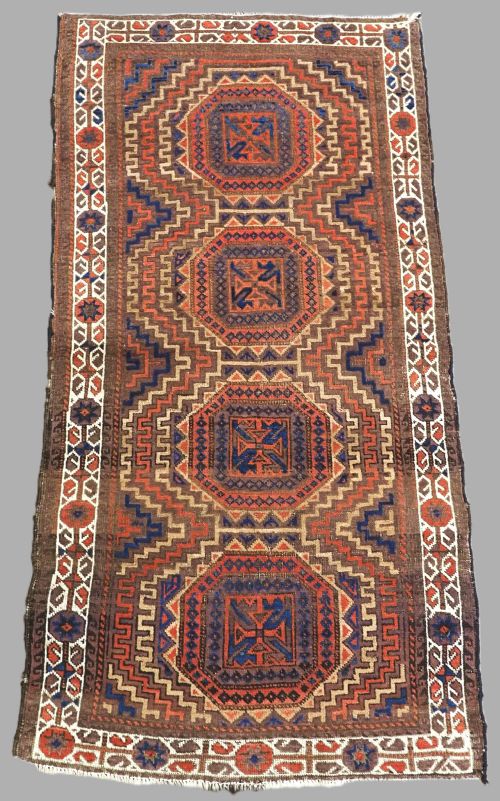
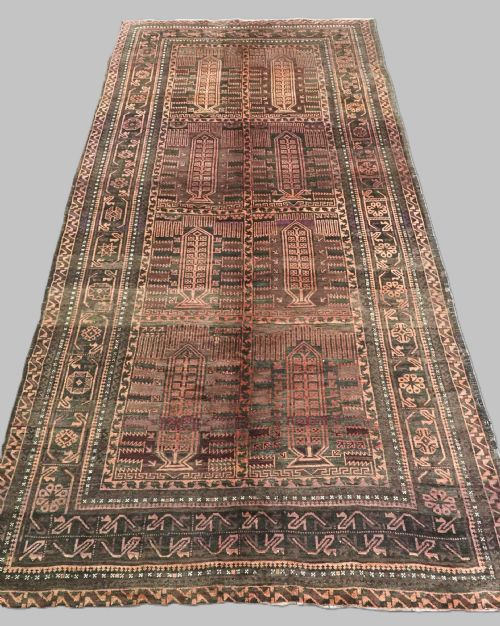
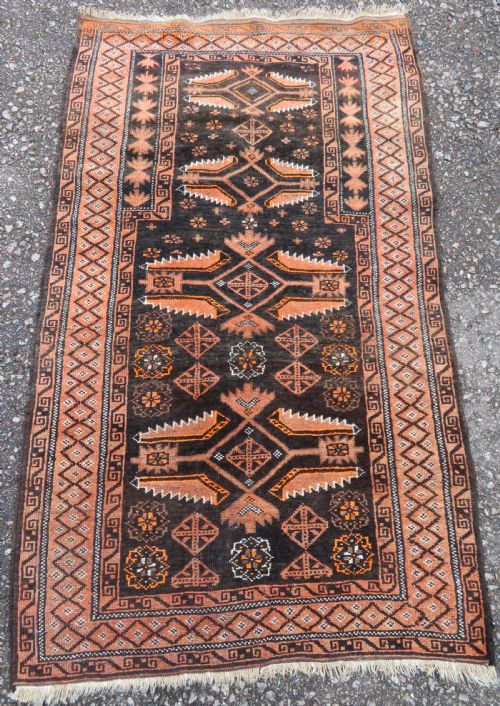
A brown afghan carpet encompasses a rich variety of tribal weaving traditions, including Baluch, Timuri, Taimani, and Ersari Turkmen pieces originating from the borderlands and villages of Afghanistan and north-east Persia. These textiles appear primarily as smaller format items such as prayer rugs, runners, and main carpets created for practical domestic use.
The aesthetic centres on deep earth tones, often utilising camel hair and natural dyes to establish a sombre yet varied palette. Geometric patterns dominate, featuring motifs like guls, prayer mihrabs, and tree of life designs passed down through generations of tribal makers.
How They Were Made
Weavers constructed these pieces using hand-spun wool, cotton foundations, and occasionally goat hair or camel wool for tactile variety. Natural dyes yielded the characteristic brown grounds and secondary tones seen across the surviving nineteenth and early twentieth-century inventory.
Techniques range from pile knotting on warp and weft threads to flatwoven kilim structures, sometimes combining mixed techniques within a single rug. Long kilim ends and sturdy selvedges demonstrate traditional nomadic methods geared towards durability.
Weavers occasionally split kilims into two separate parts during creation, joining them later to form a complete nomadic textile.
What Varies in Quality
Quality rests upon the fineness of the knotting, the stability of the foundation, and the complexity of the tribal design executed by the weaver. Tighter knot density and well-balanced proportions elevate a piece from a utilitarian floor covering to a refined example of nomadic art.
The handling of natural materials also dictates worth, particularly the condition of soft camel hair and the depth achieved through natural dyeing processes. Surviving pieces retain structural integrity and pile consistency despite decades of domestic use.
The Brown Afghan Carpet Glossary
- Gul
- A repeating medallion motif often found in Turkmen and Baluch tribal carpets. These octagonal or polygonal symbols identify specific tribal lineages and visual vocabularies.
- Mihrab
- A niche design representing the prayer arch, commonly oriented towards Mecca on Islamic prayer rugs. Single, double, and triple variations appear frequently in regional weaving.
- Kilim
- A flatwoven textile made without pile by tightly interweaving warp and weft strands. These sections frequently form the protective ends of piled carpets.
- Pencil box
- A characteristic geometric design compartmentalised into narrow stacked bands. This pattern appears frequently in Timuri and western Afghan tribal weaving.
- Seh mihrab
- A triple prayer niche design integrated into the field of a rug. This layout reflects specific regional prayer rug traditions from the late nineteenth and early twentieth centuries.
Brown Afghan Carpet: Frequently Asked Questions
How do I identify a tribal rug?
Tribal rugs display geometric motifs, repeating guls, and earthy palettes derived from local materials rather than court workshop designs. They reflect the specific nomadic or village traditions of the makers.
Examination of the foundation, wool quality, and edge finishes helps distinguish these autonomous regional pieces from urban or commercial workshop production.
How should I care for antique wool?
Protect antique wool carpets from direct sunlight to preserve natural dyes and prevent fibre degradation. Regular gentle vacuuming without a rotating brush removes embedded grit safely.
Professional cleaning should occur infrequently and only by specialists experienced in handling vegetable-dyed tribal textiles.
How do I date an older carpet?
Dating relies on stylistic analysis, material composition, and structural characteristics such as hand-spun wool and natural dye palettes. Comparing knot structures and design layouts against documented nineteenth-century examples provides a reliable window.
Written inscriptions or dates woven directly into the piece occasionally offer a precise year of manufacture.